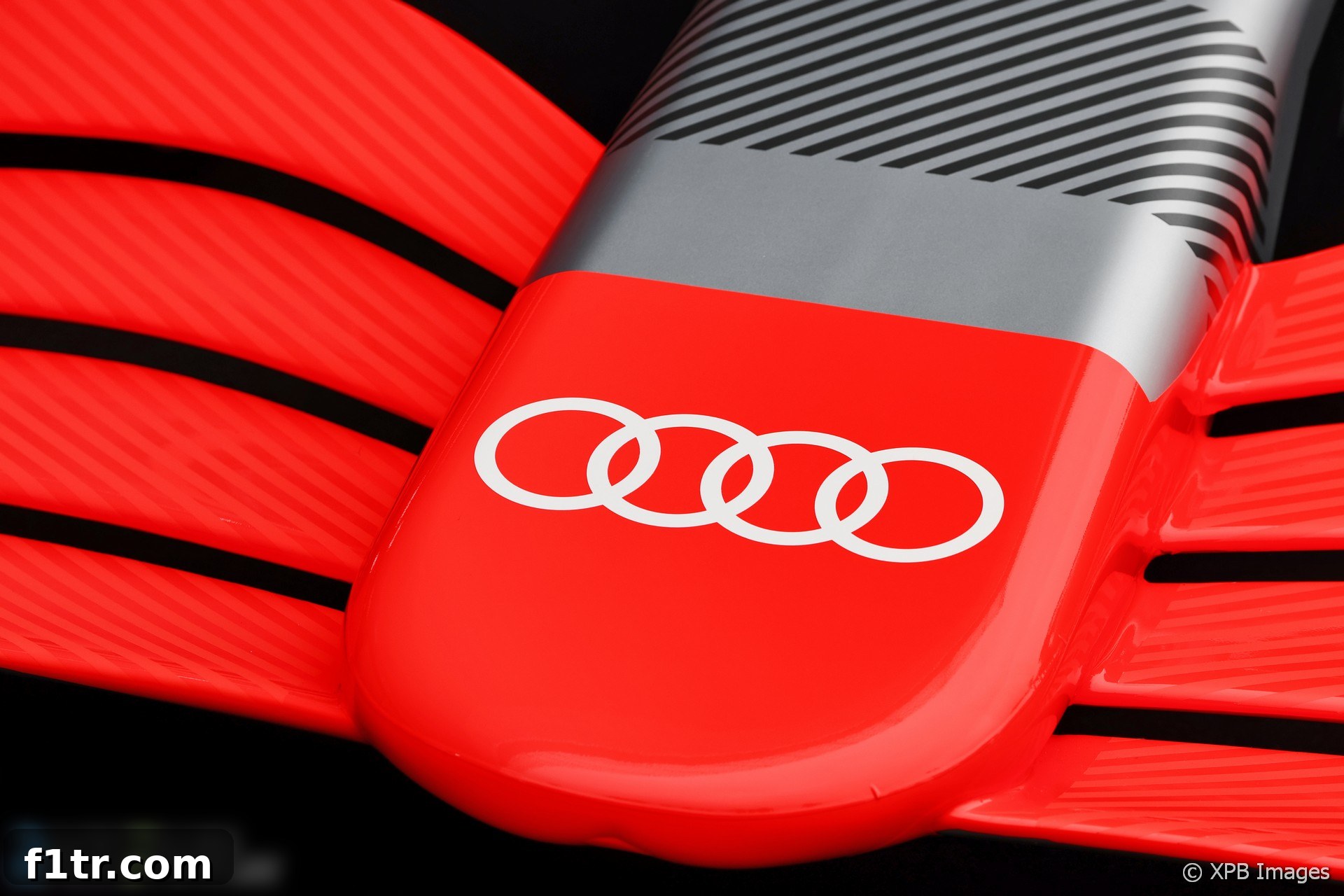
Formula 1’s Engine Future: Why Audi and Drivers Are Against a V10 Revival
The exhilarating world of Formula 1 is constantly evolving, balancing its rich heritage with a relentless drive towards technological advancement and sustainability. At the heart of this evolution lies the ongoing discussion about power unit regulations, particularly as the sport prepares for a significant overhaul in 2026. Amidst these crucial preparations, an unexpected proposal to reintroduce the iconic V10 engines has sparked considerable debate, drawing firm opposition from key figures, including future Audi driver Nico Hulkenberg.
Advert | Become a Supporter & go ad-free
Formula 1 is on the cusp of a transformative change to its power unit regulations, scheduled for the 2026 season. This will mark the first major engine rule alteration since 2014, a move designed to usher in a new era of hybrid technology powered by 100% sustainable fuels. These revised regulations were meticulously agreed upon three years ago, a crucial framework that has since attracted significant interest from global automotive giants. Manufacturers like Audi, alongside renewed commitments from Honda and strategic partnerships involving Ford and Cadillac, have explicitly outlined their intentions to join or deepen their involvement in the championship, drawn by the promise of innovation and environmental relevance.
The Unexpected V10 Proposal and Its Resonance
Despite the established roadmap towards 2026, FIA president Mohammed Ben Sulayem introduced an unanticipated twist earlier this year. He openly suggested a re-evaluation of engine regulations, stating, “We should consider a range of directions including the roaring sound of the V10 running on sustainable fuel.” This statement, while appealing to a segment of fans nostalgic for the high-revving, deafening engines of yesteryear, sent ripples of concern through manufacturers who have already committed substantial resources to the agreed 2026 framework.
While the prospect of V10 engines returning as early as 2026 is virtually nonexistent due to the advanced stage of development and planning, discussions continue regarding potential directions for subsequent generations of power units. However, for those already deeply invested in the upcoming ruleset, any deviation is viewed with skepticism and resistance.
Audi’s Stance: A Commitment to the Future
Nico Hulkenberg, who is poised to play a pivotal role for Audi when the German marque enters Formula 1 in 2026, articulated the brand’s clear position against such a radical shift. Speaking to the official F1 channel, Hulkenberg emphasized the strategic importance of the current 2026 power unit regulations to Audi’s decision-making process.
“I think, obviously, these new upcoming power unit regulations were a big part of the decision of Audi to enter Formula 1,” Hulkenberg explained. “So I don’t think there’s a huge appetite from Audi’s side to change that. Also given it’s already that close to that time.” His comments underscore the immense financial and engineering commitment Audi has already made. Designing and developing a Formula 1 power unit from scratch is a multi-year, multi-million-dollar endeavor, predicated entirely on the established rulebook. Any eleventh-hour changes would not only be a logistical nightmare but could also undermine the very foundation of their entry strategy.
Hulkenberg further dismissed the V10 discussions as largely speculative, labeling it as “a lot of noise obviously around there. I don’t know who kicked it up. It seems quite a bit like wishful thinking, but let’s see what happens there tomorrow.” This sentiment reflects a pragmatic view from within the sport’s technical heart, where engineers are already deep into complex designs for the hybrid era, not retrofitting older concepts. Audi’s entry is a testament to Formula 1’s appeal as a platform for demonstrating cutting-edge, road-relevant technology and sustainable innovation, rather than solely a spectacle of sound and raw power from a bygone era.
Veteran Perspective: Fernando Alonso Echoes Concerns
Advert | Become a RaceFans supporter andgo ad-free
The opposition to a V10 return extends beyond new entrants. Veteran driver Fernando Alonso, whose Aston Martin team will utilize Honda power units from 2026, firmly rejected the idea, drawing a compelling parallel to safety standards. Alonso, notably the last F1 driver to clinch a world championship with a V10 engine, shared his perspective last month, stating, “It’s like saying we could run without the Halo and make the cars more dangerous and [create] more adrenaline for the fans.”
Alonso’s analogy is particularly potent. The Halo safety device, initially met with some resistance, has undeniably saved lives and become an indispensable part of modern Formula 1. His argument posits that advocating for a return to V10s, purely for nostalgic sound, ignores the sport’s progressive trajectory in technology, efficiency, and safety. “It doesn’t make sense,” he concluded, highlighting that while the V10s were glorious in their time, F1 has moved beyond them towards more relevant and responsible engineering solutions.
The Broader Implications for Formula 1’s Identity
The debate surrounding engine regulations touches upon the very identity and future direction of Formula 1. On one side, there’s a powerful emotional pull towards the past, driven by the visceral sound and raw power of engines like the V10s, which many fans remember fondly. This nostalgia often manifests in calls for simpler, louder engines that harken back to a perceived “golden era.”
On the other side stands the modern vision of Formula 1: a leader in motorsport innovation, a platform for developing sustainable technologies, and a showcase for engineering excellence relevant to the automotive industry’s future. The 2026 regulations, with their emphasis on sustainable fuels and advanced hybrid systems, are meticulously crafted to align F1 with global environmental goals and attract investment from manufacturers keen on demonstrating their green credentials. A sudden pivot back to V10s, even if hypothetically running on sustainable fuels, would be seen by many as a step backwards, risking F1’s credibility and its appeal to new partners.
Technological and Financial Hurdles of a V10 Revival
Beyond the philosophical arguments, there are significant practical obstacles to reintroducing V10 engines. Modern Formula 1 power units are incredibly complex, integrating internal combustion engines with sophisticated energy recovery systems (ERS). Reverting to V10s, even “simplified” ones, would necessitate a complete redesign process for all engine manufacturers, incurring astronomical costs and requiring years of development time. For new entrants like Audi, who have already invested heavily in the 2026 hybrid concept, such a change would be a catastrophic blow, potentially jeopardizing their participation.
Moreover, the integration of 100% sustainable fuels is a cornerstone of the 2026 regulations. While V10s could technically run on these fuels, the efficiency and performance gains achieved with hybrid powertrains are more aligned with current automotive research and development. F1 aims to be a laboratory for future road car technology, and the hybrid approach offers far greater relevance in this regard than a purely combustion-based V10.
Conclusion: A Future Rooted in Innovation
The strong and unequivocal opposition from key stakeholders like Audi, represented by Nico Hulkenberg, and seasoned drivers such as Fernando Alonso, firmly underscores the direction Formula 1 is committed to. The 2026 power unit regulations represent a critical juncture for the sport, aligning it with a sustainable, technologically advanced future. While the allure of the past, epitomized by the magnificent V10 engine sound, remains powerful, the practicalities of modern motorsport, coupled with significant investments from manufacturers, dictate a forward-looking approach.
The discussions around engine regulations will undoubtedly continue, but for the immediate future, especially concerning the 2026 season and beyond, Formula 1 appears resolute in its commitment to hybrid technology and sustainable fuels. This pathway not only preserves the sport’s relevance in a changing world but also continues to attract innovative manufacturers eager to push the boundaries of automotive engineering.
Don’t Miss Out: Get All the Latest Formula 1 News!
Ensure you stay updated with every breaking story, exclusive analysis, and race report from Formula 1. Sign up for our daily email updates – no marketing, no ads, just the news you need, delivered straight to your inbox.
Related Stories: 2025 Bahrain Grand Prix Insights
Explore more in-depth analysis and breaking news from the world of Formula 1, including our coverage of the 2025 Bahrain Grand Prix:
- Hamilton making “drastic shift” in driving style to master Ferrari’s car
- Leclerc revealed Ferrari strategy details to Gasly before Bahrain Grand Prix
- Lawson made “very significant step forward” in Bahrain – Mekies
- Russell’s transponder was ‘frazzled and charred’ after Bahrain Grand Prix DRS drama
- “Don’t give me too much now”: Hamilton’s search for speed at Ferrari continues
Browse all 2025 Bahrain Grand Prix articles