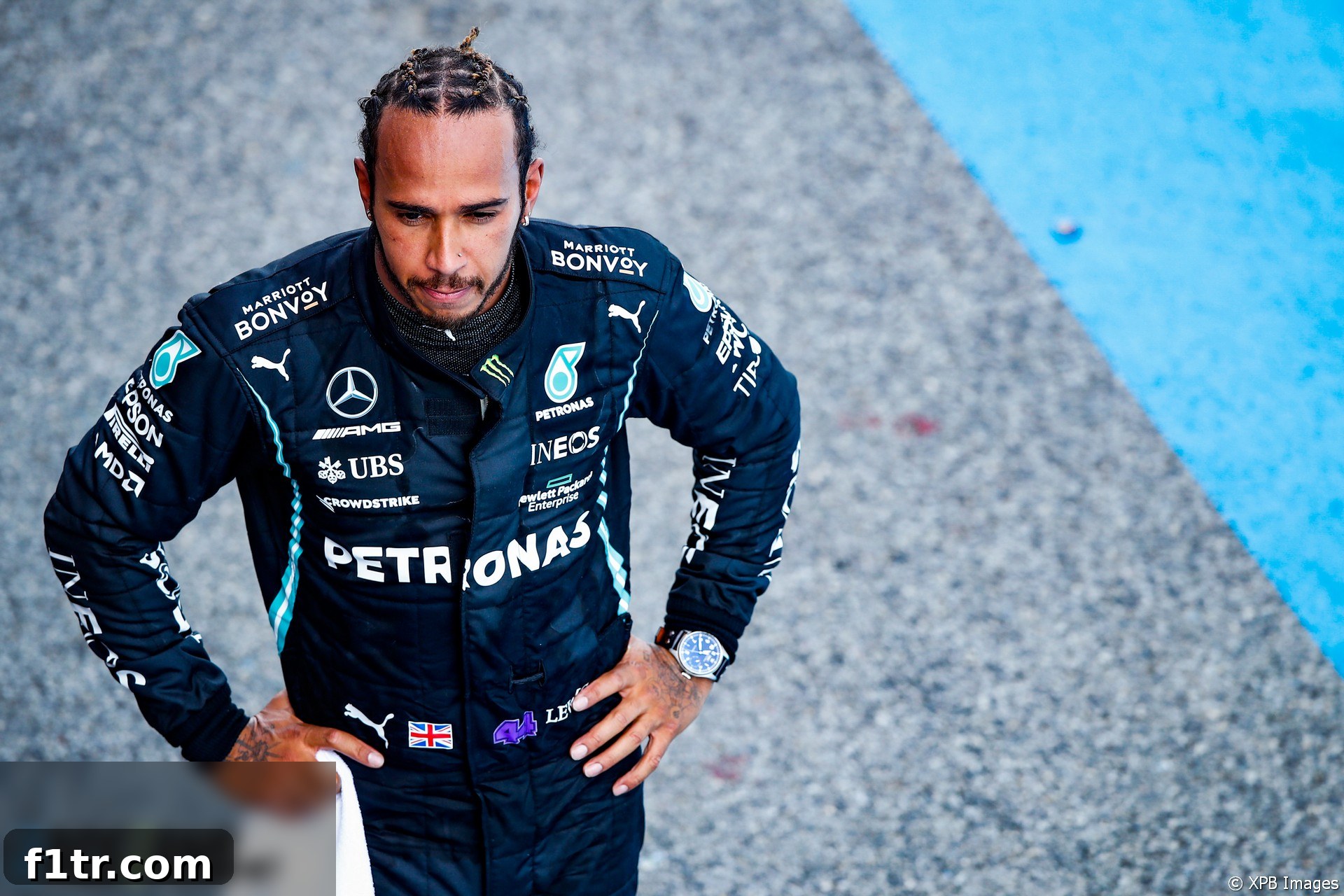
In the high-octane world of Formula 1, where every millisecond counts both on and off the track, Lewis Hamilton, the reigning champion and arguably the sport’s greatest driver, has made his intentions clear regarding his future with Mercedes. Following a single-year contract extension announced in February that kept fans and pundits alike on edge, Hamilton is now determined to secure his next long-term deal well in advance, specifically aiming to finalize negotiations with Mercedes CEO Toto Wolff before the customary summer break.
The urgency stems from the protracted and unsettling experience of his previous contract discussions. That single-year agreement, which concluded mere weeks before the start of the 2021 season, left a sour taste for the seven-time world champion. “We never want to be in the position that we were in January, in February,” Hamilton stated emphatically after his commanding victory at the Spanish Grand Prix. He elaborated on the personal toll it took, revealing, “It ruined my whole winter, and I’m sure it wasn’t helpful for Toto’s, in terms of being able to be off and relaxed; it felt like we didn’t really have much of a break.” This candid admission highlights the immense pressure and distraction that late-stage contract talks can impose on a driver and team principal, even those as seasoned and successful as Hamilton and Wolff.
Avoiding Past Distractions: Why an Early Contract is Key for Hamilton and Mercedes
For Hamilton, whose meticulous preparation is a hallmark of his sustained success, the disruption caused by the delayed 2021 contract was a significant hurdle. A Formula 1 season is a grueling marathon, demanding absolute focus, physical peak performance, and mental resilience from start to finish. Having the uncertainty of his future lingering into the early part of the year, coupled with the condensed off-season, undoubtedly impacted his ability to fully recharge and enter the new campaign with a completely clear mind. For Mercedes, too, the delay presented challenges. Team stability is paramount, and ensuring their star driver’s commitment is a crucial element of long-term planning, sponsorship deals, and overall team morale.
Therefore, Hamilton’s desire to finalize his next agreement before the mandatory summer shutdown, which typically commences after the Hungarian Grand Prix on August 1st, is a strategically sound move. “I think we have to be sensible,” he asserted. “Naturally, we don’t have to rush anything, but I think we have to be sensible and start conversations. They’re very complex; it’s never a super simple procedure.” F1 contracts are intricate documents, encompassing not just salary but also duration, performance clauses, commercial rights, team options, and exit strategies. Navigating these complexities requires time, careful consideration, and a shared vision between driver and team. By initiating discussions early, both Hamilton and Mercedes can approach the negotiation table with a calmer demeanor, allowing for thorough deliberation without the looming threat of an impending season start.
The goal, as Hamilton articulated, is to achieve a state of clarity: “Hopefully soon we can start, as long as it doesn’t interfere with the actual job. We still have 19 races to do, but it would be great to get something in place before the break so then we could, again, be in that break and have a clear picture of the future.” This clarity is invaluable. It allows Hamilton to dedicate his entire mental and physical energy to the championship battle, free from the external pressures of contract speculation. For Mercedes, it provides certainty in their driver lineup, enabling them to plan strategically for the coming seasons, both in terms of technical development and commercial partnerships, safe in the knowledge that their most valuable asset is secured.
Hamilton’s Dominance and Value: The Context of His Future Deal
At 36 years old, Lewis Hamilton is not just participating in Formula 1; he is rewriting its history books. He leads the drivers’ championship after four of 23 rounds in the current season and is on course to clinch a record-breaking eighth world title, a feat that would solidify his status as the most decorated driver in the sport’s history. His achievements extend beyond the racetrack; he holds the distinction of being Britain’s richest sportsperson and, despite a reported salary cut for his 2021 deal, remains F1’s highest-paid driver. This financial standing reflects his immense value, not only as an exceptional competitor but also as a global icon, a brand ambassador, and a powerful voice for change within and outside motorsport.
His negotiations with Mercedes, therefore, are not merely about personal terms; they are a negotiation of immense strategic importance for one of the most successful partnerships in sporting history. Mercedes, having dominated the hybrid era, understands the unparalleled contribution Hamilton brings, not just in terms of points and championships, but also in driving the team’s engineering prowess and global brand appeal. The intricate dance between driver, team, and the sport’s evolving financial landscape adds multiple layers of complexity to these discussions.
The Looming Specter of the F1 Driver Salary Cap
Adding another intriguing dimension to these high-stakes contract talks is the ongoing discussion among Formula 1 teams regarding the potential introduction of a cap on drivers’ salaries. This initiative, following the successful implementation of a budget cap for teams themselves, aims to further control costs and promote greater competitive parity across the grid. However, opinions vary widely on its feasibility and structure.
Haas team principal Guenther Steiner acknowledged that while discussions are underway, they are still at a very nascent stage. “There needs to be a lot more work done before we get to a number and how it is applied and all that stuff,” Steiner commented, highlighting the intricate logistical and legal challenges involved in capping the earnings of individual athletes, particularly those with global superstar status. Such a cap would need to consider various income streams, including base salary, performance bonuses, and personal endorsements, the latter of which often represent a significant portion of a top driver’s total earnings and are typically negotiated outside of team contracts.
AlphaTauri team principal Franz Tost offered a more specific perspective, suggesting that the cap level “should not be more than around 30 million [dollars] for both drivers.” This figure immediately underscores the potential impact on drivers like Hamilton. To put it in context, Tost’s proposed cap for *both* drivers at a team is close to what Mercedes currently spends on Hamilton alone. The disparity highlights the profound shift such a regulation could trigger in the driver market. While aimed at fostering greater financial sustainability for smaller teams and potentially enabling them to attract higher-caliber talent by reducing the cost of retaining top drivers at the leading teams, a salary cap could also spark significant debate about the value of generational talent and the freedom of individual athletes to negotiate their worth in a competitive global sport.
Tost further qualified his statement, noting, “But once more, this is in discussion, and it depends then always how much financial resources the different teams have and in which direction we will go.” This indicates that the final framework for a driver salary cap, if it comes to fruition, will likely be a compromise, reflecting the diverse financial interests and strategic objectives of all ten F1 teams. The implications for top-tier drivers, particularly those with the marketability and championship pedigree of Hamilton, are substantial. It raises questions about how teams would structure their offers, how drivers would be compensated for their unique contributions, and whether such a cap could inadvertently push talent towards other racing series or reduce the overall appeal of F1 for future stars.
The Road Ahead: Stability and Strategy in a Changing F1 Landscape
For Lewis Hamilton and Mercedes, the immediate priority remains the 2021 championship battle, a fierce contest where every point and every strategic decision carries immense weight. However, the intertwined discussions of Hamilton’s next contract and the potential driver salary cap underscore a pivotal moment in Formula 1. Hamilton’s desire for an early resolution reflects a need for stability and focus, allowing him to channel his full energy into securing that unprecedented eighth world title. For Mercedes, retaining their iconic driver is crucial for maintaining their competitive edge and commercial appeal.
The ongoing dialogue about a driver salary cap, meanwhile, represents a broader attempt by the sport to reshape its financial future, ensuring greater sustainability and competitive balance. How these two narratives—a superstar’s contract aspirations and the sport’s regulatory evolution—converge will undoubtedly be one of the most compelling storylines off the track in the coming months. A swift and amicable resolution to Hamilton’s contract negotiations before the summer break would certainly bring a welcome sense of certainty, allowing both parties to fully concentrate on their shared goal: continued dominance in the world of Formula 1.
- Two reasons why Catalunya may not predict the championship – at least this year
- McLaren to keep “drip-feeding” updates onto 2021 car
- Working group tackling F1’s track limits problem
- ‘We’ll discuss what went wrong’: Hamilton and Verstappen team radio transcript analysis
- 2021 Spanish Grand Prix Star Performers
Browse all 2021 Spanish Grand Prix articles