In the exhilarating world of Formula 1, where legends are forged and legacies cemented, the pursuit of motorsport’s most coveted accolades often sparks passionate debate. One such discussion centers on the illustrious Triple Crown – a rare achievement requiring victory in the Monaco Grand Prix, the Indianapolis 500, and the 24 Hours of Le Mans. Amidst the ongoing quest by Fernando Alonso, a compelling claim emerged from Indy 500 winner Simon Pagenaud: that two-time Indy 500 victor and Monaco GP winner Juan Pablo Montoya stood a greater chance of completing this monumental feat. Join us as we recount a day at the iconic Spa-Francorchamps circuit, where motorsport’s vibrant atmosphere, crucial regulatory discussions, and candid insights from the paddock converged, starting with an exclusive conversation with the formidable Juan Pablo Montoya himself.
7am: Awakening to the Roar of Anticipation
The morning mist still clung to the rolling hills of the Ardennes, a gentle prelude to the thunderous spectacle awaiting us at Spa-Francorchamps. My accommodation, strategically positioned opposite a farmer’s field, offered a unique vantage point of the burgeoning camping village. Rows upon rows of rented tents, seemingly far more numerous than the previous year, painted a clear picture: this weekend was destined for an exceptional turnout. While a single camping village might not serve as a definitive scientific measure, the palpable buzz and vibrant energy emanating from the campers underscored a growing sense of excitement. It felt different, more alive, promising a truly bumper crowd to witness the high-octane drama of the Belgian Grand Prix. The early hours were already humming with the quiet preparations, the distant murmur of approaching fans, and the unmistakable sense of a major sporting event about to unfold.
8am: Encounters on the Road to the Circuit
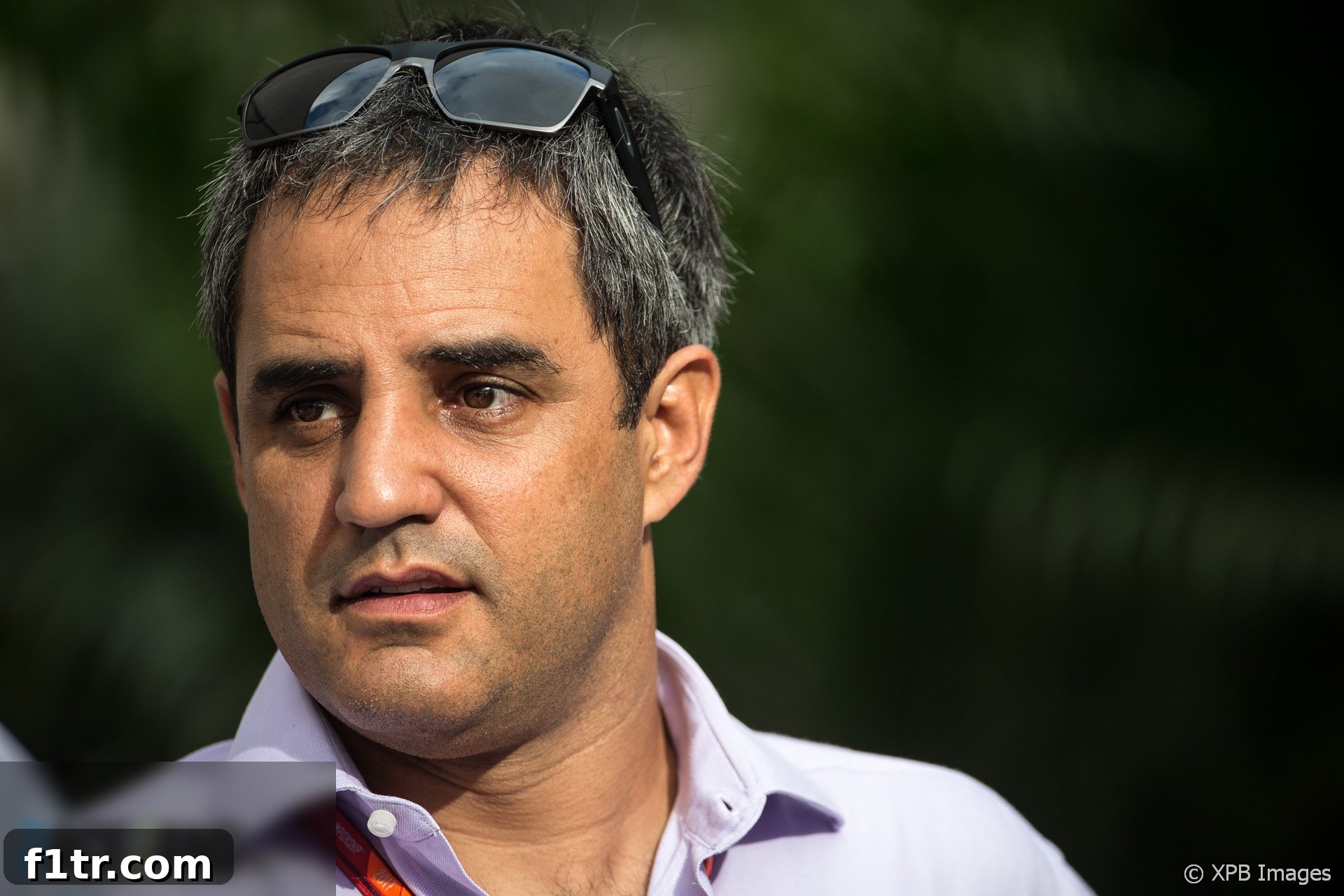
The journey to the circuit was an experience in itself, a tapestry of rural charm interwoven with the burgeoning enthusiasm of race fans. As I departed my digs, the country lanes were already dotted with eager spectators, their footsteps echoing the collective anticipation that permeated the air. The sheer number of punters walking towards the circuit felt noticeably higher than in previous years, further reinforcing the impression that Spa was preparing to welcome a record-breaking crowd. Within a mere twenty minutes, I was parked and making my way towards the shuttle point, where a familiar face emerged from the throng: Juan Pablo Montoya. The charismatic former Formula 1 racer and multiple major event winner was on VIP guest duties for the weekend, offering a perfect opportunity for a quick chat as we ambled towards our transport.
The conversation quickly turned to the Triple Crown, a topic that has captivated the motorsport world for years. I relayed to him the recent assertion by Indy 500 winner Simon Pagenaud, who had suggested that Montoya – with his victories at the Indy 500 and the Monaco Grand Prix already secured – possessed a more realistic path to achieving the Triple Crown than Fernando Alonso, who still needed to conquer the Indy 500 to emulate Graham Hill’s legendary accomplishment. “He’s right,” JPM affirmed with a knowing smile. His confidence was well-founded; Montoya’s impressive resume includes three victories at the prestigious Daytona 24 Hours, demonstrating a clear aptitude for endurance racing. This naturally led to the next logical question: why not pursue the 24 Hours of Le Mans, the final jewel in the Triple Crown?
Montoya’s response was pragmatic yet hopeful. “I’d like to, but I’d need a winning team willing to put me in a car for one race only,” he explained. “With my current US programme, I simply can’t commit to a full WEC (World Endurance Championship) season.” This highlighted the logistical complexities faced by top-tier drivers with existing commitments, making the pursuit of Le Mans a significant challenge without a bespoke, single-race opportunity. The thought lingered: could a powerhouse team like Toyota, with its dominant presence in endurance racing, be persuaded to offer a one-off seat to a talent like Montoya, potentially fulfilling motorsport’s ultimate aspiration?
8:30am: Breakfast, Regulations, and Mounting Unease
The day continued with a brief but welcome stop at Ferrari’s media hospitality, where a fortifying breakfast awaited. I opted for a selection of fresh fruit, a creamy yogurt, a comforting cup of tea, and indulged in a couple of the impeccably baked croissants – a perfect start to what promised to be a busy day. Post-breakfast, my “rounds” began, a series of informal chats and observations across the paddock designed to gauge the prevailing mood and uncover any simmering issues. A consistent theme quickly emerged: a growing sense of unease among teams regarding the regulatory process governing Formula 1, particularly the perceived lack of substantial progress concerning the 2021 Technical Regulations.
The uncertainty surrounding these crucial regulations was clearly a source of frustration. A technical director, who spoke on the condition of anonymity to ensure candor, voiced his concerns bluntly: “We have another meeting in London next week [September 3rd], and unless something tangible happens, we can forget about the standard parts they’re talking about.” The implementation of standardized components was intended to reduce costs and level the playing field, but without clear directives and definitive progress, teams found themselves in a state of limbo, unable to properly plan for the future. This lack of clarity created significant headaches for engineers and strategists trying to design competitive cars for the upcoming seasons.
However, there was a small glimmer of relief amidst the regulatory anxieties. The same technical director expressed satisfaction that initial plans to impose penalties for the usage of additional brake components had been scrapped. The original proposal was to limit teams to just five sets of brake discs for the entire season. “Can you imagine being given five sets of brake discs to run the season?” he exclaimed, highlighting the absurdity. “If you go to six, you get a penalty. I mean, I’m in race 15 with a set of brake discs, [and] I need to make a call whether I put them on the car or take a penalty!” This vivid example perfectly illustrated the kind of overly restrictive and impractical regulations that teams often push back against, underlining the fine balance between cost-saving measures and maintaining the integrity and practicality of racing operations. The back-and-forth between the governing body and the teams on such detailed technical matters is a constant battleground, shaping the sport’s future.
11am: The Grand Spectacle Unfolds at Spa
As the clock struck eleven, the moment arrived. Practice began, and the iconic Spa-Francorchamps circuit truly came alive. There are few greater pleasures in motorsport journalism than to stand on the balcony outside the media centre, or nestled within the hallowed grounds of La Source, and witness the world’s most talented Formula 1 drivers pushing the fastest, most technologically advanced cars on earth to their absolute limits. The sheer speed, precision, and raw power are breathtaking. Spa, with its legendary corners like Eau Rouge, Raidillon, and Blanchimont, is universally acclaimed as the best overall circuit in the world, a true driver’s track that separates the exceptional from the merely good. The sight of these machines carving through its challenging topography, engines screaming in protest and tires fighting for grip, is a visceral experience. Each lap is a ballet of engineering marvel and human skill. In simple, unadulterated terms, my affection for Spa is absolute – I love Spa! It’s a place where the spirit of racing feels most pure, a testament to speed, courage, and engineering excellence.
1pm: Calendar Expansion and Diverse Demands
The FIA press conference provided an invaluable platform for understanding the broader political and strategic landscape of Formula 1. The focus of my inquiry to the assembled team bosses centered on Liberty Media’s ambitious plans to expand the F1 calendar to 22 races, particularly in light of Spain’s unexpected agreement to return to the schedule. This expansion raised significant questions about the logistical, financial, and human resource implications for the teams.
The responses from the team principals revealed a fascinating divergence in priorities and negotiating tactics. Cyril Abiteboul, representing Renault, confirmed that his team had specifically demanded an increase in the season usage limit of MGU-Ks (Motor Generator Unit – Kinetic) from two to three. This demand underscored the strain that an extended calendar places on engine components and the need for greater flexibility to prevent reliability issues and associated penalties. Franz Tost of Toro Rosso, ever the pragmatist, offered a succinct and unambiguous answer: “More money!” His directness highlighted the fundamental financial incentive for teams to agree to more races, recognizing the increased revenue opportunities. Guenther Steiner of Haas, typically vocal, adopted a surprisingly understated approach, stating, “We kept a low profile and didn’t ask for anything.” This might suggest a team content with the status quo or perhaps a strategic decision not to rock the boat at that particular juncture. Finally, Otmar Szafnauer of Racing Point revealed his team’s specific insistence on reducing the number of pre-season test days to six, a clear indication of their concern for managing team workload and operational costs over an extended racing season.
It was intriguing to observe how each team, faced with the same overarching request from Liberty Media, reacted in a totally different manner, reflecting their individual circumstances, budgets, and strategic objectives. These varied demands illustrate the complex interplay between commercial aspirations, sporting regulations, and the practical realities of running a top-tier Formula 1 team. The negotiations behind closed doors are often as competitive as the racing itself, shaping the future direction of the sport in profound ways.
1:30pm: Fueling Up and Motorsport Wisdom
The midday break presented another opportunity for sustenance and valuable interactions, returning to the welcoming environment of Ferrari’s hospitality. I had pre-arranged to meet a colleague there, making for a productive and enjoyable interlude. Our meal began with a delightful starter of salami and a refreshing potato salad, a light yet satisfying opening. This was followed by a rich pasta dish generously coated in a robust rage sauce, offering a burst of flavour. The perfect midday filler was rounded off with a vibrant fruit salad, a refreshing conclusion to the culinary experience.
After lunch, as I prepared to resume my duties, a familiar and esteemed figure caught my eye: Kees van de Grint. In my book, Kees is nothing short of a legend – arguably the best tyre and karting engineer ever to grace the sport. He was the unsung hero who tirelessly ensured perfect tyre synergies between car and driver, a crucial factor in Michael Schumacher’s unparalleled dominance during the iconic Ferrari/Bridgestone era. His insights are always invaluable, and it’s consistently a profound pleasure to chat with Kees and absorb his encyclopedic knowledge of motorsport across the ages. Our conversations often drift beyond contemporary Formula 1, delving into the rich history of racing. Like me, Kees is a massive fan of iconic marques such as Matra and Chaparral, those innovative and often unconventional manufacturers who pushed the boundaries of engineering and design. We gladly swapped yarns about these legendary makes, sharing our admiration for their groundbreaking achievements and the indelible mark they left on motorsport history. These chance encounters with individuals of Kees’s stature are among the most rewarding aspects of covering Formula 1, offering a deeper appreciation for the sport’s heritage and technical intricacies.
4pm: Paddock Hustle and Driver Debates
As the afternoon progressed, the paddock transitioned into a hive of activity with the commencement of driver and team interviews. This period typically stretches for a busy two hours, a whirlwind of questions and answers. The split-level nature of the Spa paddock adds an extra layer of complexity, with some teams opting to host their media sessions discreetly behind their garages, while others prefer the more open and accessible setting of their hospitality units located on a lower tier. Navigating this labyrinthine layout, constantly bounding up and down steps in the course of duty, easily meant I had walked upwards of 10 kilometres throughout the day – a testament to the sheer physical demands of reporting from a Grand Prix circuit.
Among the scheduled interviews, one unscheduled session stood out: Christian Horner, the Red Bull Team Principal, held an extra Friday media briefing. The timing and nature of this impromptu gathering made its purpose clear: it was specifically aimed at addressing the flurry of questions surrounding Pierre Gasly’s demotion from Red Bull Racing during the summer break. The decision to move Gasly back to Toro Rosso had been a significant talking point, prompting widespread discussion about driver performance, team pressure, and career trajectories. I seized the opportunity to pose a pointed question: wouldn’t the Frenchman have been better prepared for the rigours of Formula 1 if he had made the leap directly after winning the GP2 title in 2016, rather than spending an additional year honing his skills in Super Formula? Horner, displaying his characteristic diplomatic evasion, deftly ducked the question, offering a non-committal response that shed little light on Red Bull’s exact thinking at the time. His avoidance underscored the sensitive nature of driver management and the delicate balance teams must strike in nurturing talent while simultaneously pursuing championship ambitions.
- Red Bull dropped Gasly because he was “struggling with the pressure” – Horner
7pm: Winding Down and A Teacup Storm
As the long day at the circuit drew to a close, I departed for my digs, grabbing a quick dinner of a couple of skewered pork sticks and fries en route – a classic, satisfying way to refuel after hours on my feet. Back at my accommodation, I dedicated some time to catch up on the day’s news, allowing myself to wind down while staying abreast of the latest developments. One particular story had captured significant attention: a quote from Lewis Hamilton earlier in the week, specifically on Thursday, had made headlines and prompted someone to question the FIA regarding its compliance with regulations. During the summer break, Hamilton had spoken about “recharging and absorbing the good energy around me,” but crucially, he also referred to having “a bit of a dialogue with the team which we generally don’t usually have during the break.” This seemingly innocuous comment sparked concerns that Mercedes might have violated the mandatory factory shutdown period, a strict rule designed to provide teams with a period of respite and to prevent unfair development advantages.
Mercedes, however, swiftly moved to clarify the situation, stating that the FIA was entirely satisfied that all protocols had been followed. They explained: “Lewis was referring to contact with the team during the week after Hungary, when he had begun his summer break but the team was still working until the following Friday, when our (official) shutdown period began for the mandatory two weeks.” Essentially, Hamilton had started his personal break before the official team shutdown period commenced, meaning any communication during that brief overlap was perfectly legitimate. In the end, what initially appeared to be a potential breach of regulations was quickly resolved, proving to be nothing more than a “storm in a teacup” – a trivial matter blown out of proportion. It served as a potent reminder of the intense scrutiny under which Formula 1 teams and drivers operate, where every word and action can be dissected and debated, even during the quietest periods of the season.
2019 Belgian Grand Prix Related Articles
- Norris says he thought of Hubert during Belgian GP
- 2019 Belgian Grand Prix Star Performers
- “For Tonio”: Dominant Leclerc scores maiden win
- Leclerc is only the sixth new F1 race winner in last 10 years
- Hamilton: Crowd reaction to practice crash prompted safety comments
Browse all 2019 Belgian Grand Prix articles