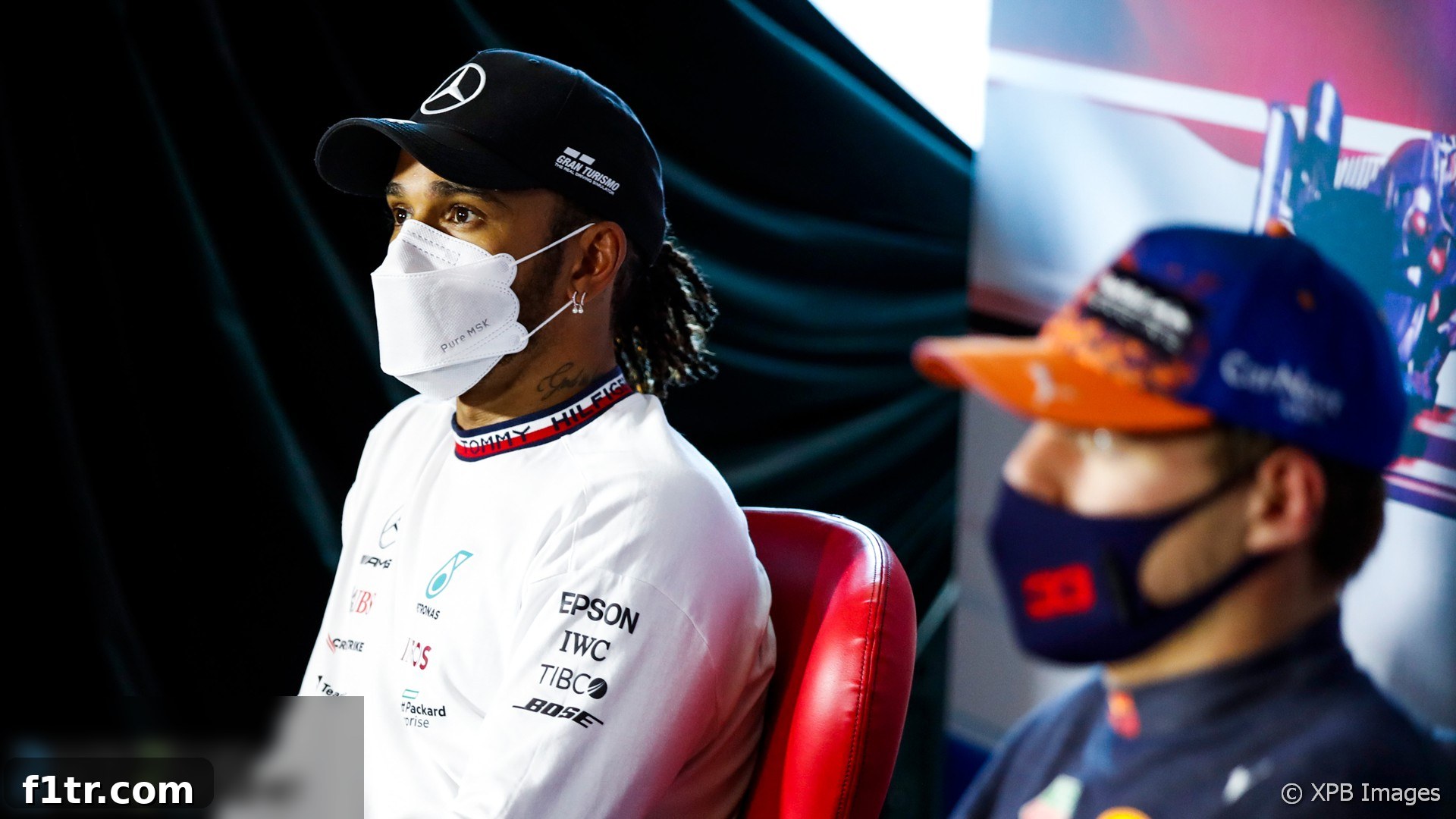
In the high-stakes world of Formula 1, championship battles often ignite intense rivalries, yet Valtteri Bottas offers a seasoned perspective, seeing no cause for undue concern in the fierce competition between title contenders Lewis Hamilton and Max Verstappen. His insights provide a nuanced view, reminding us that beneath the competitive fire, professionalism and mutual respect often prevail, even if obscured by the heat of the moment.
Motorsport Briefing: Key Updates from the Paddock
“They’re Both Adults” – Bottas on Hamilton-Verstappen Rivalry
The 2021 Formula 1 season witnessed an epic championship duel, marked by several on-track clashes between Mercedes’ Lewis Hamilton and Red Bull Racing’s Max Verstappen. From the controversial incidents at Silverstone and Monza to the strategic battles at various circuits, the rivalry captivated fans worldwide. However, Valtteri Bottas, Hamilton’s then-teammate, offered a calming take on the situation, suggesting that despite the verbal jousting and intense racing, the core of their relationship remained professional.
Bottas highlighted a moment in Turkey, stating, “If I look at Turkey, I saw them having a chat and felt like everything is normal.” This observation underscores his belief that the competitive fire, while fierce on track, doesn’t necessarily translate into personal animosity. The Finn elaborated on the nature of top-tier motorsport, where the pursuit of victory demands relentless effort and a refusal to yield. “It is competition and when you’re competing hard on track, you’re not trying to make friends.”
Advert | Become a Supporter & go ad-free
Yet, Bottas quickly pivoted to the maturity of both drivers. “But Lewis and Max, they’re both adults so they also know that that is the name of the game. And I don’t think it’s anything personal. That’s my view.” This insight is crucial for understanding the psyche of elite athletes. While emotions run high, particularly immediately after a race, these seasoned competitors understand the boundaries between personal feelings and professional competition. The adrenaline and tension experienced on a podium after a wheel-to-wheel battle are, as Bottas put it, “completely normal in the sport.” His perspective encourages fans to view the rivalry as a testament to the drivers’ dedication and the sport’s thrilling nature, rather than a bitter personal vendetta.
Formula 2 and 3 Revise Points System for 2022 Season
In a significant move to streamline their championship structures and place greater emphasis on the main event, Formula 2 and Formula 3 have announced revised points allocations for the 2022 season. These changes aim to simplify the race weekend format and ensure that the feature race, traditionally the longest and most strategically complex, holds the most weight in the championship standings. The feature race in both series will continue to award points in the same manner as a Formula 1 Grand Prix, with 25 points for the winner, followed by 18, 15, 12, 10, 8, 6, 4, 2, and 1 points for the top ten finishers, respectively. This consistency with F1 underscores the feeder series’ role in preparing drivers for the pinnacle of motorsport.
The most notable alteration affects the sprint races, which will see their points value significantly reduced. From the 2022 season onwards, both Formula 2 and Formula 3 will award 10 points to the winner of the sprint race. This contrasts with Formula 1’s sprint qualifying format, which awards points to the top eight finishers with 10, 8, 6, 5, 4, 3, 2, and 1 points respectively. In Formula 3, which typically features a larger grid of drivers, points will be awarded to the top 10 finishers in the sprint race: 10, 9, 8, 7, 6, 5, 4, 3, 2, and 1 points respectively. This revised structure aims to maintain the excitement of sprint racing while ensuring it doesn’t disproportionately influence the overall championship outcome. The intention is to reward consistent performance in the feature races, which often require greater skill in race management and strategy.
Further changes include the halving of points awarded for taking pole position and setting the fastest lap. Pole position will now be worth two points, down from four, and the fastest lap will award one point, reduced from two. These adjustments reinforce the focus on race results as the primary determinant of championship success, slightly de-emphasizing single-lap pace or a solitary fast lap during the race. Both series had previously announced a reduction in the number of races per weekend from three to two, effectively removing one sprint race. This simplification of the weekend schedule is expected to reduce logistical complexities, manage team budgets more effectively, and allow drivers to focus on two high-quality races, ensuring each event carries substantial weight and excitement for both competitors and fans.
Norris Hopes to Inspire More Girls into Motorsport
McLaren sensation Lando Norris, one of Formula 1’s most popular and charismatic figures, expressed his hope that his growing popularity, particularly among female motorsport enthusiasts, will inspire more women to engage with and participate in motorsport. Following a poll that named him F1’s most popular competitor among females, Norris recognized the unique opportunity this presents to broaden the sport’s appeal and challenge traditional demographics. His youthful exuberance and active presence on social media have resonated with a diverse audience, attracting new fans to the sport, a phenomenon often attributed to the “Drive to Survive” effect.
“I think it’s a good thing that I can influence them and have an effect on them in a way – girls and not just guys – because a lot of people see racing as something that guys are into more than anything,” said Norris. This statement highlights the persistent stereotype that motorsport is primarily a male-dominated arena. Norris sees his role as more than just a racing driver; he views it as a platform to dismantle these outdated perceptions. By putting on a compelling show on track and engaging authentically off it, he aims to draw a wider audience into the captivating world of Formula 1. The implication is clear: a more diverse fanbase can lead to more diverse participation.
The McLaren driver further emphasized the potential long-term benefits of this burgeoning interest. “But the fact that I can put on a good show and maybe bring that audience into Formula 1 a little bit more, I think is a cool thing and we can have, then, more women drivers coming through, if that’s something I’m able to kind of push towards.” His desire to actively contribute to increasing female representation, particularly in driving roles, underscores a growing awareness within F1 about the need for greater diversity and inclusion. “So I guess it’s a cool stat, it doesn’t change anything, but if I can influence them and that attracts maybe more women drivers coming into racing and Formula 1 then that’s a cool thing.” Norris’s positive attitude and desire to be a catalyst for change reflect a broader movement within motorsport, spearheaded by initiatives like F1’s “We Race As One,” to make the sport more accessible and welcoming to everyone, regardless of gender.
Advert | Become a RaceFans supporter andgo ad-free
Social Media Snapshot: Trending Motorsport Conversations
Dive into the vibrant world of motorsport social media with these notable posts from Twitter and Instagram, capturing key moments and discussions:
Bobby Rahal brings his 1986 Indy 500 winning car back home!
The Budweiser March 86C Cosworth is the newest addition to the IMS Museum Winners Collection. #indy500 #indycar #isitMayyet pic.twitter.com/ydMhJfssHm
— IMS Museum 🏁 (@IMSMuseum) October 21, 2021
The Indianapolis Motor Speedway Museum celebrated a piece of racing history with the return of Bobby Rahal’s iconic 1986 Indy 500-winning Budweiser March 86C Cosworth. This addition to their Winners Collection underscores the enduring legacy of the Indy 500 and the importance of preserving the machines that define motorsport’s greatest triumphs. Rahal’s victory remains a highlight in the annals of American open-wheel racing.
15 years ago today: BMW ran ‘Thanks Michael’ and ‘Danke Michael’ on their rear wings during qualifying for the Brazilian Grand Prix, the last race before Michael Schumacher’s first retirement.#F1 pic.twitter.com/f3N5mKt0d5
— RaceFans (@racefansdotnet) October 21, 2021
A nostalgic look back at a poignant moment in Formula 1 history: 15 years ago, BMW paid tribute to the legendary Michael Schumacher during his final race before his first retirement. This gesture at the Brazilian Grand Prix symbolized the immense respect and admiration for Schumacher’s unparalleled career and his profound impact on the sport. His legacy of seven world championships and countless records continues to inspire generations of drivers and fans.
From seeing all the fans in the pit lane walk, I can’t shake a impression that the audience has gotten a lot younger this year. The “Drive To Survive” effect in the USA appears to be genuine #USGP
— Sean Kelly (@virtualstatman) October 21, 2021
Sean Kelly, known as virtualstatman, captured a palpable shift in the Formula 1 audience, particularly at the US Grand Prix. His observation of a significantly younger demographic during the pit lane walk highlights the undeniable “Drive To Survive” effect in the United States. The Netflix docuseries has dramatically broadened F1’s appeal, drawing in new fans who are captivated by the behind-the-scenes drama and compelling personalities, ensuring a vibrant future for the sport in key markets.
- Discover more official F1 accounts to follow in the F1 Twitter Directory, enhancing your motorsport social media experience.
Essential Motorsport Reads: A Curated Selection of Industry Links
Explore these fascinating motor racing links, offering deeper insights into the sport’s key figures, strategic developments, and ongoing debates:
Insider: How and why Andretti is building an unmatched racing empire (Indy Star)
This deep dive into Michael Andretti’s ambitious plans explores his vision for a sprawling racing empire, including his aspirations for Formula 1. The quote, “I think an American (driver) will never be treated fairly over there unless it’s with someone like us,” encapsulates the challenges and nationalistic sentiments surrounding American representation at the pinnacle of global motorsport. It highlights the strategic complexities of breaking into F1 as a new team or with a new driver from the US.
Max Verstappen loves watching IndyCar’s drivers, teams but will pass on racing its ovals (NBC)
Max Verstappen’s candid comments on IndyCar offer a glimpse into a top F1 driver’s perspective on other racing disciplines. While appreciating the fierce competition and unique dynamics of IndyCar, his firm stance on avoiding oval racing (“I’m not personally a big fan of ovals”) underscores the distinct skill sets and risk profiles associated with different motorsport formats. It’s a fascinating insight into driver preferences at the elite level.
Stefano Domenicali: ‘What Mandela said is understandable but it was a different time’ (The Guardian)
Formula 1 CEO Stefano Domenicali discusses the sport’s evolving role in global social and political landscapes. His reflection on Nelson Mandela’s perspective and the shift to F1 as a “big lens” for countries to “prove to the world they want to change” highlights the series’ commitment to promoting human rights and positive change, emphasizing a proactive approach to addressing societal issues without excuses or filters.
Lawrence Stroll interview: Aston Martin, bonds and becoming F1 world champions (City AM)
Lawrence Stroll, the driving force behind Aston Martin’s F1 project, provides an update on the team’s ambitious journey toward championship glory. His transparent assessment of progress, acknowledging delays due to global events like Covid-19, (“This factory should have been finished today and would have been if not for Covid. Sadly that made us pause. It’s far from project finished. I’d say we’re somewhere in the middle”) offers a realistic view of the monumental task involved in building a front-running Formula 1 team from the ground up.
F1’s Russell on fame, adrenaline and Netflix: ‘We’re born to race, not to be on camera’ (Independent)
George Russell, a rising star in Formula 1, opens up about the multifaceted demands of being a modern F1 driver. His insightful comment, “We’re born to race, not to be on camera,” perfectly captures the tension between the pure pursuit of racing and the extensive media and sponsor obligations that come with the territory. He articulates the challenge of balancing raw talent and competitive drive with the expectations of public speaking and brand representation, a reality for all aspiring and current F1 drivers.
The fight for the title between Masson and Capietto shaken up after a recount (Auto Hebdo – French)
This French F4 article delves into the dramatic twists and turns of a junior championship battle, where a rules clarification on discounting worst results led to a thrilling scenario: “putting Masson and Capietto on exactly equal points, going into the final round.” Such detailed rule interpretations often add unforeseen layers of complexity and excitement to championship deciders, highlighting the fine margins in professional motorsport.
Winning the world’s biggest race without any gas in the tank (Road & Track)
Alexander Rossi’s recollection of his improbable Indy 500 victory, dramatically running out of fuel just after crossing the finish line, offers a rare, visceral perspective on the sport’s most iconic event. His quote, “‘As a race-car driver, you never hear or know, really, that the crowd is there,’ Rossi said. ‘But because the engine was off, I heard 300,000 people erupt either in confusion, happiness, or horror,'” vividly captures the immediate, overwhelming auditory experience of a truly unforgettable motorsport moment, a testament to the emotional power of racing.
We always endeavour to credit original sources. If you have a tip for a link relating to single-seater motorsport to feature in the next RaceFans round-up please send it in via the contact form.
Advert | Become a RaceFans supporter andgo ad-free
Comment of the Day: The Drive to Survive Debate
The global phenomenon of Netflix’s “Drive to Survive” has undoubtedly propelled Formula 1 into new markets and captured millions of new fans. However, its narrative style and editing choices have also sparked debate within the sport, particularly among drivers. Max Verstappen’s public declaration that he won’t actively participate in future seasons of the docuseries has resonated strongly with many, including reader David Hunter. Hunter argues that producers should heed the concerns of someone who should be one of the show’s biggest stars, advocating for a more authentic portrayal of the sport.
I don’t blame him, and I really like what Drive to Survive generally does. However it does overstep the mark and needlessly so as well. I hope maybe his comments (from potentially this season’s champion) cause them to stick closer to the actual facts and less of the manipulative editing.
There’s really little need for it, the sport has great personalities and actual rivalries (and friendly ones) that would be great to watch as is.
@Davidhunter13
David Hunter’s sentiment highlights a critical discussion point: while “Drive to Survive” has been instrumental in F1’s growth, there’s a fine line between compelling storytelling and excessive dramatization. Many fans, like Hunter, believe that the inherent drama of Formula 1, with its genuine rivalries and captivating personalities, is more than sufficient without the need for perceived manipulative editing. Verstappen’s stance, particularly as a championship contender, lends significant weight to this argument, potentially prompting producers to re-evaluate their approach and focus more on factual authenticity for future seasons, ensuring the show reflects the true essence of Formula 1.
Happy Birthday! Celebrating Motorsport Enthusiasts
Wishing a very happy birthday to our fellow motorsport enthusiasts, Sasquatch and Porschephile! May your day be filled with speed, excitement, and all things racing. Your passion for the sport helps make the F1 community so vibrant.
If you’d like a special birthday shout-out in our future round-ups, don’t hesitate to tell us when yours is via the contact form or by adding your name to our list here. We love celebrating with our dedicated readers!
On This Day in Motorsport History: A Look Back at Iconic Moments
- Exactly 15 years ago today, the 2006 Brazilian Grand Prix unfolded with dramatic intensity, marking a pivotal moment in Formula 1 history. Despite a stirring, masterful drive by Michael Schumacher – widely regarded as one of his career finest and his last for Ferrari before his initial retirement – it wasn’t enough to prevent Fernando Alonso from clinching his second consecutive World Championship title in Brazil. Schumacher, battling back from an early puncture after contact with Giancarlo Fisichella, showcased his legendary tenacity, but the championship mathematically slipped away. This race is remembered not only for Alonso’s triumph but for Schumacher’s valiant final effort with the Scuderia, solidifying his status as a true legend of the sport and highlighting the emotional farewell to an era.