After a decade-long hiatus, the electrifying roar of Formula 1 cars is set to once again grace the historic Circuit Paul Ricard for the French Grand Prix. This eagerly anticipated return promises a weekend of high-octane racing, strategic battles, and the thrilling prospect of a home driver making their mark. With the championship narrative already unfolding dramatically, the French Grand Prix offers a pivotal moment in the season. Here are the key talking points and narratives shaping this weekend’s race.
Who Will Emerge as France’s Top Driver on Home Soil?
The return of the French Grand Prix marks a significant resurgence for French motorsport, both on and off the track. A decade ago, when France last hosted an F1 race, the nation’s involvement in the pinnacle of motorsport was arguably at a low point. Renault, once a championship-winning force, had a controversial exit following the ‘Crashgate’ scandal, leaving a void that seemed to have impacted emerging talents like Romain Grosjean. However, the landscape has dramatically shifted, and France now boasts a formidable contingent of drivers in the championship, providing a strong local connection for fans to rally behind.
Among the promising talents, we find two former GP2/F2 champions, Pierre Gasly and Esteban Ocon, both young and highly skilled, representing the future of French racing. Alongside them, Charles Leclerc, while Monegasque, is often considered an honorary Frenchman given his strong ties and shared motorsport heritage, and his exceptional talent makes him a compelling figure to watch. These young stars provide French Grand Prix promoters with confidence that local heroes will be cheered on for many years to come.
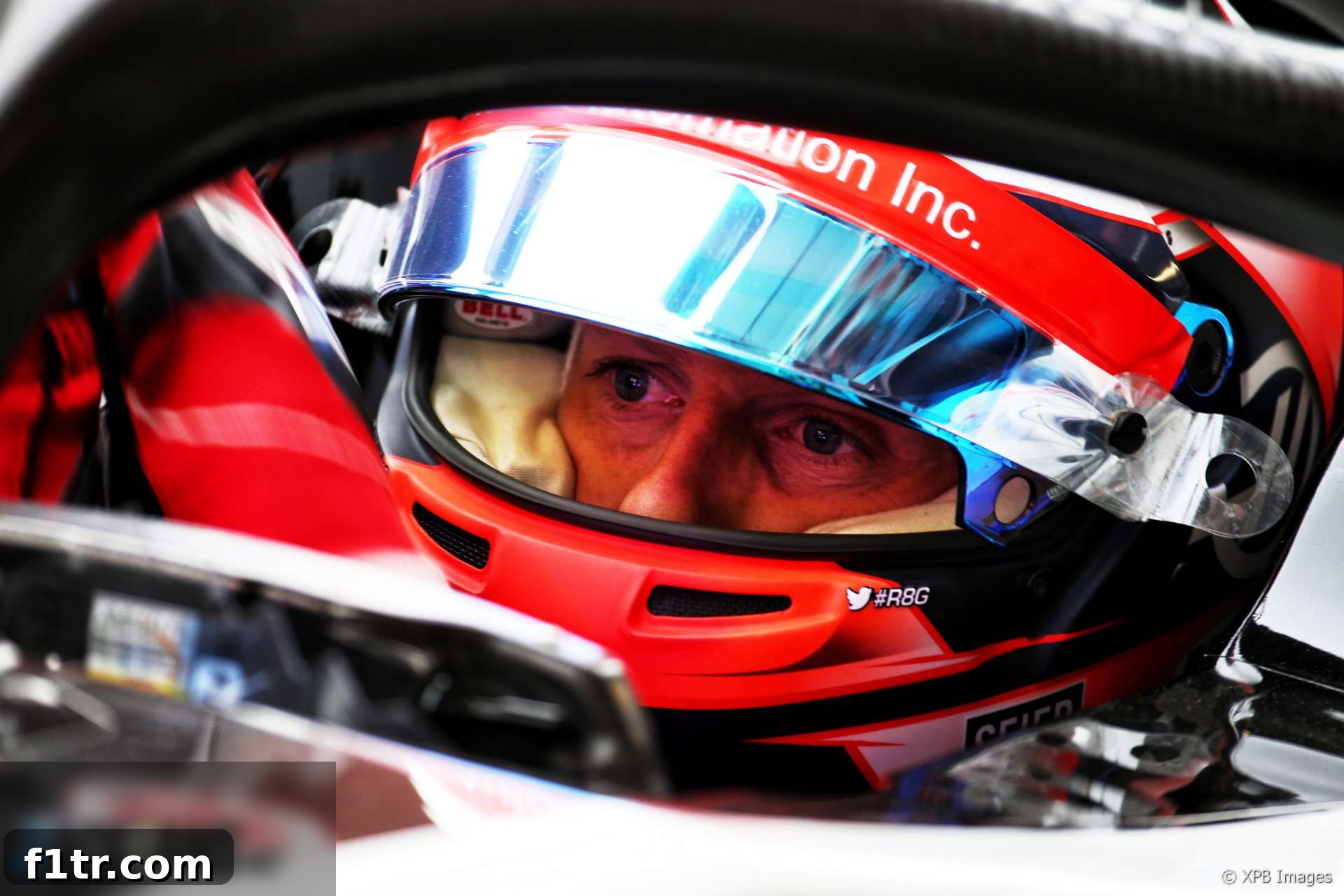
However, for this specific event, the more experienced Romain Grosjean, driving for Haas, appears to be the most favorably positioned to deliver a standout result. Haas has demonstrated impressive pace and consistency throughout the season, particularly at circuits with a mix of fast and medium-speed corners, as seen at the Circuit de Catalunya where they were comfortably ahead of the midfield. At Paul Ricard, with its similar characteristics, Haas will undoubtedly aim to be the ‘best of the rest’ behind the top three teams, giving Grosjean a prime opportunity to shine in front of his home crowd. The motivation of competing in his home Grand Prix, coupled with a competitive car, could elevate his performance to new heights and make him the top French performer.
Red Bull’s Bold Move: A Strategic Masterstroke or a Risky Gamble?
Ahead of its home race, Renault received news that undoubtedly sent ripples through the paddock: Red Bull Racing, its most successful customer team in recent years, had opted to part ways. Red Bull’s decision to forge a new partnership with Honda for the 2019 F1 season and beyond is a fascinating and complex strategic move that raises several critical questions for all parties involved.
The core of the debate centers on whether Red Bull has made the right call by abandoning a race-winning engine package from Renault – an engine that has powered them to multiple victories – in favor of Honda. Honda’s return to Formula 1 has been a tumultuous journey, marked by a challenging three-year stint with McLaren that yielded no podium finishes and often saw them at the back of the grid. Their recent progress with Toro Rosso has been encouraging, demonstrating improved reliability and performance, but they are yet to reach the consistent competitive level of Mercedes, Ferrari, or even Renault.
This decision also prompts a retrospective look at McLaren’s choice to abandon Honda just 12 months prior. Was McLaren’s divorce from Honda too hasty, missing out on the Japanese manufacturer’s eventual improvements? Or did they correctly identify a long-term misalignment that would have continued to hinder their ambitions? Red Bull’s calculated risk underscores the intricate balance between proven performance, potential for future development, and the desire for a bespoke partnership. The implications for both Red Bull and Honda are immense, potentially altering the competitive landscape of Formula 1 in the coming seasons, while Renault must now regroup and focus on its own works team development without its primary customer.
The Mistral Chicane: Enhancing Racing or Diminishing Spectacle?
The Circuit Paul Ricard, known for its distinctive blue and red run-off areas and its flat, technical layout, returns to the F1 calendar with some notable modifications. Historically, Formula 1 cars last tackled the full, screamingly fast Mistral straight in 1985. The turbo-powered machines of that era were already covering its vast length in a blink, but the decision to shorten the circuit configuration in later years was tragically influenced by a horrific testing crash that claimed the life of Elio de Angelis.
For its much-anticipated return, the championship is reverting to a longer configuration of the track, aiming to provide a more comprehensive challenge. However, this return is not without its modern tweaks. While the high-speed Verrerie S-bend, where De Angelis’s accident occurred, still exists, a tighter, more controlled version of this corner will be used for the F1 race. More significantly, cars will not experience the mighty Mistral straight in its original, uninterrupted glory. Instead, a chicane has been strategically placed to break up its immense length, primarily to manage speeds and prevent an excessively high-speed arrival at the notoriously quick Signes right-hander.
The addition of the Mistral chicane has sparked considerable debate within the F1 community. While it addresses safety concerns and could theoretically create new overtaking zones, the jury is still out on whether this specific configuration will genuinely promote exciting, wheel-to-wheel racing. Evidence from other racing series that have utilized this configuration at Paul Ricard has not always been overwhelmingly encouraging. What is clear, however, is that the chicane will inevitably diminish the raw spectacle of cars hurtling down the Mistral straight before bravely tackling the iconic Signes corner at breathtaking speed, a moment that defined the circuit’s original character. Striking the right balance between safety, spectacle, and competitive racing remains a perpetual challenge for circuit designers.
Navigating Paul Ricard’s Unique Track Limits Challenge
Paul Ricard’s unique design philosophy presents a distinctive challenge for Formula 1 drivers, particularly concerning track limits. Several years after the French Grand Prix initially departed the venue, the circuit was acquired by Bernie Ecclestone and underwent a significant redevelopment, transforming it into a dedicated testing track. A primary objective of this renovation was to minimize damage to machinery, leading to the innovative conversion of the entire run-off area into a sealed, asphalt surface.
This redevelopment introduced Paul Ricard’s signature colored run-offs: blue areas designed to slow cars moderately, and red areas intended to significantly impede speed if a driver ran wide. The intention was to punish mistakes by increasing wear on tires and potentially compromising car performance, rather than risking damage in gravel traps. However, since the circuit resumed hosting competitive racing, the familiar problems associated with extensive asphalt run-offs have persisted. Drivers, ever keen to exploit every millisecond and millimeter, have found that these surfaces can inadvertently encourage ‘track-cutting’ or ‘extending’ corners to gain a marginal advantage.
The absence of traditional gravel traps or grass means there’s less of a natural deterrent for exceeding track boundaries. This design often leads to a tricky situation for race stewards, who must diligently monitor and enforce track limits, especially at critical corners. The question of whether drivers can be effectively deterred from exploiting these run-off areas to gain an unfair advantage is a recurrent issue. This will undoubtedly be a key area of focus for race control throughout the French Grand Prix weekend, as they aim to maintain fair play and prevent controversy over illicit gains made beyond the white lines.
Can Mercedes Reassert Dominance and Regain Momentum?
The 2018 Formula 1 season has been a captivating battleground, showcasing a compelling shift away from the era of Mercedes’ absolute dominance. The “all-conquering Mercedes” of previous years has faced formidable challenges, demonstrating that their supremacy is no longer a given. At the high-speed straights of the Circuit Gilles Villeneuve, Ferrari’s power advantage became evident, making their car the preferred package. Conversely, around the tight, technical twists and turns of Monte Carlo, it was Red Bull that clearly held the upper hand, showcasing superior aerodynamic efficiency and chassis performance in slow-speed corners.
This leaves Mercedes occupying a crucial middle ground. If their W09 chassis truly represents the best compromise between the extreme characteristics suited to Ferrari’s power or Red Bull’s downforce, then Paul Ricard should theoretically play directly into their strengths. The circuit offers a comprehensive range of corner types: slow hairpins, medium-speed chicanes, and fast, sweeping turns, all complemented by a decent-length straight. This diverse layout demands a car that is well-balanced across all performance metrics, which Mercedes often claims to possess.
Adding another layer of complexity and potential advantage for Mercedes is the track’s new surface. Paul Ricard has recently been resurfaced with the same asphalt composition used at the Circuit de Catalunya. Significantly, Pirelli will bring its reduced tread rubber compound to France, the very same specification utilized in Spain. It was at the Spanish Grand Prix where Mercedes achieved their only one-two finish of the season so far, hinting at a favorable synergy between their car, this specific tire compound, and the asphalt. This confluence of factors could provide Mercedes with the initiative they need to regain their championship momentum and deliver a strong performance at the French Grand Prix.
Addressing the Paul Ricard Traffic Conundrum
Beyond the technical intricacies of the circuit and the on-track battles, the French Grand Prix faces a significant logistical challenge that could impact the overall experience for spectators: traffic. Paul Ricard has, for many years, carried a reputation for poor access routes for fans, a critical concern for any major sporting event. This isn’t the kind of ‘traffic’ that elicits frustrated screams of ‘blue flags’ from Sebastian Vettel over the radio; rather, it refers to the real-world congestion that can turn a day at the races into a logistical nightmare.
Recognizing the historical issues and the immense importance of a positive fan experience for the successful revival of the event, the race promoters have proactively addressed these concerns. As early as January, they confirmed to RaceFans that extensive efforts were underway to improve access for the projected 65,000 spectators expected to descend upon the circuit on race day. This includes detailed planning for road networks, parking facilities, shuttle services, and public transport options to ensure a smoother flow of traffic both to and from the circuit.
The success of these logistical improvements will be a key factor in determining the overall perception of the French Grand Prix’s return. A smooth, hassle-free arrival and departure for fans is paramount not only for their immediate enjoyment but also for securing the event’s long-term future on the F1 calendar. Hopefully, the promoters’ diligent work has paid off, allowing fans to focus solely on the thrilling action on track rather than the frustrations of getting there.
The 2018 Season So Far: A Glimpse at the Action
The 2018 Formula 1 season has delivered a compelling narrative filled with unexpected twists and standout performances. As the teams head to Paul Ricard, it’s worth reflecting on how the championship has unfolded across the first seven races, providing context to the form guide and individual brilliance witnessed thus far.
Rate the Race
Fans have keenly evaluated each Grand Prix, offering their perspectives on the quality and excitement of the racing.
| Race | Average score |
|---|---|
| 2018 Australian Grand Prix | 6.096 |
| 2018 Bahrain Grand Prix | 8.322 |
| 2018 Chinese Grand Prix | 8.616 |
| 2018 Azerbaijan Grand Prix | 8.536 |
| 2018 Spanish Grand Prix | 4.811 |
| 2018 Monaco Grand Prix | 5.088 |
| 2018 Canadian Grand Prix | 4.243 |
Driver of the Weekend
Each race has seen a particular driver rise above the competition, earning the accolades from fans for their outstanding performance.
| Race | DOTW winner | Votes |
|---|---|---|
| 2018 Australian Grand Prix | Kevin Magnussen | 29.6% |
| 2018 Bahrain Grand Prix | Pierre Gasly | 56.7% |
| 2018 Chinese Grand Prix | Daniel Ricciardo | 67.4% |
| 2018 Azerbaijan Grand Prix | Charles Leclerc | 42.9% |
| 2018 Spanish Grand Prix | Lewis Hamilton | 50.7% |
| 2018 Monaco Grand Prix | Daniel Ricciardo | 85.5% |
| 2018 Canadian Grand Prix | Sebastian Vettel | 54.4% |
Engage with the French Grand Prix: Your Thoughts and Predictions
The highly anticipated return of the French Grand Prix at Paul Ricard is set to ignite passion and discussion among Formula 1 enthusiasts worldwide. If you’re planning to attend this historic weekend in France, we want to hear from you! Share your experiences, expectations, and any insights you might have about the event.
Beyond the personal experience, the race itself presents a fascinating challenge for teams and drivers. Who do you believe will be the team to beat at the Circuit Paul Ricard? Will Mercedes leverage its Spanish Grand Prix success, or will Ferrari and Red Bull find their stride on this unique circuit? We encourage you to cast your vote and share your opinions in the comments section below, fostering a vibrant community discussion.
- Are you attending the 2018 French Grand Prix at Paul Ricard? Share your plans!
And for those with a keen eye for predictions, don’t miss out on the opportunity to test your forecasting skills. You can submit and even refine your predictions for this weekend’s race right up until the commencement of qualifying sessions:
- Participate in the RaceFans Predictions Championship now!
Further Insights into the 2018 French Grand Prix
For more in-depth analysis and coverage of the French Grand Prix, explore our comprehensive collection of articles:
- Hamilton has now won at every track on the F1 calendar
- 2018 French Grand Prix Star Performers
- Hamilton regains points lead in F1’s forgettable return to France
- Top ten pictures from the 2018 French Grand Prix
- Woeful organisation spoils F1’s return to France
Browse all 2018 French Grand Prix articles