Istanbul Park Track Surface Revamped for Enhanced F1 Grip Ahead of Turkish Grand Prix
Istanbul Park, the acclaimed circuit in Turkey, has undergone a significant track surface treatment aimed at dramatically improving grip levels for the upcoming round of the Formula 1 championship. This crucial intervention comes in direct response to the widespread issues and driver criticisms regarding the extremely slippery conditions encountered during F1’s return to the venue in 2020, promising a fundamentally different and more competitive racing environment this season.
Addressing the Grip Conundrum: Istanbul Park’s Proactive Steps for the Turkish Grand Prix
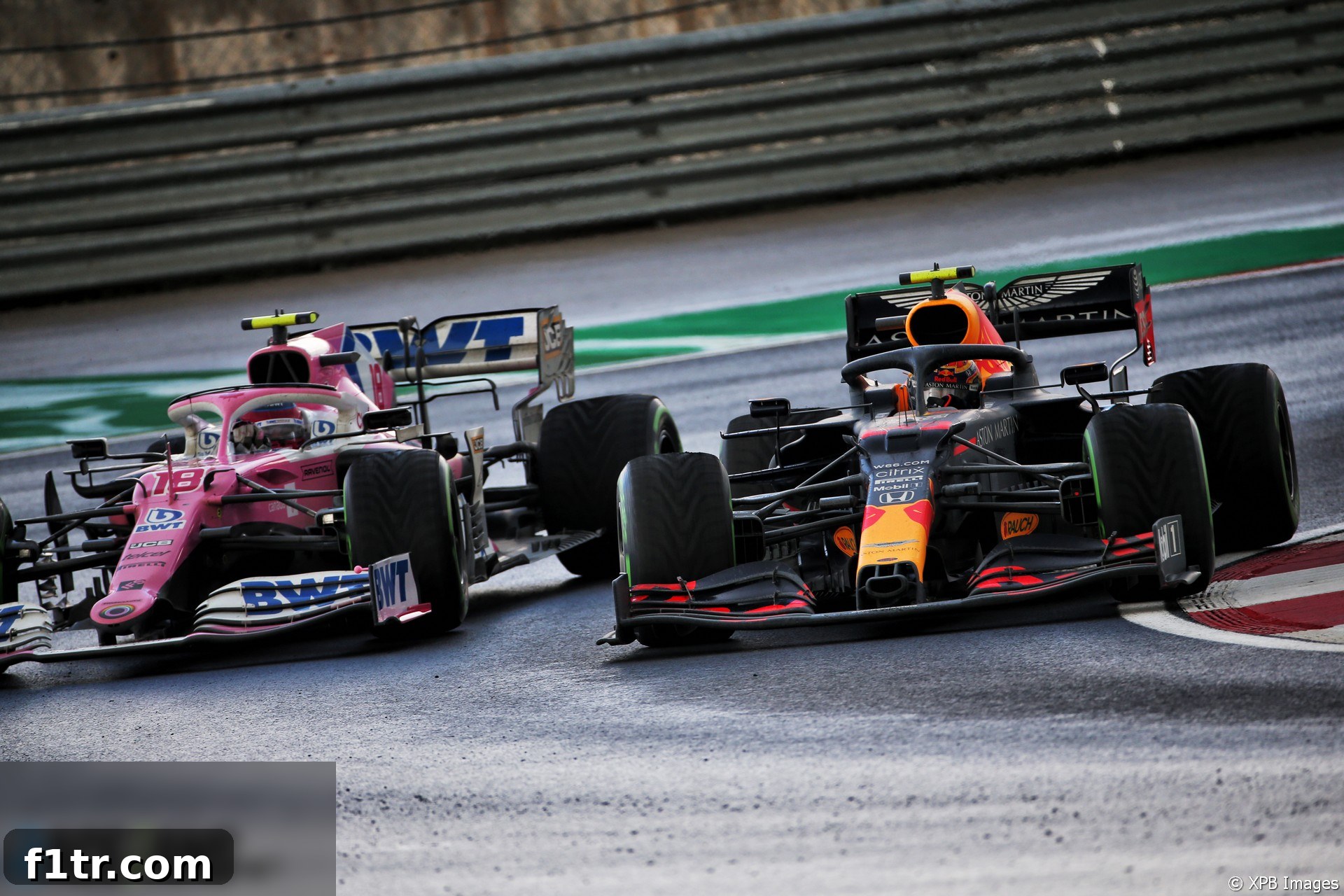
The decision to implement a comprehensive surface treatment underscores the commitment to ensuring optimal racing conditions, a stark contrast to the challenges that defined the 2020 Turkish Grand Prix. That race, while ultimately memorable for Lewis Hamilton securing his record-equaling seventh world championship, was largely overshadowed by persistent complaints from drivers about the newly laid asphalt. The unfortunate confluence of a fresh, ‘green’ track surface that hadn’t properly matured, coupled with cold ambient temperatures and intermittent rain, transformed the formidable 5.338-kilometer circuit into an unexpectedly treacherous proving ground, leading to a spectacle of sliding cars and an extreme degree of difficulty even for the sport’s most skilled competitors.
The critical feedback emanating from the paddock last year highlighted the pressing need for immediate action. Drivers reported immense difficulty in generating and maintaining sufficient heat in their Pirelli tyres, which made braking zones perilous, acceleration out of corners a constant battle against traction loss, and overall car control a delicate balancing act. This compromised not only peak performance but also raised significant safety concerns, prompting both the circuit management and the sport’s governing body, the FIA, to seek and implement effective remedial solutions well in advance of the new season’s visit.
The 2020 Turkish Grand Prix: A Slippery Return to the Calendar
Formula 1’s eagerly anticipated return to Istanbul Park in 2020, following a nine-year hiatus, initially generated immense excitement among fans and teams alike. However, this enthusiasm quickly gave way to frustration due to the unforeseen challenges presented by the circuit’s surface. The track had been entirely resurfaced in the weeks leading up to the event, a common and often necessary practice for many venues to ensure longevity and provide a pristine racing canvas. Regrettably, the late completion of this critical work meant the new asphalt did not have adequate time to ‘bed in’ or mature naturally. Freshly laid tarmac typically contains a higher concentration of bitumen, a smooth, oily binder that requires time and vehicle traffic to wear away, thereby exposing the coarser aggregate beneath, which is essential for maximizing mechanical grip.
Compounding this inherent lack of grip were the prevailing weather conditions. Persistent cold temperatures throughout the race weekend hindered the tyres’ ability to reach their optimal operating window, further exacerbating the problem. When rain showers descended upon the circuit, the situation deteriorated dramatically, transforming an already tricky surface into one that many seasoned drivers candidly likened to driving on an ice rink. Lewis Hamilton, despite his eventual masterful drive to victory, was among those who voiced strong opinions, describing the conditions as “absolutely terrifying” and requiring exceptional delicacy. Other drivers, including Max Verstappen and Charles Leclerc, echoed these sentiments, highlighting the extreme difficulty in navigating corners, managing tyre temperatures, and maintaining any semblance of control over their high-powered machinery.
The unique and demanding nature of Istanbul Park, renowned for its high-speed, multi-apex corners such as the iconic Turn 8, typically requires immense levels of grip. Yet, in 2020, this celebrated corner became a major headache, with cars constantly running wide or struggling for stability at high speeds. The experience served as a potent and unforgettable reminder of just how critical track surface characteristics are to the F1 racing spectacle, influencing every aspect from lap times and race strategies to tyre degradation and fundamental driver confidence.
Introducing “Water Blasting”: A Proven Solution for Enhanced Grip
To directly address and rectify the grip deficiencies encountered last year, Istanbul Park has implemented a sophisticated “water blasting” treatment for its track surface. This method, as explained by F1 Race Director Michael Masi, is a well-established and proven technique successfully utilized at other high-profile motorsport venues, most notably the Marina Bay Street Circuit in Singapore. Water blasting involves the application of high-pressure water jets to meticulously clean and micro-roughen the asphalt surface of the circuit.
The scientific principle behind the process is quite effective: the high-pressure water works to strip away the topmost layer of excess bitumen and any accumulated contaminants, which often smooth out the surface. This action exposes the coarser aggregate particles embedded within the asphalt. The result is a significantly more abrasive texture, which in turn dramatically increases the mechanical grip between the tyre rubber and the track surface. Unlike more aggressive abrasive methods that could potentially damage the asphalt structure, water blasting is a precise, non-invasive, and environmentally conscious way to rejuvenate the surface and optimize its friction coefficient. This technique is particularly well-suited for circuits that undergo frequent resurfacing or for venues, such as temporary street circuits, where the surface can accumulate road grime and lose its optimal grip characteristics over time due to regular public use.
Michael Masi further elaborated on the specific implementation, confirming, “The surface in Turkey has been effectively water-blasted, that probably would be the best way to put it. This is a regular treatment that happens, we’ve seen it regularly used in Singapore as an example where the public roads that are used, they resurface quite regularly because of the movement. So that’s what’s happened there, along with a few other changes.” This statement clearly underscores the FIA’s confidence in the efficacy of the technique and its proven track record in preparing circuits for the extreme demands of Formula 1 racing. The “few other changes” mentioned likely refer to minor safety upgrades or infrastructure adjustments that are routinely performed at circuits to meet evolving FIA safety standards and operational requirements.
The Science of Grip: Why it Matters Profoundly in Formula 1
Grip is arguably the single most critical factor underpinning Formula 1 performance. It fundamentally refers to the total friction force generated between the racing tyres and the track surface, which is the sole mechanism allowing a car to accelerate, brake, and corner effectively at the incredible speeds seen in F1. In the realm of Formula 1, grip is primarily achieved through two distinct yet complementary mechanisms: mechanical grip and aerodynamic grip.
Mechanical grip is intrinsically linked to the tyre compound itself, the tyre construction and sidewall stiffness, the suspension geometry and setup, and, most crucially for this discussion, the track surface’s texture and friction characteristics. A rougher, more abrasive surface provides a greater degree of mechanical interlock with the soft tyre rubber, thereby significantly increasing traction. This fundamental principle is precisely what the water blasting treatment at Istanbul Park aims to enhance and optimize. Aerodynamic grip, conversely, is generated by the car’s intricately designed wings, diffusers, and overall bodywork, which create downforce that presses the car down onto the track. This increases the normal force, and consequently, the potential for friction and higher cornering speeds.
Without sufficient grip, Formula 1 cars become notoriously difficult, if not impossible, to drive at their limit. Drivers struggle to effectively put down the immense power generated by their sophisticated hybrid engines, leading to excessive wheelspin and wasted energy. Braking distances increase dramatically, requiring earlier and far gentler applications of the brake pedal, which compromises lap time. Cornering speeds are severely reduced, as the cars simply cannot generate the necessary lateral forces to maintain adhesion at high velocity. Furthermore, a lack of grip also profoundly impacts tyre performance, making it exceedingly challenging to bring the tyres into their optimal temperature window, where they provide their maximum adhesion and consistency. This delicate and complex balance between tyre temperature, compound selection, and track surface characteristics is often the defining factor between a team’s success or failure during a high-stakes race weekend.
F1’s Regulatory Oversight and Proactive Circuit Maintenance Protocol
The Formula 1 governing body, the FIA (Fédération Internationale de l’Automobile), through its Race Director Michael Masi and his dedicated team, maintains a rigorous and continuous oversight of all circuits scheduled on the global F1 calendar. A critical part of this overarching responsibility involves regularly communicating any significant changes, upgrades, or remedial actions to the competing teams. Masi explicitly confirmed this standard operating procedure, stating, “We do regularly, each season, send an update to the teams of any circuit changes for upcoming events, be they barriers, fences, gates, whatever it may be, areas of resurfacing.” This meticulous communication ensures that all teams are fully informed well in advance and can accurately adjust their sophisticated simulations, car setups, and race strategies accordingly.
The FIA’s proactive and unwavering approach to circuit maintenance and safety is of paramount importance within the sport. Every circuit aspiring to host a Formula 1 Grand Prix must first meet and subsequently continuously uphold stringent Grade 1 standards, and constant evaluation is conducted to ensure these elevated standards are consistently met. The issues experienced at Istanbul Park in 2020 served as a valuable and impactful learning experience for all involved, reinforcing the absolute importance of proper track preparation and the necessity for timely intervention when track surface characteristics are found to be suboptimal. The swift and decisive action to implement the water blasting technique demonstrates the exemplary collaborative effort between the circuit management and the FIA to guarantee both paramount driver safety and an exciting, fair racing spectacle for fans worldwide.
Such comprehensive track treatments are not isolated incidents but rather an integral part of a broader, continuous commitment to optimizing racing conditions across the entire F1 calendar. Circuits are inherently dynamic environments, constantly subjected to natural wear and tear, varying weather conditions, and intense usage. Therefore, regular, informed maintenance, leveraging advanced techniques like water blasting, is absolutely crucial for preserving the integrity, performance potential, and safety of these world-class motorsport venues. This ongoing, dedicated effort ensures that every Grand Prix provides a fair, challenging, and exhilarating test for the pinnacle of motorsport.
Anticipating the 2021 Turkish Grand Prix: A Transformed Challenge Awaits
With the track surface at Istanbul Park now meticulously treated and boasting significantly enhanced grip, anticipation is rapidly building for the upcoming Turkish Grand Prix. Drivers, engineers, and teams alike will be incredibly keen to experience the transformed circuit. The improved grip levels are widely expected to restore Istanbul Park to its intended and celebrated character: a fast, flowing, and technically demanding circuit originally designed by the renowned German architect Hermann Tilke.
The iconic Turn 8, a sweeping, high-speed left-hander comprising four distinct apexes, will undoubtedly regain its fearsome and revered reputation. With increased grip, drivers will be empowered to push much harder through this challenging corner, subjecting themselves and their cutting-edge cars to immense G-forces, thereby showcasing the incredible capabilities of modern F1 machinery. This enhancement is projected to lead to faster overall lap times, more consistent tyre performance throughout longer stints, and potentially a greater variety of strategic choices in the race itself.
The fundamental change in the surface characteristics will also profoundly impact tyre selection, management, and degradation patterns. Teams will likely find it considerably easier to manage tyre temperatures, leading to less overheating and blistering, and consequently allowing for longer stints on a given compound or more aggressive pushing when required. This strategic flexibility could open up various tactical avenues, making the race a fascinating and unpredictable battle of minds and machinery. The inherent challenge of Istanbul Park, combined with its high-speed layout and now significantly improved grip, promises to deliver a truly captivating and memorable Formula 1 event, a dramatic departure from the low-grip drama of 2020.
The Broader Implications for F1 Circuits and Track Evolution
The situation at Istanbul Park and its subsequent proactive resolution highlight a crucial and evolving aspect of modern Formula 1: the relentless and continuous pursuit of optimal track conditions. As F1 cars continue to evolve, becoming ever faster and generating increasing amounts of aerodynamic downforce, the demands placed upon track surfaces also escalate significantly. Circuits must be meticulously maintained and constantly optimized to provide the necessary grip for blistering lap times and dynamic, wheel-to-wheel racing, while simultaneously ensuring the paramount safety of the drivers.
The adoption of advanced and precise techniques like water blasting reflects a global and progressive trend in motorsport venue management. Whether the objective is to rejuvenate an older, beloved heritage circuit or to ensure a newly constructed venue meets the highest possible standards from its inaugural event, track managers are constantly seeking and implementing innovative solutions. This unwavering dedication extends beyond mere grip levels to encompass other critical aspects such as effective drainage systems, precise curbing, and adequate run-off areas, all of which are subject to continuous review, evaluation, and improvement by the FIA’s stringent regulations.
Ultimately, the saga of Istanbul Park’s track surface serves as a compelling microcosm for the entire Formula 1 calendar. Every circuit presents its unique set of challenges, and the sport’s administrators, in close conjunction with circuit owners and operators, are steadfastly committed to ensuring that these challenges are met with the absolute highest standards of preparation, technological application, and operational excellence. The overarching goal remains consistently clear: to deliver thrilling, safe, and fair competition, showcasing the pinnacle of motorsport on tracks that are truly fit for their extraordinary purpose.
A Promising Outlook for the Turkish Grand Prix
With the comprehensive water blasting treatment now successfully completed at Istanbul Park, the stage is impeccably set for a vastly different and undoubtedly more competitive Turkish Grand Prix. The significant efforts made to enhance the track’s grip levels demonstrate a clear and commendable commitment to learning from past experiences and implementing effective, data-driven solutions. F1 fans worldwide can now eagerly anticipate a race where the drivers can truly unleash the full, unbridled potential of their sophisticated machines, pushing the limits on a surface that promises the precision, adhesion, and confidence expected from a world-class Formula 1 circuit.
The impressive transformation of Istanbul Park’s track surface from a notorious slippery challenge to a high-grip arena underscores the dynamic and progressive nature of modern Formula 1 circuit management. This proactive and highly effective intervention ensures that one of the calendar’s most exciting and historically challenging venues is now fully ready to deliver a memorable and captivating spectacle, promising to write a thrilling new chapter in the ongoing Formula 1 championship battle.