Mercedes-AMG Unveils Cutting-Edge Safety and Medical Cars for the New Formula 1 Season

As the Formula 1 season roars into action, Mercedes-AMG proudly announces the introduction of its latest, most powerful safety and medical cars. These state-of-the-art vehicles underscore Mercedes-AMG’s unwavering commitment to safety and high performance on the global motorsport stage. Replacing their already impressive predecessors, these new models elevate the standards for intervention vehicles in one of the world’s most demanding sports, ensuring maximum safety for drivers while maintaining the critical pace required during challenging race conditions.
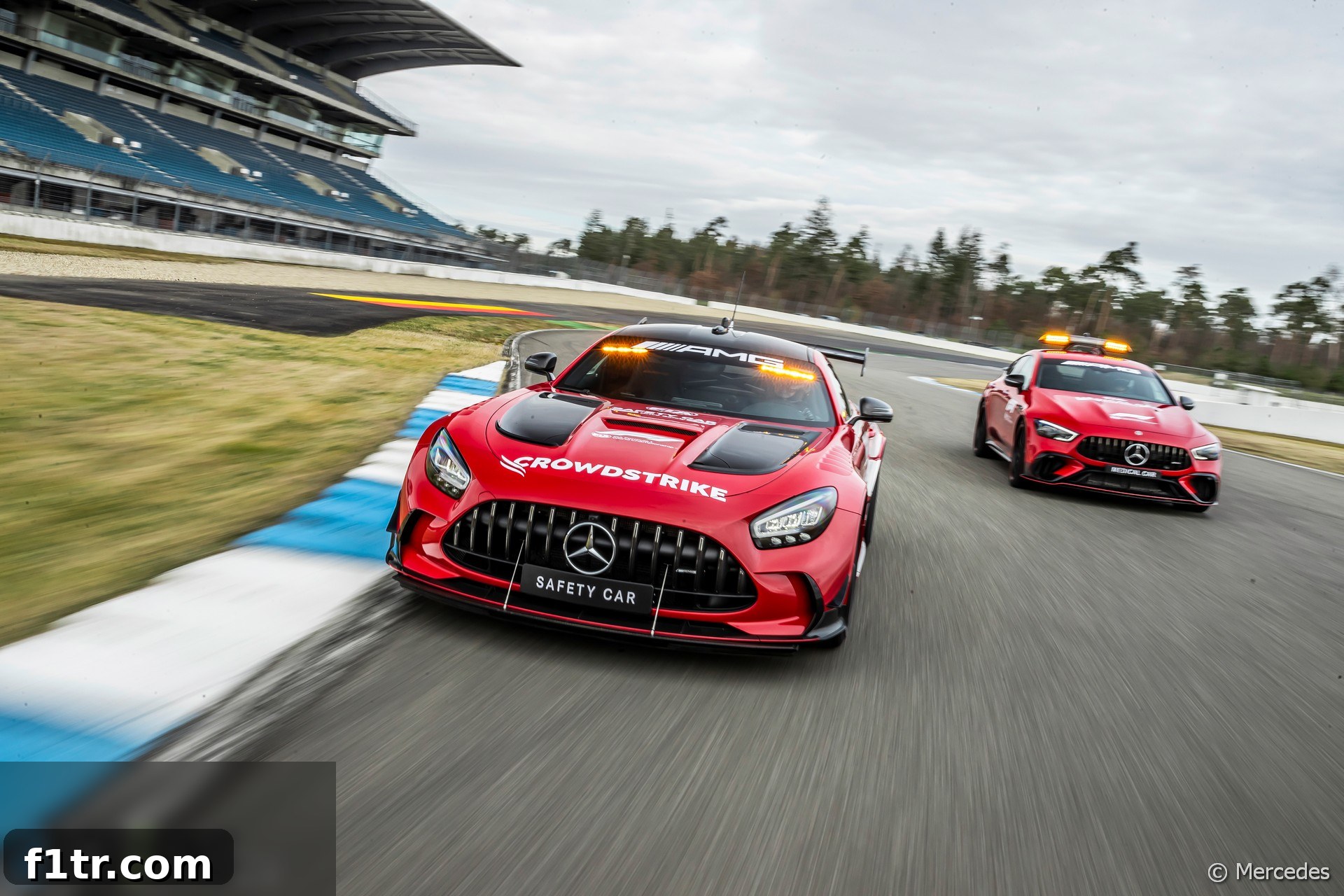
The highly anticipated 2022 season will see a significant upgrade in the official FIA Safety Car, with the potent Mercedes-AMG GT Black Series taking over from the revered AMG GT R. This change represents a substantial leap in performance and technological sophistication. Similarly, the crucial role of the Medical Car, previously held by the C 63 S Estate, will now be entrusted to the dynamic Mercedes-AMG GT 63 S 4Matic+. Both vehicles are direct descendants from Mercedes-AMG’s elite performance line, a testament to the brand’s dedication to integrating track-bred technology into its production vehicles and reinforcing its strong ties with the Mercedes-AMG Petronas F1 Team.
The Evolution of Speed and Safety: Introducing the New Mercedes-AMG Guardians
The choice of the AMG GT Black Series as the new Formula 1 Safety Car is a clear statement of intent. Known for its extreme performance, uncompromised aerodynamics, and formidable powertrain, the Black Series variant is designed to be the closest production car to a race car. This makes it an ideal candidate to lead the pack of Formula 1 machines when incidents occur, ensuring the racing tires of F1 cars do not cool down excessively and maintaining sufficient pace for the drivers to keep their concentration. Its aggressive styling and track-focused engineering signify a vehicle that means business, offering unparalleled responsiveness and stability under pressure.
Powering the AMG GT Black Series is a formidable 4.0-liter V8 biturbo engine, delivering a staggering 730 bhp (brake horsepower). This allows the safety car to achieve an astonishing top speed of 325 km/h (201 mph), ensuring it can react swiftly and lead the field at a pace that keeps the high-performance F1 cars primed for racing resumption. Its predecessor, the AMG GT R, was already considered an exceptional machine, but the Black Series pushes the boundaries further, offering enhanced grip, more precise handling, and even greater straight-line speed. These attributes are vital for a vehicle tasked with controlling the world’s fastest race cars, as any lag in performance could compromise the delicate balance of the race during a safety car period.
For the critical role of the Medical Car, Mercedes-AMG has selected the GT 63 S 4Matic+. This powerful four-door coupé offers a blend of performance and practicality essential for carrying medical personnel and equipment. With its 4.0-liter V8 biturbo engine producing 639 bhp and a top speed of 315 km/h (195 mph), the GT 63 S 4Matic+ ensures that the medical team can reach the scene of an incident with unparalleled speed and efficiency. The “4Matic+” designation highlights its advanced all-wheel-drive system, providing superior traction and stability under all track conditions, which is crucial for quick and safe response during emergencies. Its spacious interior, compared to a two-door sports car, also allows for essential medical equipment and multiple personnel, making it a perfectly balanced choice for this life-saving mission.
Aerodynamic Brilliance and Innovative Lighting Solutions
One of the most notable distinctions of the new AMG GT Black Series Safety Car is its ingenious approach to emergency lighting. Unlike previous safety cars, which typically featured a prominent light bar mounted on the roof, the Black Series foregoes this traditional setup. Mercedes-AMG engineers determined that a conventional light bar would significantly interfere with the car’s intricate aerodynamics, potentially compromising its ability to maintain the blistering pace required to keep Formula 1 tires warm. This is a critical factor, as F1 cars need to maintain a certain tire temperature to perform optimally and safely when racing resumes; any substantial drop could lead to significant grip loss and potential accidents once the safety car pulls in.
Instead, the warning lights are now seamlessly integrated into the vehicle’s design. Powerful LED flashing lights are discretely positioned at the top of the windscreen, ensuring visibility from the front, while additional flashing lights are cleverly incorporated into the rear spoiler. This innovative solution maintains the exceptional aerodynamic profile of the AMG GT Black Series, allowing it to cut through the air with minimal drag and maximum downforce. This not only enhances the car’s performance but also presents a cleaner, more integrated aesthetic, demonstrating how Mercedes-AMG meticulously balances form and function in its high-performance vehicles, even for a safety role. The strategic placement ensures maximum visibility for F1 drivers following behind, without disrupting the car’s aerodynamic efficiency, a true testament to intelligent engineering.
Bernd Maylander’s Endorsement: A Driver’s Perspective on Unrivaled Performance
The man who knows the Formula 1 circuits and the demands of the safety car role better than anyone is Bernd Maylander. The veteran F1 Safety Car driver has been at the helm for over two decades, guiding the world’s most elite racing machines through challenging conditions. His insights are invaluable, and his endorsement of the new AMG GT Black Series speaks volumes about its capabilities. Maylander expressed profound admiration for the vehicle, stating, “I’ve already had the chance to test this amazing vehicle many times and I’m simply blown away by how close it is to a thoroughbred race car.” This sentiment from such an experienced professional highlights the exceptional nature of the new safety car.
Maylander elaborated on his experience, highlighting the significant upgrade from its predecessor: “It really is a major step compared to last year’s GT R – which was already at an extremely high level. To have a workplace like this in the name of safety is a dream come true.” His comments underline the fact that the F1 Safety Car is not just a high-performance road car; it must possess characteristics akin to a genuine racing machine to perform its duties effectively. The ability to accelerate rapidly, brake efficiently, and maintain high cornering speeds is paramount for keeping the F1 field bunched up without excessively cooling their tires or brakes. Maylander’s praise confirms that the AMG GT Black Series meets and exceeds these stringent requirements, offering him an unparalleled tool for ensuring driver safety and managing race situations with confidence.
Mercedes-AMG: Bridging the Gap Between Track and Road
The selection of the AMG GT Black Series and GT 63 S 4Matic+ as official F1 intervention vehicles is more than just a logistical update; it’s a powerful demonstration of Mercedes-AMG’s “track-to-road” philosophy. This approach involves a relentless pursuit of performance and technological innovation on the race track, with the lessons learned and advancements made directly influencing the development of their road-going vehicles. Mercedes-AMG has a rich history of leveraging its Formula 1 expertise, particularly from Mercedes-AMG High Performance Powertrains (HPP), to push the boundaries of automotive engineering. This symbiotic relationship ensures that both their racing division and consumer products benefit from cutting-edge research and development.
This synergy is evident in features like advanced hybrid powertrains found in some of Mercedes-AMG’s recent production models, directly borrowing technology and design principles from the cutting-edge hybrid systems that power their championship-winning Formula 1 cars. The performance metrics of these new safety and medical cars – boasting 730 bhp and 639 bhp respectively, with top speeds exceeding 315 km/h – are a testament to this engineering prowess. They are not merely stock cars with flashing lights; they are finely tuned, high-performance machines that represent the pinnacle of Mercedes-AMG’s capabilities, showcasing how close their production models can come to purpose-built racing cars while still offering the comfort and reliability expected from a luxury brand. This transfer of technology benefits not only the high-stakes world of F1 but also everyday driving enthusiasts.
A Shared Responsibility: Mercedes-AMG and Aston Martin
The 2022 Formula 1 season continues the innovative approach introduced last year, with Mercedes-AMG sharing the prestigious responsibility of providing the official safety and medical cars with British luxury sports car manufacturer, Aston Martin. This collaboration brings diversity to the F1 paddock’s support fleet, offering fans a glimpse of different automotive marques performing these critical roles. The partnership highlights a modern era in Formula 1 where top manufacturers showcase their engineering excellence in the service of safety, promoting a sense of camaraderie and shared commitment across the automotive industry.
Aston Martin will continue to deploy its potent Vantage model as its contribution to the Safety Car fleet. The Vantage, known for its agile handling and powerful engine, proved itself capable during the previous season, earning praise for its ability to lead the fast-paced F1 grid. For the Medical Car, Aston Martin will once again provide the luxurious and high-performance DBX SUV, ensuring the medical team has ample space and rapid deployment capabilities across varied track conditions. This shared provision not only adds visual variety but also emphasizes the collective commitment of the automotive industry to supporting the highest standards of safety in motorsport, ensuring comprehensive coverage for every Grand Prix event.
Deployment Schedule: Where and When to See Them
The initial races of the 2022 Formula 1 calendar will feature the newly unveiled Mercedes-AMG vehicles. The Mercedes-AMG GT Black Series Safety Car and the GT 63 S 4Matic+ Medical Car will make their eagerly awaited debut at the Bahrain Grand Prix, followed by an appearance at the Saudi Arabian Grand Prix. These early season events will provide the perfect stage for Mercedes-AMG to showcase the raw power and advanced safety features of their new machines, allowing them to shine on the global stage under the challenging conditions of the opening races.
Following these initial deployments, Aston Martin will take the reins for the Australian Grand Prix in Melbourne, where their Vantage Safety Car and DBX Medical Car will be seen in action for the first time in 2022. For the remainder of the season, the responsibility will be shared between the two manufacturers, with each brand alternating their presence at various Grand Prix events. This rotational schedule ensures that both Mercedes-AMG and Aston Martin have ample opportunity to demonstrate their vehicles’ capabilities throughout the challenging and diverse Formula 1 calendar, providing continuous high-level support for every race weekend.
The Indispensable Role of Safety and Medical Cars in Formula 1
Beyond the impressive statistics and cutting-edge technology, the fundamental importance of the F1 Safety Car and Medical Car cannot be overstated. They are critical components of Formula 1’s comprehensive safety infrastructure, designed to protect drivers, marshals, and spectators alike. When an incident occurs – be it debris on track, a major accident, or adverse weather conditions – the Safety Car is deployed to neutralize the race, allowing marshals to clear the track or attend to incidents without the danger of fast-moving race cars. The ability of the Safety Car to maintain a high pace is crucial to prevent the F1 cars’ tires from losing temperature, which could lead to loss of grip and further incidents once racing resumes. This high-speed capability ensures minimal disruption to the racing spectacle while prioritizing safety.
The Medical Car plays an even more immediate life-saving role. Manned by highly trained FIA medical delegates and local doctors, it follows the racing cars on the first lap of every Grand Prix, ensuring it is immediately on hand should a serious incident occur at the start of the race – often the most chaotic period. Throughout the race, it remains on standby, ready to respond to any emergency anywhere on the track. The speed and agility of the new GT 63 S 4Matic+ Medical Car are therefore paramount, enabling the medical team to reach injured drivers as quickly as humanly possible, where every second can be vital for their well-being and recovery. This immediate access to highly skilled medical professionals, transported by incredibly fast vehicles, is a cornerstone of modern F1 safety protocols.
A Legacy of Safety: The Evolution of F1 Intervention Vehicles
The history of safety cars in Formula 1 reflects the sport’s continuous efforts to enhance safety standards. From rudimentary beginnings, where standard road cars were sometimes pressed into service, to today’s highly specialized, high-performance machines, the evolution has been profound. Early safety car deployments were often met with skepticism, as their inability to maintain sufficient speed would cool down F1 cars’ tires, leading to complaints from drivers. This feedback drove the FIA and manufacturers like Mercedes-AMG to continually improve the performance capabilities of these essential vehicles, transforming them into the powerful tools they are today.
Today’s F1 Safety Cars are purpose-built marvels, capable of speeds and handling characteristics that would rival many sports cars. They are equipped with advanced communication systems and telemetry to ensure seamless coordination with race control. This dedication to continuous improvement ensures that as Formula 1 cars become ever faster and more technologically advanced, the safety infrastructure, including the safety and medical cars, evolves alongside them. The introduction of the AMG GT Black Series and GT 63 S 4Matic+ marks another significant milestone in this ongoing journey, reaffirming Formula 1’s commitment to safety at its core and showcasing the pinnacle of automotive engineering dedicated to saving lives on track.
Conclusion: Mercedes-AMG Sets New Benchmarks for F1 Safety
The unveiling of the Mercedes-AMG GT Black Series as the new F1 Safety Car and the GT 63 S 4Matic+ as the Medical Car signifies more than just a model update; it represents a renewed commitment to safety, performance, and technological excellence in Formula 1. These vehicles embody the pinnacle of Mercedes-AMG engineering, showcasing a seamless transfer of track-developed technologies to road-going cars, while serving a vital function in motorsport. Their unmatched performance capabilities ensure that the highest standards of safety can be maintained even amidst the high-octane drama of Formula 1 racing.
With their immense power, advanced aerodynamics, and driver-focused design, these new Mercedes-AMG machines are poised to play a crucial role in ensuring the smooth and safe running of the 2022 Formula 1 season. Coupled with Aston Martin’s contributions, the F1 paddock is equipped with an unparalleled fleet of intervention vehicles, ready to respond to any challenge the high-stakes world of Formula 1 may present. As the lights go out in Bahrain, fans can be assured that cutting-edge safety and performance are always at the heart of the action, protected by the formidable presence of these Mercedes-AMG guardians, guaranteeing that the spectacle of speed is always balanced with an unwavering dedication to well-being.
A Glimpse of the 2022 F1 Safety and Medical Cars
Related Articles: Insights into the 2021 F1 Season
- Masi ‘basically gifted the championship’ to Verstappen says 2021 FIA steward Sullivan
- Las Vegas race backers looking to extend F1 deal beyond 2025
- Why Mercedes put ‘a reminder of joy and pain’ on display in their factory lobby
- Verdict on error in GT race suggests Mercedes would have lost 2021 Abu Dhabi GP appeal
- Title ‘stolen’ from Mercedes made us ‘underdogs people cheer for’ – Wolff
Browse all 2021 F1 season articles