Toto Wolff Dismisses Racing Point Appeal Fears, Citing F1’s Political Undercurrents
The ongoing saga surrounding Racing Point’s RP20 brake ducts continues to be a hot topic in Formula 1, captivating fans and industry insiders alike. Mercedes team principal Toto Wolff has now weighed in on the contentious issue, expressing his firm belief that the dispute will not escalate to the FIA’s International Court of Appeal (ICA). Wolff’s remarks offer a glimpse into the high-stakes political landscape of Formula 1, suggesting that the protests against Racing Point are driven more by competitive envy than genuine regulatory concern.
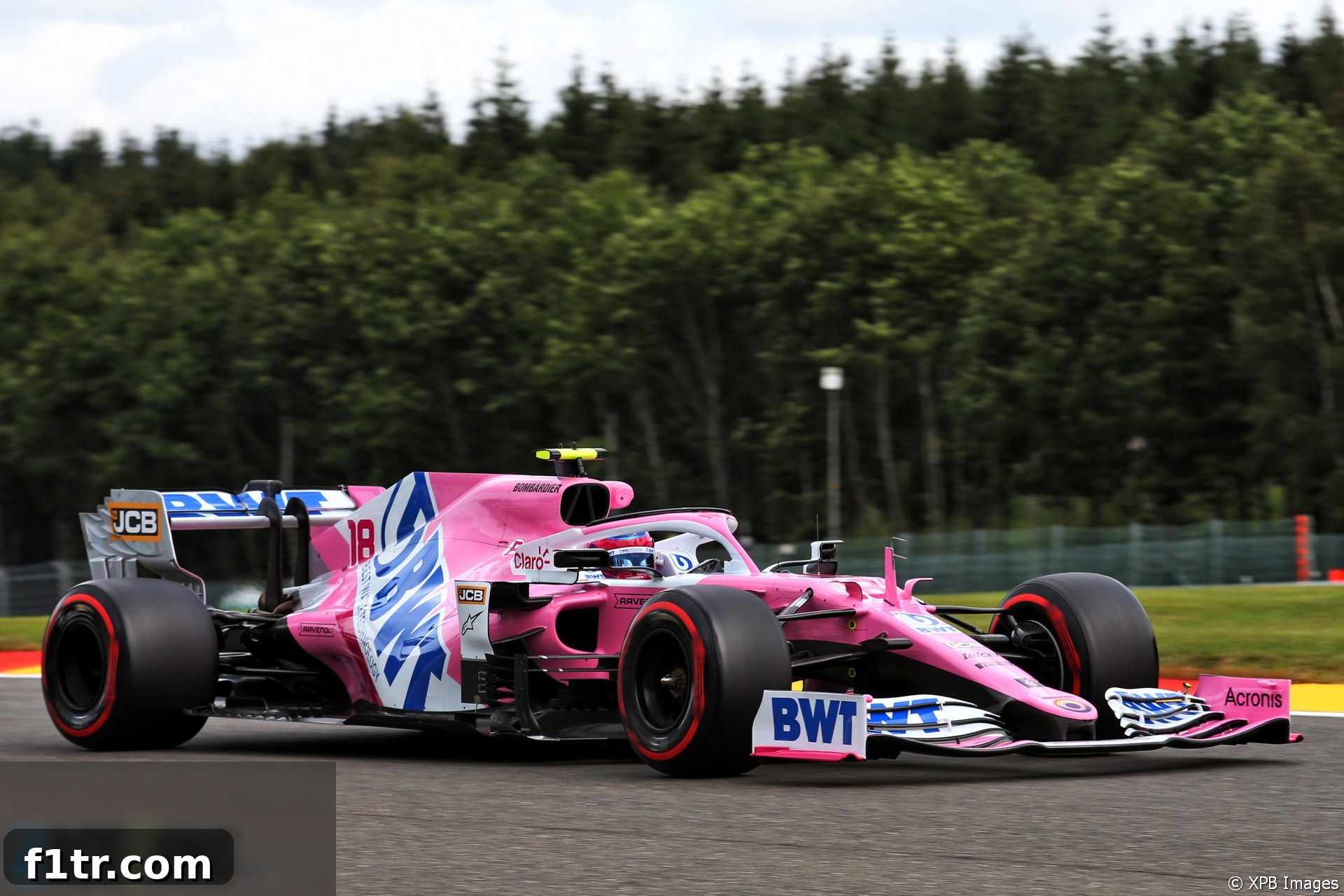
This particular controversy ignited when Racing Point, often dubbed the “Pink Mercedes” due to the striking resemblance of its RP20 car to the championship-winning 2019 Mercedes W10, faced scrutiny over its brake duct design. The FIA stewards ultimately found the team to have contravened certain regulations. Following the initial ruling, three teams – Renault, Ferrari, and Racing Point themselves – lodged formal appeals. However, a significant development occurred when Renault, the original complainant in many instances, announced its withdrawal from the appeal process. This leaves Racing Point and Ferrari as the two remaining parties pursuing the matter further, each with distinct motivations.
The Brake Duct Controversy: A Deep Dive into F1 Regulations
To fully grasp the complexities of the Racing Point controversy, it’s essential to understand the specific technical regulations at play. The crux of the issue revolves around brake ducts, components that were classified as “non-listed parts” in the 2019 season but transitioned to “listed parts” for the 2020 season. This reclassification meant that, from 2020 onwards, teams were required to design and produce these components themselves, without relying on external suppliers or designs from competitors.
Racing Point’s defence has consistently been that they legally acquired the designs for their brake ducts from Mercedes in 2019, when such a transfer was permissible. They argue that they subsequently manufactured these parts themselves for the 2020 season. However, the FIA stewards’ investigation revealed that while the initial design transfer was legal, Racing Point used Mercedes’ intellectual property (IP) beyond the permissible scope once brake ducts became listed parts. Specifically, the stewards found that Racing Point had effectively been supplied with the designs and continued to benefit from the direct IP of Mercedes’ 2019 brake ducts, rather than developing their own compliant design for 2020.
This technicality led to a fine of 400,000 euros and a deduction of 15 constructors’ championship points for Racing Point. The ruling was not a complete condemnation of the team’s car concept, but rather a targeted penalty for a specific aspect of the brake duct acquisition and use. This nuanced decision left room for interpretation and sparked further debate across the paddock, ultimately prompting the appeals from several teams.
Team Dynamics and the Appeal Process: Renault’s Withdrawal, Ferrari’s Persistence
The appeal process itself became a significant story within the controversy. Renault, one of the most vocal critics of the “copying” philosophy and a primary instigator of the initial protests, surprised many by withdrawing its appeal. While the exact reasons for their withdrawal were not fully detailed, it’s widely speculated that Renault felt the initial stewards’ ruling provided sufficient clarification on the boundaries of intellectual property sharing and reverse engineering in F1. Perhaps they achieved their goal of setting a precedent, thereby making further legal action unnecessary and allowing them to focus resources on on-track performance.
In contrast, Ferrari and Racing Point have maintained their appeals. Ferrari’s motivation appears to stem from a deeper concern for the sporting integrity and intellectual property rights within the sport. They, along with other teams like McLaren and Williams, have expressed worries that if Racing Point’s approach is fully validated, it could lead to a ‘copycat’ culture, undermining the efforts of teams that invest heavily in original research and development. Ferrari seeks a more stringent interpretation of the rules and potentially harsher penalties for such infringements, viewing the current sanctions as insufficient to deter future attempts at design replication.
Racing Point, on the other hand, is appealing the decision in an attempt to clear their name and potentially reclaim their lost championship points and fine. They firmly believe they acted within the spirit and letter of the regulations as they understood them, and that their process of acquiring and utilising the Mercedes design was legitimate for the timeframe in question. For them, a successful appeal would vindicate their engineering approach and uphold their reputation.
Toto Wolff’s Assessment: Politics Over Principle
Toto Wolff, a central figure in the F1 paddock and the head of the team that inadvertently supplied the contentious design, has offered a characteristically direct assessment of the situation. He openly views the protests as an extension of Formula 1’s inherent political maneuvering. “I think this is part of the politics and Formula 1,” Wolff told Sky Sports, “It was a little bit of pushing against Racing Point’s performance, which is really outstanding this season.”
Wolff’s perspective suggests that the vigorous challenges to Racing Point’s design are not purely about regulatory compliance. Instead, he implies that rival teams, particularly those struggling to match Racing Point’s unexpected pace, are using the brake duct issue as a proxy to undermine their competitor’s on-track success. The RP20’s performance surge, positioning it frequently as the third-fastest car on the grid and often challenging even the likes of Red Bull, has clearly ruffled feathers among its midfield rivals and even some front-runners.
The Mercedes chief further defended Racing Point’s capabilities, stating, “But it’s not down to a brake duct. I think they’ve done a really good job. And you can see how close they are to us. So I think this is a good group of people that have run in previous years with a low budget, with a tight ship, and this is why they have just closed that gap also to us.” This commentary highlights Wolff’s admiration for Racing Point’s efficiency and engineering prowess, suggesting that their improved performance is a testament to their overall team effort, not just a result of a controversial component.
Wolff’s confidence that the matter will not reach the FIA’s International Court of Appeal (“I don’t expect this to go to the ICA”) points to a belief that a resolution will be found through negotiation, compromise, or clarification before a formal, potentially lengthy, and damaging court hearing. He anticipates a swift resolution, hoping it will be “all hopefully next week,” indicating an desire to move past the distraction and focus on the racing. When asked specifically about Ferrari’s potential to follow Renault’s lead and drop their protest, Wolff remained non-committal, simply stating, “I don’t know.”
The International Court of Appeal and Broader Implications for F1
The International Court of Appeal (ICA) represents the highest judicial authority within the FIA’s sporting structure. Its involvement signifies a full-blown legal battle with potentially far-reaching consequences. Should the Racing Point case proceed to the ICA, it would involve a comprehensive review of all evidence, legal arguments from all parties, and a final, binding judgment. Such a process can be protracted, costly, and cast a shadow over the sport for an extended period. This is precisely what Toto Wolff hopes to avoid, preferring a more expedient resolution.
Beyond the immediate outcome for Racing Point, the controversy holds significant implications for the future of Formula 1. The central debate around “copying” challenges the very definition of intellectual property and design independence in a sport where innovation is paramount. Teams regularly draw inspiration from rivals, but the line between inspiration and direct copying, particularly when using previous-year designs from a sister team, has become blurred.
This saga could shape future regulations regarding “listed parts,” technical partnerships, and the sharing of intellectual property between customer and supplier teams. It emphasizes the need for clearer, unambiguous rules that prevent such grey areas from emerging, especially with the introduction of new financial regulations and a budget cap designed to level the playing field. The FIA and Formula 1 management will undoubtedly be keen to avoid similar disputes in the future, possibly leading to more restrictive rules on design sharing and reverse engineering to protect the integrity of independent constructors.
Ultimately, while Toto Wolff remains optimistic about an early resolution, the Racing Point brake duct controversy has exposed deep fissures within the F1 paddock concerning fair play, innovation, and the spirit of competition. The way this dispute concludes will not only impact Racing Point’s immediate fortunes but also cast a long shadow over how teams design their cars and interact within the fiercely competitive world of Formula 1 for years to come.
2020 F1 season
- Grosjean to make F1 test return tomorrow for first time since Bahrain horror crash
- Pictures: Wrecked chassis from Grosjean’s Bahrain fireball crash to go on display
- Bottas vs Rosberg: Hamilton’s Mercedes team mates compared after 78 races each
- F1 revenues fell by $877 million in Covid-struck 2020 season
- Hamilton and Mercedes finally announce new deal for 2021 season
Browse all 2020 F1 season articles