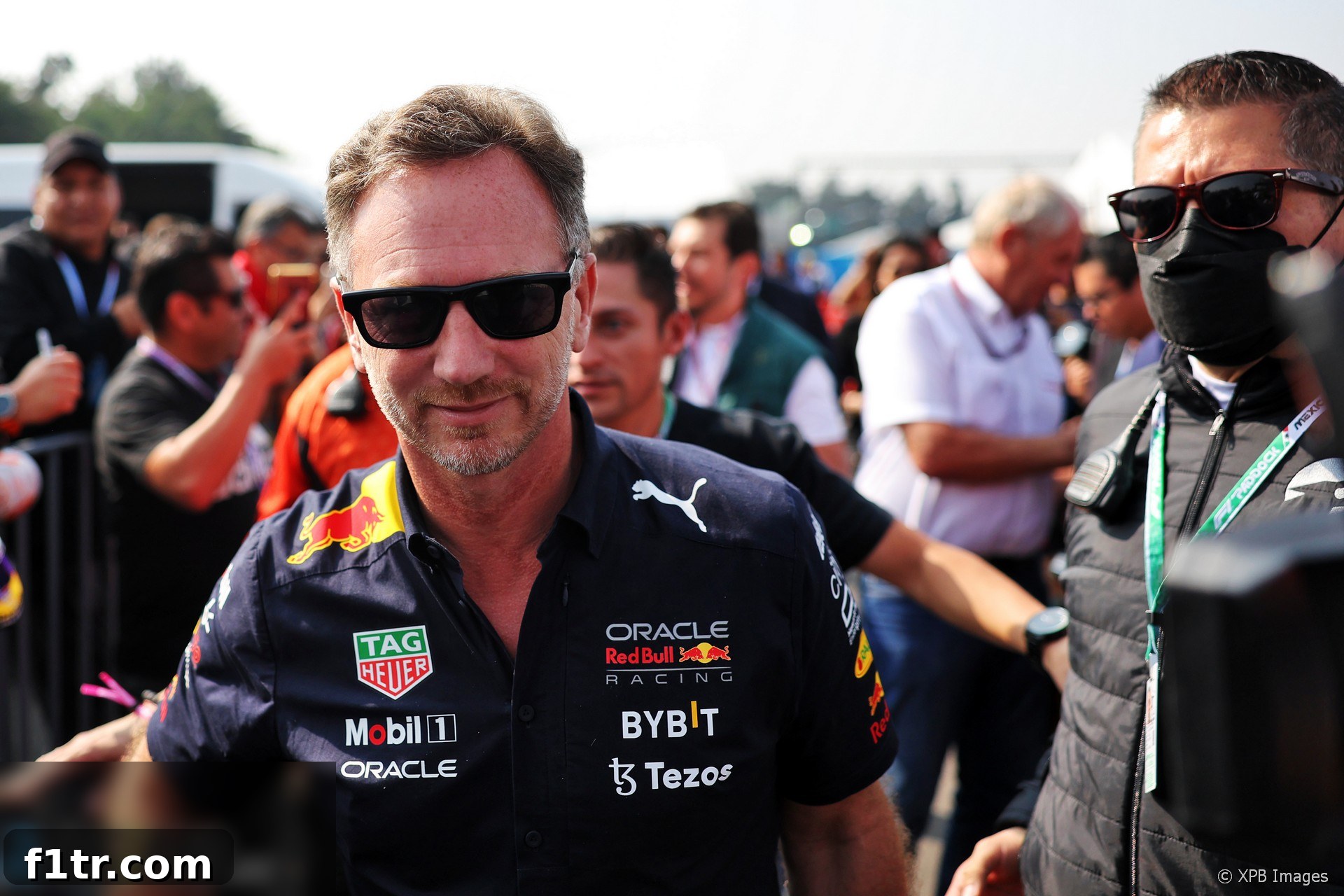
In a controversy that has sent ripples across the Formula 1 paddock, Red Bull Racing faced a substantial penalty from the FIA for breaching the sport’s stringent budget cap during the triumphant 2021 season. Team principal Christian Horner, reacting to the sanctions, vehemently described the $7 million fine and a significant reduction in aerodynamic development time as “draconian,” insisting the team gained no competitive advantage from their overspend. This high-stakes saga underscores the FIA’s commitment to financial regulations and the intense scrutiny teams face in the new era of Formula 1.
Red Bull’s 2021 Budget Cap Breach: A Detailed Look
The highly anticipated details of Red Bull’s Accepted Breach Agreement (ABA) with the FIA were officially unveiled just ahead of the practice sessions for the Mexican Grand Prix. The core of the issue stemmed from Red Bull’s overspend of £1.86 million against the 2021 budget cap, which was set at £118 million for that particular season. This amount, while classified as a ‘Minor Breach’ (less than 5% of the cap), triggered a series of serious repercussions from the sport’s governing body, sparking widespread debate about the integrity and future enforcement of F1’s financial regulations.
The FIA’s Cost Cap Framework and Red Bull’s Infraction
Introduced in 2021, the Formula 1 budget cap was a landmark initiative designed to level the playing field, prevent unlimited spending by wealthier teams, and ensure the long-term sustainability of the sport. It covers most performance-related expenditures, from car development and manufacturing to team personnel salaries (excluding the top three earners and drivers). The FIA’s financial regulations categorize breaches into two types: a ‘Minor Breach’ (an overspend of less than 5% of the cap) and a ‘Material Breach’ (an overspend exceeding 5%). Red Bull’s £1.86 million overspend amounted to approximately 1.6% of the £118 million cap, thus falling into the ‘Minor Breach’ category. However, the subsequent penalties demonstrated that even minor infractions would not be treated lightly.
The FIA’s investigation process into the 2021 financial submissions was extensive, taking considerable time to conclude. Following the Japanese Grand Prix, the FIA offered Red Bull an ABA, which the team ultimately accepted. This agreement allowed Red Bull to avoid a more protracted and potentially harsher tribunal process, but it came with significant concessions and penalties that sent a clear message to the entire grid.
The ‘Draconian’ Penalties: Financial and Sporting Ramifications
The penalties imposed on Red Bull were twofold, encompassing both a severe financial fine and a crucial sporting disadvantage that will directly impact their on-track performance in the upcoming season. Speaking in a conference following the FIA’s announcement, Christian Horner expressed his profound dismay, labeling the $7 million fine as an “enormous” penalty. This substantial sum is payable within a strict 30-day period, putting immediate financial pressure on the championship-winning team.
A Deep Dive into the Sporting Sanction
While the financial penalty grabs headlines, it was the sporting sanction that Horner identified as the more “draconian” aspect. Red Bull will face a 10% reduction in their 2023 wind tunnel and Computational Fluid Dynamics (CFD) aerodynamic testing allowance. This reduction will remain in effect for a full 12-month period, starting immediately. For any Formula 1 team, particularly one operating at the pinnacle of engineering, a reduction in aerodynamic development time is akin to tying one hand behind their back.
Horner was quick to dismiss any notion that this penalty was “insignificant,” a sentiment he heard from some corners of the paddock. “Let me tell you now, that is an enormous amount,” he stated unequivocally. He went on to quantify the potential impact, estimating that the 10% reduction could translate to anywhere between a quarter and half a second per lap time. In the hyper-competitive world of Formula 1, where races are often decided by mere milliseconds, such a deficit represents a monumental challenge for car development and performance.
The impact of this penalty is further compounded by Formula 1’s existing ‘sliding scale’ system for aerodynamic testing. Under this system, the constructors’ champions are already allocated the least amount of wind tunnel and CFD time, with allowances gradually increasing for teams finishing lower down the championship standings. As the reigning constructors’ champions, Red Bull already operated at a 70% aerodynamic testing time coefficient. The additional 10% reduction now brings their allowance down to a mere 63%. To put this into perspective, the team finishing second in the constructors’ championship will enjoy a 75% allowance, while the third-placed team receives even more.
Horner elaborated on this cumulative disadvantage, explaining: “By winning the constructors’ championship, obviously, we become victims of our own success. In addition to that 10%, having 5% incremental disadvantage or handicap compared to the second and third place [teams]. So just for clarity, we will have 15% less wind tunnel time than the second-place team in the constructors’ championship, and 20% less than the third place. Again, a draconian amount. So that 10% put into reality, as I say, will have impacts on our ability to perform on track, next year.” This combined penalty signifies a severe limitation on Red Bull’s capacity to develop and refine their challenger for the 2023 season, potentially impacting not just the immediate future but also laying groundwork for 2024 development.
Christian Horner’s Defense: “Zero Benefit” to Performance
Central to Christian Horner’s impassioned defense was his unwavering assertion that Red Bull’s overspend provided “zero benefit” to the car’s on-track performance in either the 2021 or 2022 seasons, during which they secured both world championship titles. He argued that the £434,000 (part of the larger £1.86 million) amount, which the FIA specifically deemed an overspend, was due to “mitigating factors” rather than direct performance enhancements.
Horner detailed the nature of these disputed costs, explaining that the overspend arose from expenditures related to sick pay and catering, which Red Bull believed were not explicitly covered by the cap. “Now, if we went over because we paid sick pay, if we went over because we paid people that we felt weren’t in the cap in terms of costs within catering, not one penny was spent on the performance of the vehicle. Not one penny was spent on the performance of the car,” Horner emphatically stated. This distinction is crucial to Red Bull’s argument, positioning their breach as an accounting interpretation issue rather than a deliberate attempt to gain an unfair competitive edge through car development.
He further expressed his astonishment that “there were no other teams that have found themselves in this position,” while also commending the “eight of them were fully compliant.” This comment hints at the complexities of interpreting the new financial regulations and the potential for ambiguity in classifying certain expenditures. While acknowledging the oversight, Horner stressed the learning experience for all involved: “I think as I say there’s lessons to learn. Did we see any on-track performance? No, we didn’t. Are there things that we could do better from an accounting perspective? Of course, there’s lessons that have been learned. But not just on our side, I think on all sides.” This statement suggests that Red Bull views the incident as a learning curve for both the team and the FIA in refining the implementation and clarity of the cost cap rules.
Broader Implications and the Future of F1’s Financial Regulations
The Red Bull budget cap breach and the subsequent penalties have profound implications for the sport, extending beyond the immediate impact on one team. The controversy has ignited a wider debate about fairness, transparency, and the effectiveness of the cost cap in achieving its stated goals of promoting competitive balance and sustainability.
The FIA’s firm stance, even on a ‘Minor Breach,’ sets a significant precedent. It signals that the governing body is serious about enforcing these new financial regulations, which are seen as critical to the long-term health and appeal of Formula 1. Had the penalties been perceived as too lenient, it could have undermined the credibility of the entire cost cap system, potentially encouraging other teams to push the boundaries of spending in the future. The robustness of the FIA’s response is, therefore, crucial for maintaining trust and ensuring a level playing field.
For Red Bull, the ramifications are not just financial but strategic. The reduction in aerodynamic testing time forces them to be exceptionally efficient and precise in their development process for the 2023 car. Every wind tunnel run and CFD simulation will need to be meticulously planned to maximize its value. This could lead to more conservative design choices or a greater reliance on early-season data to refine their car, potentially giving rivals an edge in rapid development. The long-term impact on their design philosophy and resource allocation will be closely watched by competitors and analysts alike.
Moreover, the incident has highlighted the intricate nature of financial auditing in a global sport like Formula 1. The challenge lies in harmonizing accounting practices across different teams and nations while ensuring consistent interpretation of the regulations. While Red Bull identified “mitigating factors” around sick pay and catering, other teams evidently classified similar expenditures differently. This suggests an ongoing need for clarity and perhaps more detailed guidelines from the FIA to minimize future ambiguities and ensure all teams operate from the same understanding of what constitutes cap-related spending.
Ultimately, this episode serves as a powerful reminder of the new era of Formula 1, where financial discipline is as critical as engineering prowess. As the sport continues to evolve, the enforcement and refinement of regulations like the budget cap will be key determinants of its competitive landscape and its ability to attract and retain a diverse range of constructors.
2022 Mexican Grand Prix and Related News
- How many victory chances did Hamilton have in his first winless F1 season?
- Delay in producing new parts held up Alfa Romeo upgrade
- Doohan’s practice run earns praise, but Alpine undecided over reserve role
- ‘I was in the fight, which hasn’t been often this year’: Ricciardo’s Mexican GP transcript
- Verstappen “will continue to break records for the rest of his career” – rivals
Browse all 2022 Mexican Grand Prix articles