McLaren’s Strategic Bid for James Key: Charting a Course for Formula 1 Revival
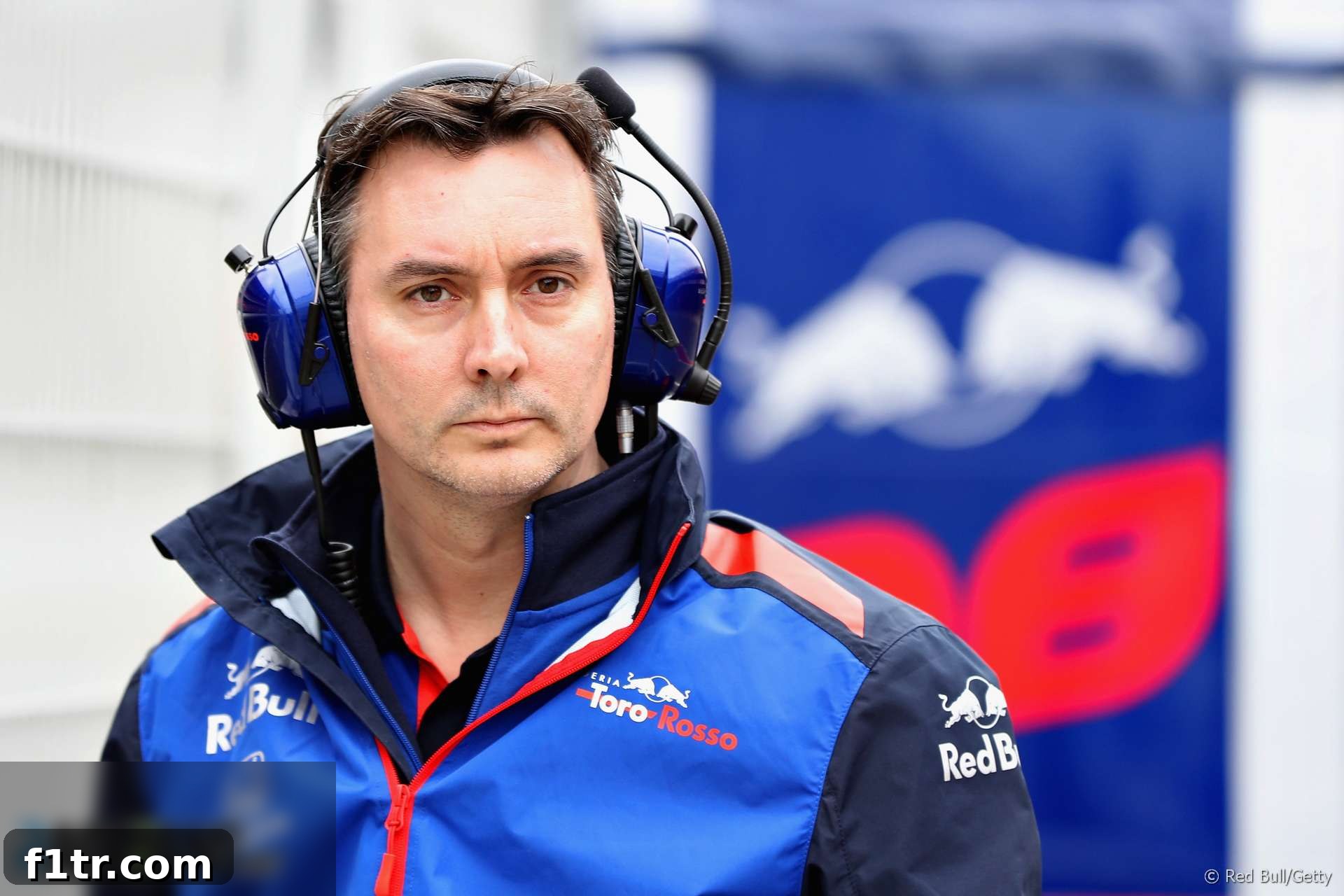
In a clear statement of intent signaling McLaren’s unwavering commitment to reclaim its competitive edge in Formula 1, CEO Zak Brown has openly expressed the team’s readiness to explore all “opportunities” that would facilitate the swift integration of their newly appointed Technical Director, James Key, from Scuderia Toro Rosso. This high-profile move, initially announced ahead of the Hungarian Grand Prix, has sent palpable ripples through the F1 paddock, underscoring McLaren’s aggressive strategy to bolster its technical leadership and engineering prowess for the upcoming seasons.
McLaren, a venerable name in motorsport with an illustrious legacy of world championships, has undeniably endured a challenging period in recent F1 seasons, grappling with inconsistent performance and operational shifts. The Woking-based outfit is now determined to instigate a comprehensive and lasting turnaround, and the recruitment of a highly respected and sought-after figure like James Key is undeniably central to this ambitious vision. Key’s proven track record, innovative approach, and extensive experience are universally seen as vital components in engineering the next generation of competitive McLaren challengers, beginning with the crucial development of the MCL34 for the highly anticipated 2019 Formula 1 season and beyond.
Navigating Contractual Complexities: Toro Rosso’s Stance
The initial announcement of Key’s impending arrival at McLaren was promptly met with a firm and unequivocal response from Toro Rosso Team Principal Franz Tost. Tost wasted no time in clarifying the situation, pointing out that James Key remains under a long-term contractual agreement with the Faenza-based Red Bull junior squad. This immediate pushback from Toro Rosso highlights the inherent complexities and often protracted negotiations involved in transferring key personnel between rival Formula 1 teams, especially when talent of Key’s exceptional caliber is involved. Such contractual disputes are far from uncommon in the highly competitive and talent-driven environment of F1, where engineering brilliance and strategic leadership are as highly prized as raw driving skill.
Despite Toro Rosso’s public assertion of Key’s binding contractual obligations, Zak Brown remains steadfastly confident in McLaren’s position and the ultimate inevitability of Key’s eventual transition to the Woking team. Brown unequivocally stated, “We have hired James Key, he will become our technical director.” While acknowledging the existing agreement with Toro Rosso and emphasizing McLaren’s deep respect for all contractual situations, Brown’s tone conveyed a clear sense of certainty regarding Key’s future, suggesting that McLaren had meticulously accounted for such circumstances in their strategic planning. This unwavering confidence stems from a deep conviction in Key’s capabilities and the transformative impact he is expected to have on McLaren’s technical department and overall car development trajectory.
The Lure of Top Talent: Why James Key is Indispensable for McLaren’s Future
The intensity of McLaren’s pursuit unmistakably underscores James Key’s esteemed and widespread reputation within the Formula 1 community. Brown himself eloquently articulated the widespread recognition of Key’s exceptional talent, noting, “I think Toro Rosso and Red Bull are understandably upset that they’re losing a great talent like James Key. I think he’s recognised as one of the best technical directors up and down pit lane. So we’re very excited to have him join us in due course.” This sentiment is broadly shared across the paddock, where Key is celebrated for his profound understanding of aerodynamics, chassis design, and overall car performance optimization. His previous successful roles at Force India (now Aston Martin F1), Sauber (now Stake F1 Team Kick Sauber), and more recently Toro Rosso, consistently showcased his remarkable ability to extract maximum performance from often limited resources and deliver innovative, competitive technical solutions.
A Technical Director in Formula 1 holds a truly pivotal role, essentially serving as the chief engineer responsible for the overarching design, meticulous development, and ultimate performance of the team’s racing car. They lead a vast and specialized team of engineers, aerodynamicists, and designers, translating the strategic vision of the team into tangible, race-winning machinery. For McLaren, bringing in a Technical Director of Key’s esteemed pedigree is not merely a personnel change; it represents a fundamental and strategic shift in their approach to car development. It’s an effort to re-establish a clear technical direction and innovative edge that has, arguably, been less prominent in recent years. His anticipated arrival is expected to inject fresh ideas, streamline technical processes, and ultimately accelerate McLaren’s journey back to the very front of the grid, challenging for podiums and victories once more.
Become a Supporter & go ad-free
Exploring “Opportunities”: The Dynamic F1 Driver Market and Potential Swaps
Zak Brown’s intriguing mention of “ways and opportunities to change situations” in the high-stakes world of Formula 1 has naturally fueled widespread speculation regarding potential negotiations with Toro Rosso for Key’s early release. One prominent and highly discussed theory revolves around a possible driver-related arrangement, specifically involving McLaren’s highly-rated test and reserve driver, Lando Norris. Toro Rosso has previously expressed considerable interest in Norris, a prodigious young talent who has consistently impressed in junior categories such as Formula 2 and during his various F1 test sessions. Should Red Bull Racing decide, as was widely anticipated, to promote Pierre Gasly to Daniel Ricciardo’s vacant seat for the 2019 F1 season, Toro Rosso would indeed find itself in a critical need of a new driver, making Norris an exceptionally attractive prospect for the junior Red Bull team.
The intricate and often unpredictable web of the Formula 1 driver market frequently presents avenues for such strategic negotiations. Team principals and sporting directors are known to leverage promising driver talent as a potent bargaining chip in broader discussions concerning key personnel transfers, engine supply deals, or other technical arrangements. While Brown prudently refrained from confirming any specific discussions, the scenario of a ‘Key for Norris’ exchange, or a similar multifaceted deal involving other assets, remains a plausible, albeit speculative, path to an expedited transfer. Such a strategic move would allow McLaren to onboard Key without prolonged delay, while simultaneously offering Toro Rosso a promising young driver for their future, thereby creating a mutually beneficial outcome for both parties involved in this high-stakes F1 chess game.
McLaren’s Meticulous Planning and Comprehensive Restructuring Initiatives
Despite the public contractual complexities surrounding James Key, Zak Brown confidently assured stakeholders that McLaren’s recruitment of the acclaimed technical director was undertaken with full and thorough awareness of the potential timelines and obstacles. “We have a plan,” Brown stated with unwavering conviction. “We obviously knew his current employment situations and are completely comfortable working around that situation.” This suggests a remarkable degree of foresight, meticulous planning, and robust contingency development within McLaren, indicating that they possess a strategic roadmap in place whether Key joins immediately or after serving out his full contractual term with Toro Rosso. This long-term, patient perspective is absolutely crucial for any Formula 1 team aiming for sustained and enduring success, preventing short-term setbacks from derailing a much larger and more profound strategic vision for the future.
Key’s highly anticipated arrival is by no means an isolated event but forms a critical and integral component of a much broader and ongoing restructuring initiative taking place across the entire McLaren Racing organization. The team has already witnessed significant and impactful changes in its senior leadership and technical departments. The departures of former Racing Director Eric Boullier and designer Matt Morris, among others, signal a clear and decisive shift in the team’s operational philosophies and design methodologies. These significant personnel movements, combined with strategic new hires and extensive internal reorganizations, profoundly reflect McLaren’s deep-seated commitment to rebuilding from the ground up, comprehensively addressing fundamental issues that have hindered their on-track performance in recent seasons. The overarching goal is to cultivate a fresh culture of innovation, accountability, and unwavering excellence across all facets of the organization, from design to race operations.
Brown emphasized that this comprehensive overhaul is far from complete, signifying a continuous and dynamic process of improvement. “We have done some restructuring, we’re doing some hiring, we’re not done yet, so we’re just head down operating according to the internal plan that we have,” he revealed. This continuous evolution extends to crucial technical areas, with further announcements expected regarding key appointments and changes within the technical department. The ultimate and ambitious objective of these profound organizational changes is to lay a robust, resilient, and innovative foundation for future car development, particularly for the highly anticipated MCL34 and all subsequent challengers. McLaren is not merely looking for quick, superficial fixes but is investing heavily in a long-term, sustainable framework that will enable them to consistently compete for victories and championships once again, solidifying their place among Formula 1’s elite.
Become a RaceFans supporter andgo ad-free
The Road Ahead: Building the Future of McLaren F1
The arduous journey to reclaim past glories in the cutthroat world of Formula 1 is undoubtedly challenging, but McLaren’s calculated pursuit of James Key and its ongoing, extensive internal restructuring are clear and unmistakable indicators of a team unwilling to rest on its laurels or accept mediocrity. The integration of Key, whenever it definitively occurs, is expected to bring a renewed sense of direction, robust technical leadership, and a fresh perspective, all of which are absolutely crucial for translating ambitious plans into competitive reality on the track. The focus now intensely shifts to how quickly McLaren can stabilize its technical team, effectively harness its collective talent, and produce a car that can genuinely challenge the established front-runners.
The anticipation for the MCL34 is palpable across the entire F1 community, as it will represent the first significant product of this new era, carrying the fervent hopes of millions of fans and the profound aspirations of a determined Woking outfit. The compelling story of James Key’s transfer encapsulates the dynamic, high-stakes nature of Formula 1, where strategic personnel moves can be every bit as impactful as groundbreaking engine upgrades or blockbuster driver signings. McLaren’s tenacity in securing one of the paddock’s most respected and talented technical minds signals a serious intent to not just participate, but to truly contend for top honors. As the 2019 F1 season approaches, all eyes will be fixed on McLaren, watching closely to see how these foundational changes translate into tangible performance improvements and whether James Key can indeed be the ultimate catalyst for their much-awaited and highly anticipated resurgence.
Related Articles: Exploring the 2018 F1 Season and Beyond
- F1 feared “death knell” for Drive to Survive after Ferrari and Mercedes snub
- McLaren staff told us we were “totally crazy” to take Honda engines in 2018 – Tost
- ‘It doesn’t matter if we start last’: How Red Bull’s junior team aided Honda’s leap forward
- Honda’s jet division helped F1 engineers solve power unit problem
- McLaren Racing losses rise after Honda split
Browse all 2018 F1 season articles