Lewis Hamilton Receives Penalty Points After Collision with Alexander Albon: An In-Depth Analysis
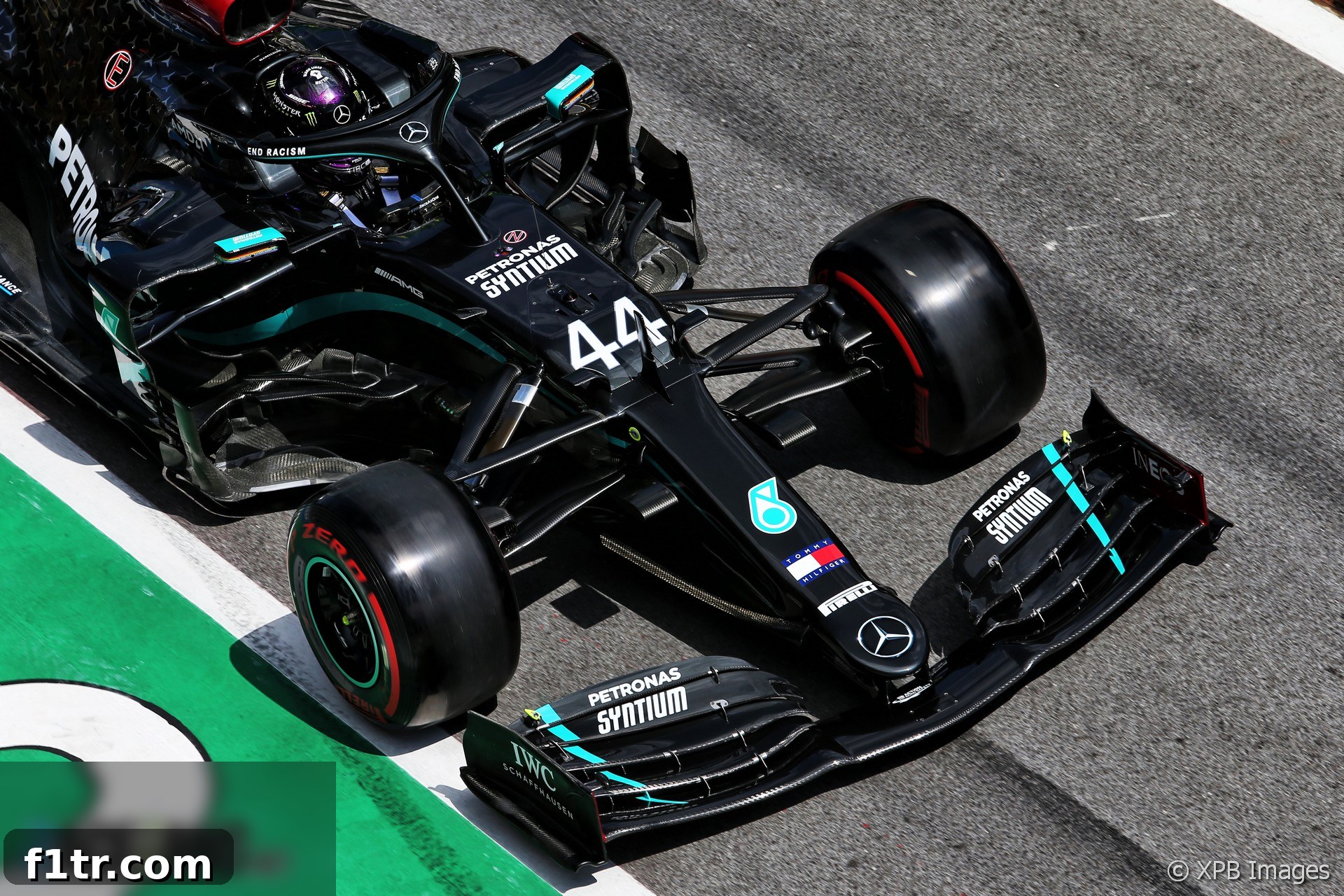
In a pivotal moment that sent ripples through the Formula 1 paddock, seven-time world champion Lewis Hamilton was handed a two-penalty-point sanction following a high-stakes collision with Red Bull Racing’s Alexander Albon. Race stewards, after a thorough review of the incident, concluded that Hamilton was “predominantly to blame” for the contact that ultimately forced Albon out of the points-scoring positions during a fiercely contested race. This ruling not only impacted the immediate race outcome for both drivers but also added a significant tally to Hamilton’s penalty points accumulation, pushing him closer to a potential race ban – a scenario that always looms large over the sport’s most competitive drivers.
The incident ignited considerable discussion among fans, media, and fellow competitors, highlighting the razor-thin margins and intense pressures inherent in elite motorsport. For Hamilton, widely regarded as one of the greatest drivers in F1 history, such a penalty is a rare but impactful reminder of the constant scrutiny and stringent regulations governing driver conduct on track. For Albon, it was another chapter in a challenging season, marked by a frustrating end to what could have been a strong points finish, reigniting questions about the fine line between aggressive racing and avoidable contact.
Advert | Become a Supporter & go ad-free
The Collision at Turn Four: Stewards Detail the Critical Moment
The contentious clash occurred at Turn Four, a corner known for its high-speed entry and demands for precision. According to the official stewards’ report, video evidence was meticulously reviewed, painting a clear picture of the evolving situation. The report stated, “The stewards reviewed video evidence showing that cars 23 [Albon] and 44 [Hamilton] were side by side approaching the apex of turn four. They negotiated the turn side by side, but car 23 had a better exit and was in the process of passing car 44.”
This description establishes a crucial phase where Albon, in car 23, had gained a positional advantage, indicating he was ahead in the overtaking maneuver. The report continued, detailing the subsequent contact: “Car 44 was drafting to the outside at the exit of turn four and consequently making contact with the rear right wheel of car 23, causing car 23 to spin. The stewards determined that the driver of car 44 is predominantly to blame for the collision.” The phrase “predominantly to blame” is key, indicating that while racing incidents can involve shared responsibility, the stewards placed the greater onus on Hamilton’s actions in this specific scenario. The contact with Albon’s rear right wheel, a common point of vulnerability during wheel-to-wheel combat, was enough to unsettle the Red Bull, leading to its spin and effectively ending Albon’s competitive race.
Hamilton’s Penalty Points: Navigating the Edge of a Race Ban
The two penalty points assigned to Lewis Hamilton were not merely a symbolic gesture. They held significant weight, elevating his cumulative total to seven penalty points. This figure places him more than halfway towards the critical threshold of 12 points, which, if reached within a 12-month rolling period, automatically triggers a one-race ban. The penalty points system in Formula 1 is designed to deter reckless driving and ensure consistent driver conduct, acting as a direct consequence for repeated infringements rather than solely relying on in-race penalties or fines.
For a driver of Hamilton’s stature, with numerous championships under his belt, the prospect of a race ban is a serious matter, potentially impacting his championship campaign or, in different circumstances, his team’s constructors’ title aspirations. While seven points might seem a safe distance from 12, the nature of F1 racing means that further incidents, even minor ones, could quickly escalate the tally. Drivers are constantly walking a tightrope, balancing aggressive racing with the absolute necessity of staying within the rules. Each penalty point remains on a driver’s super license for 12 months from the date of the incident, meaning these points would stay active for a considerable portion of the season, demanding extra caution from Hamilton in subsequent races.
Alexander Albon’s Perspective: A Frustrating Déjà Vu
For Alexander Albon, the incident was particularly disheartening, echoing a similar clash he had with Hamilton in Brazil the previous year. However, Albon was quick to articulate why this particular collision felt different and, arguably, more frustrating. “I feel like this one, I wouldn’t say it hurts more, but I felt like Brazil was a bit more 50-50,” Albon commented, reflecting on the nuances of racing incidents. His assessment suggests that the Brazil clash involved a more ambiguous sharing of blame, perhaps a classic “racing incident” where both drivers contributed to the contact.
In contrast, Albon felt the recent collision was more clearly Hamilton’s responsibility. “This one, I felt like I did the move already and I was kind of already focussed on Bottas. It was so late, the contact. There’s always the risk of overtaking on the outside but I gave him as much space as I really could.” Albon’s statement reveals his belief that he had completed the critical part of the overtake, having pulled alongside and even slightly ahead, and was already planning his next move against Valtteri Bottas. The timing of the contact – “so late” – indicates that Albon perceived Hamilton’s move as coming after the point of no return for a clean maneuver, suggesting that the Mercedes driver had ample opportunity to avoid contact.
Albon further emphasized his diligent driving, stating, “I mean, I was right on the edge. I knew as long as I give him all the space I can give him. It’s up to him if he wants to crash or not.” This reflects a common sentiment among drivers who, having committed to an overtake and provided sufficient room, expect the other driver to respect their presence and avoid an accident. For Albon, who was under immense pressure to perform at Red Bull, losing a potential points finish due to such an incident was a significant blow, impacting not just his individual result but also the team’s standing in the Constructors’ Championship.
The Dynamics of Overtaking and Driver Responsibility in F1
The incident between Hamilton and Albon serves as a potent reminder of the complex dynamics at play in Formula 1 overtaking maneuvers. Drivers must constantly make split-second decisions at incredible speeds, balancing aggression with the imperative of safe racing. The “racing incident” clause is frequently invoked, recognizing that in the heat of battle, minor contacts can occur without malicious intent or clear fault. However, the stewards’ decision in this case to assign “predominantly to blame” suggests that the collision moved beyond a mere racing incident, implying a greater degree of responsibility on Hamilton’s part.
When a driver attempts an overtake on the outside, as Albon did, they are inherently taking a greater risk. The outside line typically offers less grip and a longer distance to cover. However, if the overtaking car is sufficiently alongside and has established position, the defending driver is expected to allow sufficient room. Hamilton’s action of “drafting to the outside” at the exit, as noted by the stewards, indicates a movement that encroached on Albon’s established racing line, leading to the unavoidable contact. This fine line between fair defense and aggressive blocking, or between ambitious overtaking and reckless abandonment, is what the stewards continually aim to police, ensuring a level playing field and upholding the safety standards of the sport.
Advert | Become a RaceFans supporter andgo ad-free
Implications for the Drivers and the Unfolding F1 Season
For Lewis Hamilton, the penalty points were a rare blemish on an otherwise dominant season. While he still managed to finish the race and secure valuable championship points, the incident served as a stark reminder of the ever-present risks and the scrutiny he faces. The increased penalty point tally meant he would need to exercise heightened caution in subsequent races, potentially influencing his on-track decisions in close-quarters battles. For a driver who thrives on aggressive, competitive racing, this added layer of constraint could subtly alter his approach, particularly when battling for position with less experienced drivers or those with less to lose.
Alexander Albon, on the other hand, faced the more immediate and tangible consequence of a lost points-scoring opportunity. For a driver striving to solidify his position within a top team like Red Bull, every point is crucial. Such incidents not only impact championship standings but can also dent confidence and increase pressure, especially when trying to match the performance of a highly-rated teammate. The repeated clashes with Hamilton, though ultimately ruled in his favor in terms of responsibility, added to a narrative of bad luck and missed chances, intensifying the spotlight on his performance throughout the season.
Stewards’ Consistency and the Evolution of Driver Conduct Rules
The stewards’ decision in the Hamilton-Albon incident also feeds into the broader discussion about consistency in Formula 1 officiating. Fans and teams alike often demand clarity and consistency in penalties, arguing that similar incidents should yield similar consequences regardless of the drivers involved. While every racing scenario is unique, the F1 judicial process strives for a framework that allows for fair and predictable rulings.
The detailed explanation provided by the stewards underscores their commitment to transparency and objective analysis, relying on video evidence and established precedents. The evolution of driver conduct rules and the implementation of systems like penalty points reflect a continuous effort by the FIA to ensure competitive yet safe racing, fostering an environment where drivers can push the limits while understanding the boundaries. Incidents like these, while controversial, ultimately contribute to refining these rules and shaping future interpretations of aggressive driving versus avoidable contact.
Conclusion: A Contested Moment in an Unforgettable Season
The collision between Lewis Hamilton and Alexander Albon, and the subsequent penalty points, encapsulates the high-octane drama and intense competition that defines Formula 1. It was a moment that underscored the fine margins of racing, the split-second decisions that dictate triumph or despair, and the critical role of race stewards in upholding the sport’s regulations. For Hamilton, it was a reminder of the constant pressure and scrutiny, pushing him closer to a ban he would certainly want to avoid. For Albon, it was a frustrating testament to the brutal realities of F1, where potential points can vanish in an instant due to external factors.
As the season progressed, such incidents inevitably contributed to the narrative, fueling rivalries and adding layers of complexity to the championship battles. The lessons learned from this particular clash, both for the drivers and the officiating bodies, will undoubtedly influence future racing conduct and the ongoing evolution of Formula 1’s sporting regulations, ensuring that the spectacle remains thrilling yet fair.
2020 F1 season
- Grosjean to make F1 test return tomorrow for first time since Bahrain horror crash
- Pictures: Wrecked chassis from Grosjean’s Bahrain fireball crash to go on display
- Bottas vs Rosberg: Hamilton’s Mercedes team mates compared after 78 races each
- F1 revenues fell by $877 million in Covid-struck 2020 season
- Hamilton and Mercedes finally announce new deal for 2021 season
Browse all 2020 F1 season articles