Unpredictable Start to 2021 F1 Season: Bahrain Double-Header Looms as Portugal Faces Pandemic Hurdles
The 2021 Formula 1 season, initially set to kick off with a revised calendar, continues to grapple with the dynamic challenges posed by the global COVID-19 pandemic. As plans for the highly anticipated Portuguese Grand Prix face significant hurdles, a familiar and proven solution is emerging: a potential back-to-back double-header at the Bahrain International Circuit. This strategic move could see the sport navigate early-season uncertainties by leveraging a trusted venue, ensuring continuity for the teams and excitement for the millions of fans worldwide. The ongoing need for flexibility underscores Formula 1’s commitment to delivering a full and thrilling championship schedule, even if it means constant adjustments to the calendar.
The Portimao Predicament: COVID-19 Threatens Portuguese Grand Prix
The Autódromo Internacional do Algarve in Portimao, Portugal, quickly captured the hearts of Formula 1 fans and drivers alike during its debut in the 2020 season. Its undulating layout, challenging blind corners, and stunning coastal backdrop offered thrilling racing and a picturesque venue, making it a favored candidate for the third round of the 2021 F1 calendar, tentatively scheduled for May 2nd. The circuit’s successful inaugural event demonstrated its capacity to host a Grand Prix under challenging conditions, making it a strong contender for a return.
However, the resurgence of COVID-19 cases across Europe, particularly in Portugal, has cast a long shadow over these aspirations. The exponential rise in infection rates across the Iberian nation, mirroring concerning patterns seen elsewhere on the continent, presents a grave concern for Formula 1’s stringent health and safety protocols. The health situation is constantly evolving, and what seems viable one month may become impractical the next. The primary logistical hurdle stems from potential travel restrictions between Portugal and the United Kingdom, where the overwhelming majority of Formula 1 teams are strategically based. Should the British government impose stricter quarantine measures, travel bans, or place Portugal on a ‘red list’ for international arrivals, the movement of thousands of essential personnel, specialized equipment, and crucial components would become impractical, if not impossible. Such restrictions would entail mandatory isolation periods for team members upon their return to the UK, severely disrupting subsequent race preparations and team operations. This delicate situation highlights the ongoing struggle F1 faces in balancing its global sporting ambitions with paramount public health imperatives and governmental travel policies.
Beyond the immediate health concerns, the economic implications for Portugal itself are significant. Hosting a Formula 1 Grand Prix brings substantial revenue through tourism, hospitality, and global media exposure. A cancellation would represent a considerable financial blow to the region and the country, further compounding the economic pressures brought on by the pandemic. The decision-making process involves a complex interplay of governmental health advice, logistical feasibility for teams, and the commercial interests of both the sport and the host nation.
Bahrain: A Trusted and Flexible Contingency Plan for F1
In stark contrast to the uncertainties surrounding the Portuguese Grand Prix, the Bahrain International Circuit has once again demonstrated its unparalleled reliability and adaptability as a host venue. Following the postponement of the traditional season-opener in Australia, Bahrain was swiftly confirmed to host pre-season testing and subsequently the curtain-raiser for the 2021 Formula 1 World Championship on March 28th. This established presence, coupled with the circuit’s proven ability to manage multiple events in a highly regulated, bio-secure environment, positions it as the primary and most logical alternative for an additional race.
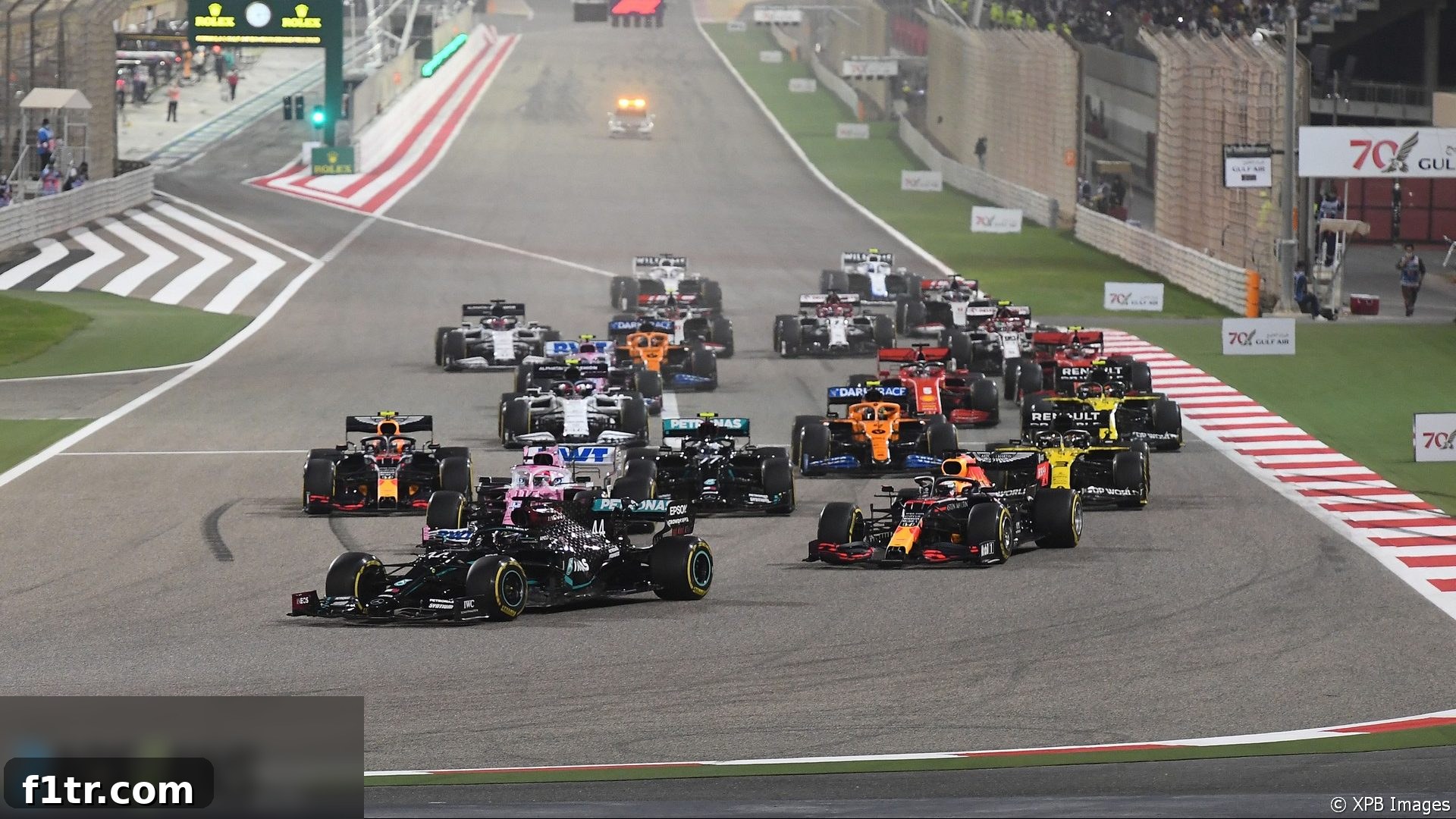
The prospect of a second race in Bahrain, potentially held just one week after the season opener, offers an elegant and efficient solution to the calendar dilemma. Formula 1 successfully implemented a double-header in Bahrain at the close of the 2020 season, utilizing both the traditional Grand Prix layout and the shorter, faster Outer Circuit. The Outer Circuit, with its unique characteristics – a high-speed, low-downforce configuration – provided a refreshing change of pace and generated exciting, unpredictable racing, proving that a second event at the same venue needn’t be a monotonous affair. Drivers and fans alike praised the novel challenge it presented. Leveraging this dual-track capability not only alleviates the need for complex international travel but also ensures maximum efficiency for teams already operating within the circuit’s robust “bubble” environment. This strategic flexibility, honed through the experiences of 2020, underscores F1’s unwavering commitment to delivering a robust championship schedule amidst persistent global uncertainties.
Hosting a double-header in Bahrain minimizes travel risks and costs for all ten teams, who would already be on-site for the opening round. This approach reduces the burden on personnel, who are already facing intense travel schedules, and streamlines the movement of freight. The established infrastructure, local support, and familiarity with COVID-19 protocols at the Bahrain International Circuit make it an exceptionally appealing option for F1 management looking to ensure calendar stability.
The Ripple Effect: Adjusting the F1 Calendar
Introducing a second race in Bahrain, strategically placed immediately after the season opener, would understandably trigger a cascade of adjustments across the meticulously planned 2021 Formula 1 calendar. The most immediate impact would likely be felt by the Emilia Romagna Grand Prix at Imola, Italy, currently scheduled for April 18th. To accommodate the additional race in Bahrain and provide teams with sufficient time for logistical movements, personnel rest, and equipment preparation, the Imola event would most probably need to be postponed by at least one week. This shift would allow for critical freight transport and team setup time across continents, crucial for maintaining operational efficiency.
While a one-week postponement might seem like a minor adjustment on the surface, rescheduling an event of Formula 1’s magnitude involves intricate negotiations with circuit management, local authorities, broadcasters, and sponsors. Each change has potential knock-on effects, potentially clashing with other pre-existing sporting events, local infrastructure availability, or creating further logistical bottlenecks down the line. The dynamic nature of the current global situation demands unparalleled agility from Formula 1 management, as they continuously monitor international travel advisories, local health guidelines, and logistical feasibility to construct a coherent and viable racing schedule. The initial reports detailing this contingency plan, originating from Grand Prix Radio in the Netherlands, highlight the ongoing internal discussions within F1, even if a spokesperson for the sport officially declined to comment on the specifics. This silence is often indicative of sensitive, ongoing negotiations and the fluid nature of planning during a global crisis.
Every decision made regarding the calendar has far-reaching implications, not just for the teams and drivers, but also for the extensive network of suppliers, media, and hospitality providers that form the Formula 1 ecosystem. The sport’s ability to adapt and communicate these changes effectively is paramount to maintaining confidence among all stakeholders.
Lessons from a Resilient 2020 Season: F1’s Pandemic Adaptability
The unprecedented challenges of the 2020 Formula 1 season provided invaluable lessons in adaptability, resilience, and operational excellence under severe constraints. Faced with a complete shutdown of global sport, F1 successfully constructed a condensed, 17-race calendar, primarily concentrated in Europe, with multiple double and even triple-headers at established venues. This experience demonstrated F1’s remarkable capacity to innovate and operate under immense pressure, proving that a full championship could be delivered safely.
The implementation of rigorous bio-secure bubbles, extensive and frequent COVID-19 testing regimes for all personnel, and strict social distancing protocols allowed the sport to safely complete its championship without significant outbreaks. These proven strategies, refined and optimized throughout 2020, will undoubtedly be central to navigating the complexities of the 2021 season. The willingness to pivot to alternative venues like Bahrain, or to reschedule races like Imola, is a testament to the sport’s overarching commitment to delivering a full and thrilling championship for its global fanbase and crucial commercial partners. The financial implications for teams, promoters, and the sport itself demand that every effort be made to maximize racing opportunities while safeguarding health and safety above all else. The operational blueprint established in 2020 serves as a critical foundation for managing the continued uncertainties of 2021.
The Broader Landscape of F1’s Pandemic Planning
Formula 1’s ongoing efforts to finalize its 2021 calendar extend far beyond simply swapping venues. It encompasses a holistic and proactive approach to managing the inherent risks posed by the global pandemic. This includes continuous dialogue with national governments and health organizations to understand evolving restrictions, vaccine rollout progress, and regional infection rates. The intricate dance between sporting ambition and public health responsibility requires a delicate balance, where safety remains paramount, dictating every strategic decision.
Teams, already operating on tight margins and complex logistical frameworks, are constantly bracing for potential changes. Their flexibility and readiness, honed during the turbulent 2020 season, is now a fundamental requirement for operational survival. The mental and physical toll on team personnel, who often spend extended periods away from home and operate within strict bubbles, is also a significant consideration in these planning decisions. Maintaining their well-being is crucial for performance and morale throughout a demanding season. For fans, these constant shifts represent a mix of anticipation and occasional frustration, yet there’s a collective understanding that these measures are essential to ensure the sport continues safely. The ultimate goal remains to deliver a compelling season, filled with the excitement, drama, and competitive racing that Formula 1 is renowned for, irrespective of the initial uncertainties.
Anticipating the Final Decisions and the Road Ahead
As the start of the 2021 Formula 1 season rapidly approaches, the motorsport world eagerly awaits official confirmations regarding the early-season calendar. The decisions concerning the Portuguese Grand Prix and the potential second race in Bahrain will be crucial in setting the tone and structure for the championship’s initial rounds. These announcements are typically made after extensive consultations with all relevant stakeholders, including the FIA (Fédération Internationale de l’Automobile), race promoters, teams, and local authorities, ensuring a comprehensive and collaborative approach.
While the uncertainty can be unsettling, it underscores the dynamic and responsive nature of Formula 1 in these unprecedented times. Whether it ultimately features the challenging curves of Portimao or the familiar sands of Sakhir hosting an additional spectacle, the overriding objective is to ensure a safe, competitive, and captivating start to what promises to be another memorable Formula 1 season. The adaptability and resilience showcased by the sport in recent times reinforces confidence that whatever the final configuration, Formula 1 will rise to the occasion, delivering the thrills its global audience craves while prioritizing the health and safety of everyone involved.