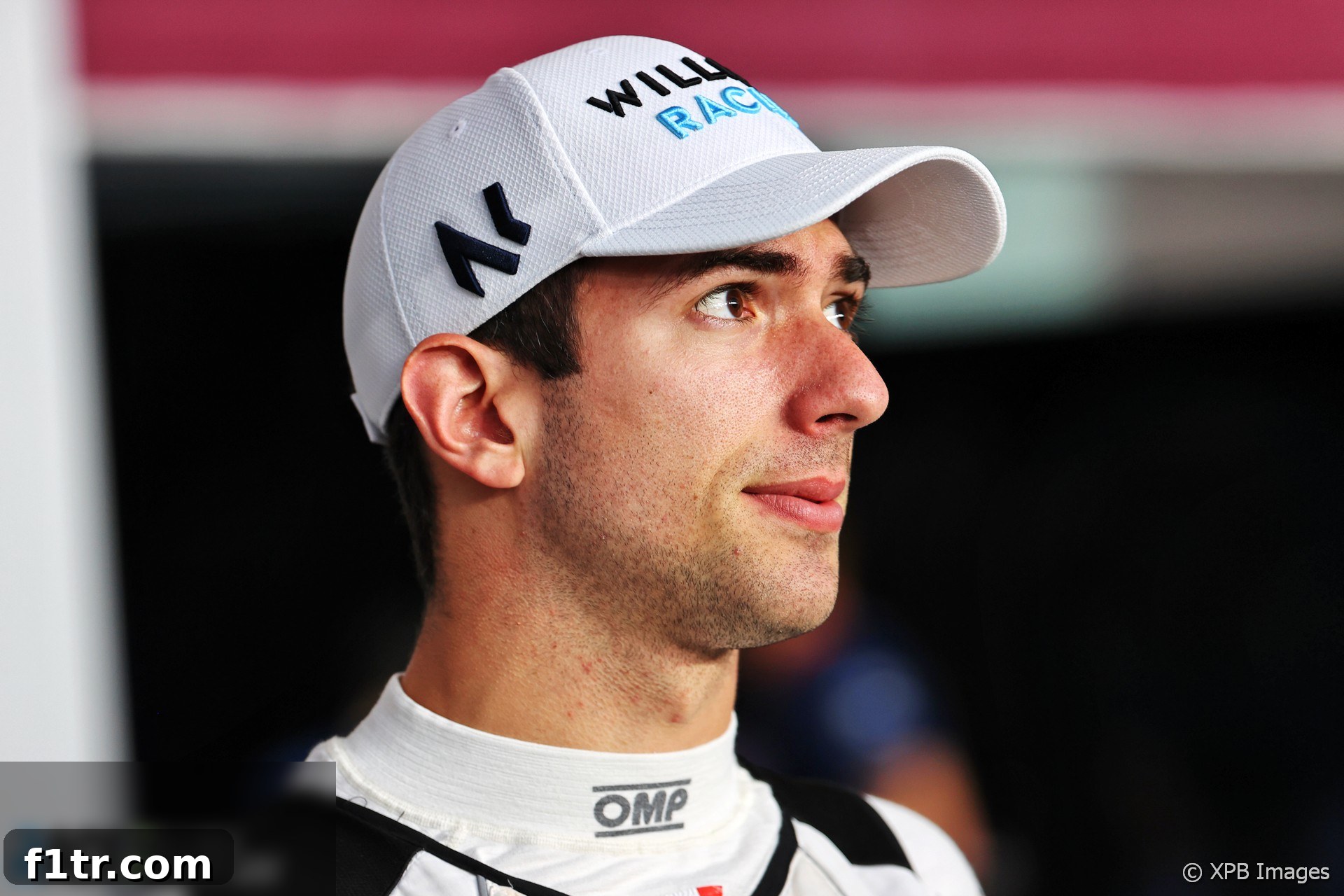
F1 Stars Lewis Hamilton and George Russell Advocate for Nicholas Latifi Amidst Online Abuse Following Controversial Abu Dhabi GP Finale
Following the contentious conclusion to last year’s Formula 1 World Championship, Lewis Hamilton and George Russell have publicly come to the defense of Nicholas Latifi. The Canadian driver faced an onslaught of vile abuse and even death threats online after his role in the dramatic final laps of the Abu Dhabi Grand Prix sparked a Safety Car period, which ultimately led to a controversial restart and Lewis Hamilton losing the title to Max Verstappen.
The incident in question occurred in the closing stages of the 2021 season finale, a race that would decide the World Champion. Latifi, driving for Williams at the time, crashed his car, prompting race control to deploy a Safety Car. The subsequent decisions regarding lapped cars and the race restart procedure became the subject of intense global debate and controversy. While Latifi’s crash was a racing incident, the sequence of events it triggered put him squarely in the crosshairs of an enraged segment of online fans, exposing him to an unacceptable level of personal attacks.
The severity of the online harassment Latifi endured was deeply disturbing. He later disclosed that the abuse escalated to the point where he felt compelled to employ bodyguards during a trip to London, a stark illustration of the real-world impact of digital hate. This experience underscores a growing problem in professional sports: athletes, as public figures, are increasingly vulnerable to malicious and often unmoderated online abuse, which can have profound psychological and personal consequences.
Lewis Hamilton Calls for Greater Social Media Accountability
Seven-time world champion Lewis Hamilton, who was at the heart of the Abu Dhabi controversy, has been a vocal advocate against online abuse and for greater accountability from social media platforms. Reflecting on the ongoing challenges, Hamilton stated, “I don’t think there’s been a huge change or shift, or enough work has been done from these social platforms. We still have to apply pressure for them to make changes.”
Hamilton emphasized the critical importance of mental health, a subject he has consistently championed. “Mental health is a real thing and through these social platforms, people are experiencing abuse, and no one deserves that, and it should never be tolerated,” he asserted. His comments highlight a pervasive issue where individuals, often shielded by anonymity, feel emboldened to hurl insults and threats without immediate repercussions. He further challenged the tech giants, adding, “They’re able to change these things and make changes, but they don’t seem to do it quick enough, so I think we need to continue to apply pressure.” This statement resonates with many who believe that social media companies possess the technological capability to curb abuse but often lack the urgency or willingness to implement effective measures.
In a powerful display of camaraderie and empathy, Latifi revealed earlier in the week that Hamilton had personally reached out to him after the tumultuous race. Hamilton confirmed this, saying, “I was in touch with Nicholas, he has my full support, and I know how difficult it can be in those situations. And I think it’s important for him to know that he has support from people around him.” This gesture from Hamilton, despite the profound disappointment of losing the championship under such circumstances, speaks volumes about his character and his commitment to supporting fellow drivers against unjust targeting.
Hamilton also took the opportunity to reflect on the nature of passion within sport. While acknowledging the intense emotions that Formula 1 can evoke, he underscored the necessity of channeling these feelings constructively. “You could see there is so much passion within this sport. That’s what really makes this sport so great, there is so much passion. But we’ve got to channel that in the positive way, not a negative,” he urged. This call for positive engagement serves as a reminder that fervent fandom should never cross the line into harassment or hate.
George Russell Shares Empathy and Advocates for Athletes
Hamilton’s new Mercedes teammate, George Russell, who was Latifi’s teammate at Williams during the 2021 season, echoed Hamilton’s sentiments with strong conviction. Russell, having firsthand experience of Latifi’s character and dedication, stated he “absolutely agrees” with Hamilton’s stance against online abuse.
Russell articulated a profound concern for athletes and public figures subjected to online vitriol. He pointed out the disconnect between anonymous keyboard warriors and the human beings they target: “I think more needs to be done for athletes, for people in the spotlight because people behind the computer, behind the keyboard think they have a right to say what they like to somebody who is out there trying to make a career for themselves, and it’s almost forgotten that everybody is human.” This observation highlights the dehumanizing effect of online interactions, where empathy is often lost in the digital space, allowing unchecked aggression to flourish.
Acknowledging the complexity of the issue, Russell expressed a desire to further understand and address it. “I need to learn and educate myself more about this,” he admitted, while unequivocally affirming his belief that “something really needs to be done.” His commitment to learning and advocacy signals a growing awareness among athletes about the importance of mental well-being and the need for stronger protective measures against online harassment.
Expressing deep personal concern for his former teammate, Russell elaborated on Latifi’s character and progress. “I felt really, really bad for Nicholas. He’s such an amazing guy. He’s put so much hard work and effort, and he’s progressed a huge amount,” Russell shared. He also offered a crucial perspective on the incident, acknowledging the inherent challenges of driving a Formula 1 car, particularly the Williams chassis from that season. “Mistakes happen. I know first hand how difficult that specific Williams car was to drive. He didn’t deserve at all to get what he received, so it definitely more needs to be done.” This insight from a fellow driver not only validates Latifi’s professionalism but also highlights the extreme pressure and demanding nature of elite motorsport, where even minor errors can have significant, unforeseen consequences.
The Broader Implications: Protecting Athletes in the Digital Age
The abuse directed at Nicholas Latifi is not an isolated incident but rather a symptom of a larger, systemic problem plaguing professional sports and public life in the digital age. Athletes, often revered for their achievements, are simultaneously subjected to intense scrutiny and, increasingly, vicious attacks from online mobs. The ease with which individuals can hide behind anonymous profiles empowers a vocal minority to spread hate, misinformation, and threats, creating a toxic environment that impacts mental health and well-being.
This situation calls for a multi-faceted approach involving social media platforms, sports governing bodies, teams, and fans themselves. Platforms bear the primary responsibility to implement robust moderation systems, enforce clear codes of conduct, and make it easier to report and act upon abusive content. Transparency in their actions and a commitment to protecting users from harm are paramount. Sports organizations, like Formula 1, must continue to educate fans about respectful engagement and provide support mechanisms for their athletes who face online harassment.
Ultimately, the collective voices of prominent figures like Lewis Hamilton and George Russell serve as a powerful catalyst for change. Their willingness to speak out, to empathize with a fellow competitor, and to advocate for a safer online environment sends a clear message: online abuse is unacceptable, has real-world consequences, and demands urgent action. Fostering a culture of respect, both on and off the track, is essential for the longevity and integrity of sport, ensuring that passion remains a positive force rather than a destructive one.
Related 2022 F1 Season Articles
- Mercedes told me “you’re wrong” about 2022 car’s problems – Hamilton
- FIA confirms all 10 F1 teams complied with 2022 cost cap
- Steiner “not ashamed” of panning “slow” Schumacher in Drive to Survive
- Albon believes year out of F1 improved him as a driver
- Hamilton sees diversity gains in F1 years on from his ‘traumatising’ experience of racism
Browse all 2022 F1 season articles