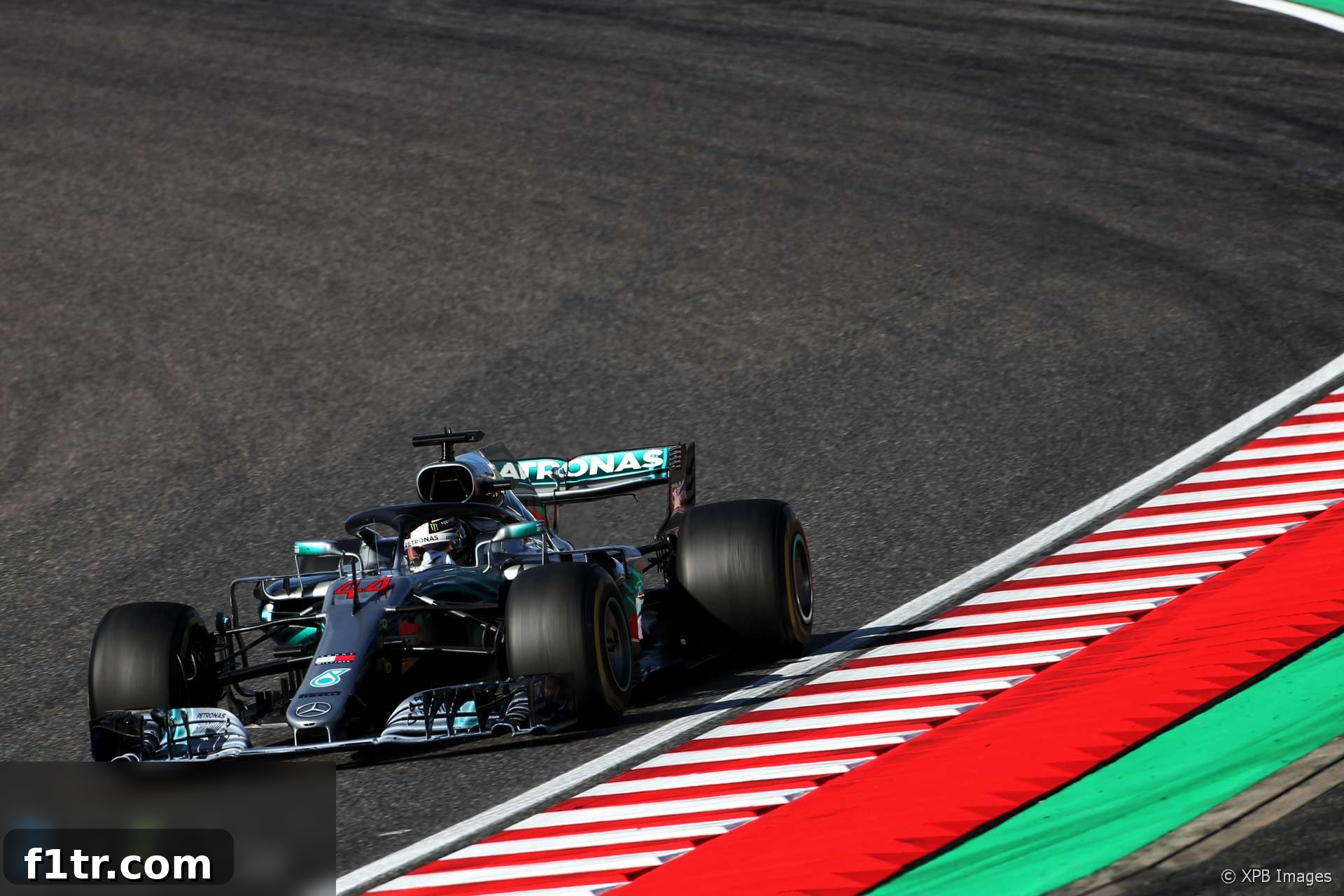
The Thrilling Battle for the Formula 1 Drivers’ Championship
The 2018 Formula 1 season delivered an exhilarating spectacle of speed, strategy, and pure driving talent, culminating in a fiercely contested Drivers’ Championship. As the season progressed, the narrative largely centered around the titanic struggle between two modern legends of the sport: Lewis Hamilton and Sebastian Vettel. This championship table reflects the incredible journey of these athletes and their rivals, showcasing the points accumulated through a demanding calendar of races. Each Grand Prix presented unique challenges, from the technical street circuits to the high-speed traditional tracks, pushing drivers and their machinery to the absolute limit.
The fight for supremacy was not just at the very top; every position on this leaderboard represents countless hours of dedication, relentless pursuit of perfection, and the sheer will to win. From seasoned veterans demonstrating their enduring class to promising newcomers making their mark, the 2018 Drivers’ Championship was a testament to the depth of talent in Formula 1. The points awarded in each race are crucial, determining not only individual glory but also contributing to the constructors’ battle, creating a layered and complex championship landscape that captivates millions of fans worldwide.
| Driver | Total | |
|---|---|---|
| 1 | Lewis Hamilton | 331 |
| 2 | Sebastian Vettel | 264 |
| 6 | Daniel Ricciardo | 146 |
| 5 | Max Verstappen | 173 |
| 3 | Valtteri Bottas | 207 |
| 4 | Kimi Raikkonen | 196 |
| 7 | Sergio Perez | 53 |
| 13 | Romain Grosjean | 31 |
| 14 | Pierre Gasly | 28 |
| 7 | Kevin Magnussen | 53 |
| 7 | Nico Hulkenberg | 53 |
| 10 | Fernando Alonso | 50 |
| 12 | Carlos Sainz Jnr | 39 |
| 11 | Esteban Ocon | 49 |
| 15 | Charles Leclerc | 21 |
| 16 | Stoffel Vandoorne | 8 |
| 17 | Lance Stroll | 6 |
| 17 | Marcus Ericsson | 6 |
| 19 | Brendon Hartley | 2 |
At the pinnacle, Lewis Hamilton showcased an astonishing level of consistency and brilliance, amassing an impressive 331 points. His ability to perform under pressure, coupled with strategic masterclasses from his Mercedes team, put him firmly in control of the championship narrative. Hot on his heels, Sebastian Vettel, driving for Ferrari, demonstrated flashes of incredible speed and race craft, securing 264 points. The rivalry between Hamilton and Vettel provided many of the season’s most memorable moments, filled with high-stakes overtakes, strategic gambles, and occasional dramatic errors that swung the championship pendulum. Their intense battle was a constant source of discussion and excitement among F1 enthusiasts.
Further down the standings, the battle for third place was equally compelling. Valtteri Bottas, Hamilton’s teammate at Mercedes, contributed significantly to the team’s constructors’ aspirations while individually securing 207 points. Kimi Räikkönen, the veteran Finn at Ferrari, proved he still had the pace and skill, finishing with 196 points. The Red Bull duo, Max Verstappen and Daniel Ricciardo, were consistent threats, often challenging the front-runners with their aggressive driving styles and the potent Red Bull chassis. Verstappen, with 173 points, continued to grow in maturity and speed, while Ricciardo, with 146 points, delivered some stunning victories, despite reliability issues plaguing his season.
The mid-field battle was intense, with teams like Force India, Renault, Haas, and McLaren vying for every precious point. Drivers such as Nico Hülkenberg, Kevin Magnussen, Sergio Pérez, and Fernando Alonso consistently delivered strong performances, showcasing their individual prowess and leadership within their respective teams. The efforts of drivers like Charles Leclerc, Pierre Gasly, and Esteban Ocon, representing the next generation of F1 talent, also stood out, promising an exciting future for the sport. Their ability to extract performance from challenging machinery often turned heads and contributed to thrilling races throughout the season, proving that every point earned was hard-fought and vital for their teams’ ultimate standing.
The Ultimate Showdown: Formula 1 Constructors’ Championship Dominance
While individual glory is paramount for drivers, the Constructors’ Championship represents the pinnacle of team effort, engineering excellence, and strategic acumen in Formula 1. This championship is a true barometer of a team’s overall strength, combining the points scored by both its drivers throughout the season. The 2018 season was a magnificent demonstration of technological warfare, with power unit development, aerodynamic innovation, and operational efficiency playing critical roles in determining the ultimate victor. Each race presented an opportunity for teams to showcase their collective strength and resolve.
The race for constructor supremacy was primarily a two-horse race, with Mercedes and Ferrari locking horns in a battle that captivated fans worldwide. Red Bull Racing also played a crucial spoiler role, often capable of challenging for wins and podiums, injecting unpredictability into the championship chase. The constructors’ table below provides a snapshot of the intense competition, where every single point mattered, influencing not only bragging rights but also significant financial rewards and prestige within the sport. Understanding the constructors’ championship is key to appreciating the full picture of an F1 season, as it highlights the collective effort required to succeed at the highest level of motorsport.
| Team | Total | |
|---|---|---|
| 1 | Mercedes | 538 |
| 2 | Ferrari | 460 |
| 3 | Red Bull | 319 |
| 4 | Renault | 92 |
| 5 | Haas | 84 |
| 6 | McLaren | 58 |
| 7 | Force India | 43 |
| 8 | Toro Rosso | 30 |
| 9 | Sauber | 27 |
| 10 | Williams | 7 |
Mercedes-AMG Petronas F1 Team, with a formidable 538 points, asserted their dominance once again, demonstrating unparalleled consistency and reliability. Their W09 EQ Power+ chassis, combined with the strategic brilliance of their pit wall, proved to be a championship-winning package. The synergy between Lewis Hamilton and Valtteri Bottas was instrumental in securing crucial points weekend after weekend, allowing Mercedes to build a substantial lead. Their relentless pursuit of perfection in engine development and car design ensured they remained at the forefront of the grid, ultimately clinching the constructors’ title.
Scuderia Ferrari mounted a strong challenge, accumulating 460 points, showcasing significant improvements in their SF71H package. Sebastian Vettel and Kimi Räikkönen pushed Mercedes hard, delivering numerous race wins and memorable performances. Despite their strong pace and competitive car, consistency and strategic errors at critical moments ultimately cost them the top spot. The passion and heritage of Ferrari ensured they were formidable competitors, making every race a thrilling encounter for F1 fans globally.
Red Bull Racing, powered by their TAG Heuer (re-badged Renault) engines, secured a commendable third place with 319 points. Max Verstappen and Daniel Ricciardo often defied expectations, extracting maximum performance from their RB14 chassis, particularly on high-downforce circuits. Their aggressive race strategies and exceptional pit stop efficiency were hallmarks of their season, establishing them as consistent podium contenders.
Further down the grid, the battle for the “best of the rest” was fiercely contested. Renault F1 Team, with 92 points, led this charge, showing steady progress in their ambition to climb the championship ladder. Haas F1 Team continued to impress for a relatively young outfit, securing 84 points with their strong Ferrari-powered package. McLaren, a team steeped in history, faced a challenging season, finishing with 58 points, signaling a period of rebuilding and strategic change. Force India (Racing Point Force India at the latter part of the season due to administration) and Scuderia Toro Rosso also played important roles, contributing to the rich tapestry of the constructors’ battle, highlighting the depth of competition across the entire grid. Sauber, with its rising star Charles Leclerc, and Williams rounded out the field, each fighting for every point available in a highly competitive year.
2018 Japanese Grand Prix: Suzuka’s Unforgettable Drama and Championship Implications
The 2018 Japanese Grand Prix at the iconic Suzuka Circuit was a pivotal moment in the Formula 1 season, delivering all the drama, excitement, and championship implications that fans crave. Held against the stunning backdrop of Suzuka, this race often serves as a true test of a car’s aerodynamic prowess and a driver’s skill, thanks to its unique figure-of-eight layout and high-speed corners. This particular edition of the Japanese Grand Prix became a cornerstone in the unfolding championship narrative, particularly concerning Lewis Hamilton’s relentless march towards another world title and Sebastian Vettel’s increasingly difficult challenge.
The events that unfolded at Suzuka were not just about who crossed the finish line first, but also about the strategic battles, the mental resilience of the drivers, and the sheer unpredictability that makes Formula 1 so captivating. From thrilling overtakes to crucial pit stop decisions, the Japanese Grand Prix offered a comprehensive spectacle of top-tier motorsport. The following highlights and analyses delve deeper into what made this particular race so memorable and significant for the 2018 season, solidifying its place as one of the year’s most talked-about events.
-
2018 Japanese Grand Prix Team Radio Highlights: Unfiltered Voices of the Race
Team radio provides an unparalleled glimpse into the raw emotions, tactical discussions, and intense pressure experienced by drivers and their engineers during a Grand Prix. The 2018 Japanese Grand Prix was no exception, with crucial radio communications shedding light on strategic decisions, driver frustrations, and celebratory moments. Listeners were privy to the urgent calls for tire management, the animated discussions about rival cars, and the intense exchanges between drivers and their race engineers. These snippets of communication often reveal the true drama unfolding on track, giving fans a deeper appreciation for the split-second decisions and mental fortitude required to compete at this elite level. From tactical instructions about managing gaps to impassioned pleas for more power, the team radio highlights from Suzuka encapsulated the high stakes of the race and the championship battle, making for fascinating post-race analysis.
-
2018 Japanese Grand Prix Star Performers: Who Shone Brightest at Suzuka?
Every race produces its heroes, and the 2018 Japanese Grand Prix was no different. Identifying the star performers goes beyond just the podium finishers; it’s about recognizing drivers who maximized their car’s potential, executed flawless strategies, or delivered exceptional overtakes under immense pressure. At Suzuka, certain individuals truly elevated their game, making crucial moves or maintaining blistering pace that significantly impacted their race outcomes and the broader championship picture. Whether it was a driver expertly navigating tricky conditions, a strategic genius on the pit wall, or an underdog pushing their car beyond its perceived limits, the star performers of the Japanese Grand Prix demonstrated the essence of competitive motorsport, leaving a lasting impression with their skill and determination against the backdrop of one of F1’s most demanding circuits.
-
Mercedes Dominance: Back-to-Back One-Twos Solidify Championship Lead
The achievement of securing back-to-back one-two finishes is a clear indicator of absolute dominance in Formula 1, and Mercedes’ performance at the 2018 Japanese Grand Prix, following a similar feat in the preceding race, underscored their formidable strength. This milestone, the first since 2016 for the Silver Arrows, was a testament to their superior engineering, flawless execution, and the combined prowess of Lewis Hamilton and Valtteri Bottas. Such results not only accumulate maximum points for the Constructors’ Championship but also deliver a psychological blow to rivals, demonstrating a significant competitive advantage. The ability of Mercedes to consistently lock out the top two positions signaled a crucial turning point in the championship, showcasing their capability to deliver under pressure and maintain peak performance across different circuits and conditions. This consistent performance was a major factor in their path to securing both titles.
-
Capturing the Essence: Top Ten Pictures from the 2018 Japanese Grand Prix
Formula 1 is a sport of incredible visual spectacle, and the 2018 Japanese Grand Prix provided a plethora of breathtaking moments perfectly captured by skilled photographers. From the vibrant colors of the cars speeding through Suzuka’s iconic esses to the focused intensity on the drivers’ faces, and the passionate roar of the Japanese fans, these images tell a story far beyond race results. The top ten pictures would have undoubtedly showcased the raw speed, the dramatic overtakes, the intricate details of the machinery, and the emotional highs and lows experienced throughout the weekend. Photography plays a vital role in preserving the magic of F1, allowing fans to relive the adrenaline, the beauty, and the sheer power of these racing machines and the unique atmosphere of a Grand Prix weekend at a legendary track like Suzuka. These visuals provide an enduring legacy of the event.
-
Championship Decider: Hamilton Nears Fifth Title as Vettel’s Hopes Fade
Perhaps the most defining narrative emerging from the 2018 Japanese Grand Prix was the significant shift in the Drivers’ Championship battle. Lewis Hamilton’s commanding performance at Suzuka placed him firmly on the cusp of securing his fifth world title, a truly monumental achievement in the history of Formula 1. Conversely, Sebastian Vettel’s challenging weekend, marked by a critical error and a subsequent recovery drive that was not enough to salvage significant points, felt like a moment where his championship aspirations effectively “threw in the towel.” This race vividly illustrated the contrasting fortunes of the two championship protagonists, highlighting Hamilton’s unwavering focus and Vettel’s increasing struggles under pressure. The outcome at Suzuka solidified Hamilton’s almost unassailable lead, moving the championship battle from a close contest to a seemingly inevitable conclusion, much to the delight of Mercedes fans and the frustration of the Scuderia Ferrari faithful. It underscored the brutal nature of championship racing, where every point and every mistake is magnified.
Browse all 2018 Japanese Grand Prix articles for a complete retrospective on this electrifying race weekend and its lasting impact on the Formula 1 season. Dive into detailed analyses, exclusive insights, and further coverage of one of the year’s most talked-about events to fully understand the dynamics of this critical race and its championship ramifications.