The Blocked Revolution: Unpacking F1’s Reverse Grid Qualifying Proposal for the 2020 Season
Formula 1 has always been a theatre of technological innovation, daring driving, and, at times, contentious rule changes. In the relentless pursuit of enhancing the spectacle and maintaining an engaging championship, motorsport decision-makers frequently explore new formats. One such audacious proposal, aimed at invigorating the 2020 F1 season, was the introduction of reverse grid qualifying races. This concept, championed by Formula 1’s then-motorsport director Ross Brawn, sought to inject an unprecedented level of unpredictability and excitement into select Grand Prix weekends. However, despite initial indications of support, the plan ultimately faltered, blocked by just two teams, revealing the persistent challenges of consensus within the sport’s intricate governance structure.
Ross Brawn’s Vision: A Bold Proposal for Three Races
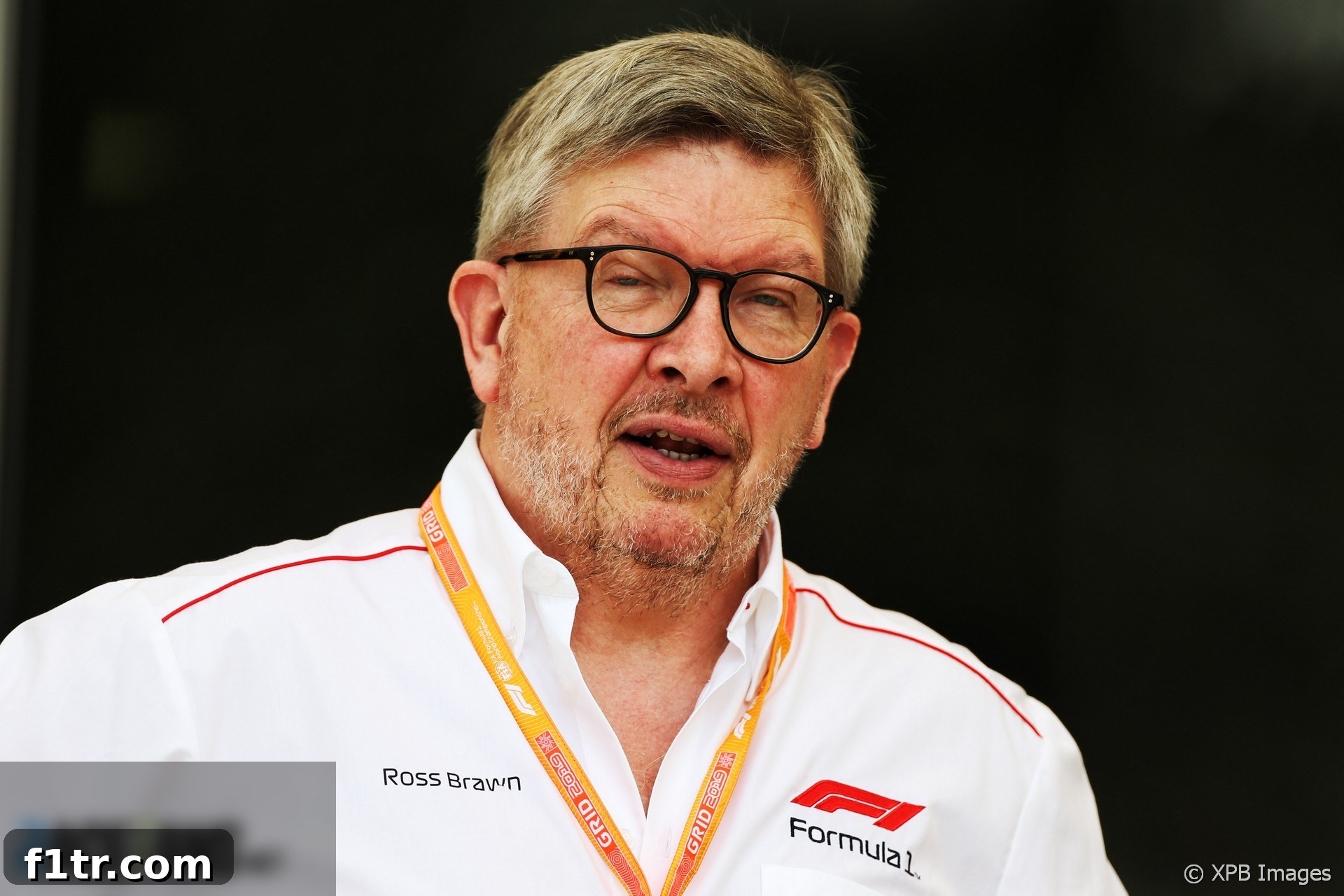
Ross Brawn, a figure synonymous with strategic brilliance in Formula 1, unveiled a compelling vision for a modified qualifying format. His proposal centered on trialing reverse grid races at three specific rounds of the 2020 F1 calendar: the French, Belgian, and Russian Grands Prix. The essence of the plan was elegantly simple yet radically transformative: on a Saturday, instead of traditional qualifying, a short sprint race would be held. The grid for this sprint race would be determined by reversing the championship standings, meaning the championship leader would start at the back, and the lowest-ranked driver would begin from pole position.
Brawn believed this format held immense potential to create a fascinating contest, forcing top drivers and teams to fight their way through the field. “We wanted to try a small number of races in 2020, a different format, where it was a reverse grid on a Saturday based on championship order and that short format race would determine the grid order for the final race,” Brawn explained. This innovation aimed to shuffle the pack, encouraging more overtaking, more strategic variations, and ultimately, a more dynamic and engaging Saturday spectacle that directly influenced the main Grand Prix grid on Sunday. It was envisioned as a genuine test of a driver’s raw skill and a team’s ability to adapt, pushing beyond the conventional limits of F1 racing.
The Mechanics of the Proposed Reverse Grid Format
The proposed system for reverse grid qualifying was designed to be straightforward yet impactful. Had it been implemented, the championship standings would have been inverted for the Saturday sprint race. For instance, if Lewis Hamilton was leading the championship, he would start from the last position on the grid for the Saturday event, while a driver in 20th place would start from the front. This inversion would apply to all drivers based on their current championship points.
The Saturday race itself would be a shorter, intense affair, potentially around a third of the length of the main Grand Prix. Crucially, the finishing order of this Saturday sprint race would then directly determine the starting grid for Sunday’s Grand Prix. This meant that teams and drivers would have a dual objective: perform well in the sprint race to secure a good starting position for Sunday, while also managing potential risks and car preservation. The concept promised to dramatically shake up the grid, offering fans the tantalizing prospect of seeing championship contenders carve their way through the field, and mid-field teams potentially starting from advantageous positions. It was a clear attempt to challenge the established order and infuse an element of unpredictability that some felt was missing from traditional qualifying formats.
Drivers’ Concerns: “Artificial” Racing and Sporting Integrity
While the proposal aimed to electrify the sport, it met with significant resistance, particularly from the drivers themselves. The vocal opposition centered on the perception that a reverse grid race was “artificial” and undermined the fundamental meritocracy of Formula 1. Drivers argued that F1 should be a pure test of speed, engineering excellence, and talent, where the fastest car and driver combination earns its position at the front.
The idea of deliberately handicapping the most successful competitors for entertainment purposes was seen by many as a step too far, potentially devaluing the integrity of the championship. Concerns were also raised about safety, with faster cars starting behind slower ones on track, increasing the likelihood of incidents, especially on circuits that weren’t designed for such radical grid variations. Ross Brawn acknowledged the sentiment: “The drivers were a little bit nervous which I can understand.” This nervousness stemmed from a deep-seated belief in the sporting principle that the best should always start from the front, a cornerstone of Formula 1’s DNA since its inception.
The “Try It and See” Approach vs. Deep-Seated Principles
Brawn’s counter-argument was pragmatic: he wasn’t proposing a permanent fixture, but a limited trial. “But we were just asking for three races to try this format. If it didn’t work, put our hands up. If it does work, great. If it’s something in between, we can work with [it] just to help us develop the format of racing,” he articulated. This experimental approach aimed to gather data and feedback, allowing the sport to make informed decisions about its future direction. It reflected a modern, data-driven mindset prevalent in many sports seeking to innovate without committing irrevocably.
However, this “try it and see” philosophy clashed with the deeply held principles of sporting purity and the traditionalists within the F1 paddock. For many, Formula 1’s rich history and status as the pinnacle of motorsport derived from its uncompromising pursuit of ultimate performance, where artificial interventions were viewed with skepticism and often outright rejection. The debate highlighted the perennial tension within F1: how to balance the need for evolution and entertainment with the preservation of its core identity and sporting credibility.
The Unanimous Roadblock: F1’s Governance Conundrum
Ultimately, despite the enthusiasm of its proponents and the potential for a captivating trial, the reverse grid proposal failed to secure the necessary backing. Under the governance rules in place for the 2020 season, any significant alteration to the sporting regulations required unanimous support from all ten teams. This high bar for change often proves to be a formidable obstacle, as evidenced by this instance. “The current governance system means we need unanimity to carry any decision through for next year,” Brawn explained, pinpointing the crux of the issue.
Adding to the frustration was the initial indication of support from the teams. “The teams initially said they would agree with it. And then two teams put their hands up at the last meeting and said they wouldn’t agree with it.” This eleventh-hour dissent from just two entities was enough to derail the entire initiative, much to Brawn’s disappointment. “It’s frustrating that we’ve not been able to do that,” he lamented, adding that it was “a classic problem of Formula 1.” This “classic problem” refers to the inherent difficulty in achieving full consensus among ten highly competitive teams, each with their own strategic interests and priorities, often leading to gridlock on progressive proposals.
Why Did Two Teams Object? Exploring the Motives
While Ross Brawn did not publicly name the two teams that blocked the reverse grid proposal, speculation quickly pointed towards the dominant forces in the sport, particularly Mercedes and Ferrari. Their likely motives for objection were multi-faceted and rooted in both sporting principle and competitive advantage.
Firstly, from a sporting perspective, top teams and their drivers often view any artificial manipulation of the grid as a direct challenge to their hard-earned dominance. Having consistently built the fastest cars and employed the most talented drivers, they see little reason to voluntarily introduce a mechanism that could undermine their performance advantage. Starting from the back, even in a sprint race, carries inherent risks of damage, collisions, and lost points, which could significantly impact their championship campaigns.
Secondly, there’s the question of brand image and the perceived dilution of F1’s prestige. For established manufacturers, the idea of turning Formula 1 into something resembling a “gimmick” or a more contrived spectacle could be detrimental to their carefully cultivated image as innovators and purveyors of ultimate performance. They might argue that F1 should not resort to artificial means for entertainment, but rather focus on improving the core racing through technical regulations that encourage closer competition naturally.
Finally, there could have been strategic and financial considerations. An additional race, even a shorter one, would require more resources, potentially incurring extra costs for engine mileage, spare parts, and logistical complexities. For teams already operating at the pinnacle of motorsport, balancing performance with financial prudence is a constant challenge. Any measure that adds to this burden without a clear and compelling benefit for their specific interests would naturally be met with resistance.
The Broader Context: F1’s Ongoing Quest for Excitement
The reverse grid proposal for 2020 was not an isolated incident but rather another chapter in Formula 1’s continuous quest to enhance the racing product. Throughout its history, F1 has experimented with various format changes to inject more excitement, from different qualifying formats (like the knockout system) to dynamic tire rules and DRS zones. This constant evolution reflects a balancing act: preserving the sport’s rich heritage and technological prowess while simultaneously attracting new fans and keeping existing ones engaged in an increasingly competitive entertainment landscape.
The debate surrounding the reverse grid concept foreshadowed future discussions and eventually led to the introduction of other format variations. While the specific reverse grid idea was shelved, the underlying desire for dynamic weekend structures remained. This persistent drive for innovation eventually manifested in the advent of sprint races in subsequent seasons, albeit with a different mechanism for determining the grid and points, moving away from the “reverse championship order” concept. The unsuccessful 2020 proposal, therefore, served as a vital stepping stone, highlighting both the appetite for change and the formidable hurdles that stand in its way.
Lessons Learned and Future Outlook
The failure of the reverse grid qualifying proposal in 2020 underscored the critical flaw in Formula 1’s governance model at the time: the unanimity rule. Recognizing this impediment to progress, significant reforms were implemented for the 2021 season and beyond, moving towards a supermajority voting system for many rule changes. This shift aimed to empower the sport to adapt more swiftly and implement innovations without being perpetually held hostage by a minority of dissenting voices.
While the exact reverse grid format did not materialize, the discussions it sparked undeniably influenced the eventual adoption of F1 Sprint races. These sprints, while not reversing the championship order, still introduced a shorter Saturday race that awarded points and set the grid for the Grand Prix, demonstrating a compromise solution born from the initial ambition. The experience of 2020 reinforced the delicate balance F1 must strike: between preserving the core DNA of the sport that purists cherish and embracing bold new ideas to captivate a broader, evolving audience. The journey to find the perfect format continues, with each proposal, whether successful or not, contributing to the ongoing evolution of the pinnacle of motorsport.
Conclusion
Ross Brawn’s reverse grid qualifying proposal for the 2020 F1 season was a visionary attempt to inject fresh excitement and unpredictability into Formula 1. It represented a bold step towards shaking up the established order, aiming to deliver more thrilling racing for fans across the globe. However, its ultimate failure, stemming from the objections of just two teams and the restrictive unanimity rule in place, served as a potent reminder of the inherent complexities and political challenges within the sport’s governance. While the specific format was abandoned, the debate it ignited undeniably contributed to a deeper understanding of the desire for innovation and the necessary structural changes required to achieve it. As Formula 1 continues to evolve, the lessons from this blocked revolution remain pertinent, emphasizing the continuous quest to balance tradition, sporting integrity, and the enduring pursuit of captivating entertainment.
Browse all 2020 F1 season articles