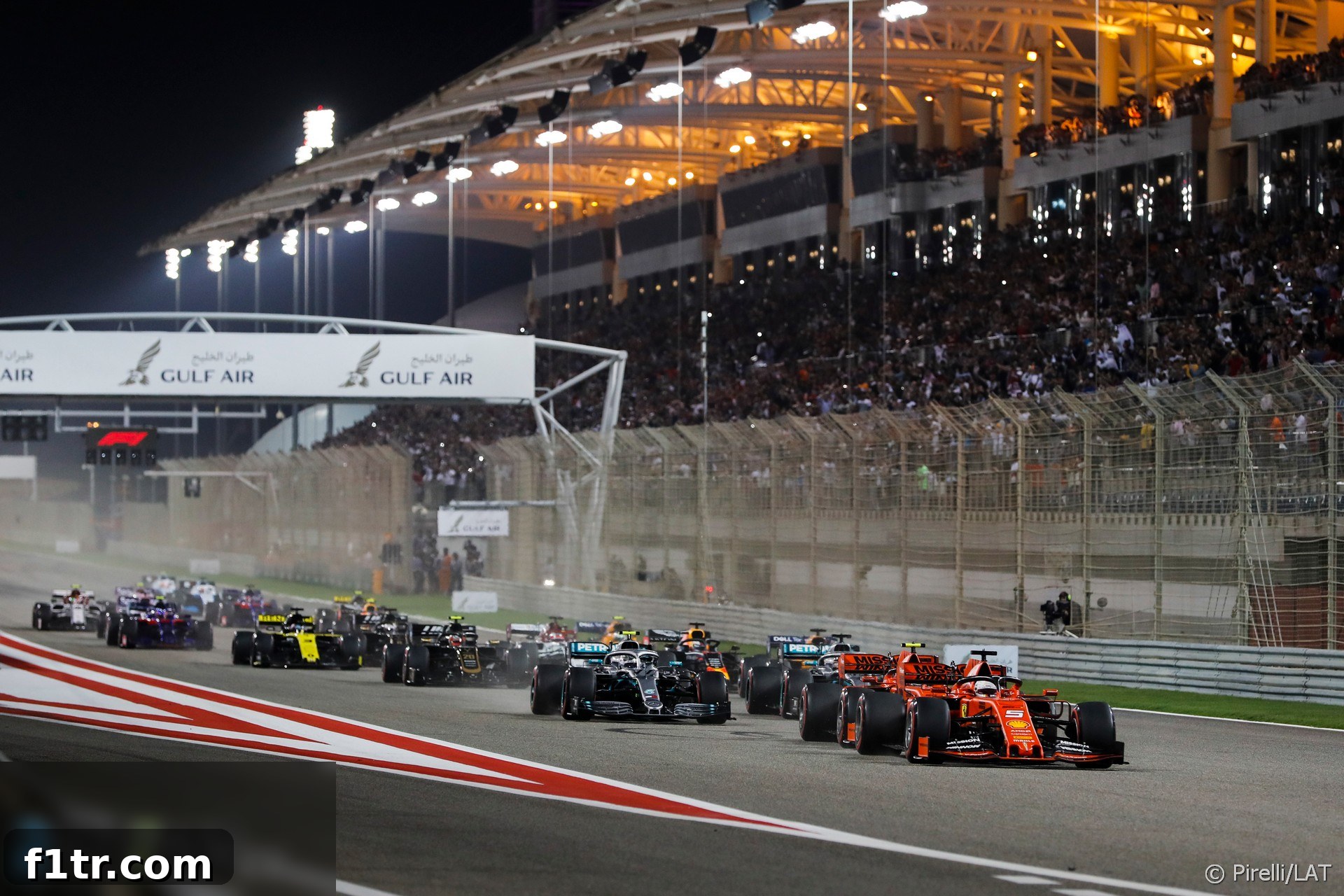
The global sports calendar faced unprecedented challenges at the onset of the COVID-19 pandemic, and Formula 1 was no exception. In a decisive move to prioritize public health and safety, the organisers of the Bahrain Grand Prix announced significant restrictions on ticket sales for the highly anticipated race. This measure was a direct response to the escalating global spread of the Coronavirus, which causes the COVID-19 disease, signaling a new era of event management in the face of widespread health crises.
The decision by the Bahrain International Circuit (BIC) followed a turbulent period for international motorsports. The pandemic had already led to the regrettable postponement of the prestigious Chinese Grand Prix, a cornerstone event in the F1 calendar. Beyond Formula 1, other major racing series, including Formula E and Moto GP, had experienced cancellations and extensive delays, highlighting the universal impact of the virus on large-scale public gatherings. The Bahrain Grand Prix organisers, therefore, took proactive steps to mitigate risks while still aiming to deliver an enthralling race experience.
Advert | Become a Supporter & go ad-free
Prioritizing Public Health: The Phased Ticket Sales Approach
At the heart of the Bahrain International Circuit’s strategy was a carefully considered approach to managing spectator numbers. Operators explicitly stated their commitment to ensuring the well-being of all attendees, team personnel, and circuit staff. This commitment translated into a policy of limiting ticket sales, with an additional reassurance that refunds would be readily available if circumstances necessitated further adjustments or cancellations. This dual approach aimed to provide both immediate safety measures and long-term flexibility for fans.
A formal statement from the BIC clarified the rationale behind these unprecedented steps: “In light of the continued global outbreak of Covid-19, the BIC has announced that it will be phasing the sales of Grand Prix tickets to ensure appropriate social distancing guidelines are met.” This “phasing” implied a dynamic ticketing model, where the number of available tickets would be adjusted based on the evolving health situation and official guidance. Such a strategy allowed for meticulous crowd control, ensuring that the circuit could maintain a safe environment conducive to preventing viral transmission.
Ensuring Flexibility and Transparency for Fans
The BIC emphasized transparency and adaptability in its communications. The statement continued, “As further facts emerge, the BIC is in close communication with both Formula One management and the Kingdom’s health authorities to assess the developing situation and release further tickets or refund the face value of tickets depending on circumstances and updated medical advice.” This proactive engagement with F1’s governing body and local health experts underscored a dedication to making informed decisions rooted in scientific and public health recommendations. For fans, this meant a clear understanding that their investment was protected, offering peace of mind in an uncertain time.
Comprehensive Safety Protocols: A Multi-Layered Approach to Event Security
Beyond managing crowd density through ticket sales, the Bahrain Grand Prix organizers implemented a robust suite of public health measures designed to create a secure environment for everyone involved. These comprehensive protocols were meticulously planned and executed in anticipation of the Grand Prix, demonstrating a proactive stance on health and safety and setting a benchmark for international sporting events.
Advanced Screening and Medical Facilities
- Rigorous Screening Procedures on Entry: Every individual entering the circuit, including spectators, team members, and staff, was subjected to rigorous screening protocols. This typically involved non-invasive thermal scanning to detect elevated body temperatures, a key indicator of fever. Additionally, health declaration forms were often mandated to identify potential risk factors, recent travel to affected areas, or any symptoms consistent with COVID-19. This first line of defense was crucial in preventing symptomatic individuals from entering the venue.
- Specialist Medical Facilities Onsite: The circuit was equipped with enhanced medical facilities that far exceeded standard provisions for major events. These specialized units included dedicated isolation areas for suspected COVID-19 cases, ensuring immediate containment and preventing potential spread. Furthermore, rapid testing capabilities were often available, allowing for quick diagnosis. A significantly larger and highly trained team of healthcare professionals, including doctors, nurses, and paramedics, was on standby, ready to respond to any medical emergency or public health concern efficiently and effectively.
Enhanced Hygiene and Public Information Campaigns
- Enhanced Sanitation and Disinfection at the Circuit: A stringent and continuous sanitation regimen was put in place. This involved frequent and thorough disinfection of all public areas, including grandstands, hospitality suites, restrooms, vendor stalls, and all high-touch surfaces such as railings, doorknobs, and interactive displays throughout the venue. Professional cleaning crews operated continuously, ensuring that contact transmission risks were minimized.
- Strategic Placement of Additional Hand Washing Stations: To promote optimal personal hygiene, numerous additional hand washing stations equipped with soap and running water, alongside abundant hand sanitiser dispensers, were strategically placed across the circuit. These facilities were readily accessible in high-traffic areas. Clear, visible signage accompanied these stations, encouraging frequent hand washing and the use of sanitiser, empowering individuals to take an active role in preventing viral transmission.
- Dedicated Information Points for Fans: To keep attendees informed and compliant, dedicated information points were established throughout the circuit. These points provided fans with up-to-date health advice, clear guidelines on social distancing practices, and detailed explanations regarding the circuit’s implemented safety measures. These served as crucial resources for addressing spectator queries, dispelling misinformation, and ensuring adherence to all health protocols, fostering a sense of collective responsibility.
Specific Medical Protocols for Managing Suspected Cases
One of the critical components of the overarching safety framework involved detailed medical protocols for managing any suspected cases of COVID-19 that might arise within the circuit premises. These meticulously outlined protocols established a clear and rapid chain of action, from immediate isolation of the individual and their close contacts, to comprehensive medical assessment by onsite professionals. This also included facilitating rapid testing, coordinating with local health authorities for official reporting, and initiating robust contact tracing efforts to identify and advise anyone who may have been exposed. The primary objective was to swiftly identify, isolate, and effectively manage potential cases to prevent further transmission within the event perimeter, showcasing a commitment to rapid and effective crisis response and public health protection.
Advert | Become a RaceFans supporter andgo ad-free
Collaboration and Commitment: A United Front Against the Virus
The successful implementation and ongoing effectiveness of these extensive measures relied heavily on a profound spirit of collaboration. The promoters of the Bahrain Grand Prix reiterated their unwavering commitment to organizing not just any race, but a “safe and exciting” one. This ambitious goal was pursued through close and continuous collaboration with all relevant government departments within the Kingdom of Bahrain, particularly the Ministry of Health and the Ministry of Interior. This crucial inter-agency cooperation was vital in aligning the circuit’s specific health strategy with national public health directives and leveraging broader governmental resources and expertise to mitigate the spread of the Coronavirus effectively across all levels of the event.
The Broader Impact on Global Sporting Events
The decisions made by the Bahrain Grand Prix organizers were highly reflective of a larger, global trend where major sporting events across various disciplines had to adapt drastically or face outright cancellation. The precedent set by events like the Chinese Grand Prix and various other international competitions underscored the immense pressure on organizers worldwide to meticulously balance economic viability, fan engagement, and paramount public health responsibilities. The Formula 1 calendar, in particular, saw unprecedented changes, with races postponed, rescheduled, or removed entirely, leading to a condensed and geographically diverse season unlike any other in its illustrious history.
The challenges extended significantly beyond mere logistics; they encompassed the very essence of the traditional fan experience. The customary buzz of crowded grandstands, the communal roar of engines, and the close proximity of passionate supporters were all critically re-evaluated in the context of viral transmission risks. The Bahraini organizers, by opting for a meticulously phased ticket sales approach and implementing stringent health checks, demonstrated a profound commitment to preserving as much of the live racing experience as possible, albeit under strictly controlled and safe conditions. This adaptive and responsible approach became an influential blueprint for other major global events seeking to resume operations safely and sustainably.
The Future of Spectator Sports and Event Management
The 2020 Bahrain Grand Prix, with its strict health protocols and innovative management strategies, inadvertently became a pivotal test case for the future of large-scale spectator events in a post-pandemic world. It vividly highlighted the indispensable role of robust scientific advice, transparent governmental cooperation, and profound organizational agility in ensuring public safety while attempting to continue global entertainment. The invaluable experience gained from implementing these comprehensive measures provided crucial insights into managing complex crowd flows, deploying advanced health screening technologies, and fostering a vital culture of collective responsibility among all attendees. It unequivocally underscored that while the inherent passion for motorsport and live events remained undiminished, the fundamental methods of enjoying them had to evolve dramatically to safeguard public health and ensure long-term viability.
Ultimately, the proactive and meticulously planned actions taken by the Bahrain International Circuit were a testament to their unwavering dedication to the sport, its participants, and its global fanbase. They successfully demonstrated that even in the formidable face of an unprecedented global crisis, it was indeed possible to host a world-class event responsibly and safely. By placing health and safety at the absolute forefront of their operations, they set a commendable benchmark for adaptability, resilience, and ethical event management within the international sports community, thereby paving the way for future events to navigate similar complex challenges with enhanced confidence and comprehensive preparedness.
Related Articles from the 2020 F1 Season
- Grosjean to make F1 test return tomorrow for first time since Bahrain horror crash
- Pictures: Wrecked chassis from Grosjean’s Bahrain fireball crash to go on display
- Bottas vs Rosberg: Hamilton’s Mercedes team mates compared after 78 races each
- F1 revenues fell by $877 million in Covid-struck 2020 season
- Hamilton and Mercedes finally announce new deal for 2021 season
Browse all 2020 F1 season articles