Max Verstappen Criticizes FIA’s Decision: Michael Masi Was “Thrown Under the Bus”
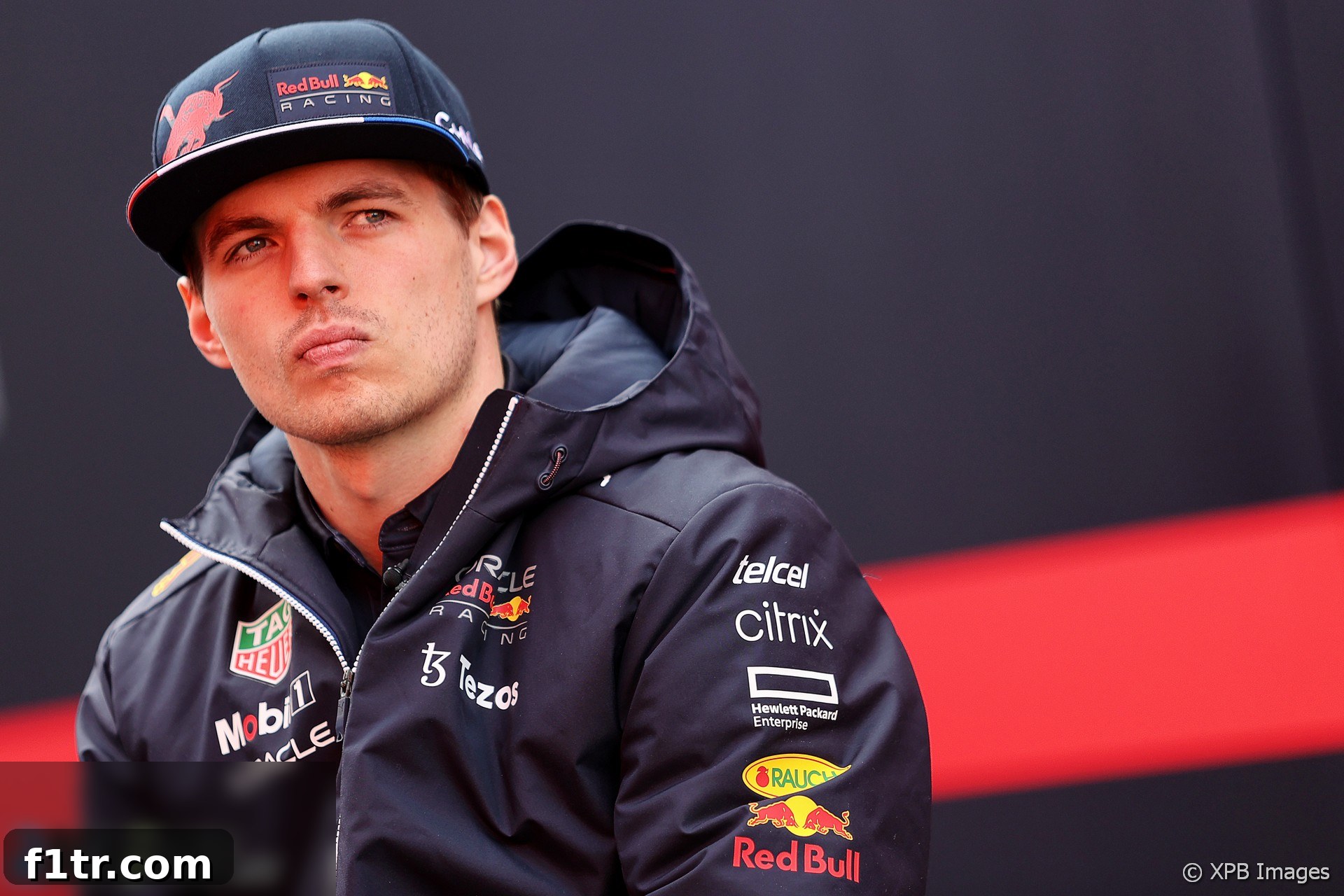
The aftermath of the controversial 2021 Formula 1 Abu Dhabi Grand Prix continues to ripple through the sport, with its biggest protagonist, Max Verstappen, speaking out strongly against the FIA’s decision to remove Michael Masi from his role as Formula 1 Race Director. Verstappen, the recipient of the championship under Masi’s contentious Safety Car decision, expressed his belief that Masi was unfairly treated and “thrown under the bus” by the sport’s governing body.
Michael Masi had taken on the challenging role of F1 Race Director at the start of the 2019 season, following the sudden and unexpected passing of the highly respected Charlie Whiting. Whiting had held the position for many years, establishing a deep understanding of the sport and its complex regulations. Masi’s tenure, however, concluded abruptly after an FIA investigation into the dramatic conclusion of the 2021 season finale in Abu Dhabi.
The investigation scrutinized Masi’s handling of a late-race Safety Car period, during which he was accused of contravening established regulations by allowing only a select group of lapped cars to unlap themselves, effectively setting up a one-lap shootout between title contenders Max Verstappen and Lewis Hamilton. This decision ultimately allowed Verstappen, on fresh tyres, to overtake Hamilton on the final lap and clinch his maiden world championship. Following the review, new FIA President Mohammed Ben Sulayem announced a significant restructuring of race control, confirming that Masi would not remain as Race Director. Instead, the role would be shared by Eduardo Freitas and Niels Wittich for the upcoming season, signaling a new era for Formula 1 officiating.
Verstappen’s Vehement Defense of Masi
Speaking to the media in Barcelona during pre-season testing, Max Verstappen voiced his considerable disappointment and disagreement with the FIA’s move, arguing that Masi was subjected to an untenable level of pressure throughout his time in the role. Verstappen highlighted the relentless communication from powerful team principals, notably Mercedes’ Toto Wolff and Red Bull’s Christian Horner, who would directly lobby Masi during races, often screaming their demands into his ear.
“I think it’s not correct,” Verstappen stated unequivocally. “For me, it’s very unfair what happened to Michael because he’s really been thrown under the bus. Of course, people talk a lot about what was decided in Abu Dhabi, but can you imagine the referee in whatever sport having the coach or equivalent screaming in his ear all the time: ‘yellow card’, ‘red card’, ‘no decision’, ‘no foul’? It’s impossible to make a decision.”
Verstappen’s analogy underscored a fundamental issue many observers and participants felt contributed to the contentious decisions made during the season. The Dutchman firmly believes that the very structure allowing team principals to directly influence the Race Director was inherently flawed and placed an impossible burden on Masi. “So I think, in the first place, F1 really allowing for team members could talk to him while making decisions is very wrong, because it needed to be Michael making the decisions on his own without having people screaming in his ear,” Verstappen added, emphasizing the need for an independent and unpressured decision-making process.
A Call for Empathy and Support
Verstappen expressed profound sympathy for Masi, revealing that he had personally reached out to the former Race Director during the off-season. He lauded Masi’s capabilities and dedication, suggesting that the public perception of him had been unfairly skewed by the intense spotlight of a single, highly controversial event.
“I feel really sorry for Michael because I think he was a really capable and good race director,” Verstappen affirmed. “I have nothing against the new race directors because I think they are also very capable and very good race directors, but personally for Michael, I felt really sad and I sent him a text as well. So, not the right decision.”
The reigning world champion also delved into the immense challenge Masi faced in stepping into Charlie Whiting’s shoes. Whiting was not only a veteran of the sport but also had a robust support system, something Verstappen believes Masi lacked. The role of Race Director in Formula 1 is arguably one of the most demanding in global sport, requiring split-second decisions with monumental implications, all under the glare of millions of spectators and the intense scrutiny of multi-million-dollar teams.
“After Charlie died, it’s very hard to take over from someone like him,” Verstappen explained. “He had so much experience from previous years. And also Charlie had a lot of help around him and maybe Michael just needed a little bit more. Everybody needs experience. I came into this sport my first year – when I look back at it now I was a complete rookie and now I’m so much further than I was back then and I think it would have been the same for Michael. So to immediately sack him, for me, was not the right decision. But I wish him all the best with whatever comes next and I hope it is better than being an F1 race director.”
Verstappen’s comments highlight a critical point: experience in such a complex role is invaluable, and Masi, relatively new to the top job, was perhaps denied the opportunity to fully grow into it, especially without the comprehensive support structure that his predecessor enjoyed. The abrupt nature of his removal, rather than a guided transition or enhanced support, struck many as particularly harsh.
Drivers Stand United in Support of Masi
Max Verstappen was not alone in his sentiments. Several other prominent drivers also voiced their appreciation for Michael Masi’s tenure and the challenging nature of his role, demonstrating a surprising unity across the grid regarding the human element of race control. Their comments paint a picture of a Race Director who, despite the controversies, consistently prioritized driver welfare and maintained an open dialogue with the competitors.
Sebastian Vettel: Masi Always Had an “Open Ear”
Four-time world champion Sebastian Vettel, known for his thoughtful perspectives on the sport, also expressed his gratitude for Masi’s willingness to engage with drivers. “Obviously the decision is taken and he’s not going to be in that role anymore,” Vettel acknowledged. “So we will see going forwards, but I hope whoever is coming will be working as hard and as committed as Michael was.” Vettel emphasized Masi’s approachable nature, a quality highly valued by the drivers who often need to communicate their concerns regarding track conditions, safety, or specific incidents during a race weekend.
Charles Leclerc: Difficult Decisions Under Immense Pressure
Charles Leclerc of Ferrari echoed the sentiment that Masi genuinely tried to make the best decisions possible under extreme pressure. “I have a lot of respect for Michael, for what he has done,” said Leclerc. “As we’ve seen in the last race, it’s not easy. You need to take the decision quickly. Having said that, he will still be there in a different position and I wish him the best. Then for the future, let’s see. I’m pretty sure that the FIA has more information than we do on all of this and they took, in their opinion, the best solution for Formula 1, which I hope will be the case.” Leclerc’s pragmatic view acknowledges the difficulty of the role and the FIA’s ultimate responsibility to act in what it perceives as the best interest of the sport, even if individual decisions are contested.
Fernando Alonso: Prioritizing Driver Safety
Two-time world champion Fernando Alonso of Alpine added his voice to the chorus, specifically highlighting Masi’s consistent prioritization of driver safety. This is a critical aspect for drivers, as their lives literally depend on the Race Director’s vigilance and sound judgment. “I surely think that Michael was trying to protect us all the time – which is what we ask from a race director,” Alonso stated, affirming a core tenet of the role.
Alonso also touched upon the inherent subjectivity of many racing decisions, a point that often leads to frustration among drivers and fans alike. “All the decisions, sometimes it will be okay for some and not okay for some others, because you will never feel fair on some of the decisions as it has happened to me – track limits in lap one and things like that. Even if I felt was not fighting for the world championship, you always feel that sometimes it gets okay and sometimes not. But he was protecting us.” This perspective underscores that while specific rulings may be debated, Masi’s overarching commitment to driver well-being was recognized and appreciated by those on the track.
The Future of F1 Race Direction: Lessons Learned?
The collective support for Michael Masi from across the driver paddock signals a deep understanding of the pressures and complexities involved in F1 race direction. It also prompts important questions about how the sport will move forward. The FIA has implemented a new co-race director structure, bringing in Freitas and Wittich, supported by a Virtual Race Control Room similar to VAR in football. This aims to provide more consistency, reduce direct team interference, and distribute the immense workload.
The FIA’s decision to remove Masi, while aimed at restoring confidence in the officiating, has clearly left many within the sport feeling that the former Race Director became a scapegoat for systemic issues within the sport’s governance and the intense commercial pressures surrounding it. The drivers’ unified stance serves as a powerful reminder that while the rules must be upheld, the human element, the need for experience, and the provision of adequate support are paramount for anyone tasked with overseeing the pinnacle of motorsport.
Ultimately, the saga of Michael Masi’s departure underscores the incredibly demanding nature of the Formula 1 Race Director role. For the sport to thrive, and for future race directors to succeed, it will be crucial to learn from these past events, providing a more insulated, supported, and clearly defined environment for decision-making, ensuring that officials are judged on their consistent application of rules rather than being “thrown under the bus” by external pressures.
2022 F1 Season
- Mercedes told me “you’re wrong” about 2022 car’s problems – Hamilton
- FIA confirms all 10 F1 teams complied with 2022 cost cap
- Steiner “not ashamed” of panning “slow” Schumacher in Drive to Survive
- Albon believes year out of F1 improved him as a driver
- Hamilton sees diversity gains in F1 years on from his ‘traumatising’ experience of racism
Browse all 2022 F1 season articles