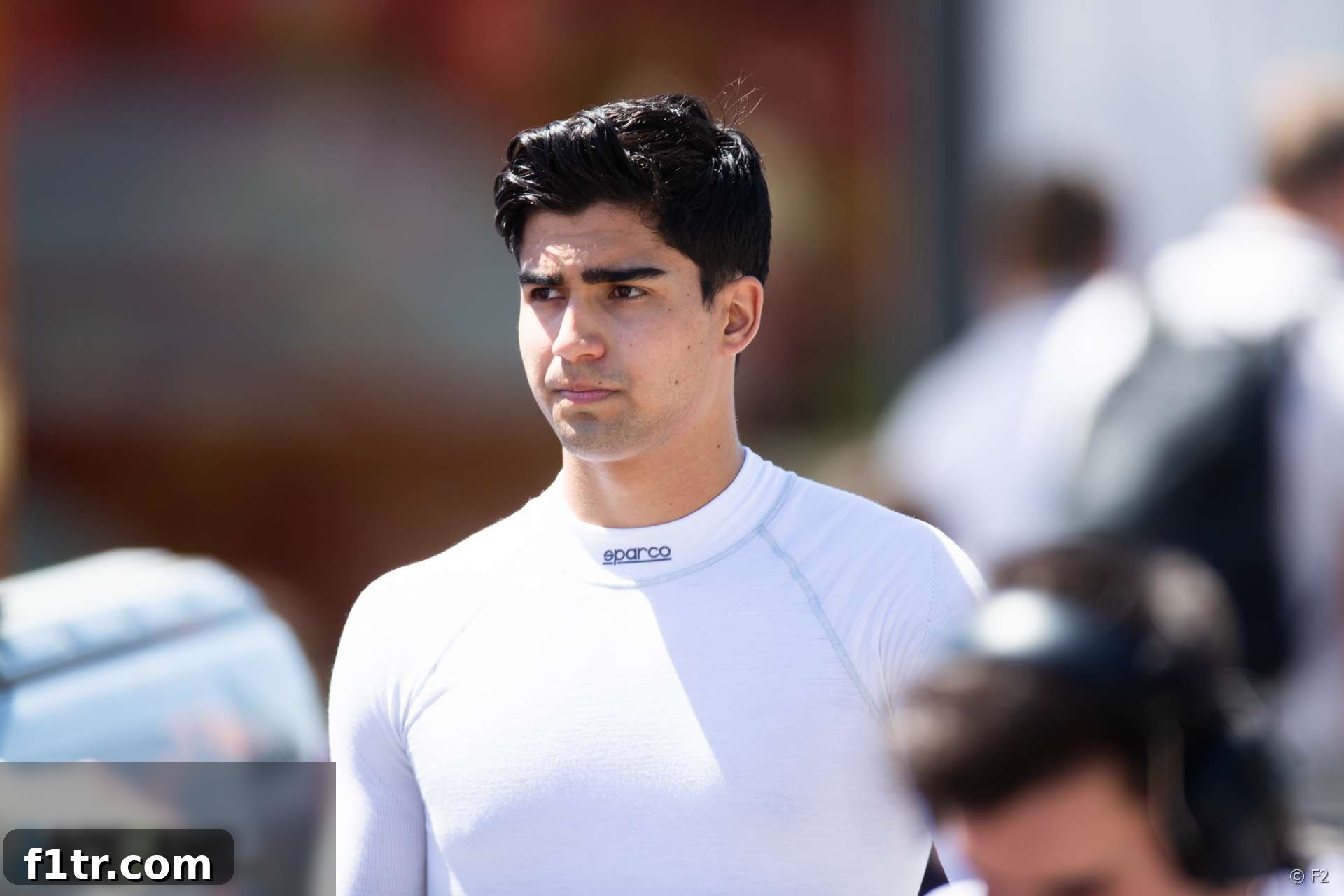
The global motorsport community breathes a collective sigh of relief as promising Formula 2 driver Juan Manuel Correa shows significant signs of recovery following the harrowing accident at Spa-Francorchamps just three weeks prior. In a crucial and eagerly anticipated update, Correa’s family has confirmed that the young racer has been successfully removed from the induced coma he was placed in and is no longer reliant on the ECMO (Extra Corporeal Membrane Oxygenation) machine or other life support systems. This marks a monumental step forward in his arduous journey toward recovery, offering a beacon of hope amidst the profound sorrow that has enveloped the racing world.
The tragic incident, which unfolded on the iconic Raidillon corner of the Belgian circuit, sent shockwaves through the paddock and beyond. Correa sustained extensive and life-threatening trauma, including severe injuries to both his legs and lungs, after being involved in a catastrophic collision with fellow competitor Anthoine Hubert. The crash tragically claimed the life of Hubert, casting a somber shadow over the sport and highlighting the ever-present risks faced by these brave athletes. While the pain of Hubert’s loss remains deeply felt, the positive developments regarding Correa’s condition provide a much-needed testament to human resilience and the relentless efforts of his medical team.
The family’s statement, released through official channels, conveyed the cautiously optimistic news: “As of today, Juan Manuel Correa has been removed from the ECMO machine, life support and taken out of induced coma.” They further elaborated, acknowledging the dual nature of this progress: “While this is great news and a major step in the right direction, he is still in a race against time.” This powerful sentiment underscores the delicate balance between celebrating progress and recognizing the immense medical challenges that still lie ahead for the 20-year-old driver.
Currently, Juan Manuel is reported to be “conscious, but not fully yet awake.” Doctors treating him have indicated that a complete return to full awareness will be a gradual process, likely taking several days, a common occurrence after being in an induced coma for over two weeks. This period of transition is critical, as his body and mind slowly readjust. The medical team has emphasized that despite the encouraging improvements, Juan Manuel remains in a fragile and vulnerable state medically. He continues to be under intensive care in the Intensive Care Unit (ICU), where he receives constant monitoring and specialized attention. Crucially, his overall condition has been officially upgraded from critical to serious, signaling a stabilizing trend in his health.
The initial medical priority following such severe trauma was undoubtedly focused on stabilizing Correa’s respiratory function and ensuring his lungs could sustain his life. The successful removal from the ECMO machine signifies that his lungs have improved sufficiently to manage oxygenation independently, a monumental hurdle overcome. With this critical phase showing positive resolution, the focus of the medical team at the UK hospital where he is being treated has now shifted to the complex and urgent task of addressing the severe leg injuries he sustained in the high-speed crash. These injuries, which were a devastating consequence of the impact, have been largely unaddressed since the initial emergency interventions performed on the day of the incident.
As the family’s statement articulated, “The medical priority for Juan Manuel now shifts from the lungs to the leg injuries that were sustained more than two weeks ago and have not been addressed since the initial emergency intervention the day of the incident.” This change in focus marks the beginning of another critical phase in his recovery. Doctors are now in a strenuous “race against time” to perform a major, pending surgery on his legs. The primary objective of this intricate operation is to minimize the risk of irreversible injuries, particularly to his right lower extremity. The delay in this crucial surgery was necessitated by the need for his lungs to regain sufficient strength and stability to safely withstand a lengthy and demanding operation, highlighting the interconnectedness of his severe injuries and the careful planning required for his medical care.
The road to full recovery, especially for a professional athlete whose career depends on peak physical condition, is expected to be incredibly long and challenging. The sheer extent of his injuries, coupled with the complexity of surgical interventions and subsequent rehabilitation, will test Juan Manuel’s determination and resilience to their absolute limits. However, his journey has already demonstrated an extraordinary will to fight, inspiring countless individuals within and outside the motorsport world. The outpouring of support from fans, fellow drivers, teams, and the broader motorsport community has been immense, providing a powerful testament to the solidarity that defines this high-stakes sport. From heartfelt messages on social media to gestures of remembrance for both Juan Manuel and Anthoine, the community has rallied together in a profound display of empathy and hope.
This tragic event at Spa has once again brought the critical issue of safety in motorsport to the forefront. While Formula 1 and Formula 2, alongside the FIA, have made monumental strides in driver safety over the decades, every incident serves as a stark reminder of the inherent dangers. The continuous drive for innovation in chassis design, protective gear, track safety measures, and medical response protocols is a testament to the sport’s unwavering commitment to safeguarding its participants. Lessons learned from every accident, no matter how devastating, invariably contribute to further advancements, aiming to prevent future tragedies and enhance survival chances in extreme circumstances.
For Juan Manuel Correa, the immediate future involves navigating this critical surgical phase and then embarking on an intensive, prolonged rehabilitation program. The journey will demand immense physical and mental fortitude, but his fighting spirit, evident in his progress so far, offers strong optimism. The family has pledged to provide additional details on Juan Manuel’s condition as they become available, ensuring the public and the motorsport community are kept informed of his progress. The world watches, waits, and hopes for the continued recovery of a courageous young driver who has already defied immense odds. His story is a poignant reminder of the fragility of life, the brutal demands of elite sport, and the extraordinary capacity for human resilience in the face of adversity.
Formula Two
- Formula 2 to debut in Miami and Montreal after Iran war cancellations
- Ex-McLaren junior Dunne’s move to Alpine finally confirmed
- Schumacher says his IndyCar feels like ‘an F2 car, just with better tyres’
- The Formula 2 team with an older driver line-up than almost half the F1 grid
- FIA to award more F1 superlicence points to IndyCar drivers from 2026
Browse all Formula 2 articles