The Grand Revival: French Grand Prix to Restore Classic F1 Traditions
In a move that will undoubtedly delight motorsport purists and enhance the spectacle of victory, the winner of this year’s highly anticipated French Grand Prix will be granted a traditional lap of honour after the race, a cherished ritual that has largely been absent from Formula 1 for decades. This exciting development signals a conscious effort by event organizers and potentially F1 management to reconnect with the sport’s illustrious past and amplify the raw emotion of a Grand Prix triumph.
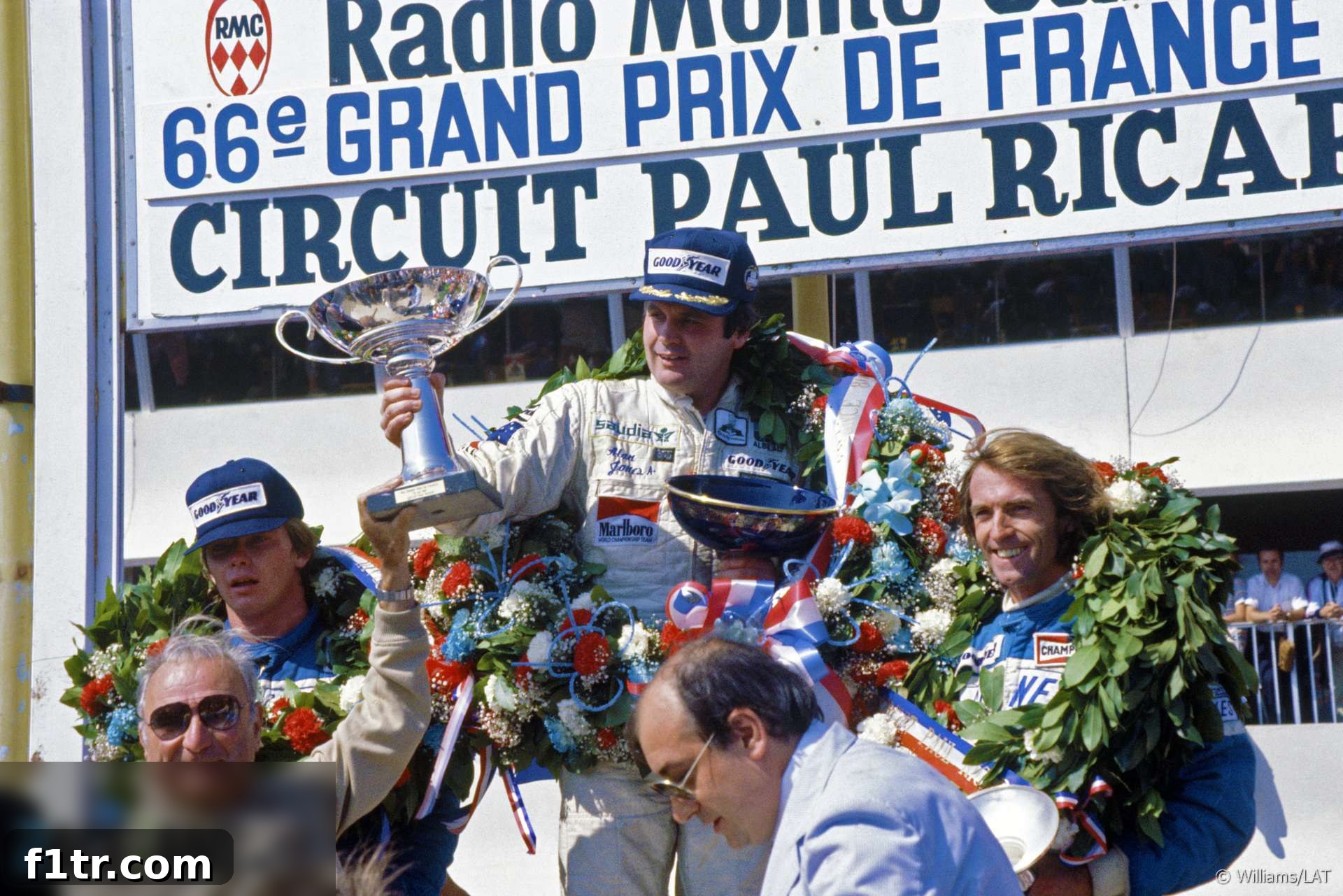
Beyond the celebratory lap, further plans are actively being considered to reintroduce another iconic symbol of motorsport success: the use of laurel wreaths on the podium. These wreaths, steeped in ancient tradition and symbolizing honor and triumph, would once again crown the victors, adding a layer of historical gravitas to the modern-day podium celebrations. This dual reintroduction represents a significant step towards bringing back the pageantry and historical continuity that many fans believe have been missing from contemporary Formula 1 events.
Why Traditions Faded: A Look Back at F1’s Commercial Evolution
These time-honored traditions, once standard practice in the golden era of Formula 1, gradually faded from the scene during the 1970s and 1980s. Their disappearance was not arbitrary but rather a direct consequence of the sport’s rapidly evolving commercial landscape and the increasing demands of broadcast media. As Formula 1 transformed into a global spectacle, the intricate balance between tradition and commercial viability began to tip, leading to the phasing out of rituals deemed incompatible with the sport’s burgeoning economic interests.
The decision for drivers to stop wearing laurel wreaths on the podium was primarily driven by commercial pressures. Sponsors, who invest substantial amounts of money into teams and drivers, naturally desired maximum visibility for their logos. Laurel wreaths, while historically significant, were unfortunately perceived as obscuring vital sponsor branding on driver overalls and helmets, diminishing the return on investment for key partners. In an era where every inch of prime advertising space became critical, the aesthetics of tradition gave way to the practicalities of corporate exposure.
Similarly, the traditional victory laps were progressively phased out due to the ever-increasing demands of post-race media obligations. As television broadcasts became more sophisticated and global audiences grew, immediate access to drivers for interviews became paramount. A driver embarking on a full lap of honour would significantly cut into the precious window available for mandatory media duties, including television interviews, press conferences, and team debriefs. The need for instant reactions and analysis from the race winner outweighed the nostalgic appeal of a solitary celebratory lap, as broadcasters and media partners sought to deliver prompt, engaging content to a hungry audience.
The French Grand Prix: A Triumphant Return to Paul Ricard
The context for this revival of traditions is particularly fitting, as France hosts a round of the FIA Formula 1 World Championship for the first time in a decade. The legendary Paul Ricard circuit, nestled in the south of France, will welcome the pinnacle of motorsport in June, marking a highly anticipated comeback for a nation with a profound and storied connection to Grand Prix racing. The circuit itself last hosted an F1 Grand Prix way back in 1990, an event famously won by French motorsport icon Alain Prost for Ferrari, adding another layer of historical resonance to this year’s return.
The Paul Ricard circuit is an emblematic venue in Formula 1 history, renowned for its challenging layout, high-speed straights, and technical corners. Its return to the calendar has been met with widespread enthusiasm from drivers, teams, and fans alike. With its distinctive blue and red run-off areas, advanced facilities, and a climate that often promises glorious sunshine, Paul Ricard offers a unique blend of heritage and modernity. For a country that has produced legends like Prost, René Arnoux, and Jean-Pierre Jabouille, and hosted some of the sport’s most memorable races, the French Grand Prix is more than just another event on the calendar; it’s a celebration of national motorsport pride.
Embracing Heritage: What the Revival Means for Formula 1
The decision to reinstate the lap of honour and consider the return of laurel wreaths at the French Grand Prix could signify a broader philosophical shift within Formula 1. Under new management, there has been a noticeable effort to honor the sport’s deep-rooted history while simultaneously pushing for innovation and global expansion. This move at Paul Ricard might serve as a pilot, gauging fan reaction and operational feasibility, potentially paving the way for similar traditional revivals at other historic circuits on the F1 calendar.
For fans, these traditions offer a tangible link to the past, evoking memories of legendary drivers and epic battles. The sight of a triumphant driver waving to the crowd from their car, or proudly wearing a laurel wreath on the podium, deepens the emotional connection to the sport. It humanizes the heroes of F1, allowing them a moment of pure, unadulterated celebration shared directly with the spectators who have cheered them on. This enhanced fan engagement is crucial for F1, as it seeks to attract new generations while retaining the loyalty of its long-standing global fanbase.
Moreover, the reintroduction of such rituals could subtly influence the narrative of F1, balancing the relentless pursuit of technological advancement and commercial success with a reverence for its legacy. It reminds everyone that beneath the high-tech machinery and multi-million-dollar sponsorships lies a sport rich in human endeavor, courage, and symbolic gestures of victory. The French Grand Prix, with its unique blend of history and a triumphant return to an iconic venue, appears to be the perfect stage for this meaningful step back into Formula 1’s cherished past.
Experience F1 without distractions – Go Ad-Free!>> Discover membership benefits and sign up today
Related Articles: Exploring the 2018 F1 Season and Beyond
For more insights into the world of Formula 1, its evolving landscape, and pivotal moments in recent history, explore these related articles:
- F1 feared “death knell” for Drive to Survive after Ferrari and Mercedes snub
- McLaren staff told us we were “totally crazy” to take Honda engines in 2018 – Tost
- ‘It doesn’t matter if we start last’: How Red Bull’s junior team aided Honda’s leap forward
- Honda’s jet division helped F1 engineers solve power unit problem
- McLaren Racing losses rise after Honda split
Browse all articles related to the 2018 F1 season and historical context.