The global COVID-19 pandemic brought the world to an unprecedented standstill, impacting industries and sports across the globe. Formula 1, the pinnacle of motorsport, was no exception. Faced with an immediate hiatus in racing and the cancellation of the initial eight races of the 2020 season, the championship organizers were compelled to implement drastic measures to ensure the sport’s financial stability and long-term viability. One of the most significant steps taken was the furloughing of approximately half of its workforce, a clear indicator of the immense challenges confronting the sport.
Formula 1 Navigates Unprecedented Challenges: Furloughs, Pay Cuts, and a Reshaped Future
Formula 1’s corporate structure, with around 500 dedicated staff primarily based across two key locations in the UK – St James’s Market in London and Biggin Hill in Kent – felt the direct impact of the abrupt halt to the racing calendar. These employees, who manage everything from logistical operations and media rights to strategic planning and marketing, found their roles temporarily suspended as the sport entered an enforced downtime. The decision to furlough a substantial portion of the staff was not taken lightly but became a necessary economic measure to mitigate the substantial revenue losses incurred from cancelled races, lack of ticket sales, hospitality income, and reduced broadcast fees. This immediate action was crucial in preventing further financial strain on the championship’s core operations.
Leadership Demonstrates Commitment Through Significant Pay Cuts
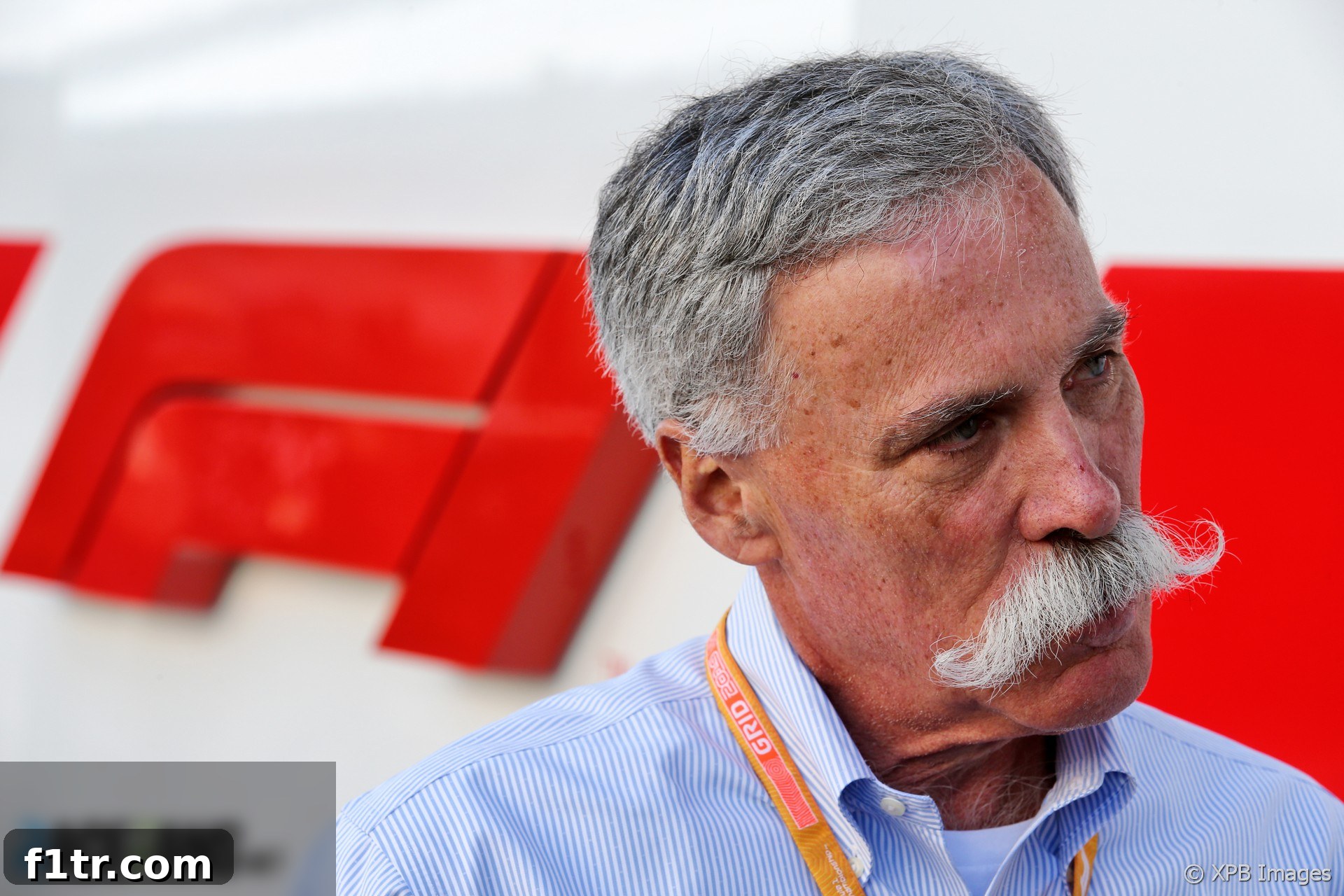
In a powerful display of solidarity and financial prudence, Formula 1’s senior leadership immediately stepped forward to share the economic burden. Senior staff members across the organization voluntarily accepted significant pay reductions, with a standard cut of 20% being implemented. This move sent a clear message that everyone, from the top down, was committed to safeguarding the future of Formula 1 during these trying times. Furthermore, Chairman and CEO Chase Carey, the sport’s leading executive, went above and beyond, signaling his intent to take an even larger voluntary pay cut. Reports indicated that the scale of Carey’s reduction in compensation could potentially amount to his entire salary, a remarkable gesture that underscored the severity of the situation and the leadership’s dedication to the sport’s survival. Such actions are not only symbolic but also contribute tangibly to preserving capital and morale within the organization.
F1 Teams Follow Suit: Protecting the Workforce Amidst Uncertainty
The economic ramifications of the pandemic were not confined solely to the championship organizers; they reverberated strongly through the ten Formula 1 teams, many of whom operate on incredibly tight budgets even in normal circumstances. Following the lead of the parent organization, a growing number of teams began implementing their own temporary leave policies and corresponding pay cuts for staff and even drivers. McLaren, a historic and prominent name in Formula 1, was among the first to publicly confirm details of staff furloughs and salary reductions across various levels, including their drivers and senior management. Williams and Racing Point, two other British-based teams, quickly followed suit, announcing similar measures to protect their workforces and ensure their financial resilience. These actions highlighted the collective responsibility and unity within the Formula 1 community to navigate the unprecedented challenges. For many teams, especially the smaller independent outfits, the lack of prize money from races and sponsorship income created an existential threat, making these cost-cutting measures absolutely vital for their continued operation.
Strategic Calendar Adjustments and Forward-Thinking Regulatory Shifts
Beyond immediate personnel and financial adjustments, Formula 1 demonstrated proactive strategic planning to cope with the crisis and prepare for an eventual return to racing. One key decision was to bring forward the mandatory factory shutdown period. Historically scheduled for August, this three-week shutdown, during which teams are prohibited from working on their cars, was moved to an earlier slot in the spring. This move offered multiple benefits: it allowed teams to cease operations during a period when no racing was possible, minimizing ongoing costs associated with development and manufacturing. It also contributed to public health efforts by encouraging staff to stay home and practice social distancing, while simultaneously preserving a more flexible window for potential racing later in the year, should the global situation improve. This strategic calendar adjustment underscored Formula 1’s adaptability and commitment to operational efficiency in crisis.
The Postponement of 2021 Technical Regulations
One of the most far-reaching decisions made during this period of crisis involved the postponement of the radical new technical regulations originally slated for introduction in 2021. These regulations, which had been years in the making, aimed to fundamentally reshape Formula 1 by promoting closer racing, reducing the performance gap between teams, and making the sport more sustainable. However, with the onset of the pandemic, it became clear that forcing teams to develop entirely new cars under such uncertain financial conditions would be irresponsible and potentially devastating. The sport’s stakeholders, including the FIA (Fédération Internationale de l’Automobile), Formula 1 management, and all ten teams, collectively agreed to push back the implementation of these new rules to 2022. This postponement provided critical breathing room for teams, allowing them to conserve resources, focus on surviving the immediate financial storm, and delay the massive expenditure required for a ground-up car redesign. It was a pragmatic decision that prioritized the health and stability of the entire grid over immediate sporting evolution, ensuring that all teams would have a more equitable chance to adapt when the time was right.
Revisiting the Budget Cap: A New Era of Financial Prudence
Complementing the postponement of technical regulations, further measures to alleviate the financial burden on competitors remained under intense discussion. Chief among these was the revision of the financial regulations, which were also due to be introduced in 2021, most notably the sport’s first-ever budget cap. Initially set at £175 million (approximately $225 million USD), the budget cap was conceived as a groundbreaking mechanism to level the playing field, encourage efficiency, and ensure the long-term sustainability of the sport by preventing runaway spending by wealthier teams. However, the economic fallout from the pandemic drastically altered the financial landscape. Discussions quickly turned to the possibility of implementing an even lower limit for the budget cap. A reduced cap, potentially falling closer to the £130-140 million mark, was debated as a critical step to further reduce costs and safeguard the future of all teams, especially those with fewer resources. This revised cap would necessitate even greater ingenuity and fiscal discipline from teams, potentially leading to innovative approaches in car design, operational management, and personnel allocation. The ongoing dialogue emphasized Formula 1’s commitment to creating a more financially robust and competitive environment for years to come, reflecting a fundamental shift towards greater financial responsibility.
The Road Ahead: Uncertainty, Resilience, and a Unified Front
The initial phase of the global pandemic plunged Formula 1 into unprecedented uncertainty, yet it also spurred a remarkable level of cooperation and adaptability. While the exact timeline for a return to racing remained fluid and dependent on global health conditions, the collective actions taken by Formula 1 management, the FIA, and the teams demonstrated a unified commitment to overcome the crisis. The measures – from furloughs and pay cuts to strategic factory shutdowns and regulatory postponements – were designed not just to survive the immediate downturn but to build a more resilient and sustainable future for the sport. The resilience of the Formula 1 community, its dedication to its staff, and its innovative approach to financial and sporting challenges offered a beacon of hope that the roar of the engines would eventually return, stronger and more sustainable than ever before. The sport emerged from this period with a clearer vision for fiscal responsibility and a renewed sense of purpose, poised to captivate its global fanbase once racing could safely resume.
Advert | Become a Supporter & go ad-free
Don’t miss anything new from RaceFans
Follow RaceFans on social media:
- Join RaceFans on Facebook
- Follow RaceFans on Twitter
- Get daily email updates from RaceFans
2020 F1 Season News & Updates
- Grosjean to make F1 test return tomorrow for first time since Bahrain horror crash
- Pictures: Wrecked chassis from Grosjean’s Bahrain fireball crash to go on display
- Bottas vs Rosberg: Hamilton’s Mercedes team mates compared after 78 races each
- F1 revenues fell by $877 million in Covid-struck 2020 season
- Hamilton and Mercedes finally announce new deal for 2021 season
Browse all 2020 F1 season articles
Advert | Become a RaceFans supporter andgo ad-free