Lewis Hamilton’s Enduring Battle: The Lingering Impact of COVID-19 on an F1 Champion’s Health and Performance
Seven-time Formula 1 World Champion Lewis Hamilton has openly discussed the profound and persistent challenges he has faced with his fitness since being diagnosed with COVID-19 in November of the previous year. His candid revelation underscores the often-underestimated long-term effects of the virus, even on elite athletes, and brings into sharp focus the immense resilience required to compete at the pinnacle of motorsport while battling an invisible adversary. Hamilton’s journey offers a crucial perspective on the complexities of post-viral recovery and its implications for sustained high-performance careers.
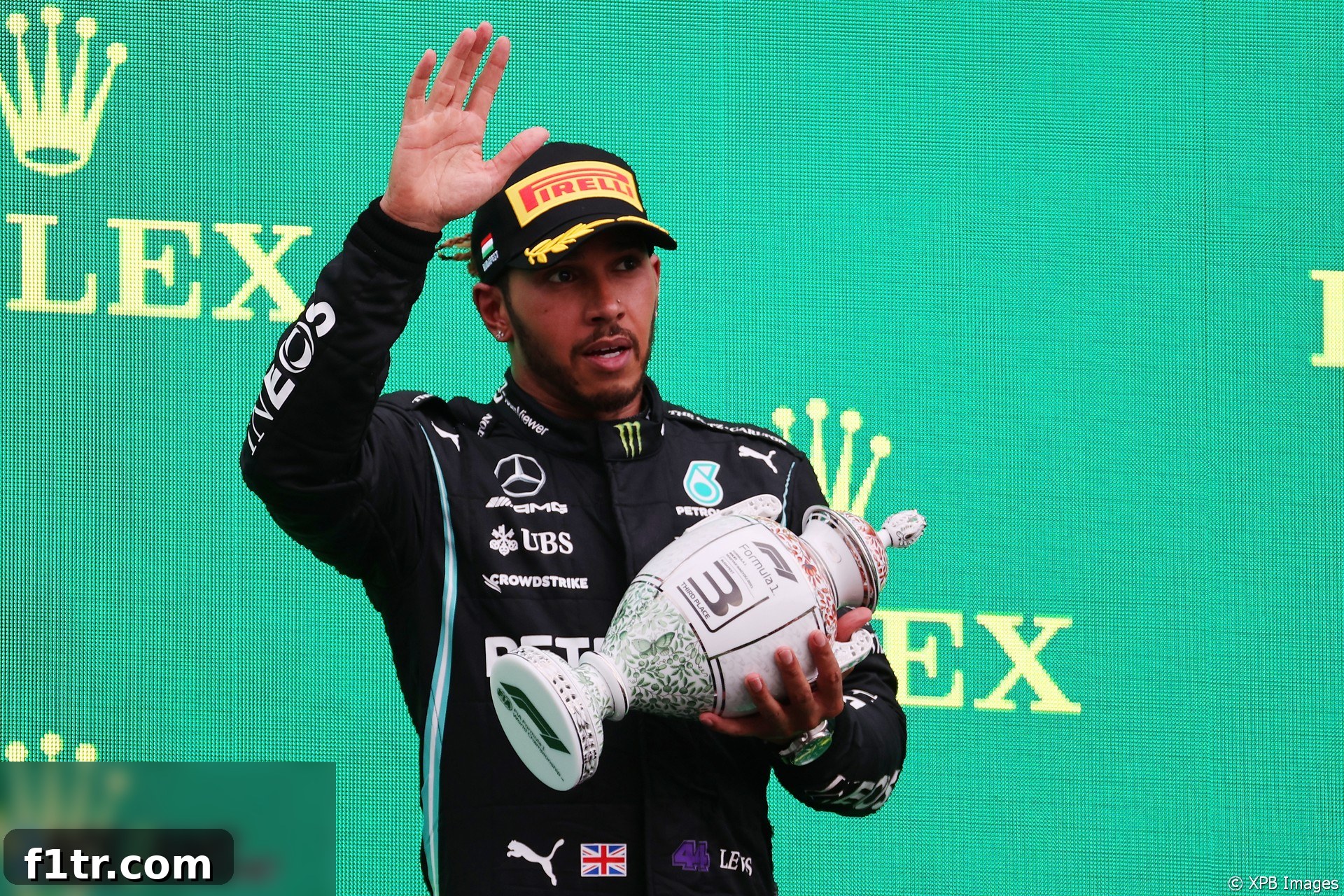
The toll of his ongoing health struggle became strikingly evident during a recent race at the Hungaroring. Following a demanding performance in intense conditions, the Mercedes driver appeared visibly unwell on the podium, sparking concern among fans and media alike. His condition was such that he was forced to miss the initial part of the post-race press conference, requiring immediate medical attention from a doctor. This incident served as a stark reminder that even the world’s fittest athletes are not immune to the lingering impacts of the coronavirus, and that the physical demands of Formula 1 can expose even subtle health compromises.
The Hungarian Grand Prix Incident: A Public Display of Struggle
The scenes from the Hungaroring podium were unusual and concerning, drawing significant attention to Hamilton’s health. A visibly shaken Hamilton eventually joined the press conference, offering an honest and insightful explanation for his discomfort. “I had real big dizziness and everything got a bit blurry on the podium,” Hamilton confessed, painting a clear picture of the physical distress he was experiencing. He further elaborated on the year-long struggle, stating, “I’ve been fighting all year with staying healthy after what happened at the end of last year. It’s a battle.” These words resonated deeply, highlighting the continuous effort required to maintain his physical and mental peak in the cutthroat world of Formula 1.
For an athlete of Hamilton’s calibre, known for his exceptional physical conditioning, mental fortitude, and meticulous preparation, such symptoms are highly atypical. The demands of an F1 race are immense, with drivers subjected to extreme G-forces during braking and cornering, cockpit temperatures that can exceed 50 degrees Celsius, and the need for intense concentration for over 90 minutes. Any compromise to a driver’s physical state, particularly issues like dizziness and blurred vision, can severely impair performance, impact decision-making, and even compromise safety. Hamilton’s public display of vulnerability provided a rare glimpse into the unseen battles fought by those at the top of their game, emphasizing the profound and personal toll of long-term illness.
A Persistent Challenge: Living with Long COVID in Elite Sports
The Initial Diagnosis and Missed Race
Lewis Hamilton was one of a handful of F1 drivers to test positive for COVID-19, with his diagnosis coming in November. This forced him to miss the Sakhir Grand Prix, marking a rare and significant absence from the grid for the ever-present champion. While he completed his isolation period and returned to racing in the final race of that season, it quickly became apparent that the journey back to full health would be far more protracted and challenging than anticipated. His experience mirrored that of many individuals globally who, despite recovering from the initial acute phase of the virus, found themselves grappling with a range of lingering symptoms, commonly referred to as “Long COVID” or Post-Acute Sequelae of SARS-CoV-2 infection (PASC).
Post-Recovery Health Concerns and Lingering Effects
Since his return to the cockpit, Hamilton has been remarkably candid about his ongoing health struggles. He admitted, “I haven’t spoken to anyone particularly about it, but I think it is lingering.” This acknowledgment of a persistent, underlying issue is critical for understanding the reality of post-viral fatigue. He vividly recalled the post-infection period: “I remember the effects of when I had it and training’s been different since then. The levels of fatigue you get is different and it’s a real challenge, as I said, so I’m just continuing to try and train and prepare the best way I can.” This detailed account offers valuable insight into how Long COVID can fundamentally alter an athlete’s physical capacity, endurance, and training regimen, making even routine activities more taxing and extending recovery periods significantly.
The Broader Context of Athletes and COVID-19
Hamilton’s experience is not unique among elite athletes. Across various sports, numerous professionals have reported similar struggles with post-COVID symptoms, including chronic fatigue, reduced lung capacity, cardiac issues, and cognitive fog. These testimonies highlight a broader public health concern: while younger, fitter individuals might recover from the acute phase of COVID-19 more easily, the long-term impact can still be significant, potentially jeopardizing careers built on peak physical performance. The F1 paddock itself has seen multiple cases, with six F1 drivers having tested positive for the virus, including Hamilton, illustrating the widespread nature of this challenge within the highly competitive world of motorsport and emphasizing the need for robust health monitoring.
Unpacking the Physical Toll on a Seven-Time World Champion
The Demands of Formula 1: Where Precision Meets Endurance
Formula 1 is arguably one of the most physically demanding sports in the world, requiring a unique blend of strength, endurance, and mental agility. Drivers endure gravitational forces of up to 5G during braking and cornering, equivalent to five times their body weight, placing immense strain on their necks and core muscles. Their heart rates remain elevated for the entire duration of a race, often averaging above 170 beats per minute, demanding cardiovascular fitness comparable to marathon runners. Combined with the extreme cockpit heat, constant vibration, and the need for razor-sharp reflexes and split-second decision-making, it requires an almost superhuman level of fitness and mental stamina. For a driver like Hamilton, who thrives on pushing boundaries and maintaining absolute precision, any diminishment in physical capacity, no matter how subtle, can have profound implications for his ability to extract every ounce of performance from his Mercedes car.
Hamilton’s Resilience and Adaptability Amidst New Adversity
Throughout his illustrious career, Lewis Hamilton has demonstrated unparalleled resilience, overcoming numerous challenges on and off the track to achieve his unprecedented success. From navigating intense championship battles to adapting to significant rule changes and technological advancements, he has consistently proven his ability to perform under pressure and evolve as a driver. However, battling the unseen and unpredictable effects of Long COVID presents a new and particularly insidious adversary. It’s a challenge that cannot be solved simply by a faster car or a better strategy; it requires a deep understanding of his own body, an unwavering commitment to recovery and adaptation, and potentially, a complete re-evaluation of his physiological limits.
Comparing Symptoms: Hungary vs. Silverstone and Environmental Factors
Hamilton noted that the symptoms experienced in Hungary were significantly worse than anything he had felt earlier in the season. “Today, who knows what it is, maybe it’s hydration, I don’t know, but I’ve definitely not had that experience,” he said, adding, “I had something similar, in Silverstone but this is way worse.” This comparison is highly telling and suggests a potential fluctuating or even worsening of his post-COVID condition. While environmental factors like extreme heat, humidity, and the physically demanding nature of the Hungaroring circuit could have exacerbated symptoms, the fact that these manifestations were so severe, surpassing previous instances like those at Silverstone, underscores the unpredictable and episodic nature of Long COVID. It highlights the constant vigilance required by those affected, especially when subjected to the intense physical and mental stressors of elite competition.
The Road Ahead: Hamilton’s Continued Fight for Peak Performance
Dedicated Training and Preparation Amidst Lingering Effects
Despite the ongoing struggles, Hamilton’s commitment to his sport remains unwavering. He has reiterated his determination to “continue to try and train and prepare the best way I can.” This demonstrates his professional ethos and his relentless drive to mitigate the impact of his health issues through meticulous preparation and adaptive training regimens. His journey is not just about physical recovery in a traditional sense, but also about finding innovative ways to optimize performance within the constraints of his current health, a testament to his champion’s mindset and his continuous pursuit of excellence, even in the face of significant personal adversity.
The Mental Aspect: Battling an Invisible Illness on the World Stage
Beyond the undeniable physical toll, the psychological burden of competing at the highest level while battling an invisible illness cannot be overstated. The constant questioning of one’s own body, the uncertainty surrounding the timeline and completeness of recovery, and the immense pressure to perform under intense public scrutiny can be mentally exhausting. Hamilton’s openness about his struggles also serves a crucial purpose: it helps to normalize conversations around athlete well-being and the importance of mental health support in professional sports, particularly when facing such complex and poorly understood health challenges like Long COVID. His honesty fosters empathy and understanding within the sporting community and beyond.
Implications for His Championship Bid and Legacy
Lewis Hamilton’s health battle carries significant implications for his championship aspirations. In a sport where fractions of a second can determine victory, any decrement in physical or mental capacity can have far-reaching consequences on race performance, strategy, and overall championship standings. His ability to manage these lingering effects will be crucial for his performance in upcoming races and his pursuit of an unprecedented eighth world title. Regardless of the immediate sporting outcomes, his courage in speaking out about his Long COVID experience adds another profound layer to his already formidable legacy, showcasing his strength not just as a driver, but as a human being facing extraordinary personal health challenges with integrity and determination.
The F1 Community’s Awareness and Support
The prevalence of COVID-19 within the F1 paddock, affecting not only drivers but also team personnel, underscores the collective challenge faced by the sport as a whole. The shared experiences of individuals like Hamilton and the McLaren staff who tested positive earlier in the year, emphasize the need for continued vigilance, stringent health protocols, and robust support systems for those battling the after-effects of the virus. The well-being of drivers and all personnel remains paramount, highlighting the human element behind the glamorous, high-stakes world of Formula 1. The sport’s proactive approach to health and safety continues to evolve in response to these ongoing challenges.
Advert | Become a RaceFans supporter and go ad-free
More on the 2021 Hungarian Grand Prix
- Ocon congratulated by past French F1 aces after breakthrough win
- Alpine doubt first win signals a performance breakthrough
- Vettel disqualification hearing to take place on Monday
- Why no one received a Grosjean-style race-ban for the Hungarian GP pile-up
- Ocon’s “beautiful” late-stint pace was other key to Alpine’s breakthrough win
Browse all 2021 Hungarian Grand Prix articles