FIA Mandates F1 Engine Parity: Leveling the Playing Field for Customer Teams
In the high-stakes world of Formula 1, where technological advantage often dictates success, the relationship between engine suppliers and their customer teams has long been a subject of intense scrutiny. A significant rule change introduced for the 2018 season by the sport’s governing body, the FIA, aimed to address longstanding concerns about fairness and ensure that customer teams receive power units truly comparable to those utilized by their manufacturer counterparts. This pivotal amendment mandated that engine suppliers must ensure their customer engines are “capable of being operated in precisely the same way” as their own factory-backed entries, a move widely applauded by the independent teams who rely on external power unit supply.
The Core of the Controversy: Unlocking Full Engine Performance
For years, whispers circulated in the Formula 1 paddock regarding a perceived disparity in engine performance between factory teams and their customers. The suspicion often centered around the sophisticated “engine modes” or mapping strategies that allow power units to unlock maximum performance for short bursts, crucial for qualifying laps or defending positions during a race. While manufacturers officially supply the same hardware, the concern was that customer teams might be subtly or overtly limited in their access to these peak performance modes, either through software restrictions, data access limitations, or even less detailed operational guidance.
This potential imbalance posed a significant threat to the competitive integrity of the sport. If customer teams, despite investing heavily in advanced power units, were unable to fully exploit their potential, it created an uneven playing field. Such a scenario would inherently favor manufacturer teams, allowing them to maintain a competitive edge not solely based on chassis development or driving talent, but on a controlled advantage derived from their engine supply relationship. The FIA’s intervention directly targeted this ambiguity, seeking to eliminate any grey areas that could be exploited to the detriment of fair competition.
The FIA’s Mandate: A Clear Directive for Engine Fairness
The FIA’s technical directive, initially revealed by RaceFans, served as a crucial clarification of the regulations already in place, but with a renewed emphasis on enforcement and transparency. By explicitly stating that customer engines “must be capable of being operated in precisely the same way” as factory engines, the FIA laid down a clear marker. This wasn’t merely about providing identical physical hardware; it extended to the operational software, the range of available engine maps, and the ability of customer teams to extract the absolute maximum performance from their power units without artificial constraints.
This directive underscored the FIA’s commitment to ensuring a level playing field across the grid. It put the onus squarely on engine manufacturers to prove, if challenged, that their customer teams were indeed operating with the same fundamental capabilities. The aim was not to stifle innovation, but to prevent the weaponization of engine software and operational secrets as a means of disadvantaging customer entries. The rule aimed to foster an environment where a team’s success is determined by its overall package – chassis, aerodynamics, drivers, and the effective integration of the power unit – rather than by hidden clauses in an engine supply contract.
Perspectives from the Pit Lane: Customer Teams Welcome Clarity
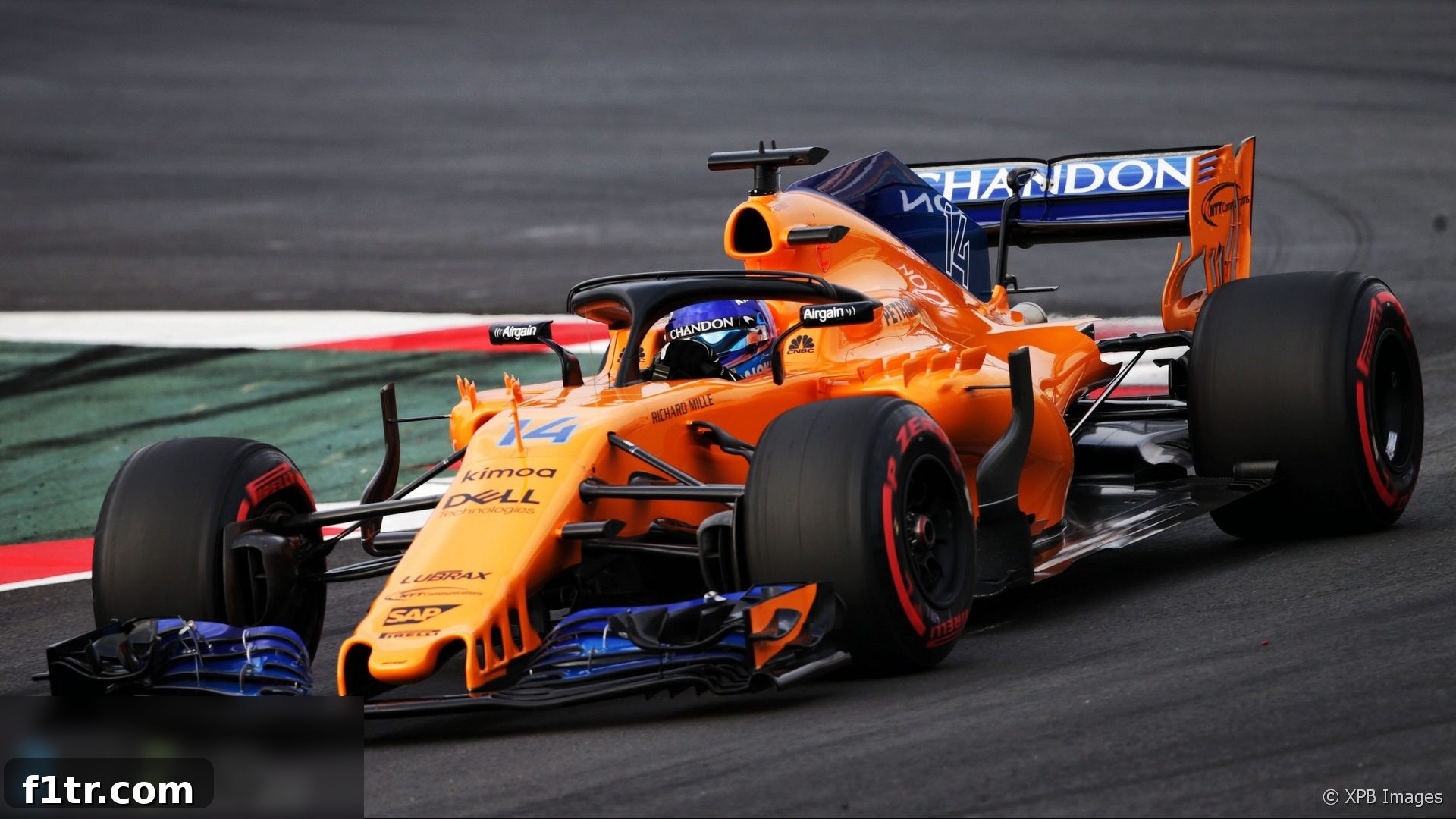
The reception from customer teams was, predictably, largely positive, highlighting the underlying anxieties that had plagued them. McLaren, for instance, had just embarked on a new partnership with Renault for the 2018 season, switching from Honda. McLaren group executive director Zak Brown expressed confidence in their new supplier but acknowledged the broader issue.
“We were always very comfortable that Renault give parity to their customer teams,” Brown stated, underscoring that this assurance was a key factor in McLaren’s decision to partner with them. However, he quickly added, “it was one of the reasons that we were very comfortable going with them. So it was never a concern at all. But certainly you hear stories up and down the pit lane from other teams.” This candid admission from a senior team principal underlined that the issue of engine parity was not an isolated rumour but a pervasive concern within the F1 community.
Brown further articulated the principled stance: “I think there should be total parity, that’s what the rules are. So I’m glad that’s been clarified hopefully that’ll close up the gap.” His comments reflected a broader desire within the sport for clear rules that ensure fair competition, allowing teams to compete on merit rather than being hampered by their engine supplier relationships.
Force India, a long-standing Mercedes customer team, offered a slightly different perspective. Their chief operating officer, Otmar Szafnauer, noted that they had no direct experience of being denied access to performance modes available to the Mercedes factory team. However, Szafnauer’s pragmatic view also highlighted the inherent difficulty in policing such an issue: “It’s one of those things that hypothetically speaking, say that we were to have different maps, they’re never going to tell you.” This statement perfectly encapsulated the challenge facing the FIA: how to monitor and enforce a rule when direct evidence might be deliberately obscured. It pointed to the need for robust technical scrutiny and potentially more transparent data sharing between suppliers and customers under FIA oversight.
A Look Back: The History of F1 Engine Supplier Dynamics
The tension between engine suppliers and customers is not a new phenomenon in Formula 1. Throughout its history, privateer teams relying on customer engines have often found themselves battling against factory-backed efforts enjoying bespoke solutions or preferential treatment. In eras gone by, this might have manifested as delays in receiving updated components, less development support, or simply the factory team having exclusive access to the ‘latest and greatest’ before it reached the customers.
The introduction of complex hybrid power units in 2014 amplified these dynamics. These power units are not just engines; they are highly integrated systems of internal combustion engines, energy recovery systems (ERS), and sophisticated software. This complexity created more avenues for potential disparity, moving beyond mere horsepower figures to intricate management of electrical energy deployment and fuel efficiency. The 2018 directive therefore represented a crucial evolution in tackling these modern challenges, acknowledging that “parity” now encompasses much more than just a power output number on a dyno.
Impact on Competition and the Future of F1
The FIA’s firm stance on engine parity was designed to foster a more competitive and exciting Formula 1 season. By ensuring customer teams have the same fundamental tools, it allows their chassis and aerodynamic innovations, along with driver skill, to shine through more effectively. A reduction in manufacturer-derived engine advantage could lead to closer racing, more unpredictable results, and potentially a broader spread of teams challenging for podiums and points. This is vital for the long-term health and appeal of the sport, as fans are drawn to genuine competition rather than predetermined hierarchies.
Going forward, the enforcement of this rule remains key. The FIA’s technical delegates play a crucial role in monitoring compliance, potentially through analysis of engine data from both factory and customer teams. The directive also encourages greater transparency and trust between engine suppliers and their customers, promoting a healthier ecosystem within the sport. As power unit technology continues to evolve, the principles of fairness and equal opportunity, as enshrined in this 2018 rule change, will be paramount in shaping the future competitive landscape of Formula 1.
Ultimately, the FIA’s commitment to engine parity reinforces the spirit of Formula 1 as a pinnacle of motorsport where innovation thrives within a framework of fair and transparent competition. It’s a step towards ensuring that every team, regardless of its engine supply status, has a genuine opportunity to challenge for success on the global stage.
Go ad-free for just £1 per month>> Find out more and sign up
Related Articles: 2018 F1 Season Insights
Stay informed on other significant developments and stories from the 2018 Formula 1 season and beyond:
- F1 feared “death knell” for Drive to Survive after Ferrari and Mercedes snub
- McLaren staff told us we were “totally crazy” to take Honda engines in 2018 – Tost
- ‘It doesn’t matter if we start last’: How Red Bull’s junior team aided Honda’s leap forward
- Honda’s jet division helped F1 engineers solve power unit problem
- McLaren Racing losses rise after Honda split
Browse all 2018 F1 season articles