Navigating Change: Driver Perspectives on F1’s Evolving Landscape
Formula 1, a sport steeped in tradition yet constantly pushing the boundaries of innovation, frequently finds itself at the crossroads of progress and heritage. Recent seasons have been no stranger to significant shifts, both on and off the track. From the introduction of controversial safety devices to a re-evaluation of long-standing commercial practices, the sport continues to evolve, sparking passionate debate among fans, teams, and drivers alike. This article delves into some of these pivotal changes, offering insights from key figures like Sergio Perez and Brendon Hartley, alongside a broader look at the dynamic discussions shaping the future of Formula 1.
Drivers Weigh In: Grid Girls, Grid Kids, and the Halo
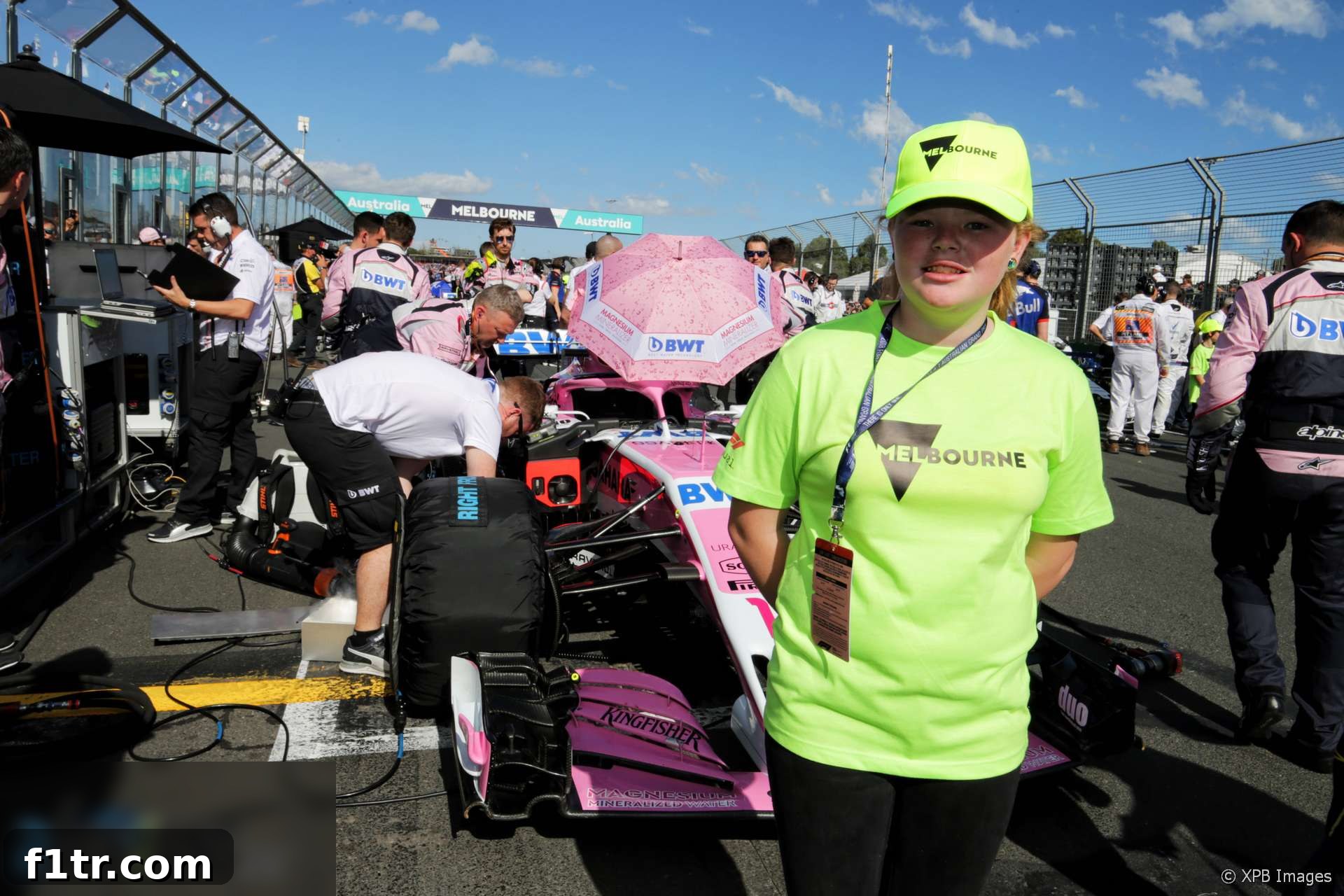
One of the most talked-about decisions by Formula One Management (FOM) in recent memory was the move to replace the traditional ‘grid girls’ with ‘grid kids’. This change, aimed at modernizing the sport’s image and making it more inclusive, sparked a wide range of reactions. Many hailed it as a positive step towards aligning F1 with contemporary values, while others lamented the loss of what they considered a part of the sport’s historical identity.
Speaking before a race following the announcement, seasoned F1 competitor Sergio Perez candidly shared his disappointment regarding the shift:
“Yeah, that’s a bit of a shame really. I think that was some identity that Formula One had, all the history. But let’s see what other ideas they bring.”
Perez’s sentiment reflects a common thread among those who valued the historical aesthetic of Formula 1. For many, grid girls were an integral part of the pre-race spectacle, embodying a glamorous facet of the sport’s rich past. His comment also hints at an open-mindedness towards future changes, suggesting a readiness to adapt while still acknowledging the weight of tradition.
Alongside the discussion surrounding grid personnel, another significant introduction causing considerable debate was the Halo safety device. This cockpit protection system, mandated for all cars, aimed to enhance driver safety but drew criticism for its impact on the aesthetics of the single-seater machines. Brendon Hartley, a driver who experienced these changes firsthand, offered his perspective on both the Halo and the grid girls decision:
“Halo is definitely not very pleasing on the eyes but inside the car we don’t see it at all, it’s completely invisible. And we know why it’s there, it’s for safety. Already now it’s starting to become more normal. I think any time there’s a rule change in Formula One it takes a while for the fans and everybody to get used to it.”
“In terms of grid girls I don’t know what I should comment. I just got married, they were also invisible for me, let’s say, like the Halo.”
Hartley’s comments provide a pragmatic view from within the cockpit. His acknowledgement that the Halo is “not very pleasing on the eyes” echoes the initial public reaction, but his emphasis on its invisibility from the driver’s perspective highlights its practical integration into the racing experience. Crucially, he underscores the universal acceptance of its primary purpose: safety. He also wisely notes the natural human tendency to resist change in Formula 1, suggesting that given time, both fans and participants will grow accustomed to new regulations and features. His lighthearted remark about grid girls, linking them to the Halo’s invisibility, injects a touch of humor while subtly sidestepping the broader sociological implications, focusing instead on his personal, newly-married perspective.
These driver insights collectively underscore the multifaceted nature of change in Formula 1. Whether it’s a re-imagining of pre-race ceremonies to reflect evolving societal norms or the implementation of critical safety innovations, the sport remains a vibrant arena for discussion and adaptation. The opinions expressed by Perez and Hartley are representative of the diverse viewpoints that fuel the ongoing narrative of F1’s journey into the future, balancing respect for its storied past with an undeniable drive towards progress and safety.
Beyond the Paddock: F1 News and Innovations
Formula 1 is a dynamic sport, with news constantly breaking from circuits, factories, and boardrooms around the world. Here’s a daily digest of F1 news, views, features, and more from hundreds of sites across the web, offering a glimpse into the diverse topics currently shaping the sport:
Brawn: F1 ‘force field’ already being tackled (Autosport)
Ross Brawn, F1’s Managing Director of Motorsports, has been instrumental in shaping the sport’s future vision. His statements on developing a “force field” hint at advanced safety and aerodynamic solutions being explored for upcoming seasons, particularly targeting the radical regulation changes slated for 2021. This proactive approach aims to not only enhance safety beyond current measures but also to foster closer racing by managing the aerodynamic wake created by cars. Such innovations reflect F1’s continuous pursuit of excellence in both performance and driver protection, seeking a balanced solution that can be universally applied across the grid. The commitment to a “properly structured way” suggests a methodical development process, ensuring that any new technology is thoroughly vetted for safety, fairness, and effectiveness before implementation.
Sauber’s clever suspension winglets (Motorsport)
In the relentless pursuit of aerodynamic advantage, F1 teams constantly seek ingenious interpretations of the regulations. Sauber’s “clever suspension winglets” exemplify this intricate dance between engineering ingenuity and regulatory loopholes. These seemingly minor appendages, positioned within the outer 125mm of the wishbone shroud, cleverly exploit a grey area in the rules, being classified as part of the brake duct rather than the suspension. This distinction allows teams to gain subtle yet crucial aerodynamic benefits, demonstrating how even the smallest components can contribute significantly to overall car performance. Such innovations highlight the incredible attention to detail within F1 engineering, where marginal gains can often translate into competitive advantages on track, pushing rivals to constantly re-evaluate their own designs.
Chatting with Marko, F1’s king of straight talk (F1)
Dr. Helmut Marko, advisor to Red Bull Racing, is renowned for his unfiltered and often blunt assessment of drivers and team matters. His reputation as “F1’s king of straight talk” stems from a management style that prioritizes direct communication, even if it sometimes comes across as harsh. Marko’s philosophy, as he explains, isn’t about being unkind, but rather about fostering improvement and helping individuals find their own solutions. This approach, while unconventional, has undeniably been a defining characteristic of Red Bull’s driver development program, which has produced world champions and multiple race winners. Understanding Marko’s perspective offers insight into the demanding, high-pressure environment of top-tier Formula 1 teams and the unique personalities that shape their success.
Rich Energy chief: ‘I fell into the drinks business after meeting a mad scientist’ (The Telegraph – registration required)
The commercial landscape of Formula 1 is just as competitive as its racing. New brands and investors are always looking for opportunities to enter the global spotlight that F1 provides. Rich Energy, an ambitious drinks company, and its chief executive’s fascinating origin story exemplify the diverse entrepreneurial spirit drawn to the sport. His belief in the long-term potential of F1 under new management, even if current team valuations might be lower, speaks volumes about the perceived value and growth trajectory of the sport. This perspective underscores the strategic thinking of potential sponsors and team owners, who view F1 not just as a marketing platform, but as a robust business venture with significant future prospects. The comment about current F1 management being “very smart” further emphasizes a belief in the sport’s renewed commercial direction.
Formula One’s big fan-based data project (ESPN)
In the digital age, understanding and engaging the fan base is paramount for any global sport. Formula 1’s “big fan-based data project” highlights the sport’s commitment to leveraging analytics to enhance viewer experience and optimize commercial partnerships. By meticulously testing how different visuals and branding elements impact fan perception, F1 aims to tailor its content and identify the most effective sponsorship placements. This sophisticated approach involves showing various respondents different versions of footage – some with real sponsors, others with planted, non-existent brands – and then meticulously surveying their recall and reactions. Such data-driven strategies are crucial for maximizing revenue, attracting new partners, and ensuring that F1 remains relevant and appealing to its diverse global audience. It’s a clear indication that the sport is embracing modern marketing techniques to deepen its connection with fans.
We always endeavour to credit original sources. If you have a tip for a link to feature in the next RaceFans round-up please send it in here:
- Contact RaceFans
Social Media Highlights: Inspiring Moments
Social media plays an increasingly vital role in connecting the Formula 1 world with its global fan base, offering immediate updates and behind-the-scenes glimpses. Notable posts from Twitter, Instagram, and other platforms often capture the sport’s most compelling stories and achievements.
P3 Baby! Huge thanks to @CarlinRacing and a special mention for @Chilychilton for helping me make this possible! 🏁 #BillyWhizz pic.twitter.com/HAciAQ8WaL
— billywhizz (@BillyMonger) March 31, 2018
This triumphant tweet from Billy Monger celebrating his P3 finish perfectly encapsulates the spirit of perseverance and achievement that defines motorsport. Monger, an inspirational figure who returned to racing after a life-altering accident, frequently shares his journey and successes, resonating deeply with fans and fellow drivers alike. Such posts highlight the raw emotion and dedication that drive competitors at every level of the sport, reinforcing the powerful narratives that unfold both on and off the track. His gratitude towards his team and fellow racer underscores the collaborative effort required for success in motorsport, making his accomplishments all the more poignant and celebrated within the F1 community.
- Find more official F1 accounts to follow in the F1 Twitter Directory
Fan Voices: The Power Unit Conundrum
The passion of Formula 1 fans is nowhere more evident than in the vibrant discussions sparked by regulatory changes and strategic decisions. One such area of ongoing concern among the community revolves around the management and limited allocation of power units throughout the season. These limitations significantly influence team strategies, driver performance, and ultimately, the spectacle of racing.
“Isn’t anyone appalled by the fact that we have a team showing concerns over “excessive” use of a power unit in a particular mode during practice?
If we’re going to have teams limiting power unit use in race one where are we going to be after two or three races?
Teams will elect to not bother with practice one at all and possibly practice two just to protect their precious power units because with only three for a season, they daren’t risk them.
I predicted before the season started that we’d see some really odd outcomes because of team concerns with power units but Williams have made that a reality from race one.
They “say” they made a mistake, something that seems to happen all too often at Williams, but I suspect that the outcome is just a sign of things to come.
DB-C90 (@Dbradock)
This astute “Comment of the Day” from DB-C90 (@Dbradock) perfectly articulates the widespread frustration over the impact of power unit regulations. The fan raises a critical point: if teams are already conserving power units in the very first practice sessions of the season, what implications does this have for the competitive intensity and strategic depth of subsequent races? The concern is that stringent limits—only three power units per driver for an entire season—force teams into overly cautious strategies, potentially leading to less aggressive driving and even sacrificing valuable practice time to preserve engine mileage. This could result in a less engaging product for fans, as the true potential of the machinery might not always be unleashed. The mention of Williams’ early season struggles with power unit management serves as a tangible example of these concerns becoming reality, fueling fears that such issues could become a recurring theme, ultimately detracting from the thrill of pure, unbridled F1 competition.
Engaging the Community: Forum Discussions
Beyond the news and official statements, the F1 fan community thrives on interactive discussions. Our forums provide a platform for enthusiasts to delve deeper into various topics, share opinions, and connect with fellow supporters. These discussions are integral to the vibrant ecosystem of Formula 1 fandom.
- Are you signing up to get F1 TV Pro?
One prominent topic that captures the attention of many is the evolving landscape of F1 broadcasting and digital offerings, exemplified by the introduction of F1 TV Pro. This streaming service promises unprecedented access to live races, on-board cameras, and exclusive content, prompting fans to weigh the benefits against subscription costs and technical considerations. The forum thread “Are you signing up to get F1 TV Pro?” becomes a vital space for fans to exchange experiences, debate the value proposition, and collectively decide whether this new digital platform truly enhances their F1 viewing experience. Such discussions are crucial for both fans seeking advice and for Formula 1 itself, as it provides direct feedback on its commercial and digital strategies.
Celebrating the F1 Family: Happy Birthday!
Connecting with the F1 community also means celebrating the individuals who make the sport so special, whether they are active participants, passionate fans, or key figures behind the scenes. These personal touches add to the inclusive atmosphere of the Formula 1 world.
Happy birthday to Seymour!
If you want a birthday shout-out tell us when yours is via the contact form or adding to the list here.
A Look Back: On This Day in F1 History
Formula 1 has a rich and storied history, with significant events and memorable milestones occurring on every calendar day. Reflecting on “on this day” moments allows fans to appreciate the legacy and ongoing narrative of the sport, recognizing both celebrated figures and those who contribute behind the scenes.
- Happy 31st birthday to McLaren test driver Oliver Turvey
Today, we extend our birthday wishes to Oliver Turvey, a respected figure in the F1 paddock who has served as a test driver for McLaren. While not always in the spotlight of race day, test drivers play an invaluable role in the development and refinement of F1 machinery, contributing significantly to a team’s performance. Acknowledging individuals like Turvey highlights the depth of talent and dedication that underpins the sport, reminding us that success on track is a collective effort involving many skilled professionals. These “on this day” recognitions foster a deeper connection to the F1 family, celebrating all its members.