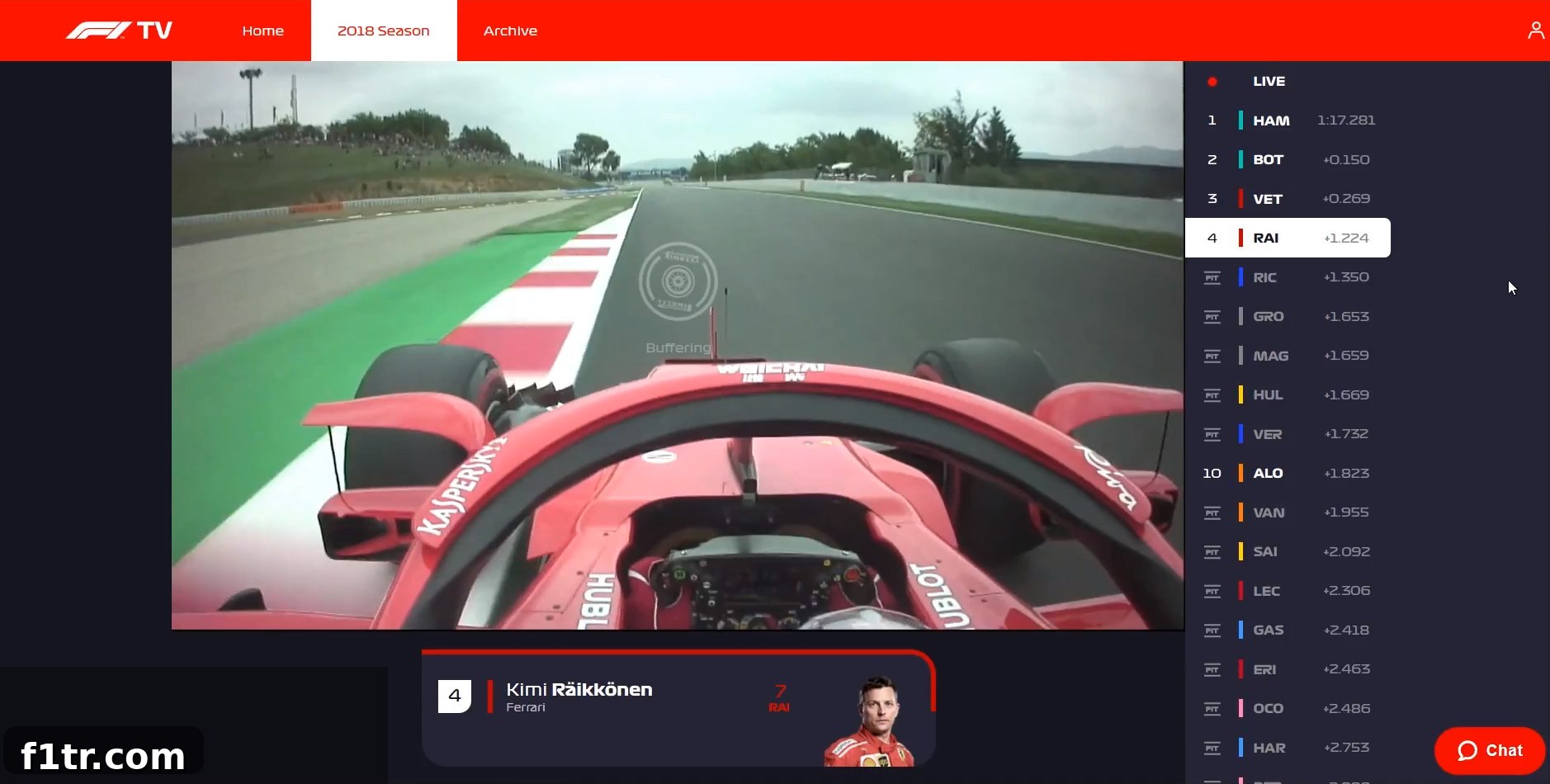
Formula One Management (FOM) has launched an intensive investigation into the significant technical problems that marred the inaugural weekend of its highly anticipated F1 TV streaming service. Reports confirm that the service, which debuted during the Spanish Grand Prix, encountered widespread issues that severely impacted the viewing experience for many subscribers.
Advert | Become a Supporter & go ad-free
Fans eager to witness the Spanish Grand Prix through the new live streaming platform were met with persistent buffering problems, pixelation, and other critical faults that frequently rendered the stream unwatchable. This frustrating experience left many users unable to follow the race action in real-time. In response to the widespread dissatisfaction, F1 has proactively offered refunds to all customers who were demonstrably affected by these service interruptions, acknowledging the severity of the launch day glitches.
The Ambitious Promise and Painful Reality of F1 TV’s Debut
The introduction of F1 TV was heralded as a groundbreaking step for Formula 1, promising to bring fans closer to the sport than ever before through a comprehensive digital platform. However, the service’s initial rollout transformed this promise into a source of considerable frustration for many. Subscribers, having invested in what was marketed as a premium viewing experience, were understandably disappointed when faced with consistent interruptions and unwatchable feeds during a marquee event like the Spanish Grand Prix.
The vision for F1 TV is undeniably ambitious. It entails the real-time broadcast of over two dozen distinct live streams, all delivered in crystal-clear 1080p High Definition (HD) quality. These streams originate from various international race locations, each presenting unique logistical and technical challenges. Furthermore, the service is designed with sophisticated geo-blocking technology, ensuring that content access is strictly controlled and available only within specific geographic regions due to complex broadcasting rights agreements. This multi-faceted technical requirement places immense pressure on the underlying infrastructure and the various vendors responsible for its operation.
Navigating the Labyrinth of Technical Complexity
Delivering a global live streaming service of F1 TV’s scale and complexity is an undertaking fraught with technical challenges. Unlike on-demand video playback, live streaming demands instantaneous data processing and delivery, with minimal latency, across vast distances. Any delay or bottleneck in this chain can result in the dreaded buffering icon that plagued users during the Spanish Grand Prix. F1 TV’s mandate to provide multiple camera angles – including all onboard cameras, pit lane views, and other exclusive feeds – alongside real-time data overlays and team radio communications, exponentially increases the technical hurdles.
Each of these individual feeds must be meticulously synchronized, encoded, and distributed to millions of potential viewers simultaneously, tailored to their specific device and internet connection. Ensuring high-quality 1080p HD for all these streams requires substantial bandwidth and a robust content delivery network (CDN) capable of handling massive spikes in traffic during peak viewing times. Moreover, the intricate web of geo-restrictions means that the system must dynamically identify a user’s location and serve only the content they are legally permitted to view, adding another layer of complexity to an already demanding system.
The Crucial Role of Multi-Vendor Integration
To bring F1 TV to life, Formula One Management has engaged a consortium of several different technology suppliers, each specializing in a particular aspect of the streaming ecosystem. These partners could range from video encoding specialists and CDN providers to user interface developers and geo-blocking technology vendors. While leveraging expert partners is standard practice for large-scale digital projects, the inherent challenge lies in seamlessly integrating these disparate technologies. The problems experienced during the F1 TV launch are widely understood to stem from difficulties in making these diverse systems communicate and operate in perfect harmony to deliver a smooth, uninterrupted live playback experience.
The integration process involves ensuring compatibility between different software platforms, data formats, and communication protocols. A single point of failure or an incompatibility between two seemingly minor components can have a cascading effect, disrupting the entire service. Debugging such complex, multi-vendor environments in real-time, especially under the immense pressure of a live sports event, is exceptionally difficult. This situation underscores the critical importance of extensive pre-launch testing and robust integration strategies that account for potential vulnerabilities.
The Relentless Pace of the F1 Calendar
Formula 1’s punishing schedule offers virtually no breathing room for extended technical overhauls or leisurely debugging periods. The sport moves at an incredibly rapid pace, with races held almost every other weekend across the globe. Following the Spanish Grand Prix, the next live session was scheduled just nine days later in Monaco – a race renowned for its glamour and demanding street circuit, attracting massive global viewership. Immediately after, the series transitions to Canada, then returns to Europe for an intense sequence of five races within a mere six weeks. This relentless calendar means that FOM and its technical partners have an extremely limited window to identify, diagnose, and implement robust fixes before the next major live broadcast event.
The pressure is immense. Each subsequent race presents another critical opportunity for F1 TV to prove its reliability, or, conversely, to further alienate its subscriber base. The consequences of continued technical failures are not just financial, involving ongoing refunds, but also reputational, potentially damaging the long-term viability and growth prospects of the service.
FOM’s Reassurance Amidst the Turmoil
In the immediate aftermath of the Spanish Grand Prix debacle, Formula One Management issued a statement addressing the issues. According to FOM, the problems encountered during the launch weekend “only affect customers during live playback.” This distinction suggests that the core infrastructure for content storage and on-demand delivery remained operational, or at least less impacted.
FOM further reassured customers by stating, “All sessions from this weekend’s Spanish Grand Prix will be available to enjoy on-demand including all onboard cameras and full team radio.” This meant that while live viewing was compromised, subscribers would still have access to the complete archive of race content, including the highly sought-after exclusive features like multiple onboard camera views and uncensored team radio communications. Full replays of all sessions were confirmed to be available to F1 TV Pro customers, with F1 TV Access customers having access in selected territories. This distinction between live and on-demand functionality offers a partial silver lining, but it does little to appease fans who subscribe specifically for the real-time excitement of live racing.
A Rocky Road to Launch: Pre-Season Delays
The recent technical glitches are not the first setback for F1 TV. The service had already suffered significant delays prior to its formal launch. Initially, F1 TV was planned to debut at the very beginning of the 2018 F1 season, coinciding with the opening race. However, Formula One Management soon realized that the platform would not be technically ready for the first four “fly-away” rounds of the season – races held in locations like Australia, Bahrain, China, and Azerbaijan, which are logistically complex. Consequently, the planned launch was postponed by four races, delaying its arrival until the European leg of the calendar, starting with the Spanish Grand Prix. This initial delay signaled that the technical complexities of the service were considerable and that achieving stability was proving more challenging than anticipated, setting a precedent for the issues that later emerged during the live launch.
Fan Frustration Echoes Across Social Media
The immediate and widespread impact of F1 TV’s launch problems was vividly captured and amplified across social media platforms, particularly Twitter. Fans expressed their acute disappointment and frustration through posts, screenshots, and videos depicting the buffering screens and unwatchable feeds they encountered. These candid reactions provided a real-time barometer of customer sentiment and highlighted the gap between the promised premium experience and the delivered service.
This is what we see till minutes. Everytime it starts at the same. #F1 #F1TV #SpanishGP @f1 @Circuitcat_eng pic.twitter.com/BcIk9kkaXn
— ACBM (@ACBM2014) May 12, 2018
Next day and again #f1tv is not useable. Tell me @F1 – what exactly was it i pay for? Creating a buffering animation i can do on my own as Motion-Designer. #sad #f1 #f1tvpro pic.twitter.com/xVjxStlWrP
— Frank Ackermann (@werbeagent) May 12, 2018
#F1TV 👍🏿👍🏿👍🏿👍🏿 pic.twitter.com/XTZP3KRpDs
— Bbsan2k (@[email protected]) (@BBsan2k) May 11, 2018
Image: KO Racing via YouTube
The Broader Vision: F1’s Digital Transformation
The launch of F1 TV is a cornerstone of Liberty Media’s broader strategy to modernize and expand Formula 1’s global appeal since acquiring the sport. Recognizing the changing media landscape and the shift in consumer viewing habits, Liberty Media aimed to pivot F1 away from a solely traditional broadcast model towards a more direct-to-consumer digital offering. F1 TV was designed to be the primary vehicle for this digital transformation, offering an unprecedented level of control and customization to fans who desire a deeper, more immersive engagement with the sport.
The financial incentives are also clear: a successful streaming service generates direct subscription revenue, diversifies income streams beyond traditional broadcasting rights, and allows F1 to build a direct relationship with its global fanbase. The ambition is to create a vibrant digital ecosystem that caters to both casual viewers and hardcore enthusiasts. However, for this vision to truly materialize and flourish, the foundational streaming service must be flawlessly reliable. The initial hiccups during the Spanish Grand Prix serve as a stark reminder that even the grandest digital strategies hinge on fundamental technical stability and a seamless user experience.
Looking Ahead: The Urgent Need for Stability
With the next race weekend rapidly approaching in Monaco, the pressure on Formula One Management and its technical partners is immense. The “urgent investigation” currently underway must yield swift and effective solutions to prevent a recurrence of the Spanish Grand Prix’s problems. The Monaco Grand Prix is one of the most iconic events on the F1 calendar, commanding a massive global audience, and it represents a critical test for F1 TV’s newfound stability. A flawless performance in Monaco would go a long way in restoring subscriber confidence and validating the significant investment in the service.
Conversely, another weekend plagued by buffering and technical glitches could be devastating for F1 TV’s reputation and long-term subscriber base. The success of F1 TV is not merely about delivering video; it’s about delivering a premium fan experience that justifies its subscription cost and strengthens the bond between fans and the sport. As Formula 1 continues its rapid global tour, the reliability of its digital streaming platform remains a paramount concern for both FOM and its passionate fanbase, who are eager to embrace the future of F1 viewing, provided it works as promised.
Advert | Become a RaceFans supporter andgo ad-free
2018 F1 season
- F1 feared “death knell” for Drive to Survive after Ferrari and Mercedes snub
- McLaren staff told us we were “totally crazy” to take Honda engines in 2018 – Tost
- ‘It doesn’t matter if we start last’: How Red Bull’s junior team aided Honda’s leap forward
- Honda’s jet division helped F1 engineers solve power unit problem
- McLaren Racing losses rise after Honda split
Browse all 2018 F1 season articles