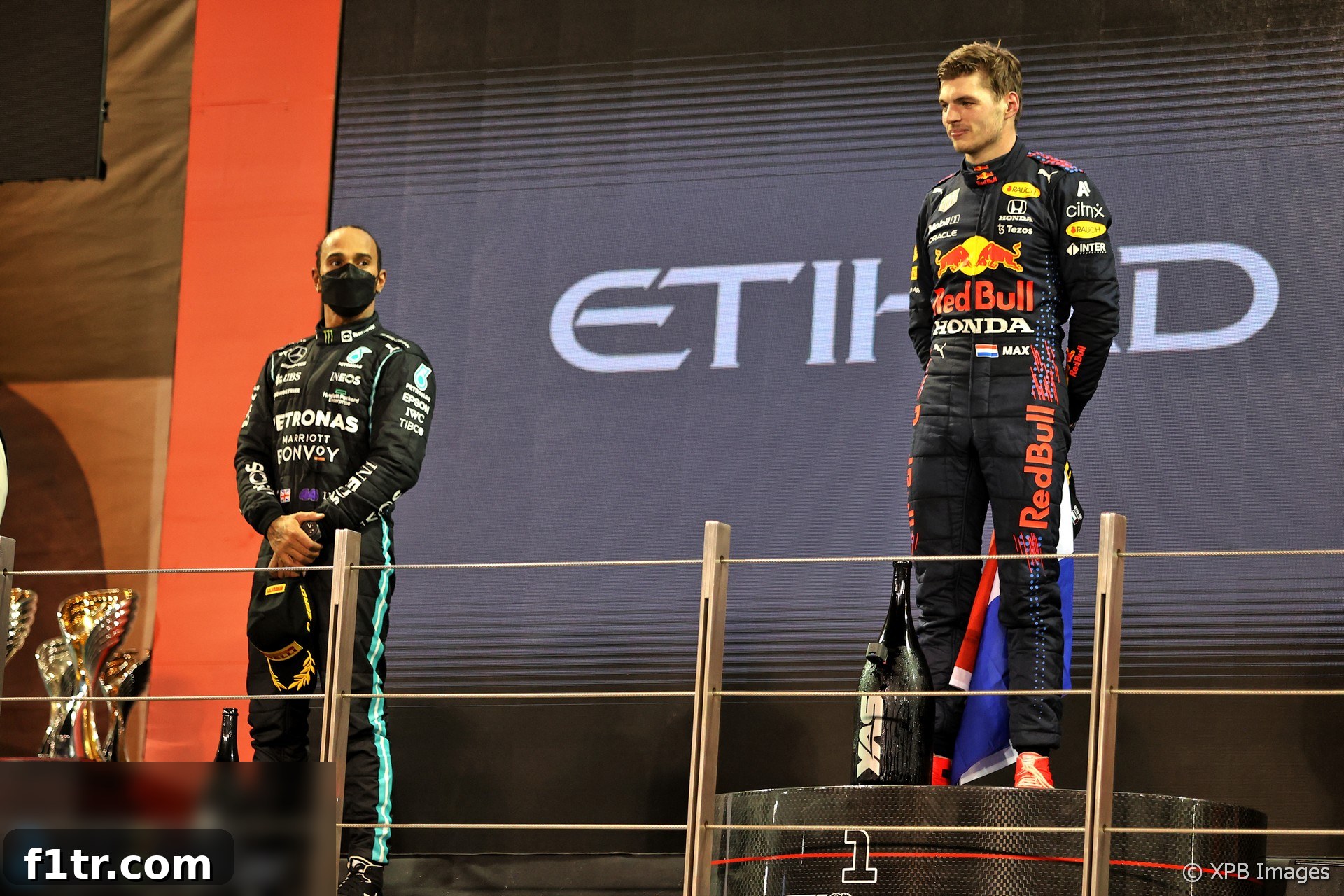
In a candid revelation that underscores the severe pressures faced by public figures in high-stakes sports, former FIA Formula 1 race director Michael Masi has disclosed that he received death threats and endured horrific abuse in the months following his controversial decision at the 2021 Abu Dhabi Grand Prix. This incident, which dramatically influenced the outcome of the World Championship, plunged Masi into a maelstrom of public scrutiny and personal attacks, the emotional and physical toll of which he has only now fully recounted.
Advert | Become a Supporter & go ad-free
The Controversial Climax in Abu Dhabi
The events of the 2021 Abu Dhabi Grand Prix remain etched in Formula 1 history as one of its most contentious championship deciders. With Lewis Hamilton seemingly on course for a record eighth world title, a late-race crash by Nicholas Latifi brought out the safety car, setting the stage for a dramatic and highly debated conclusion. Michael Masi, then the race director, made a pivotal decision to allow a final-lap restart, but crucially, only permitted a select number of lapped cars between Hamilton and his championship rival Max Verstappen to un-lap themselves.
This decision contravened established FIA regulations, which typically require all lapped cars to un-lap themselves or for the race to finish under safety car conditions. The move effectively cleared the path for Max Verstappen, on fresher tires, to directly challenge and overtake Lewis Hamilton on the final lap, securing the race victory and his maiden world championship title. The aftermath was immediate and intense, with Mercedes launching protests and fans worldwide divided over the fairness of the outcome.
A Torrent of Abuse: Death Threats and Vile Messages
Masi revealed the chilling extent of the abuse he suffered in an interview with Australia’s Daily Telegraph, noting that while bound by a non-disclosure agreement with the FIA preventing him from discussing the decision itself, he could speak about its personal impact. Immediately after the race, and for many months thereafter, Masi was subjected to a relentless barrage of hostile messages across various platforms.
He described receiving “hundreds” of messages on social media, many of which contained death threats and racist abuse. “Thankfully, I don‘t have an Instagram account or Twitter,” Masi stated, “I don’t have any of that. Being old-school I do however have Facebook, which I used to stay in touch with family and friends. I opened my messages that night to check in with them. I had no idea that I could receive them from people I did not know. But I was wrong. I was confronted with hundreds of messages. I wouldn’t say thousands but certainly hundreds.”
The content of these messages was deeply disturbing. “And they were shocking. Racist, abusive, vile, they called me every name under the sun. And there were death threats. People saying, they were going to come after me and my family.” The abuse wasn’t confined to personal social media; it also spread to his LinkedIn profile, a platform typically reserved for professional networking. “And they kept on coming. Not just on my Facebook but also on my LinkedIn, which is supposed to be a professional platform for business. It was the same type of abuse,” he recounted, highlighting the pervasive nature of the harassment.
Advert | Become a RaceFans supporter andgo ad-free
The Deep Personal Toll: Fear, Isolation, and Regret
The relentless stream of hate had a profound impact on Masi’s mental and physical well-being. Initially, he attempted to internalize and ignore the abuse, believing he could mentally compartmentalize it. “I thought I would ignore it and get on with it because I knew it could take me to a very dark place,” he explained. “I tried to cut myself off mentally, and I thought I could.”
However, the emotional burden proved too heavy. Masi confessed to largely keeping his struggles to himself, wanting to spare his family and friends from worry. “I mostly kept it all to myself,” he added. “I told a few people but not many. I didn’t want to concern my family and friends. I didn’t want them worrying too.” While the FIA was aware of the situation, Masi admitted he likely downplayed the severity of the abuse even to them.
The barrage of threats led to a pervasive sense of fear for his personal safety. “Walking down the street in London a day or two later I thought I was okay until I started looking over my shoulder. I was looking at people wondering if they were going to get me.” This constant vigilance and paranoia highlighted the deep psychological scars left by the online vitriol.
Physically, Masi experienced significant changes, including a loss of appetite. “I didn’t want to talk to anyone, not even family and friends,” said Masi. “I only talked to my close family – but very briefly. I also lost my appetite. I have heard some people become binge eaters during times like this but I didn’t eat much. It did have a physical impact, but it was more mental.”
Reflecting on the period, Masi acknowledged a key regret: not seeking professional help. “Although he didn‘t go and talk to a professional about what he was going through, Masi said with the benefit of hindsight, I probably should have. I should have gone and spoken to someone in a professional sense.” Despite this, he credited his robust support network. “But in saying that, I had some amazing people around me that could see it and were checking in daily. I was super fortunate to have that support network.”
Advert | Become a RaceFans supporter andgo ad-free
FIA’s Findings and Masi’s Departure
Earlier in the year, the FIA confirmed its own findings regarding the Abu Dhabi Grand Prix, concluding that Masi had indeed made an “error” in his application of the safety car procedures. While acknowledging the pressure Masi was under, the report stated that the outcome of the race and championship would stand. Subsequently, the FIA announced a restructuring of its race control operations, replacing Masi with a new system involving two race directors and a virtual race control room. Masi’s departure from the organization was confirmed shortly thereafter, marking the end of his tenure as Formula 1 race director.
Addressing Online Toxicity: F1’s “Drive It Out” Campaign
Masi’s experience tragically mirrors a growing trend of online abuse directed at athletes, officials, and public figures across various sports. In response to the increasing prevalence of such hateful behaviour, Formula 1 recently launched its “Drive It Out” campaign. This initiative, unveiled to coincide with the ongoing season, aims to combat abusive behaviour and messages, both online and at race venues.
The campaign serves as a powerful statement against racism, misogyny, homophobia, and any form of harassment within the sport. F1 leadership, teams, and drivers have united to emphasize the importance of respect and inclusion, seeking to foster a safer and more welcoming environment for everyone involved in Formula 1, from officials like Masi to fans attending events or engaging online. Masi’s harrowing account further underscores the critical importance and timeliness of such initiatives.
A New Chapter: Masi’s Future Endeavors
Having returned to his native Australia following his departure from the FIA, Michael Masi is now looking towards the future with a renewed sense of purpose. Reflecting on the intense period, he stated, “The whole experience has made me a much stronger person. I have a number of exciting options going forward. I am considering a number of different projects, both domestic and globally. My intention is to base myself out of Australia and to use all the skills I have gained in what has been an incredible journey so far and one I am extremely proud and thankful for.”
Masi’s journey, from the pinnacle of motorsport to the depths of online abuse and now to a period of reflection and new opportunities, serves as a poignant reminder of the human element behind the sporting spectacle. It highlights the urgent need for greater empathy and accountability in online interactions, especially when individuals are subjected to immense pressure and scrutiny in high-profile roles.
Advert | Become a RaceFans supporter andgo ad-free
2022 F1 season
- Mercedes told me “you’re wrong” about 2022 car’s problems – Hamilton
- FIA confirms all 10 F1 teams complied with 2022 cost cap
- Steiner “not ashamed” of panning “slow” Schumacher in Drive to Survive
- Albon believes year out of F1 improved him as a driver
- Hamilton sees diversity gains in F1 years on from his ‘traumatising’ experience of racism
Browse all 2022 F1 season articles