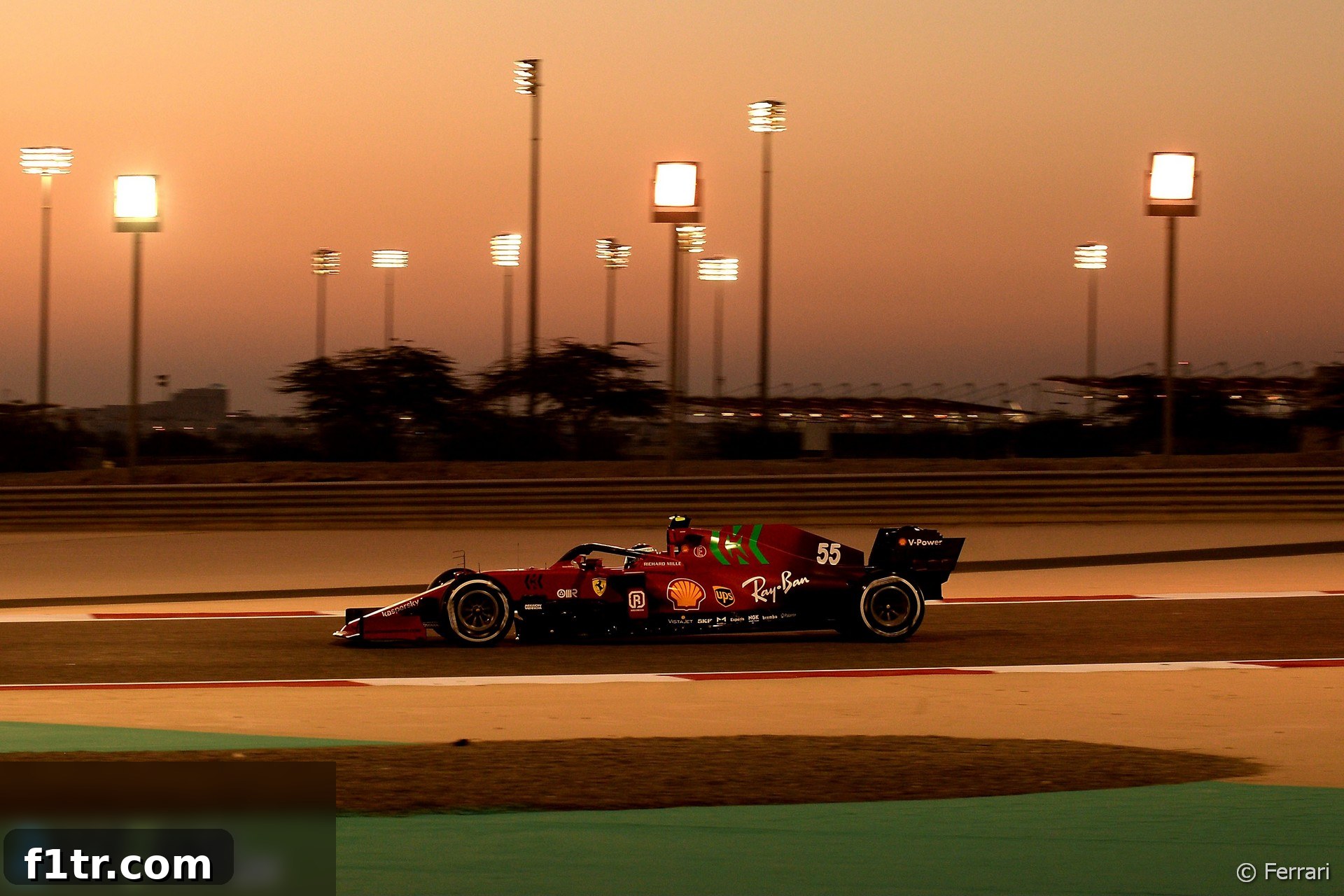
Bahrain Grand Prix: Navigating the Desert Winds and Sands of Formula 1’s Season Opener
The highly anticipated Formula 1 season opener, the Bahrain Grand Prix, is once again poised to deliver an exhilarating spectacle. However, beyond the roar of engines and the thrill of competition, an unseen force is projected to play a significant role: the weather. Pre-weekend forecasts indicate that strong winds, carrying the notorious desert sand, could profoundly influence both qualifying sessions and the main race, adding an unpredictable layer of complexity to the already demanding Bahrain International Circuit.
While the desert climate ensures a virtual certainty of no rain across the three-day event, the persistent presence of winds, shifting in direction and intensity, poses a unique challenge. As observed during pre-season testing at the same venue, these winds are likely to bring a constant influx of sand onto the track surface. This abrasive element not only affects grip levels but also alters the track evolution, a critical factor teams meticulously monitor throughout a Grand Prix weekend. Teams must adapt quickly to these dynamic conditions, making every lap count as they gather vital data and fine-tune their setups for optimal performance.
Friday: Setting the Stage Amidst Shifting Sands
The initial day of track action, Friday, often sets the tone for the entire weekend, and the Bahrain Grand Prix will be no exception. The most detailed forecasts suggest that Friday will offer relatively stable conditions, providing teams with a crucial window to gather data. Air temperatures are expected to reach a scorching 32 degrees Celsius, demanding efficient cooling solutions from the cars and peak physical endurance from the drivers. Despite the high temperatures, the stability in wind patterns early on could prove to be the most benign conditions drivers will face all weekend. This early stability is a double-edged sword: it offers a baseline, but also a stark contrast to the more challenging conditions anticipated for later days.
Free Practice Strategy Under Environmental Duress
With incoming sand potentially disrupting the natural evolution of track grip, teams are compelled to maximize their track time during free practice sessions. Both the first and second free practice sessions this year have been shortened from 90 minutes to 60, intensifying the pressure to collect comprehensive data efficiently. Every lap becomes a valuable opportunity to understand tire degradation, assess aerodynamic balance in varying wind conditions, and adapt car setups to the abrasive surface. Engineers will be working tirelessly, analyzing telemetry to understand how the sand affects tire wear, braking points, and cornering speeds. Drivers, meanwhile, will be focusing on adapting their driving styles to the reduced grip and the unique feel of a sand-dusted track.
As Friday evening approaches, following the Formula 2 qualifying session which will experience the day’s peak of 33 degrees Celsius, F1 drivers will return for Free Practice Two. While temperatures dip slightly after sunset, a noticeable headwind of up to 19 kilometers per hour is forecast along the pit straight. This gust could significantly impact car balance at high speeds and necessitate adjustments to braking zones, making the second practice session a vital preparation for the similar conditions expected during Saturday’s qualifying and Sunday’s race, both of which take place after dusk.
Saturday: Qualifying Under Nature’s Scrutiny
The stakes escalate dramatically on Saturday, as qualifying determines the starting grid for Sunday’s main event. Forecasters predict a substantial increase in wind intensity, potentially introducing a major variable into the quest for pole position. The latest data suggests winds could gust up to 40 kilometers per hour, predominantly coming from the south-east of the circuit during the evening qualifying session. This strong crosswind or tailwind in certain sections of the track can destabilize the cars, pushing the delicate aerodynamic balance to its limits.
Aerodynamic Challenges and Driver Skill
The final corner, in particular, is highlighted as a potential trouble spot, where the ferocious winds could make it exceptionally tricky for drivers to maintain control. A sudden gust in a high-speed corner can lead to oversteer or understeer, forcing drivers to make instantaneous corrections and potentially compromising their lap times. In extreme cases, these gusty conditions could even prompt unexpected spins, as was vividly demonstrated on the first day of pre-season testing. Furthermore, the elevated wind speeds are expected to lift more sand into the air, creating visibility problems for drivers, especially when following other cars closely. This combination of aerodynamic instability and reduced visibility demands peak concentration and exceptional car control from every competitor, transforming qualifying into a true test of nerve and skill.
Race Day: High Stakes and High Winds
Sunday, the culmination of the Grand Prix weekend, promises another thrilling challenge. While the air temperature is expected to drop more rapidly after sunset compared to Saturday, ushering in cooler conditions, the winds are once again anticipated to be the most influential meteorological factor. Cooler ambient temperatures are generally favorable for F1 cars, allowing engines to run more efficiently and making it easier for drivers to extract optimal performance from the softer tire compounds. This could particularly benefit teams that showed strong one-lap pace during pre-season testing, potentially enabling them to maintain that advantage over a race stint. Moreover, cooler temperatures often help in reducing tire graining, a phenomenon where rubber pieces tear off the tire surface, leading to a loss of grip. A reduction in graining could allow drivers to push harder for longer, potentially leading to the field spreading out more quickly during the opening stint of the race as performance differences become more pronounced.
The Specter of Sandstorms and Strategic Implications
However, the prevailing narrative for race day remains the wind. While the precise amount of sand that will be picked up from the surrounding dunes is difficult to predict, teams are on high alert for the possibility of a full-blown sandstorm hitting the circuit on Sunday evening, with gusts potentially reaching as high as 50 kilometers per hour. Such an event would undoubtedly plunge the race into chaos, severely impacting visibility, coating the track in a thick layer of sand, and presenting an unprecedented challenge for drivers and strategists alike. Even without a full sandstorm, strong winds can affect fuel consumption, make overtakes in DRS zones more difficult due to aerodynamic drag, and increase the physical toll on drivers, who must constantly wrestle their cars against the elements.
Broader Implications for Teams and Drivers
The persistent and unpredictable winds at the Bahrain International Circuit force teams to rethink their entire race weekend approach. Car setup, usually optimized for maximum downforce and mechanical grip, must also account for aerodynamic stability in gusty conditions. Engineers might choose slightly less aggressive aerodynamic configurations to ensure the car remains predictable and controllable, even if it means sacrificing a fraction of outright pace. This delicate balance between speed and stability becomes a crucial factor, especially in qualifying where every thousandth of a second counts.
Strategic Decisions and Adaptability
For drivers, the challenge is immense. Adapting their driving style to constantly changing grip levels due to sand, managing the car’s balance through high-speed corners in crosswinds, and maintaining visibility amidst airborne particles requires exceptional skill and mental fortitude. Pit stop strategies also come under scrutiny. Teams must decide when to pit, factoring in not just tire degradation but also potential changes in wind direction or the onset of heavier sand deposits. A well-timed pit stop to capitalize on a brief lull in conditions or to respond to deteriorating track conditions could make all the difference in the final result. The Bahrain Grand Prix, therefore, transcends a simple test of speed; it becomes a chess match against nature, where adaptability and strategic foresight are as crucial as raw performance.
Safety and the Unseen Elements
Beyond performance, safety remains paramount. Reduced visibility due to airborne sand, combined with potentially unpredictable car behavior in strong winds, increases the risk of incidents. Race control will be closely monitoring track conditions, and the safety car or even a red flag could be deployed if visibility or track integrity becomes a significant concern. The unique environmental challenges of Bahrain make it a truly demanding season opener, pushing both man and machine to their absolute limits from the very first green light.
As Formula 1 embarks on its 2021 journey, the Bahrain Grand Prix promises to be a captivating curtain-raiser. With the desert winds and sands poised to play a starring role, the race weekend is set to offer an unpredictable spectacle, where strategic brilliance, driver skill, and sheer resilience will be tested against the formidable forces of nature. Fans around the world eagerly await to see which teams and drivers will best navigate these challenges to claim victory in this truly unique event.
For more updates on the track conditions during each session, keep an eye on RaceFans Live and the RaceFans Twitter account.
2021 Bahrain Grand Prix Related Articles
- Why one driver says there’s no easy solution to F1’s ‘messy’ track limits problem
- Verstappen: Lost win in Bahrain “is not going to matter” if we have fastest car
- The classic rivalry for ‘best of the rest’ and six more Imola talking points
- Ocon: We need to extract the maximum from the car to score points
- Vettel feeling “not at home in the car yet” after tough weekend
Browse all 2021 Bahrain Grand Prix articles