Formula 1’s revolutionary new technical regulations, introduced at the start of the 2022 season, have begun to emphatically deliver on their promise of improved racing quality. This was particularly evident in the thrilling finale of the British Grand Prix, where a multi-car battle captivated audiences and affirmed the series’ strategic direction. Ross Brawn, Formula 1’s Motorsport Director, lauded the spectacle, highlighting how the recent overhaul of the car design philosophy has revitalized on-track competition.
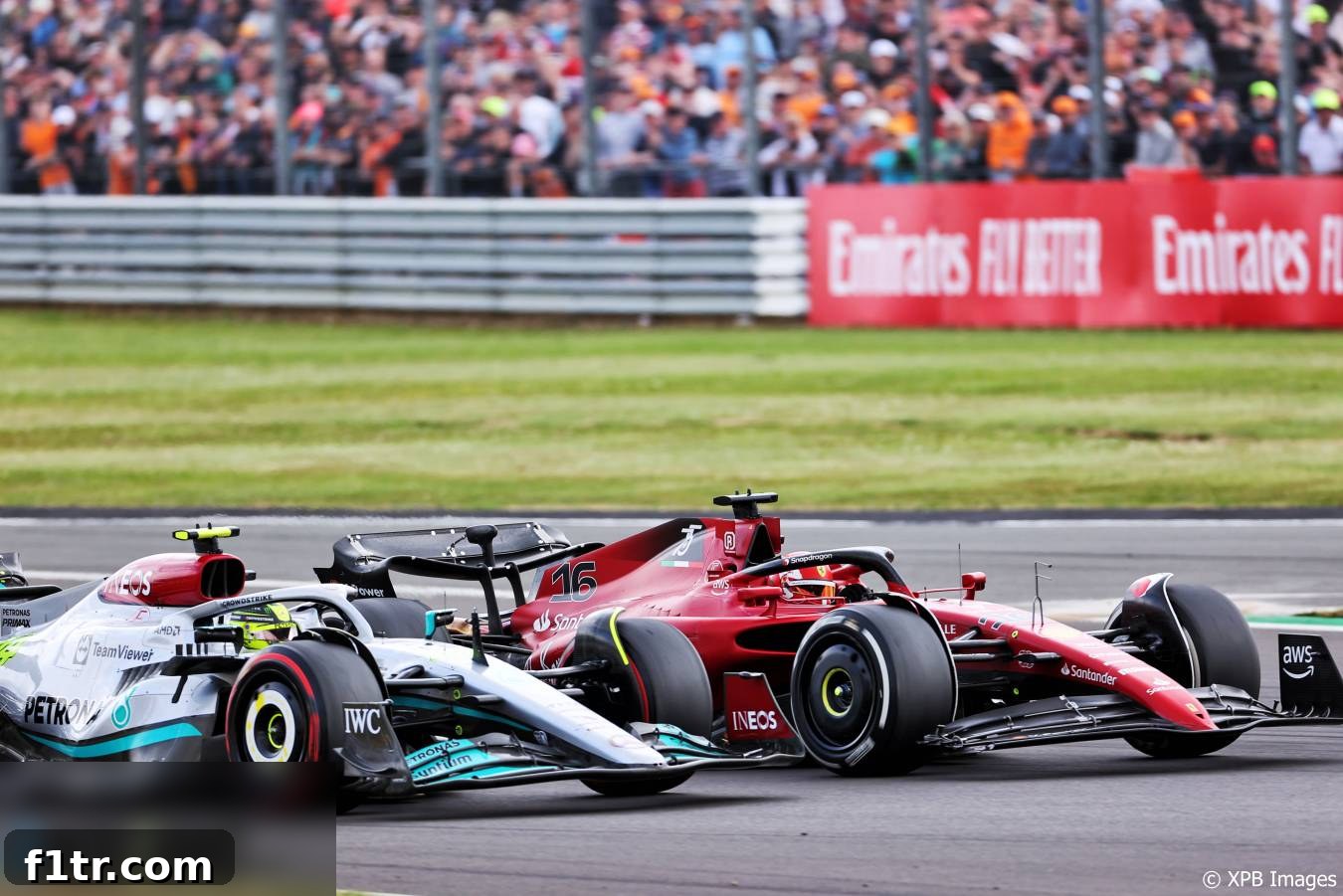
The Silverstone circuit bore witness to an unforgettable closing sequence, as Charles Leclerc, Carlos Sainz Jnr, Sergio Perez, and Lewis Hamilton engaged in a fiercely contested, wheel-to-wheel fight during the final laps following a Safety Car period. This intense skirmish, showcasing breathtaking skill and strategy, served as a powerful testament to the efficacy of the new rules in fostering closer, more engaging racing.
The Dawn of a New Era: Ross Brawn’s Optimism for F1
Speaking to the official F1 website, Ross Brawn expressed profound satisfaction with the outcome. “We were treated to some fabulous racing,” Brawn enthused, emphasizing the precision drivers could achieve with their new-generation cars. This precision, a direct result of the aerodynamic changes, has allowed for battles that extend beyond single corners, creating a richer tapestry of racing moments.
The vision behind the 2022 regulations was to minimize the ‘dirty air’ effect – the turbulent air that previously made it exceedingly difficult for cars to follow closely behind one another. By simplifying aerodynamics, particularly by re-emphasizing ground effect, the intention was to allow cars to maintain greater downforce while trailing, thereby encouraging closer proximity and more overtaking opportunities. Brawn’s observations confirm this objective is being met.
“We saw countless fascinating battles that went for several corners, with multiple changes of position,” Brawn recounted, pointing to the dynamic nature of the racing. “Drivers were able to take multiple lines with these new cars – and that allowed for two, three or even four cars going almost side-by-side.” This ability to choose different racing lines, a luxury often denied by previous aerodynamic philosophies, is crucial for creating genuine racing spectacles and unpredictable outcomes.
Quality Over Quantity: The Art of Overtaking
Beyond simply enabling closer racing, the new rules have also elevated the quality of overtakes. Historically, the Drag Reduction System (DRS) had been criticized for making overtakes too easy, sometimes reducing them to a mere formality on straights. Brawn noted a significant shift in this dynamic. “The quality of the passes was high, too. Drivers really had to work to get a move done – it wasn’t simply a case of using DRS to fly by.”
This increased challenge means drivers must demonstrate greater skill, bravery, and strategic thinking to execute a successful pass. It transforms overtaking from a potentially mundane event into a hard-earned victory, enhancing the narrative of each race and providing fans with more memorable moments of genuine competition. The British Grand Prix, with its intricate dance of defense and attack, served as a perfect illustration of this renewed emphasis on driver skill.
Proof in Performance: Early Season Highlights
After a decade of competition under the new technical regulations, Brawn confidently asserted that tangible improvements have been made. The British Grand Prix was not an isolated incident but rather a culmination of earlier successes. “We’ve seen some cracking battles this year, including wheel-to-wheel fights with multiple changes of position for the lead of the Grand Prix between Charles Leclerc and Max Verstappen in Bahrain and Saudi Arabia,” Brawn highlighted.
These early-season encounters set a precedent for the type of racing fans could expect, demonstrating that the design philosophy was indeed working as intended. The intense duels between Leclerc and Verstappen, characterized by relentless pressure and precise maneuvering, showcased the potential for sustained, high-stakes competition throughout the season. Such battles were a clear departure from previous years, where a leading car could often pull away unchallenged once clear of the initial melee.
Drivers Embrace the Challenge
The feedback from the drivers themselves has been overwhelmingly positive, a crucial indicator of the regulations’ success. “The drivers are enjoying these cars and have been very positive. They have all appreciated the change and the newfound ability to get up close to other cars,” Brawn added. This enthusiasm from the sport’s key protagonists underscores the effectiveness of the new rules in reigniting the pure joy of racing.
Drivers have qualified their positive feedback by noting that while the new rules don’t always guarantee straightforward overtaking, they significantly enhance the opportunity to “sit on the tail, pressurize, and try and force a mistake.” This shift from easy passes to strategic pressure cooker situations is a welcome change for many, as it rewards consistent performance and tactical nous. “I don’t think there has been a single driver who has not acknowledged or been enthused by that,” Brawn stated, emphasizing the universal appeal among the competitors.
The frequency of cars following for consecutive laps and challenging for prolonged periods has dramatically improved compared to previous years. This sustained pressure keeps the racing alive, creating suspense and drama right up to the checkered flag. It confirms that the direction F1 and the FIA have taken is unequivocally the right one, providing renewed confidence that this approach is vital for the sport’s long-term future. Promoting competitive racing must always remain a significant factor in the design and modification of these cutting-edge machines.
Conquering Challenges: The Porpoising Phenomenon
While the new regulations have largely been a success, they also introduced new challenges, most notably the ‘porpoising’ phenomenon. This aerodynamic issue, which causes cars to bounce violently at high speeds, presented significant comfort and performance concerns for drivers and teams alike. However, Ross Brawn observed that teams are rapidly coming to grips with this problem.
“It’s great to see the teams and the sport as a whole getting on top of the porpoising issue,” Brawn remarked. At Silverstone, a key indicator was the improved handling of this phenomenon, demonstrating that teams are developing a better understanding and more effective solutions. The FIA continues to work collaboratively with teams to entirely eliminate porpoising, ensuring both driver safety and optimal performance. This adaptive capacity of the teams and the governing body further solidifies the foundation for the new era of Formula 1.
Looking Ahead: A Confident Future for Formula 1
The initial success of the 2022 technical regulations marks a pivotal moment for Formula 1. The commitment to prioritizing exciting, wheel-to-wheel racing has paid dividends, transforming the on-track product and engaging fans globally. The British Grand Prix served as a powerful declaration that the sport is moving in the right direction, fostering a competitive environment where driver skill and strategic prowess are paramount.
As teams continue to develop their cars under these new rules, the racing is expected to become even tighter and more unpredictable. The blend of high-speed precision, tactical depth, and the thrilling spectacle of multi-car battles promises a captivating future for Formula 1. Ross Brawn’s vision, executed by the FIA and F1, has laid the groundwork for an era defined by closer racing, making every Grand Prix a must-watch event for motorsport enthusiasts worldwide.
2022 British Grand Prix
- How many victory chances did Hamilton have in his first winless F1 season?
- New rule added on drivers abandoning cars after Russell’s Silverstone retirement
- Hamilton told Leclerc ‘I didn’t want to clip you and send you off’ after Copse scrap
- Sainz: Ferrari accepted I was right not to follow “10 car lengths” instruction
- Zhou says Silverstone crash force exceeded roll hoop impact test
Browse all 2022 British Grand Prix articles