Zandvoort Grand Prix: Charting Formula 1’s Return with Pioneering Circuit Modifications
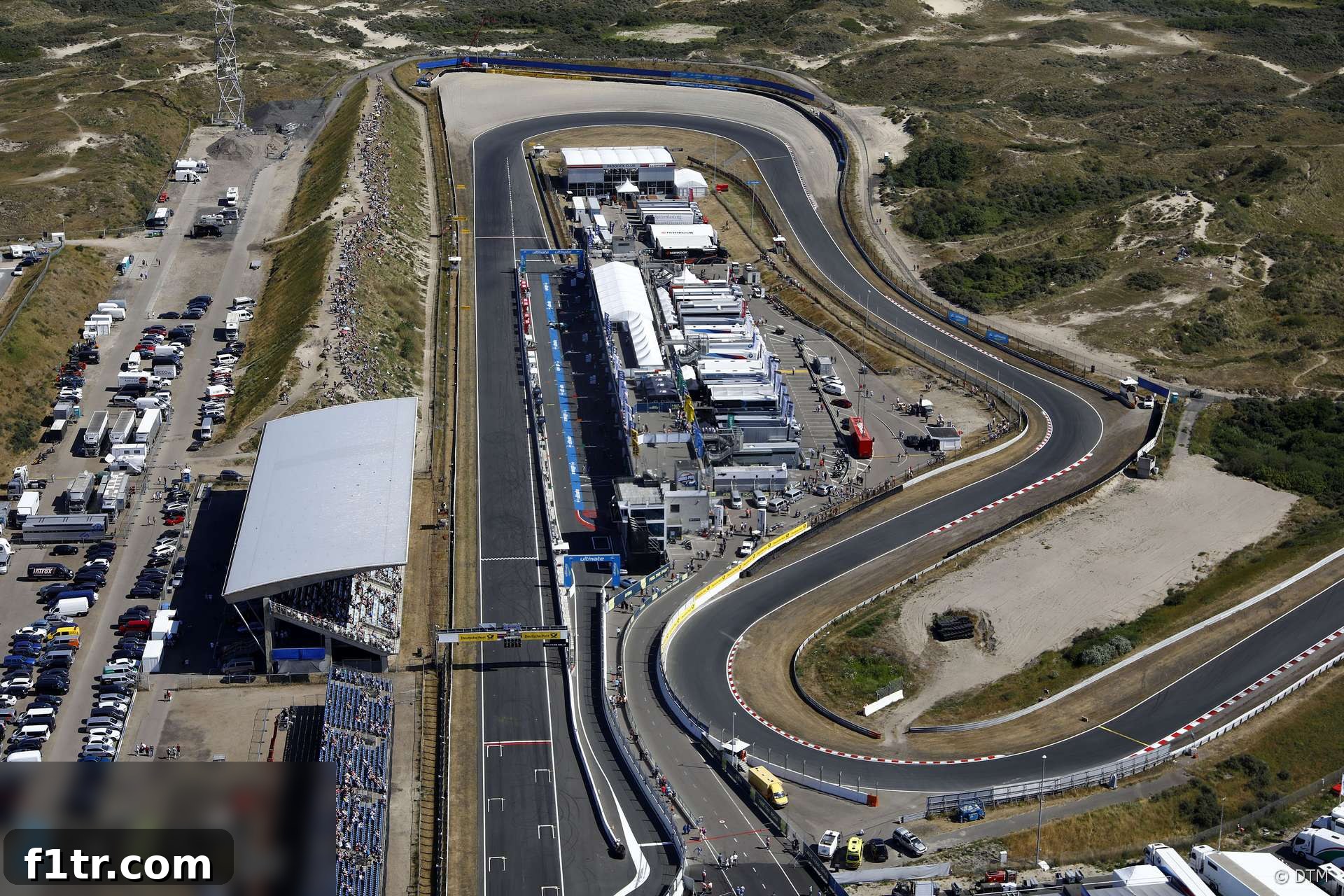
The iconic Zandvoort circuit is buzzing with renewed energy as it meticulously prepares for its much-anticipated return to the Formula 1 calendar next year. This monumental comeback for the Dutch Grand Prix necessitates a series of strategic and innovative modifications to ensure the historic venue meets the stringent demands of contemporary Formula 1 racing. At the heart of these preparations was a crucial inspection this week, led by FIA Race Director Michael Masi, signifying the global motorsport governing body’s deep involvement in shaping the circuit’s future.
Masi’s visit to the 4.3-kilometer coastal track was not a solitary assessment but a comprehensive collaborative effort. A high-level delegation, including representatives from the FIA, Formula One Management (FOM), the circuit’s administration, and the influential Dutch auto club Knac Nationale Autosport Federatie, joined the Race Director. This assembly of key stakeholders underscores the intricate planning and multifaceted approvals required for such a significant undertaking, ensuring that every aspect, from safety to sporting appeal, is rigorously evaluated and aligned with F1’s exacting standards.
The primary focus of the inspection revolved around the ambitious alterations proposed by the acclaimed circuit architects, Dromo. Known for their forward-thinking approach to track design and safety enhancements, Dromo’s vision aims to modernize Zandvoort while preserving its inherent character and challenging nature. The delegation dedicated an intensive four hours to meticulously scrutinizing the entire layout, which has been officially reinstated on the 2020 F1 calendar. This thorough assessment is a pivotal step towards securing the necessary FIA Grade 1 homologation, a prerequisite for hosting a Formula 1 Grand Prix.
Dromo’s Innovative Vision: Enhancing the Spectacle and Safety for Modern F1
The collaboration with Dromo represents a significant stride in Zandvoort’s modernization. Jarno Zaffelli, the visionary founder and head of circuit design at Dromo, shared positive feedback following the inspection, expressing that “we were positively impressed by FIA attitude in supporting our vision.” This endorsement from the FIA is a testament to Dromo’s ability to blend innovative design with uncompromising safety principles, crucial for pushing the boundaries of what a modern F1 circuit can offer.
Zaffelli further elaborated on the productive engagement with the FIA, specifically commending Michael Masi’s approach: “Michael was very professional and collaborative, supporting solutions that might be groundbreaking to increase the show in F1.” This statement highlights a shared commitment to not only meet safety regulations but to actively enhance the racing spectacle. The proposed solutions aim to create a dynamic environment that challenges drivers and provides thrilling moments for spectators, aligning with Formula 1’s continuous efforts to deliver captivating on-track action.
The timeline for these transformations is ambitious but firmly set. The proposed changes are scheduled to be formally presented before the FIA Circuits Commission in August. This crucial review process will determine the final approvals required for construction to commence. Assuming a positive outcome, ground will break swiftly in November, initiating a demanding construction phase. The goal is to complete all necessary work well in advance of F1’s anticipated return in May of the following year, a tight window that underscores the immense logistical and engineering challenges involved in revamping a circuit to F1 standards.
The Revolutionary Banked Final Corner: A Bold Move for Overtaking Dynamics
Among the most anticipated and revolutionary modifications is the planned introduction of a steep banking to Zandvoort’s final corner. This is not merely an aesthetic flourish but a meticulously engineered design choice intended to dramatically alter the racing dynamics and, crucially, significantly aid overtaking. The primary objective is to enable modern Formula 1 cars to negotiate this corner at full throttle, even with the Drag Reduction System (DRS) activated on the preceding straight or within the corner itself. Such a feature is designed to create unique and exciting overtaking opportunities, addressing a common challenge on many F1 circuits.
The principle behind a steeply banked corner is to generate increased vertical downforce, allowing cars to carry significantly higher speeds through the turn. This additional grip can make the difference between a driver having to lift off the throttle and being able to maintain full acceleration, providing a critical slingshot effect onto the main straight. By combining this with DRS, Zandvoort aims to transform its final corner into a hotspot for thrilling wheel-to-wheel battles and last-lap heroics. Moreover, banked corners typically require less extensive run-off areas compared to flat, high-speed turns, an efficiency that optimizes the circuit’s footprint and brings the racing action closer to the fervent Dutch crowd, enhancing the spectator experience.
This innovative approach is a clear indication of a forward-thinking philosophy in circuit design, striving to create a track that is not only safe but also intrinsically promotes exciting and competitive racing. By designing a corner that rewards driver bravery and car performance in such a distinct manner, Zandvoort has the potential to carve out a unique identity on the F1 calendar. It promises a challenging, high-speed conclusion to each lap, which could lead to some of the most memorable racing moments of the revived Dutch Grand Prix era.
Pirelli’s Scrutiny and the Operational Deadline: Overcoming Technical and Logistical Hurdles
While the prospect of a banked final corner generates considerable excitement, it also brings forth intricate technical challenges and has prompted specific concerns from Formula 1’s official tyre supplier, Pirelli. Their primary apprehension centers on the potential necessity for teams to operate their tyres at significantly higher pressures to withstand the extreme lateral and vertical loads imposed by a steeply banked turn taken at full F1 speeds. This concern is not trivial; Pirelli’s expertise is paramount in ensuring tyre safety and optimal performance across varying track conditions.
Elevated tyre pressures are often a measure to prevent structural failures and maintain the integrity of the tyre carcass under intense stress. However, this adjustment can have a ripple effect on a car’s handling characteristics elsewhere on the circuit. The delicate balance of an F1 car’s setup is finely tuned for specific track layouts, and a compromise required for one unique corner could inadvertently degrade performance, grip, and driver confidence through the rest of the lap. Such a scenario could lead to unpredictable handling, accelerated tyre wear, and potentially even safety hazards if the intricate interplay between track, car, and tyre is not perfectly balanced. Pirelli’s involvement is crucial in finding solutions that ensure both the spectacular nature of the banked corner and the overall safety and competitive fairness of the Grand Prix.
Beyond the technical intricacies, the ambitious construction schedule presents its own formidable challenges. With major construction work slated for November and the Grand Prix expected in May, the window for completion is exceedingly tight. The uncertainty surrounding whether the extensive modifications can be finished on time, and to the impeccably high standards required for FIA Grade 1 homologation, remains a significant concern. Unforeseen delays—whether due to inclement weather, supply chain issues, or complex engineering hurdles—could jeopardize the circuit’s readiness and potentially impact the race itself. The onus is on Dromo and the Zandvoort management to execute these transformations with unparalleled efficiency and precision, ensuring the circuit is flawlessly prepared for Formula 1’s grand return.
The Broader Impact: Zandvoort’s Resurgence on the Global Motorsport Stage
The return of the Dutch Grand Prix to Zandvoort transcends merely adding another event to the Formula 1 calendar; it represents a momentous occasion for Dutch motorsport and promises a substantial economic and cultural uplift for the region. The meteoric rise of local hero Max Verstappen has cultivated a vibrant “Orange Army” of passionate fans, whose fervent support has become a defining characteristic of F1 races worldwide. Bringing Formula 1 to their home circuit is set to ignite an unparalleled wave of national enthusiasm and guarantee sell-out crowds, injecting significant tourism revenue, fostering job creation, and providing invaluable international exposure for the Netherlands.
Zandvoort’s storied history, dating back to its inaugural Grand Prix in 1948, is deeply woven into the fabric of Formula 1. Having hosted 30 World Championship Grands Prix between 1952 and 1985, its challenging and flowing layout, featuring legendary corners like Tarzanbocht, has consistently tested the mettle of the sport’s greatest drivers. The current modernization project meticulously respects this rich heritage, aiming to preserve the circuit’s unique character while simultaneously catapulting it into the future. This delicate balance of classic seaside charm with state-of-the-art track design promises a truly distinctive and thrilling experience for both competitors and the global F1 audience.
The rigorous planning, the innovative spirit of Dromo, and the collaborative dedication from the FIA and Formula One Management all underscore a collective commitment to ensuring Zandvoort’s triumphant and sustainable reintegration into the F1 calendar. Successfully navigating the technical complexities and the tight deadlines will be a profound testament to the resolve of all parties involved. The proposed changes, particularly the bold introduction of the banked final corner, possess the potential to firmly establish the Dutch Grand Prix as a standout event, celebrated for its unique track design, challenging racing, and unforgettable spectacle.
Connect with the World of F1: Stay Informed and Engaged
For those eager to remain at the forefront of all the latest developments from the dynamic world of Formula 1 and to track the ongoing, transformative journey of the Zandvoort circuit, staying connected with dedicated motorsport news platforms is invaluable. Ensure you don’t miss a single update on F1’s exciting return to the Netherlands.
- Join RaceFans on Facebook for daily updates, insights, and community discussions
- Follow RaceFans on Twitter for breaking news, live race updates, and expert commentary
- Subscribe to daily email updates from RaceFans for a comprehensive digest of all F1 happenings directly in your inbox
Explore More F1 Insights and News
Delve deeper into the rich narratives and critical events shaping the world of Formula 1 with a curated selection of our recent articles. From historic moments to future predictions, there’s always more to discover.
- Grosjean to make F1 test return tomorrow for first time since Bahrain horror crash
- Pictures: Wrecked chassis from Grosjean’s Bahrain fireball crash to go on display
- Bottas vs Rosberg: Hamilton’s Mercedes team mates compared after 78 races each
- F1 revenues fell by $877 million in Covid-struck 2020 season
- Hamilton and Mercedes finally announce new deal for 2021 season
Browse all 2020 F1 season articles