Vettel Accepts Verstappen’s Apology After Shanghai F1 Collision
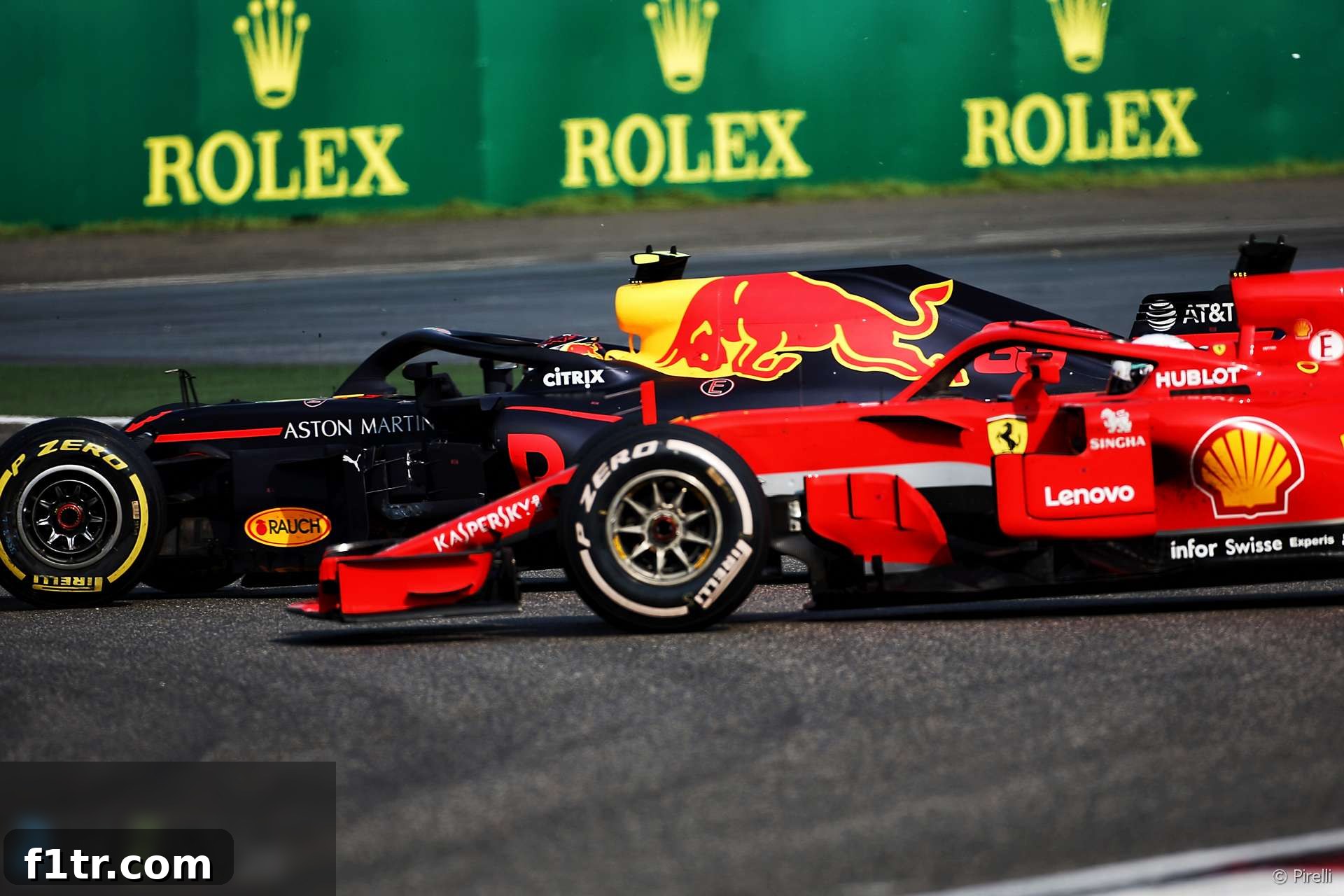
In the aftermath of a dramatic and pivotal 2018 Chinese Grand Prix, Sebastian Vettel confirmed that Max Verstappen had promptly offered his apologies following their on-track collision. The incident, which significantly impacted both drivers’ races, occurred at the Turn 14 hairpin, sending both the Ferrari and Red Bull cars into an unexpected spin and ultimately costing Vettel valuable championship points.
The highly anticipated race in Shanghai had already seen plenty of action when the incident unfolded. Verstappen, driving aggressively on fresher, softer tyres, attempted an ambitious overtake on Vettel, who was leading the championship at the time. The Red Bull driver misjudged his braking point, running into the side of Vettel’s Ferrari. The contact forced both cars to spin, a sight that sent shockwaves through the paddock and among fans watching worldwide. While both drivers managed to continue, the damage to Vettel’s car was considerable, causing him to dramatically lose pace and tumble down the order from a potential podium finish to a disappointing eighth place at the chequered flag.
Verstappen’s Immediate Acknowledgment and Apology
“He came straight away and apologised,” Vettel stated, reflecting on the immediate aftermath of the race. “I think he knows he did a mistake. I don’t think he needs much reminders.” This swift admission of fault from Verstappen was a notable gesture, particularly given the high stakes of a championship battle and the intense pressure under which Formula 1 drivers operate. It underscored a recognition of responsibility, suggesting a moment of self-reflection from the young Dutch driver.
Vettel’s reaction to the apology was one of calm understanding, characteristic of a four-time world champion. He conveyed a sense of closure on the matter, indicating that the personal interaction between the drivers was sufficient. This mature response from Vettel helped to diffuse what could have become a much more volatile post-race narrative, preventing further animosity from brewing between the two fierce competitors.
Vettel’s Strategy and the Nature of the Incident
Delving deeper into the incident from his perspective, Vettel explained his approach to defending against Verstappen. He revealed that he had not intended to mount a robust defense against the charging Red Bull, primarily because he believed an overtake from Verstappen was inevitable given the latter’s softer tyre advantage in the closing stages of the race. “Obviously it was a tricky braking for the hairpin all race, there was a tailwind. At that point there was 15 laps to go. I wasn’t going to resist much anyway,” Vettel elaborated.
Vettel further detailed his expectations and how they were unmet: “I was waiting for him to come down the inside, he didn’t. So I wasn’t sure exactly where he was. I gave him a bit of room, as you can see I wasn’t right at the apex, in case he misjudged his braking.” His comments highlight the fine margins and split-second decisions F1 drivers must make. He acknowledged that while drivers often factor in the possibility of opponents making minor errors, Verstappen’s misjudgment was more significant than anticipated. “To some degree you can factor in people’s mistakes but not always. In that case it didn’t work,” Vettel concluded, underscoring the unpredictable nature of racing at the absolute limit.
Max Verstappen’s Recent Run-Ins: A Pattern Emerges?
The collision in China wasn’t an isolated incident for Max Verstappen, adding another chapter to a series of controversial moments. Within the preceding eight days alone, Verstappen had been involved in significant contact with both Sebastian Vettel and Lewis Hamilton. His clash with Hamilton during the Bahrain Grand Prix had already drawn considerable attention, with Hamilton famously causing controversy with his description of the Red Bull driver in the heat of the moment, a comment Vettel later defended as understandable emotion.
This pattern of aggressive driving and involvement in collisions raised questions among pundits and fans alike regarding Verstappen’s decision-making and race craft. While his raw speed and audacious overtakes are widely celebrated, his propensity for contact led to calls for him to temper his approach and develop a more consistent and disciplined racing style. The Shanghai incident, coming so soon after Bahrain, only intensified this scrutiny, putting the young prodigy firmly in the spotlight for both his talent and his occasional errors.
Stewards’ Verdict and Penalty Points
The FIA race stewards quickly reviewed the incident, determining that Max Verstappen was primarily at fault for the collision. Consequently, Verstappen was issued a 10-second time penalty, which he had to serve during the race. More significantly for his driving record, he also had his super license endorsed with two penalty points. These penalty points accumulate over a 12-month period, and if a driver accrues 12 points, they face a one-race ban. The decision served as a clear message from the sport’s governing body regarding the standards of conduct expected on track.
Despite the penalty, Vettel maintained a measured tone, reinforcing his acceptance of Verstappen’s apology and expressing relief that both cars could continue. “We were both lucky that we could continue but as I said it destroyed both our races,” Vettel added. He reiterated his lack of animosity, stating, “No need to call him anything: He knows, I know, we’re fine.” This approach highlighted Vettel’s focus on the championship and his preference for resolving issues directly rather than through public condemnation.
Impact on the 2018 Championship Landscape
The 2018 Formula 1 season was shaping up to be a thrilling battle between Sebastian Vettel and Lewis Hamilton, with Ferrari and Mercedes locked in a fierce constructors’ championship fight. This incident in China, while seemingly minor in isolation, had significant ripple effects. For Vettel, dropping from a strong points-scoring position to eighth meant a loss of crucial points that could prove decisive as the season progressed. Every point mattered in such a tightly contested championship, and such avoidable contact could have long-term consequences for his title aspirations.
For Red Bull and Verstappen, the incident not only cost them potential podium finishes but also highlighted the team’s ongoing challenge of harnessing Verstappen’s aggressive talent without incurring penalties or damaging their own race prospects. The balance between pushing the limits and maintaining control is a constant dilemma for young drivers, and this race served as a potent reminder of that fine line.
Ultimately, the Chinese Grand Prix collision between Vettel and Verstappen encapsulated the intense, unforgiving nature of Formula 1 racing. It demonstrated the razor-thin margins between triumph and tribulation, the importance of split-second decisions, and the ongoing learning curve even for the most talented drivers in the world. While the immediate apologies and penalties offered some resolution, the incident remained a key talking point, shaping the narrative of the 2018 season and Verstappen’s developing reputation.
Don’t miss anything new from RaceFans
Follow RaceFans on social media to stay updated with the latest Formula 1 news and analysis:
- Join RaceFans on Facebook
- Follow RaceFans on Twitter
- Get daily email updates from RaceFans
Related 2018 F1 Season Articles
Explore more in-depth coverage from the thrilling 2018 Formula 1 season:
- Analysis of Verstappen and Hamilton’s Bahrain Clash
- Sebastian Vettel’s Championship Hopes and Challenges
- Red Bull Racing’s Performance and Strategy in 2018
- Full Review of the 2018 Chinese Grand Prix
- Understanding F1 Driver Penalties and License Points
Browse all 2018 F1 season articles