Formula 1 Unpacked: Audi’s Ambitious 2026 Plans, Ferrari’s Strategic Redesign, and Key Motorsport Insights
The world of Formula 1 is constantly evolving, with teams and manufacturers already laying the groundwork for future successes. From new entries shaping their long-term strategies to established giants refining their championship contenders, the sport remains a hub of innovation and anticipation. This comprehensive roundup delves into the latest developments, offering insights into Audi’s meticulous preparations for 2026, Ferrari’s strategic design adjustments, and other notable happenings across the motorsport landscape, all while addressing the pertinent issues faced by the global F1 fanbase.
Key Developments in Formula 1
Audi Accelerates F1 Preparations: Seeking Experienced Development Driver by Year-End
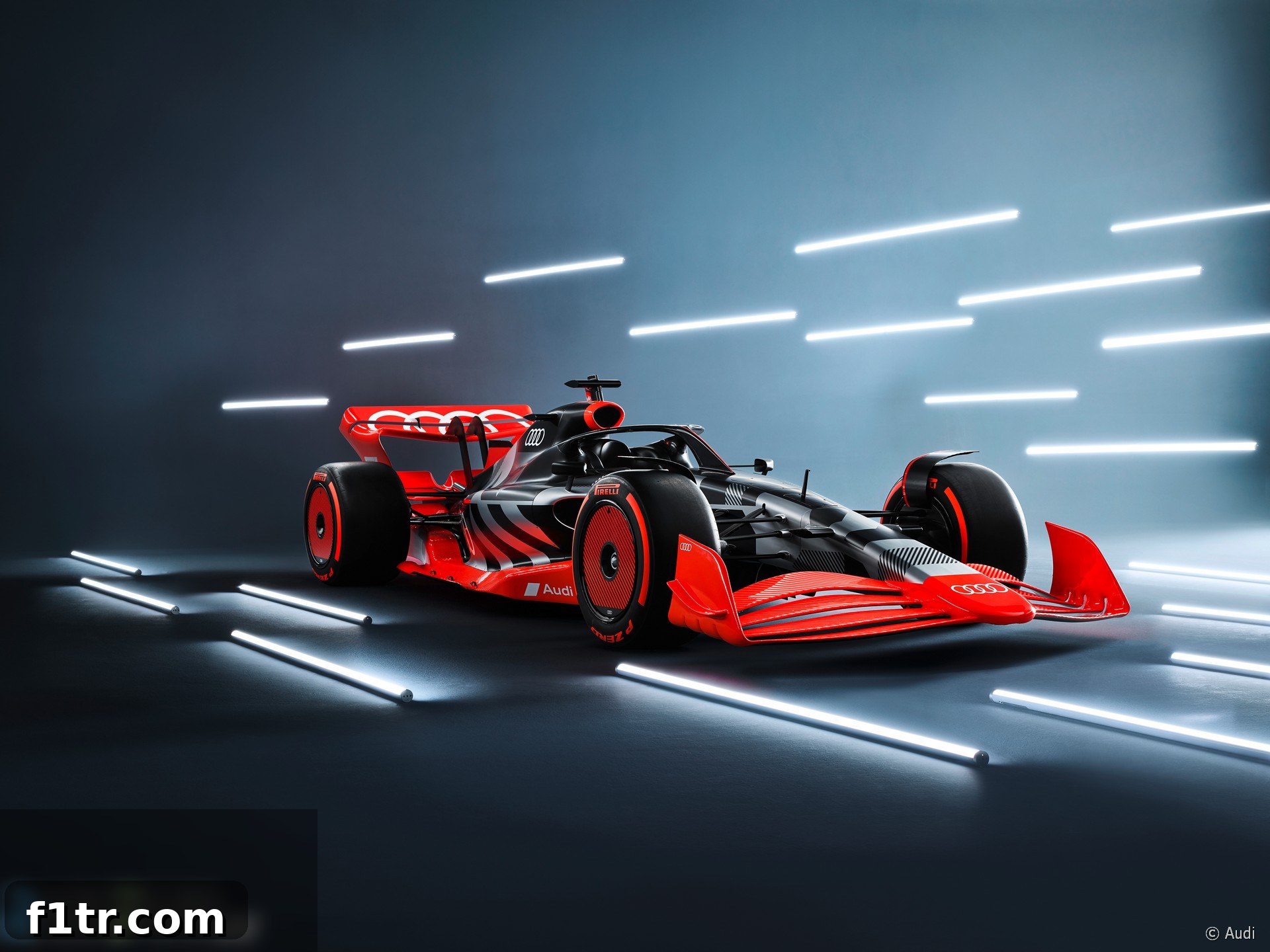
The highly anticipated entry of Audi into Formula 1 in 2026 continues to gather momentum, with significant steps being taken well in advance of their debut. Adam Baker, CEO of Audi Formula Racing, has confirmed the manufacturer’s intent to onboard a seasoned development driver into their Formula 1 project by the close of the current year. This proactive approach underscores Audi’s commitment to a robust and competitive entry into the pinnacle of motorsport.
Audi will officially join the F1 grid in 2026, partnering with the Sauber team – currently operating as Alfa Romeo – as the sport introduces its new power unit regulations. The 2026 season marks a pivotal moment for Formula 1, with a renewed emphasis on sustainable fuels and simpler, yet powerful, hybrid power units. Baker emphasized the critical role such a driver will play in the initial development phases. “It may seem that our debut is far away, but we want to have a development driver by the end of 2023,” Baker stated in an interview with SoyMotor. This timeline highlights the extensive period required for engine and chassis integration, driver feedback, and simulator refinement long before the physical car takes to the track.
The German automotive giant is not just looking for any driver; they are specifically seeking an individual with a wealth of experience in Formula 1. This expertise is deemed vital for guiding the development of their new power unit, particularly through intensive simulator work conducted at their state-ofthe-art facilities in Neuburg, Germany. A driver with previous F1 experience brings an invaluable understanding of high-performance hybrid systems, intricate vehicle dynamics, and the rigorous demands of Grand Prix racing. Their insights will be instrumental in translating virtual progress into tangible on-track performance.
The decision to develop an F1 engine in Germany marks a historic return, with Baker noting, “It is the first time, since 2009, that a Formula 1 engine has been developed in Germany.” This undertaking presents both an exciting opportunity and a unique challenge. To secure the specialized personnel required for such an ambitious project, Audi is actively recruiting experts from established motorsport hubs across Europe, including England, France, and Italy. The competitive landscape for top-tier engineering and driving talent in Formula 1 is intense, making Audi’s early recruitment drive a strategic imperative to build a formidable team capable of challenging at the highest level.
Audi’s long-term vision for Formula 1 is not merely participation but competitive success. Their methodical approach to team building, infrastructure development, and early driver integration signals a serious intent to leave a lasting mark on the sport, setting the stage for an exciting new chapter in Formula 1 history.
Ferrari’s 2023 Challenger: A Strategic Evolution Influenced by Red Bull’s Success
As the Formula 1 season draws nearer, details regarding the new machinery begin to surface, none more anticipated than the unveiling of Scuderia Ferrari’s 2023 contender. Reports from La Gazzetta dello Sport indicate that Ferrari’s latest Formula 1 car will be a measured evolution of its race-winning predecessor, the F1-75, incorporating notable aerodynamic modifications specifically designed to mitigate the team’s primary weaknesses from the previous season.
A key aspect of these revisions appears to draw inspiration from Red Bull Racing’s championship-winning RB18 design of 2022. Ferrari’s distinctive, often criticized, tall-edged sidepods are expected to undergo significant shortening. This modification aims to create a more pronounced ‘double floor’ effect, a concept that proved highly effective in maximizing aerodynamic efficiency and generating downforce for Red Bull. By optimizing airflow around and under the car, Ferrari hopes to unlock greater performance stability and reduce the porpoising issues that occasionally plagued their 2022 campaign.
Further refinements are anticipated in the rear bodywork, which will be revised to improve overall aerodynamic flow and cooling efficiency. A horizontal section is reportedly being incorporated above the suspension, primarily for enhanced cooling. This design element also echoes the successful layout observed on the RB18, suggesting Ferrari’s engineers have closely studied their rivals’ innovations and are adapting proven concepts to their own package. These changes indicate a clear strategic shift towards a more optimized and versatile aerodynamic platform, moving away from some of the more radical aspects of the F1-75.
Beyond aerodynamics, one of Ferrari’s most pressing concerns from 2022 was the reliability of its power unit. The 066/7 hybrid engine, while incredibly powerful, suffered from several critical failures that cost the team at least two likely victories and forced them to operate their cars more conservatively in the latter half of the season. It is understood that Ferrari has addressed these power unit reliability problems extensively during the off-season. Rectifying these issues is paramount, as it will enable the team to unleash the full performance potential of their engine without fear of mechanical failure. Improved reliability will not only translate to more points on track but also empower drivers Charles Leclerc and Carlos Sainz to push the car to its absolute limits, maintaining a more aggressive setup throughout race weekends.
With these comprehensive updates, Ferrari aims to mount a stronger, more consistent challenge for the 2023 Formula 1 World Championship, hoping to translate their raw speed into sustained championship contention.
Advert | Become a RaceFans supporter andgo ad-free
Formula 1 News Roundup & Social Highlights
Driver Insights and Team Preparations
- Oscar Piastri’s Pivotal McLaren Test: Australian rookie Oscar Piastri’s post-season test with McLaren has been highlighted by Mark Webber as “pivotal.” Such tests are crucial for new drivers to acclimate to their new team’s environment, procedures, and the specific characteristics of the car. Piastri, known for his meticulous approach, can use this early experience to build a strong foundation, complementing his factory work as a reserve driver and preparing him for the intense demands of his debut season.
- Aston Martin’s 2023 Anticipation: Fernando Alonso, preparing for his move to Aston Martin, shared a message with fans ahead of the 2023 season, signaling the excitement and readiness within the team for the upcoming campaign. The arrival of the two-time world champion brings a wave of experience and ambition to Aston Martin, as they aim to climb up the constructors’ standings.
Advert | Become a Supporter & go ad-free
Reflecting on the 2022 Season: Surprises and Trajectories
- The 5 Biggest Surprises of the 2022 F1 Season: Autoweek reflected on the most unexpected turns of the 2022 season. Among them was Mercedes’ journey, which saw significant improvements throughout the year. The early season ‘porpoising’ issues masked other deficiencies in the W13, but subsequent updates, particularly their package introduced in Austin, provided the team with renewed confidence in their development trajectory. George Russell delivered an impressive performance, securing the team’s sole pole position and victory of the year. This left Lewis Hamilton with a unique statistic: his first winless season since his F1 debut in 2007, highlighting the challenges faced by the Silver Arrows.
Social Media Highlights from the Motorsport World
- Dakar Rally Family Fun: Carlos Sainz Jr. humorously urged his father, motorsport legend Carlos Sainz Sr., to slow down during a stage of the Dakar Rally 2023, showcasing the lighter side of racing families and the enduring passion for competition across generations.
- Ferrari Sponsor Watch: Decalspotters reported on changes to Scuderia Ferrari’s partner list, noting the removal of Velas and Snapdragon. Ferrari had announced a long-term partnership with Velas at the end of 2021 and a strategic partnership with Snapdragon at the start of 2022. Changes in sponsorship deals are a common, albeit significant, aspect of Formula 1 team operations, often reflecting evolving commercial strategies and market dynamics.
- F1 Fan Nostalgia: A fan named Millie shared a collection of her mother’s old F1 memorabilia, including classic Silverstone tickets. These glimpses into the past highlight the deep-rooted history and sentimental value of Formula 1 for its long-standing fanbase.
- For more official F1 accounts to follow, explore the F1 Twitter Directory.
Advert | Become a RaceFans supporter andgo ad-free
The Fan Perspective: F1 Viewing Experience and Broadcasting Rights
F1’s Booming Popularity vs. Viewer Accessibility and Cost
While Formula 1’s viewing figures and ticket sales continue to experience a significant boom globally, a critical discussion point among fans, particularly in regions like the UK, revolves around the cost and accessibility of watching the sport. The “Comment of the Day” from ‘davidhunter13’ articulates a common frustration felt by many British F1 enthusiasts.
The commenter expresses dissatisfaction with the current broadcasting landscape, specifically highlighting the high costs associated with services like Now TV sports passes, which are often used by those without a full Sky subscription. The necessity of purchasing ‘boost’ for reasonable quality and frame rates further inflates the expense, making the overall viewing experience disproportionately expensive compared to the value received. The commenter noted the lack of a reasonably priced season pass option until late in the season, adding to the inconvenience and financial burden.
A prevalent sentiment among fans is the desire for a dedicated F1 streaming service, similar to F1TV Pro, which offers a more direct and potentially more affordable way to access all races and supplementary content. However, due to existing long-term broadcasting rights deals, such as Sky’s exclusive rights in the UK for years to come, this ideal scenario remains out of reach for many. The challenge for broadcasters and F1 management lies in balancing lucrative rights deals with ensuring the sport remains accessible and affordable for its burgeoning global fanbase. The potential for a standard streaming fee of around £10 a month, solely for F1 content, is seen as a fair compromise that could attract more subscribers, demonstrating that while F1’s popularity soars, the fan experience on a local level still presents significant areas for improvement and consideration.
Advert | Become a RaceFans supporter andgo ad-free