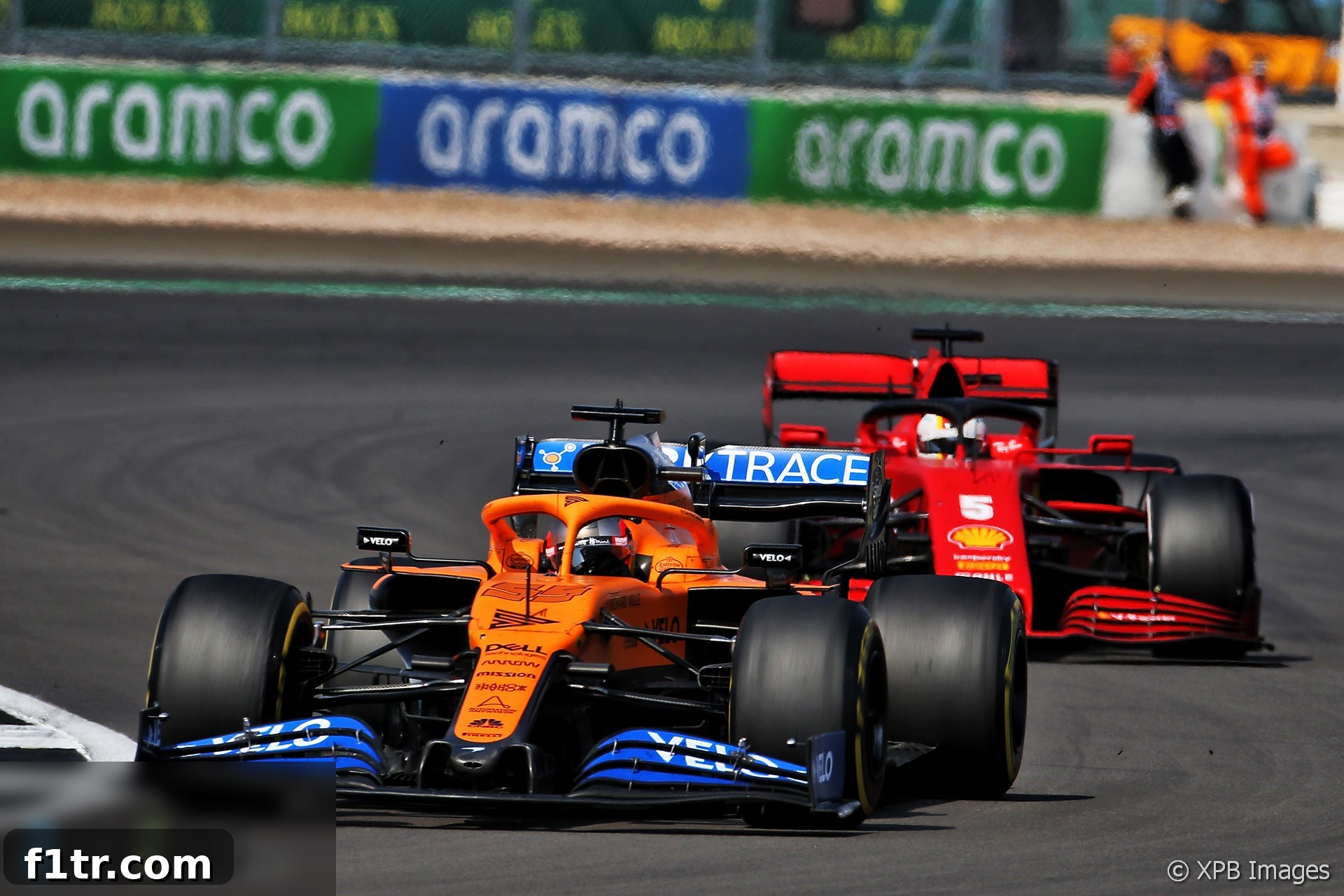
In this comprehensive round-up, we delve into the mounting frustrations of Carlos Sainz Jnr as a string of unfortunate incidents plague his recent races. From critical pit stop errors to broader regulatory debates and significant updates from across the motorsport spectrum, we cover the essential pulse of the racing world, offering insights and analysis.
Carlos Sainz’s Mounting Frustration: The High Cost of Pit Stop Woes in Formula 1
Formula 1 is a sport where fractions of a second can define a race, and mechanical reliability, paired with strategic brilliance, is paramount. For Ferrari driver Carlos Sainz Jnr, recent events have starkly highlighted this unforgiving nature, leading to palpable and understandable frustration. Following a race where a crucial pit stop failure severely hampered his performance, Sainz articulated his disappointment, emphasizing how a strong strategic play was entirely undone by an unforeseen mechanical issue during a critical phase of the race.
We were simply cruising, maintaining excellent pace, up to the first scheduled round of pit stops. My strategy involved staying out longer on the hard tyre compound. This was a deliberate tactic designed to maximize our ‘overcut’ potential, allowing us to gain significant time on competitors who had pitted earlier and were still getting their fresh tyres up to optimal temperature and grip. We were effectively starting to create a substantial tyre delta, which, had it played out, would have placed me in an incredibly strong position for the remainder of the race. The plan was being executed perfectly on track, and I felt genuinely confident about our trajectory and prospects.
However, once again, we lost another five seconds or something during the pit stop itself. From that precise moment, all momentum was lost. I was immediately thrown back into heavy traffic, losing all the precious track position we had so painstakingly gained through careful driving and smart strategy. It consequently put me in a very disadvantageous situation, effectively undoing all the hard work and competitive edge from the initial stint. It was, without a doubt, another tough day at the office, to say the very least.
I’m genuinely starting to get a bit frustrated now, and truthfully, I’m finding myself a bit out of words because nothing seems to be going right for me at the moment. Despite these recurring setbacks, I believe I drove exceptionally well today; I was truly happy with how the race was progressing before that critical pit stop incident. Now, my focus must be to simply turn the page very quickly, learn what we can, and immediately refocus on the next challenge with renewed determination.
I firmly believe that all the preparatory and on-track hard work was done successfully in that first stint, and we were looking incredibly strong afterwards, primed for a competitive finish. So, losing such a significant amount of time in the pits was a massive blow, an opportunity unequivocally missed. I don’t think it’s the guys’ fault; I absolutely do not want to be tough or overly critical with anyone in the team. I understand it was likely a mechanical failure during the pit stop, an unpredictable and unfortunate element in a sport built on complex machinery and high-speed precision. While it’s not something to be overly critical about the crew who perform under immense pressure, as the competitive driver that I am, I’m obviously very disappointed with the outcome and the squandered opportunity that was within our grasp.
Sainz’s poignant comments reveal the delicate balance between a driver’s raw competitiveness and their empathetic understanding of the team’s operational complexities. The ‘overcut’ strategy he mentioned is a tactical masterstroke when executed flawlessly, allowing a driver on older, but still performing, tires to gain time on rivals who have pitted early and are still warming up their fresh rubber. A five-second delay, however, is an eternity in Formula 1 – a catastrophic loss capable of dropping a driver multiple positions and into the turbulent mid-field, where clean air is a rarity and strategic options diminish rapidly.
This incident also casts a stark spotlight on the relentless pressure faced by pit crews. While Sainz was quick to attribute the issue to a mechanical failure rather than human error, such setbacks highlight the intricate machinery and split-second precision required in every aspect of Formula 1. From the precise alignment of the car to the synchronous operation of wheel guns, any minor deviation can cascade into significant time penalties. For a team like Ferrari, consistently aiming for top championship honors, these intermittent operational glitches can be particularly costly, impacting not just a single race result but also momentum, team morale, and crucially, championship aspirations. Sainz’s determination to “turn the page” quickly is a testament to the immense mental fortitude and resilience required to compete at the very pinnacle of global motorsport.
Quotes: Dieter Rencken
Social Media Buzz: Voices from the Paddock and Beyond
Beyond the official interviews and press conferences, social media provides a direct, and often candid, look into the lives, preparations, and thoughts of motorsport personalities. These platforms offer fans an immediate connection to their heroes and a glimpse behind the scenes of the racing world. Here are some notable posts from Twitter, Instagram, and other platforms:
Last commitments of the day, and we are ready to start the practice tomorrow. #indy500 #66 Thanks @ArrowMcLarenSP @RuoffMortgage #progressive @Kimoa @MissionFoodsUS @BangOlufsen @DUELIT_official @Richard_Mille ! ✊️ pic.twitter.com/JJUKhrif26
— Fernando Alonso (@alo_oficial) August 11, 2020
Two-time Formula 1 World Champion Fernando Alonso shared an update on his meticulous preparations for the legendary Indy 500 race. Alonso, a driver globally renowned for his relentless pursuit of motorsport’s elusive Triple Crown (winning the Monaco Grand Prix, Le Mans 24 Hours, and the Indy 500), has made multiple, determined attempts at the iconic American oval race. His consistent participation showcases his incredible versatility, unwavering ambition, and deep respect for motorsport’s most challenging disciplines beyond the confines of Formula 1. His tweet, extending gratitude to his team Arrow McLaren SP and various key sponsors, signifies the intense dedication, extensive partnerships, and sheer logistical effort involved in tackling one of the world’s most gruelling and prestigious oval races. For fans across the globe, it’s not just a social media post, but a compelling glimpse into the diverse and demanding world of top-tier motorsport and the enduring legacy of one of its greatest and most adventurous talents.
- Find more official F1 accounts to follow in the F1 Twitter Directory
Beyond F1: Key Developments and Insights from the Broader Motorsport World
The global motorsport landscape is a dynamic arena, constantly buzzing with breaking news, crucial technical updates, and insightful strategic analyses from various racing series. Here’s a curated selection of noteworthy articles and videos from across the racing world, offering a broader perspective on the diverse challenges, continuous innovations, and compelling narratives that shape the sport:
Looking for more answers at Montmelo (Ferrari)
Ferrari’s Simone Resta provided a pertinent update on the SF1000 chassis ahead of the Spanish Grand Prix. He confirmed that Sebastian Vettel would receive a new chassis, a change implemented not for performance upgrades, but due to a small structural fault detected after a heavy impact over a kerb during the preceding race at Silverstone. While the fault was ultimately deemed unlikely to significantly affect performance, the logical and safety-conscious decision was made to replace it. This meticulous attention to detail underscores Ferrari’s unwavering commitment to driver safety and paramount car integrity, illustrating the continuous, often subtle, development and inspection work that goes on tirelessly behind the scenes in Formula 1. Even without major aerodynamic packages or visible upgrades, ensuring optimal structural integrity and peak performance for the demanding races ahead remains a paramount objective for all top-tier teams.
Tsunoda ‘had the potential for first,’ even without late Prema crash (F2)
In the fiercely competitive FIA Formula 2 Championship, a crucial proving ground for future Formula 1 stars, rising talent Yuki Tsunoda expressed unwavering confidence in his potential for victory, even without external factors influencing the race outcome. “I had the potential for first, even without the collision in front of me. For sure, I could have been at least second, because Robert looked like he was struggling with his tyres,” Tsunoda stated. His comments highlight the incredibly fine margins and strategic tyre management that profoundly define F2 racing. Tsunoda’s self-belief, coupled with his astute observation of his rivals’ tyre degradation, signals a genuinely promising talent on the rise, indicative of the intense competition, strategic depth, and high-stakes environment within motorsport’s premier feeder series.
Pagenaud aiming for rare Indy repeat (IndyCar)
Simon Pagenaud, a prominent and highly accomplished figure in IndyCar racing, shared his focused mindset as he aimed for a rare and coveted repeat victory at the legendary Indianapolis Motor Speedway. “It’s a chance now to race a lot freer so I can just focus on myself a lot more and not worry about the outcome as much. Now, I don’t have to worry about this at all,” Pagenaud commented. This psychological approach, prioritizing individual performance and shedding the immense burden of external expectations, is a common and vital trait among elite athletes across all sports. For Pagenaud, releasing the pressure of defending a title allows for a more instinctive, uninhibited, and potentially faster drive, a testament to the critical mental game that is every bit as important as physical skill in high-stakes, competitive motorsport.
Blistering, Tyre Choices and More (Mercedes via YouTube)
The Mercedes-AMG Petronas F1 Team frequently provides incredibly insightful debriefs following races, offering a rare look behind the curtain of Formula 1 strategy. This particular YouTube video offered a detailed and educational look into the critical aspects of tyre management, a perennial challenge in modern F1. The discussion centered on complex phenomena like tyre blistering – where overheating causes rubber chunks to detach – and the profound strategic implications of different tyre choices made throughout a race weekend. Understanding precisely how tyres degrade and perform under varying track conditions, temperatures, and loads is absolutely fundamental to Formula 1 strategy, influencing everything from optimal pit stop windows to overall race pace and overtakes. These comprehensive debriefs are invaluable for passionate fans, aspiring engineers, and casual observers alike, providing a privileged glimpse into the complex science, advanced engineering, and relentless pursuit of optimizing every single component that defines modern F1 racing.
We always endeavour to credit original sources. If you have a tip for a link to feature in the next RaceFans round-up, please send it in via the contact form. Your contributions help keep our community informed and engaged.
The Great Debate: FIA’s Proposed Ban on Qualifying Engine Modes and Its Implications for F1
The FIA’s proposed ban on special “qualifying engine modes” for the upcoming 2021 Formula 1 season sparked considerable debate among fans, teams, and pundits alike. This contentious proposal touched upon fundamental aspects of Formula 1’s philosophy, pitting the desire for competitive parity against the sport’s long-standing tradition of technological innovation. The core idea behind such a ban is to standardize engine usage across both qualifying and race sessions, potentially leveling the playing field and reducing the performance gap between teams, particularly those with a significant advantage from superior engine performance in a specialized ‘party mode’ for single laps.
A discerning RaceFans commenter, Neil (@neilosjames), articulated a common sentiment, expressing a nuanced and insightful perspective on the controversial rule change:
I’m genuinely a bit torn on this issue. On one hand, I certainly don’t dislike the idea of pulling the field closer together; indeed, closer racing is often far more exciting for the fans, leads to greater unpredictability in outcomes, and elevates the drama on Sundays. However, at the same time, I strongly dislike the notion of development and innovation being stifled in Formula 1. This sport has always proudly stood at the pinnacle of automotive engineering, pushing boundaries and showcasing cutting-edge technology, and restricting specific engine modes feels somewhat like a step backward in that regard. I also deeply appreciate qualifying and the race being distinct challenges, each uniquely requiring a different approach, optimal car setup, and specific engine mapping.
In essence, this proposed ban feels very much like an ‘Q2 tyre rule’ for engines, and I must admit, I really don’t like the Q2 tyre rule either. Both regulations, in my view, seem to impose artificial restrictions on strategy and engineering rather than genuinely fostering natural competition or technological advancement through open development.
But anyway… personal dislike aside, my primary hope is that if this rule is indeed implemented, it’s actually done right and enforced effectively. It would be quite silly, and frankly counterproductive to the spirit of the sport, if a team could, for instance, discreetly flip a ‘quali mode’ on while they’re trundling down the pit lane under the speed limiter, making it technically legal but completely undermining the entire spirit and intention of the regulation. Enforcing such a comprehensive ban effectively and fairly will undoubtedly present a significant and ongoing challenge for the FIA.
Neil’s comments encapsulate the core dilemma facing modern Formula 1. On one side, there’s the pervasive desire for competitive parity, cost control, and more predictable racing, often leading to regulations that, by necessity, limit technological freedom. On the other, the sport prides itself on being an unparalleled proving ground for cutting-edge innovation and engineering excellence. A “qualifying mode” allows engines to run at their absolute maximum power output for a short, explosive burst, pushing components to their very limit for that single, crucial qualifying lap. Banning this would mean engines operate under the same parameters for both qualifying and race, potentially reducing engine wear and extending component life, but also removing a unique engineering challenge and a distinct strategic element from the weekend.
The comparison to the Q2 tyre rule is particularly apt and insightful. That rule mandates that drivers who successfully make it to Q3 must start the race on the same set of tyres they used to set their fastest time in Q2. While intended to spice up race strategy, it sometimes leads to drivers deliberately sacrificing Q2 times or positions to start on a more favorable tyre compound for the main race. Similarly, a poorly implemented or ambiguously defined engine mode ban could lead to unintended consequences or ‘grey areas’ that clever engineers, in their relentless pursuit of performance, might exploit. As Neil suggests with the hypothetical pit lane scenario, such loopholes could completely undermine the regulation’s intent. The FIA’s immense challenge lies in crafting regulations that genuinely promote fair and exciting competition without inadvertently stifling the very innovation, strategic depth, and engineering prowess that makes Formula 1 so captivating and universally appealing.
Community Corner: Happy Birthday!
A special shout-out to members of our vibrant racing community celebrating another year of life and passion for motorsport! Wishing a very Happy Birthday to Chris Monk and Ciaran.
If you’d like a birthday shout-out in a future RaceFans round-up, please let us know when yours is via the contact form or by adding your name to our special list here. We love celebrating with our passionate and dedicated fanbase!
On This Day in F1 History: A Look Back at Key Moments
- Exactly 25 years ago today, Damon Hill clinched a memorable and strategically significant victory at the Hungarian Grand Prix for Williams. This triumph was particularly pivotal as it came at the expense of his fierce title rival, Michael Schumacher, who was unfortunately forced to retire from the race due to a debilitating fuel pump problem. Hill’s well-deserved win marked a crucial moment in a championship battle defined by intense competition, dramatic swings of fortune, and legendary rivalries. This victory helped solidify Hill’s legacy as a formidable competitor in what is often remembered as a golden era of Formula 1, showcasing the relentless pressure and unpredictable nature that has always defined the sport.