Formula 1 has always been a crucible where the pursuit of ultimate performance collides with the imperative of driver safety. The 2022 season, with its radical new ground effect aerodynamic regulations, introduced a stark new challenge: porpoising. This unsettling vertical oscillation, resembling the motion of a porpoise in water, has plagued many teams and, more critically, subjected drivers to extreme physical discomfort and potential long-term health risks. In response to mounting concerns from the paddock, the FIA, motorsport’s governing body, has taken decisive action, issuing a technical directive aimed at mitigating this phenomenon. This intervention has garnered significant support from a majority of Formula 1 drivers, who view it as a crucial step towards safeguarding their well-being and compelling teams to prioritize a more stable and safer car design.
The core of the issue lies in the complex aerodynamics of the new generation of F1 cars. Designed to generate downforce primarily through underbody ground effect, these vehicles operate most efficiently when running as close to the track surface as possible. However, at high speeds, this can lead to an aerodynamic stall-re-attachment cycle. As the car gets closer to the ground, airflow under the floor accelerates, creating immense downforce. If the car gets too low, the airflow can momentarily stall, causing a sudden loss of downforce. The car then rises slightly, the airflow re-attaches, and downforce is restored, only for the car to be sucked back down, restarting the cycle. This rapid, repetitive bouncing, often occurring at speeds exceeding 200 mph, sends violent jolts through the chassis and directly into the drivers’ bodies. The intensity of this motion can vary significantly between cars and tracks, but its presence has become an undeniable characteristic of the 2022 Formula 1 season, sparking an urgent debate about safety versus outright speed.
Advert | Become a Supporter & go ad-free
Drivers Unite: A Collective Call for Intervention
The FIA’s technical directive, issued this week, explicitly outlines its intention to monitor the vertical movement drivers are subjected to. The governing body plans to implement a metric for acceptable vertical oscillation and take action against teams whose cars exhibit excessive porpoising, deemed unsafe. This firm stance by the FIA was largely prompted by direct appeals from the drivers themselves, who found themselves in a difficult position of advocating for safety that could potentially compromise their team’s performance.
Veteran driver Fernando Alonso articulated this predicament clearly, stating, “I think the drivers simply wanted to ask some help from the FIA because obviously, coming from us, it’s difficult sometimes to go to our team and tell them to lose performance just because we have pain or whatever. So if they can do it for us, it’s easier.” Alonso’s sentiment highlights the inherent tension within a competitive sport: while teams are engineered to extract every millisecond of performance, drivers are the ones physically enduring the consequences. Their plea to the FIA underscores the need for an impartial arbiter to draw the line where performance compromises safety.
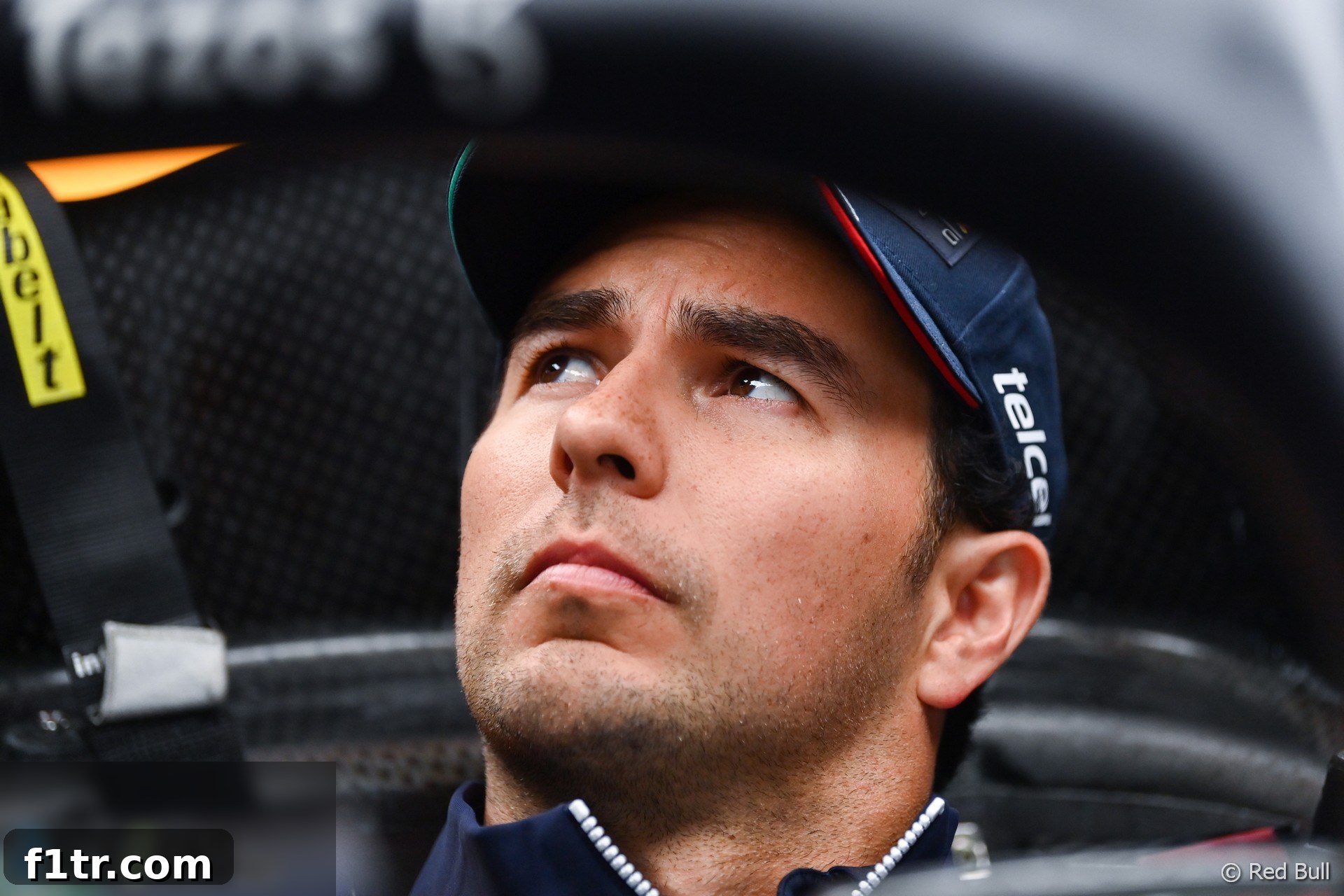
Sergio Perez, whose Red Bull Racing teammate Max Verstappen voiced reservations about mid-season rule changes, strongly supported the FIA’s decision. Perez explained the relentless pursuit of downforce that pushes teams to extremes: “I think all the teams are chasing the balance or chasing the downforce. And the way to find it is to go as low as possible. But there certainly is a limit on how low you can go. We all want to be lower than we currently are, but we all have limits where we can go to. If you’re getting off limits, that is not helpful for the drivers, like a few of the drivers’ comments last weekend. So I think it’s a good intervention from FIA to try and calm it down.” His comments perfectly encapsulate the dilemma: while teams understand the theoretical limits, the competitive nature of F1 often encourages them to flirt with, or even exceed, those boundaries unless an external authority intervenes.
Baku’s Breaking Point: When Discomfort Became a Crisis
The issue of porpoising reached a critical point at the Baku City Circuit, a high-speed track notorious for its bumps and long straights, where several drivers experienced particularly uncomfortable and even painful rides. The punishing nature of the Azerbaijani Grand Prix track, combined with the extreme stiffness and low ride heights of the 2022 cars, exacerbated the porpoising to an alarming degree. Drivers reported severe back pain, headaches, and even blurred vision due to the relentless vibrations. Carlos Sainz Jnr was among the most vocal drivers following Baku, openly sharing his concerns about the physical toll. He expressed relief that their collective voice had been heard: “The FIA has definitely listened to the conversation that we had with them in the last few weeks, and the drivers’ complaints. To be honest, I didn’t expect such an early response or such an early action.” This swift reaction from the FIA, although surprising to some, demonstrated the gravity of the situation and the genuine concern for driver welfare. Sainz further predicted that any regulatory changes would broadly impact the grid, acknowledging that “pretty much every team on the grid because everyone is just running as stiff and as low as they can.” This highlights that the problem is not isolated to a few teams but is a systemic outcome of the current regulatory framework.
Advert | Become a RaceFans supporter andgo ad-free
The physical consequences of porpoising extend beyond mere discomfort. The continuous, high-frequency jarring subjects the human body to forces it is not designed to withstand for prolonged periods. Drivers, who already endure immense G-forces during braking and cornering, are now also contending with vertical impacts that could lead to spinal injuries, chronic back pain, and other musculoskeletal issues over time. These are not trivial concerns; they speak to the very foundation of driver safety in a sport that constantly pushes human limits. The FIA’s intervention is thus a pre-emptive measure to prevent severe health consequences, ensuring that the spectacle of racing doesn’t come at the cost of its participants’ long-term well-being.
Safety Over Performance: The FIA’s Mandate
As a director of the Grand Prix Drivers Association (GPDA), Sebastian Vettel offered a comprehensive perspective on the necessity of the FIA’s directive. “Obviously, it will be very difficult to foresee now what the solution is for everybody,” the Aston Martin driver acknowledged, understanding the technical complexities and competitive implications for teams. “It will be impossible for all the teams to agree either. But it cannot be us drivers will suffer injury short or potentially long-term and suffer for the rest of their lives for stuff that can be avoided. I know every sport practice, to the extreme, is not healthy to some degree. But I think, looking at the future, it can’t be going on for another four or five years like that. So it’s good then if the FIA looks into it and to put safety over performance.” Vettel’s statements underline the GPDA’s role in advocating for driver welfare and highlight a critical ethical boundary: while F1 is inherently risky, preventable harm must be addressed. His emphasis on long-term health ramifications underscores a proactive approach to driver protection, considering the potential cumulative damage over an entire career.
Echoing these sentiments, Nicholas Latifi stressed the immediacy of action required, particularly given the multi-year cycle of the current regulations. “I think that for the next three or four years, with these kind of cars with the bouncing and harsh ride that a lot of guys are experiencing, it’s for sure going to have kind of long-term negative health effects,” Latifi warned. He recognized the competitive divide, noting, “this is going to be the specific teams and drivers that are maybe happy to deal with it at the expense of gaining more performance versus some that are not. So, for sure there’s going to be some people talking with the directive, some people not. But I do think it was a good thing for the FIA to intervene.” This perspective acknowledges that not all teams and drivers are affected equally, nor do they all share the same willingness to endure discomfort for performance gains. This divergence of opinion further strengthens the argument for an impartial regulatory body like the FIA to step in and set universal safety standards.
Kevin Magnussen of Haas, another driver who has experienced the harsh realities of porpoising, also firmly backed the FIA’s intervention. He described the directive as “what they had to do,” emphasizing that it was the only viable path to achieving a consensus on a complex issue where competitive interests often clash with safety imperatives. “That’s why the FIA is there, to step in and sort out the issue,” Magnussen asserted. “There’s been a lot of drivers now saying that they’ve got physical issues and concerns and it was definitely the right step.” His pragmatic view highlights the FIA’s fundamental role in regulating the sport, particularly when collective safety concerns arise that individual teams or drivers cannot effectively resolve on their own.
The Impact of the Technical Directive: What Lies Ahead
The FIA’s technical directive is more than just a statement of intent; it marks the beginning of a process to enforce stricter safety parameters. While the exact methodology for monitoring and enforcing the vertical oscillation metric is still being finalized, it will likely involve sophisticated accelerometer data from the cars, allowing the FIA to quantify the severity of porpoising. Teams exceeding an agreed threshold may face penalties or be mandated to make changes to their car setups, such as increasing ride height or modifying suspension characteristics, to reduce the bouncing. This could have significant competitive implications, potentially forcing some teams to sacrifice a degree of aerodynamic performance for compliance. The challenge for the FIA will be to implement these changes fairly, ensuring that the competitive balance of the sport is maintained as much as possible, while unequivocally prioritizing driver safety.
Advert | Become a RaceFans supporter andgo ad-free
Historically, Formula 1 has seen numerous safety innovations born out of necessity, from the introduction of the HANS device to improvements in circuit design and crash structures. Each step, often met with initial resistance due to perceived performance impacts, ultimately solidified F1’s commitment to protecting its competitors. The porpoising crisis of 2022 is another chapter in this ongoing evolution. The FIA’s intervention is not just about solving a technical anomaly; it’s about reinforcing a core value of motorsport: that even in the relentless pursuit of speed, the well-being of the human element remains paramount. The long-term success and appeal of Formula 1 depend not only on its technological prowess and competitive drama but also on its ability to evolve responsibly, ensuring that the sport remains an aspiration for future generations of drivers without compromising their health or careers.
As teams adapt to this new directive, the focus will shift towards finding innovative engineering solutions that can mitigate porpoising without drastically compromising performance. This challenge will undoubtedly spur further advancements in F1 car design, potentially leading to more sophisticated suspension systems or aerodynamic configurations that better manage ground effect within safer operational windows. The FIA’s intervention, therefore, serves as both a protective measure and a catalyst for innovation, pushing the boundaries of engineering not just for speed, but for safety and driver well-being.
2022 Canadian Grand Prix
- Alfa Romeo see “great future in F1” for Zhou after best result so far
- Ocon has “big hopes” for Alpine’s Silverstone upgrade package
- Hamilton’s Canada podium especially satisfying after run of “bad luck” – Wolff
- Verstappen urges Red Bull to find more pace after close win in Canada
- More confident Sainz is now a contender for wins – Binotto
Browse all 2022 Canadian Grand Prix articles