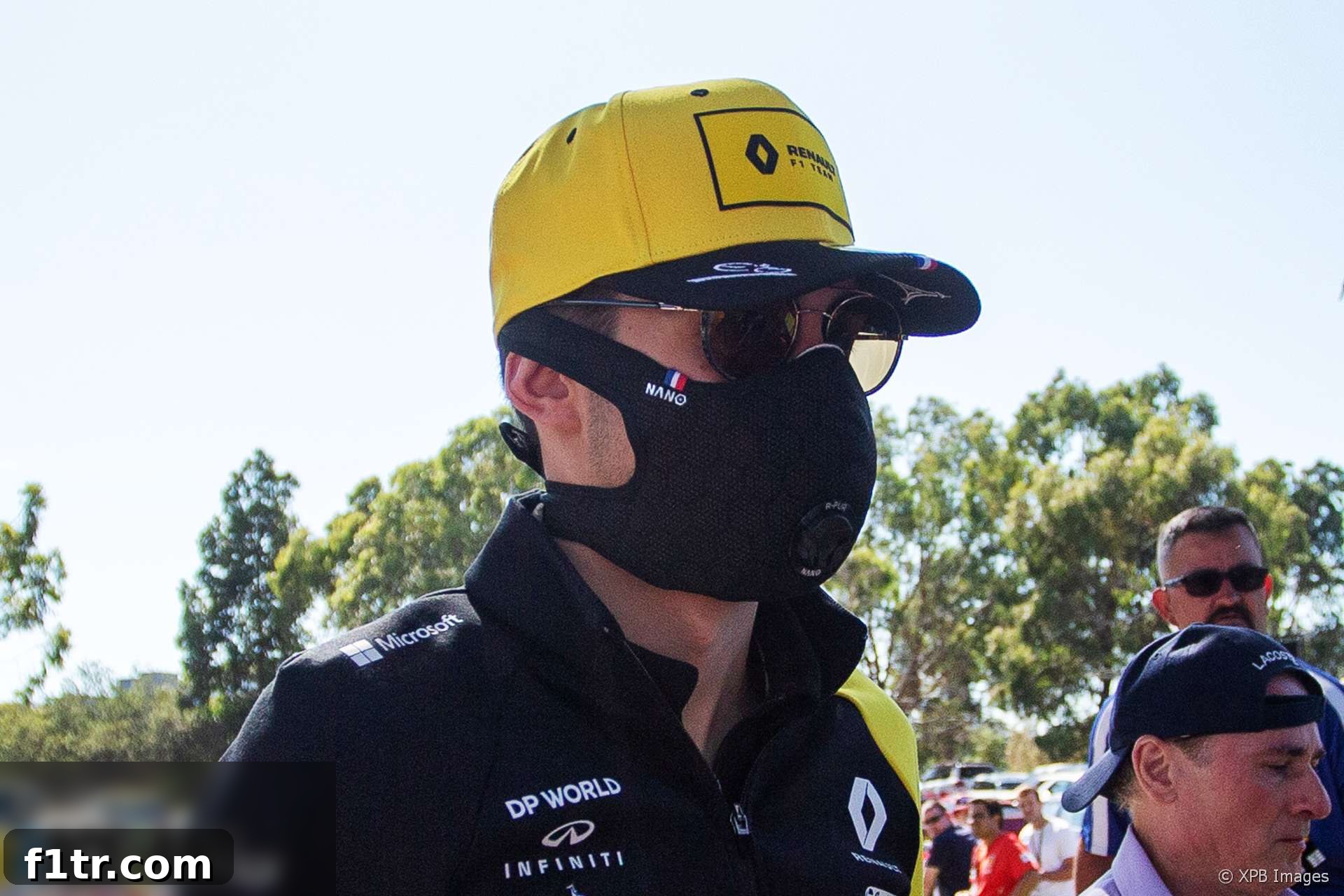
F1 Stars Esteban Ocon and Daniel Ricciardo Detail Unprecedented Lifestyle Changes to Combat COVID-19 for Season Return
As the Formula 1 circus prepared for its long-awaited return amidst a global health crisis, the spotlight wasn’t just on raw speed and strategic prowess, but also on an entirely new challenge: safeguarding health against the COVID-19 pandemic. Two prominent drivers, Esteban Ocon and Daniel Ricciardo, opened up about the profound and often drastic measures they implemented into their daily lives to minimize their risk of contracting the coronavirus, ensuring they were fit and ready to compete.
Advert | Become a Supporter & go ad-free
Esteban Ocon’s Extreme Commitment: A Total Lifestyle Overhaul
For Esteban Ocon, the stakes were particularly high. After spending a challenging year on the sidelines as a reserve driver for Mercedes in 2019, he was set to make his highly anticipated return to a full-time F1 race seat with Renault. The thought of having this opportunity jeopardized by illness was a powerful motivator for the young Frenchman. Ocon described his changes as “massive,” indicating a wholesale transformation of his daily routines and interactions.
“I’m changing everything,” Ocon stated emphatically. “There’s not one single thing that I do the same in my life nowadays.” This isn’t merely a casual adjustment; it signifies a profound shift in mindset and behavior. Every aspect of his existence, from the mundane to the extraordinary, has been meticulously re-evaluated through the lens of virus prevention. Travel, which is an inherent part of a Formula 1 driver’s life, has been re-imagined with stringent protocols. Simple tasks like grocery shopping have become calculated exercises in risk mitigation, involving heightened awareness and meticulous sanitization upon returning home.
Ocon’s dedication stems from a clear understanding of the sacrifices he made to return to the grid. “It would be crazy to wait so long, to have prepared that much, and arrive and be positive at the test for myself or risking myself to be positive and getting risk for the team,” he explained. The financial and competitive implications of a positive test for himself or his team are colossal, ranging from missing critical race weekends to potentially spreading the virus within the tightly-knit F1 paddock. He recognizes the elusive nature of absolute safety in such an environment, acknowledging that “‘Risk zero’ doesn’t exist, unfortunately, but you can take some out if you are careful.” This pragmatic approach underscores the careful balance between intense competition and an unwavering commitment to health.
Daniel Ricciardo’s Pragmatic Approach to Personal Safety
Esteban Ocon’s teammate at Renault, Daniel Ricciardo, echoed similar sentiments regarding the necessity of increased precautions, albeit perhaps with a slightly more understated tone. The charismatic Australian driver also detailed his personal strategies to minimize his risk, highlighting a shared responsibility among all individuals involved in the sport.
“Probably as most have been doing, [I’m] obviously travelling with masks and going through lots of cleaning products,” Ricciardo shared. His measures extend beyond mere travel, reaching into the domestic sphere. “Even coming back from the supermarket and actually cleaning the packages that I bought before putting them away.” This meticulous attention to detail, transforming routine chores into health protocols, demonstrates the pervasive nature of these new safety standards in the lives of F1 drivers. It’s about “taking those extra steps, I guess, that would seem certainly necessary for now.”
Despite these extensive precautions, Ricciardo expressed confidence that these measures would not impede his ability to perform at his peak during the return to racing. The transition from daily life to the high-stakes environment of a Formula 1 circuit involves a psychological and physical shift, and Ricciardo believes these new hygiene protocols integrate seamlessly into his existing preparation rituals. “I think going to the circuit and being back in the environment and preparing before the race weekend, I don’t see any preparation being ended,” he affirmed.
The drivers’ specific spaces for warm-ups and race preparation remain sacrosanct, allowing them to focus entirely on the upcoming challenge. “Obviously, we’ve got our driver space to warm up and to prepare for the race itself. So it’s more, I guess, from a general hygiene point of view,” Ricciardo clarified. His primary concern remains optimal performance, and he is confident that his enhanced hygiene routine will not compromise his ability to be “hopping in the car at 100 percent.” This reassurance is vital, not only for the drivers themselves but also for the teams and fans who depend on their unwavering focus and competitive edge.
The Broader Impact: F1’s Collective Effort to Race Safely
The personal sacrifices made by drivers like Ocon and Ricciardo are part of a much larger, collective effort by Formula 1 to safely navigate the challenges posed by the COVID-19 pandemic. The sport implemented a robust series of protocols, including rigorous testing regimes for all personnel, the creation of a bio-secure “bubble” within the paddock, and strict social distancing guidelines. Every team member, from engineers and mechanics to catering staff and media, adopted new routines to minimize the risk of transmission. The health and safety of the entire F1 ecosystem became paramount, acknowledging that the infection of even a single individual could have cascading effects, potentially disrupting races or entire seasons.
Beyond the physical precautions, the mental fortitude required from drivers and teams during this unprecedented period cannot be overstated. The constant awareness of health risks, coupled with the pressure to perform at an elite level, adds an extra layer of complexity to an already demanding sport. Drivers must maintain their intense focus on race craft and strategy while simultaneously adhering to strict personal health protocols, demonstrating remarkable adaptability and resilience.
Advert | Become a RaceFans supporter andgo ad-free
Ocon’s Return and the Dawn of a New Racing Era
For Esteban Ocon, his return to the grid marked a pivotal moment in his career. After a year of intense preparation and patiently waiting for another chance, the prospect of racing again was thrilling, but tempered by the new realities of the world. His meticulous approach to health wasn’t just about personal well-being; it was a testament to his professionalism and his commitment to his team and the sport. Similarly, Ricciardo’s measured yet vigilant stance reflected the seasoned professionalism expected of top-tier athletes.
The narratives of Ocon and Ricciardo highlight how the pandemic transformed not just the logistics of Formula 1, but also the very lives of its stars. Their stories underscore the profound shifts that occurred across the globe and within elite sports, emphasizing that dedication to racing now extended far beyond the confines of the track. As F1 roared back to life, it did so with a renewed sense of responsibility, showing that even in the pursuit of ultimate speed, health and safety remain paramount.
2020 F1 season
- Grosjean to make F1 test return tomorrow for first time since Bahrain horror crash
- Pictures: Wrecked chassis from Grosjean’s Bahrain fireball crash to go on display
- Bottas vs Rosberg: Hamilton’s Mercedes team mates compared after 78 races each
- F1 revenues fell by $877 million in Covid-struck 2020 season
- Hamilton and Mercedes finally announce new deal for 2021 season
Browse all 2020 F1 season articles