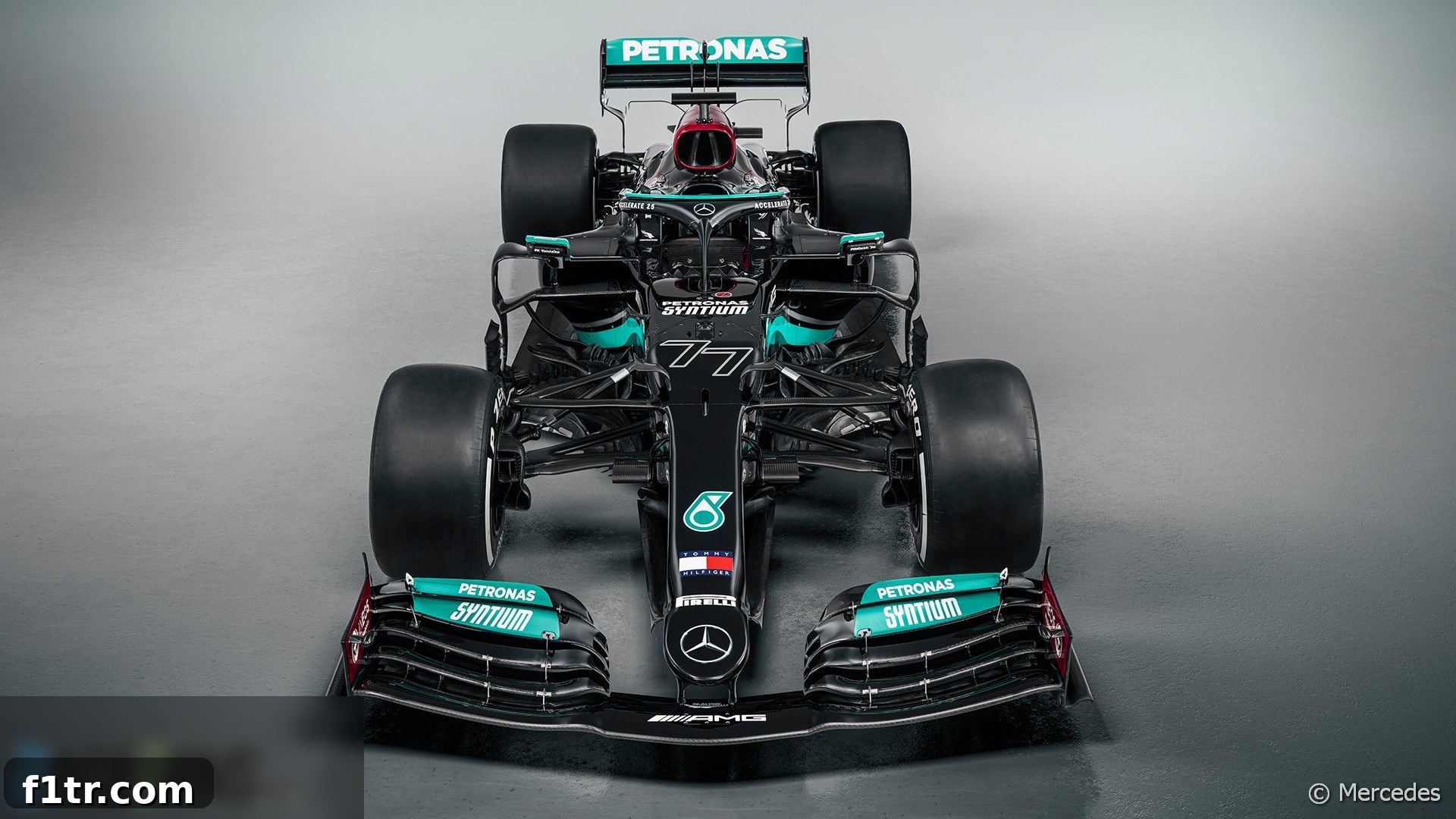
Mercedes Confident in M12 Power Unit Reliability Despite Pre-Season Speculation
As the highly anticipated 2021 Formula 1 season approached, rumors and speculation surrounding the performance and reliability of the sport’s most crucial components naturally intensified. One of the most significant pieces of chatter revolved around the new M12 power unit developed by Mercedes-AMG High Performance Powertrains (HPP), the engine that has underpinned Mercedes’ unprecedented dominance in the turbo-hybrid era. Reports circulated suggesting that the cutting-edge engine had encountered reliability problems during its rigorous pre-season testing. However, Toto Wolff, Team Principal and CEO of the Mercedes-AMG Petronas Formula 1 Team, swiftly moved to quell these concerns, offering a vote of confidence in their latest engineering marvel and its readiness for the upcoming campaign.
Addressing the Speculation: Wolff Dispels Reliability Concerns
The genesis of the reliability speculation could be traced back to comments made by Hywel Thomas, Managing Director of Mercedes-Benz High Performance Powertrains, in a video released by the team. Thomas had referenced “some issues” with their engine, a statement that was quickly amplified across the F1 community, fueling widespread speculation about potential vulnerabilities in the new M12 power unit. Given Mercedes’ reputation for relentless pursuit of perfection and their critical role as an engine supplier to three other teams – Aston Martin, McLaren, and Williams – any hint of trouble was bound to attract significant attention and scrutiny. For customer teams, the performance and reliability of their supplied power unit are paramount, directly influencing their competitiveness and championship aspirations.
However, during the official presentation of Mercedes’ new Formula 1 car, the W12 E Performance, Toto Wolff directly addressed these claims. He firmly rejected the notion of significant reliability issues, stating, “We didn’t have particular problems on reliability in the power unit.” Wolff’s comments aimed to reassure both fans and partners, emphasizing that any challenges encountered were part of the standard, exhaustive testing process rather than fundamental flaws. He clarified that the development phase, especially during long runs at peak power, is inherently designed to push components to their absolute limits to identify potential weaknesses. “Obviously, if you do long runs at peak power, there will be a lot of learning what gives up first,” Wolff explained, adding, “But it’s all under control.” This pragmatic view highlights the iterative nature of F1 engine development, where failure modes are explored and rectified before the engine ever hits the race track.
Heat Management: A Critical Area of Improvement
Beyond reliability, Wolff also shed light on another crucial area where the team had made significant strides: heat management. Throughout their remarkably dominant run in the turbo-hybrid era, which began in 2014, Mercedes has occasionally faced challenges with cooling. These issues, though sporadic, could sometimes compromise performance, particularly in hot climates or during intense wheel-to-wheel racing. Poor heat management can lead to power degradation, increased wear on components, and even forced retirements, making it a critical aspect of engine design and car integration.
Wolff expressed optimism regarding their progress in this domain. “We have had years where we struggled for cooling, where our pre-season simulations didn’t reflect precisely what was happening on the track. I think we’ve made a big step there,” he asserted. This improvement is not only vital for maximizing the M12’s outright performance but also for ensuring its durability over a demanding 23-race calendar. Enhanced heat management translates into greater operational efficiency, better fuel economy, and crucially, more consistent power delivery, which are all decisive factors in the fiercely competitive world of Formula 1. The ability to push the engine harder, for longer, without risking overheating is a significant competitive advantage that Mercedes aims to capitalize on.
The M12 Power Unit and the Impact of Regulations
The M12 power unit represents the pinnacle of Mercedes-Benz HPP’s engineering prowess, building upon a legacy of innovation that has seen them win seven consecutive Constructors’ Championships. Developing a new engine for the 2021 season was particularly challenging due to the restrictive regulatory environment. Teams face limited development opportunities with their latest power units. Once the season officially commences, the ability to upgrade these engines is severely restricted until the following year. Adding another layer of complexity, a comprehensive development freeze will come into force at that point, lasting until the end of the current power unit regulations in 2025. This means that any performance or reliability issues that manifest early in the 2021 season could have long-term consequences, as major changes will be prohibited.
This stringent regulatory framework places immense pressure on pre-season testing and initial design choices. Every component, every optimization, must be meticulously vetted to ensure it meets the demanding criteria for both performance and resilience. The M12 engine, therefore, is not just a collection of mechanical parts; it is a strategic asset whose fundamental design must carry the team through several seasons. The “issues” mentioned by Hywel Thomas, if they were indeed significant, would have presented a formidable hurdle. However, Wolff’s reassurances suggest that any teething problems have been identified and rectified, allowing Mercedes to enter the season with a robust and optimized package.
Competitive Implications and Mercedes’ Enduring Dominance
Mercedes’ power unit has been the bedrock of its unprecedented success in the hybrid era. Its formidable combination of power, efficiency, and reliability has consistently given the Silver Arrows a significant edge over their rivals. Any perceived weakness in this crucial area would inevitably send ripples through the paddock, potentially emboldening competitors like Red Bull Racing, who are eager to challenge Mercedes’ hegemony, and Ferrari, who are striving to regain their competitive form. A reliable and powerful engine is not just about winning races; it’s about consistency, championship points, and the confidence it instills in the drivers and the entire team.
Entering the 2021 season, Mercedes aimed to extend its remarkable streak. The M12 power unit is central to this ambition. Its performance will directly impact not only the works team but also its customer teams, collectively shaping a significant portion of the F1 grid’s competitiveness. Wolff’s statements, therefore, were not merely damage control; they were a clear signal of confidence, designed to project an image of strength and stability ahead of what promised to be another thrilling championship battle. The F1 paddock remains a hotbed of technical innovation and intense competition, where even the slightest advantage can be the difference between victory and defeat. Mercedes’ meticulous approach to engine development, as evidenced by Wolff’s explanation of their testing protocols, underscores their commitment to maintaining their competitive edge.
Looking Ahead: The Ultimate Test on Track
While pre-season testing and team principal assurances provide valuable insights, the ultimate verdict on the M12 power unit’s reliability and performance will come on the race track. The opening races of the 2021 Formula 1 season were poised to offer the first true test of the new engines under actual racing conditions, with varying circuit demands, temperatures, and strategic pressures. All eyes would be on Mercedes and its customer teams to see how the M12 performed, particularly in terms of power delivery, fuel efficiency, and, crucially, long-term durability over an entire race weekend.
Toto Wolff’s confident remarks served to reaffirm Mercedes’ unwavering belief in their engineering capabilities and their readiness to tackle the challenges of another grueling F1 season. The team’s track record speaks for itself, and their commitment to pushing the boundaries of performance while ensuring robustness remains a defining characteristic. As the lights went out for the first Grand Prix of the season, the M12 power unit was expected to once again prove its mettle, propelling Mercedes in their quest for continued dominance in the pinnacle of motorsport.
Don’t miss anything new from RaceFans
Follow RaceFans on social media:
- Join RaceFans on Facebook
- Follow RaceFans on Twitter
- Get daily email updates from RaceFans