Motorsport Update: Aston Martin’s F1 Ambitions, McLaren FE Shake-Up & More
Welcome to our comprehensive motorsport roundup, bringing you the most significant news and developments from the exhilarating worlds of Formula 1, Formula E, and beyond. This edition delves into Aston Martin’s strategic plans for car development, the latest driver changes in the all-electric Formula E championship, and intriguing off-track news from one of motorsport’s most historic venues. We also explore the ongoing debate surrounding Formula 1’s intricate financial regulations and their profound impact on team competitiveness.
In Focus: Key Developments Across Motorsport Categories
Aston Martin’s Strategic Development Drive for the AMR23 Amidst F1’s Evolving Landscape
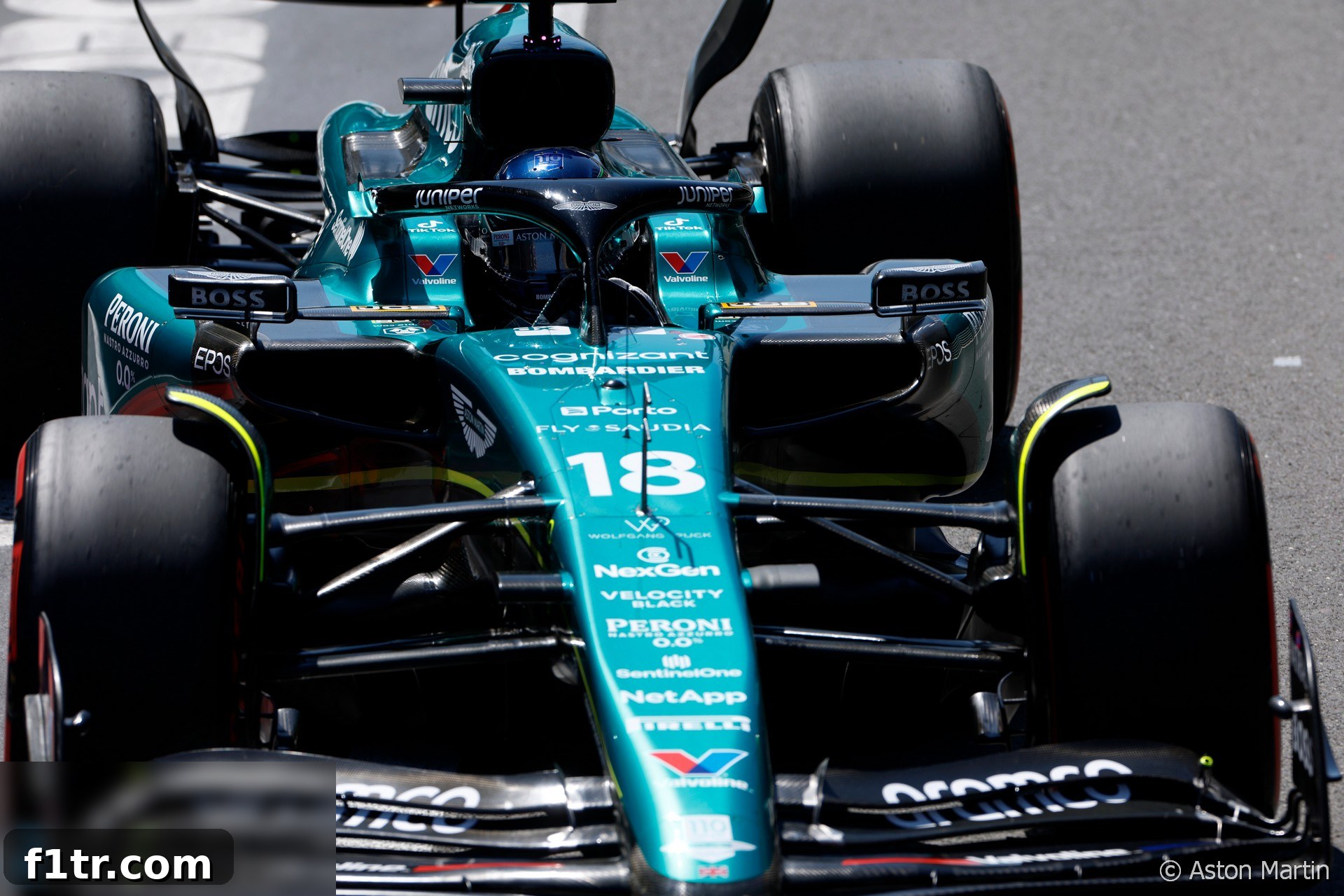
Aston Martin’s journey in the 2023 Formula 1 season has been a captivating narrative of initial triumph followed by a mid-season challenge, reflecting the dynamic and unforgiving nature of top-tier motorsport. The Silverstone-based team burst onto the scene with remarkable pace, establishing itself as a consistent podium contender and often vying for the position of the second-fastest team on the grid. This strong start, spearheaded by Fernando Alonso’s exceptional performances, ignited hopes for a truly competitive campaign and showcased the significant strides made during the off-season in developing their AMR23 challenger.
However, as the season has progressed, the competitive landscape of Formula 1 has naturally evolved. Other teams have introduced aggressive upgrade packages and found greater consistency, leading to a shift in the pecking order. Consequently, Aston Martin’s relative pace has seen a slight dip, causing them to slip back from their early-season stronghold. Despite this recent dip in performance, the team remains steadfastly optimistic about its trajectory and future prospects. A crucial factor underpinning this confidence is the significant budget still available within their 2023 financial cap, earmarked specifically for continued car development. This fiscal flexibility is a critical advantage, allowing the team to continue pushing the boundaries of their AMR23 challenger even as many competitors begin to shift a considerable portion of their resources towards their 2024 designs. This strategic allocation of resources later in the year signifies a determined and methodical effort to regain their early-season form and consolidate their position among Formula 1’s elite.
Tom McCullough, Aston Martin’s Performance Director, provided valuable insights into the team’s intricate process of identifying areas for improvement and their unwavering commitment to a holistic development approach. “There’s never one thing and I think it’s often dangerous to hone in on one thing [to improve on],” McCullough stated, emphasizing the multifaceted nature of F1 car performance. This philosophy underscores the inherent complexity of modern Formula 1, where significant gains are rarely found in isolated components but rather through a comprehensive understanding, intricate integration, and meticulous optimization of the entire package – from aerodynamics to mechanical grip, and power unit integration.
McCullough further elaborated on the team’s rigorous analytical framework, which involves a constant comparison of on-track performance data against sophisticated development tool simulations. This detailed examination covers a wide array of critical metrics, including the car’s relative competitiveness across low, medium, and high-speed corners, as well as its straight-line speed performance, both with and without the benefit of the Drag Reduction System (DRS). The unique demands and characteristics of each circuit on the F1 calendar also play a critical role in this ongoing assessment, ensuring that development efforts are not only comprehensive but also tailored and maximally effective across the diverse challenges presented by global tracks. “Our job is to understand what we’ve actually done to our car on track, relative to the development tool, where our relative competitiveness in low, medium, high [speed] corners, straight-line speed – with and without DRS. Obviously each track has different requirements as well. So that side of the analysis, I think we’ve understood what we’ve done to the car,” he added, highlighting the depth and precision of their engineering efforts to diagnose and address performance discrepancies.
Looking ahead to the latter half of the season, Aston Martin has a clear and ambitious roadmap for sustained improvement. McCullough confirmed that “The developments that are coming in the second half of the season are already actually addressing some of the areas. Of course you try to address the areas you’re not as strong in.” This proactive approach indicates that the team is not merely reacting to current challenges but is strategically implementing solutions designed to tackle known weaknesses and enhance overall car performance. Fans can anticipate a continuous stream of upgrades, particularly “from Zandvoort onwards,” signalling a sustained and aggressive development push throughout the crucial final stages of the championship. The assurance of having “good budget left to keep developing our car hard” serves as a strong declaration of intent, affirming Aston Martin’s unwavering ambition to not only recover its early-season form but to climb back to the forefront of the fiercely competitive Formula 1 grid and challenge for top honours.
Rene Rast Departs McLaren’s Formula E Team Amidst Driver Line-up Overhaul
The fast-paced and ever-evolving world of Formula E is no stranger to significant driver market movements, and the latest news confirms the departure of Rene Rast from McLaren’s Formula E squad after just a single, albeit eventful, season. Rast, a highly respected and accomplished German driver with a rich history of success across various top-tier motorsport disciplines, including DTM, joined McLaren ahead of the 2023 campaign. He brought with him a wealth of experience, a reputation for rapid adaptation, and a proven ability to compete at the highest level of electric single-seater racing.
Rast’s journey in Formula E actually began much earlier, with his first race appearance dating back to 2016, a testament to his enduring interest and belief in the all-electric championship. He previously enjoyed a successful and impactful stint with the Abt-run Audi team, where he secured two impressive podium finishes over one and a half seasons. This period showcased his undeniable capability to consistently compete at the sharp end of the grid and extract maximum performance from his machinery. After a brief hiatus from the series, his much-anticipated return to the championship with the formidable McLaren outfit for the 2023 season was met with considerable anticipation from fans and pundits alike. Indeed, his initial performances were exceptionally promising, highlighted by a fastest lap and a well-deserved podium finish within his first three races with the team. These early results not only underscored Rast’s inherent talent but also hinted at McLaren’s strong potential in the fiercely competitive series, generating excitement for what was to come.
However, the latter half of the season proved to be a significant challenge for both Rast and the McLaren team. As other competitors meticulously introduced upgrades, refined their strategies, and found greater consistency in performance, McLaren’s overall competitiveness appeared to wane. This led to a frustrating and challenging ten-race streak where Rene Rast, despite his best efforts, was unable to score any points. This stark contrast to his earlier successes highlighted the inherent volatility and intense development race within Formula E, where the technical regulations and fierce competition often lead to rapid and unpredictable shifts in the pecking order. The difficulties faced underscored the steep learning curve for new teams and the relentless pressure to adapt and improve.
In response to Rast’s departure and in preparation for the upcoming season, McLaren issued a statement acknowledging the extensive ongoing work behind the scenes to finalize their driver lineup for the pivotal Season 10. “McLaren said they have “been working in the background to secure the best possible driver line-up for Season 10, and we are excited to announce the full driver line-up for the 2023/24 season of the ABB FIA Formula E World Championship in due course,” the team confirmed. This announcement sets the stage for a new and exciting chapter for McLaren in Formula E. As they aim to build a stronger, more consistent, and ultimately championship-challenging presence in the series, the choice of their new drivers will be absolutely crucial in shaping the team’s prospects and competitive standing in the highly dynamic and ever-evolving electric racing championship.
Advert | Become a Supporter & go ad-free
Silverstone Circuit to Compensate Residents for British Grand Prix Parking Fines
The iconic Silverstone Circuit, globally renowned as the venerable home of the Formula 1 British Grand Prix, has commendably stepped forward to address an unexpected issue that impacted its local community during the recent high-profile race weekend. In a proactive and thoughtful move, the circuit has officially committed to paying the parking fines that were unfairly incurred by residents in the village of Silverstone. These local villagers were, much to their surprise and frustration, caught out by temporary traffic regulation orders (TTROs) that were implemented specifically for the duration of the grand prix event.
Large-scale international sporting events, such as the Formula 1 British Grand Prix, necessitate the implementation of exceptionally stringent and comprehensive traffic management plans. These plans are crucial for ensuring the smooth, safe, and efficient access for tens of thousands of spectators, countless operational staff, and the logistical demands of a global sporting spectacle. To achieve these objectives, temporary traffic regulation orders are frequently put in place, imposing strict parking restrictions on local roads surrounding the venue. While these measures are undeniably vital for managing the immense volume of event traffic and enhancing safety, they can, at times, inadvertently impact local residents who, under normal circumstances, regularly park on the roads immediately adjacent to their homes. During the British Grand Prix weekend, these customary parking spots became strictly prohibited, primarily to deter visiting spectators from using local residential streets as unofficial, free parking alternatives to avoid the circuit’s official, pay-to-access car parks.
The impact on the local community was not insignificant, leading to considerable frustration. A total of £15,000 in fixed penalty notices were issued, affecting 33 individual local residents. Many villagers expressed their profound surprise and understandable frustration, stating emphatically that they had never encountered such an issue in previous years of hosting the Grand Prix. This incident vividly highlights the delicate and often challenging balance between managing the complex logistics of a major international event and maintaining positive, trusting relationships with the local community, which plays an indispensable role in supporting one of the biggest events on the motorsport calendar. Effective communication, clear advance warnings, and empathetic consideration for residents’ needs are paramount to prevent such misunderstandings and undue hardship.
Recognizing the unforeseen hardship and inconvenience caused to its neighbours, Silverstone Circuit has responded swiftly and proactively. The circuit issued a clear statement confirming their unwavering commitment to resolving the situation fairly and efficiently: “the penalty notices that have been received [from locals] are being processed, with refunds to be issued five days from the information being received.” This swift, transparent, and compensatory action demonstrates a strong willingness on the part of the circuit management to rectify an oversight and to maintain positive and amicable relationships with the local community. This gesture not only addresses the immediate financial burden imposed upon the affected residents but also significantly reinforces the circuit’s dedication to being a responsible, considerate, and valued neighbour, acknowledging the vital symbiotic relationship between the track and its surrounding population.
Advert | Become a RaceFans supporter andgo ad-free
Further Reading: Essential Motorsport Links and Insights
For those eager to dive deeper into the latest happenings and discussions across various motorsport categories, we’ve curated a selection of interesting links. These articles cover a diverse range of topics, from the economic impacts of racing events and driver development stories to shifting viewership trends, personal journeys of rising stars, and ongoing controversies that keep the paddock buzzing. Offering a multifaceted perspective, these links provide valuable insights into the dynamic and often unpredictable world of professional racing:
YouGov Sport Study Highlights Hydro X Prix’s Significant Economic Impact on Scotland
A recent YouGov Sport study has revealed that Extreme E’s innovative Hydro X Prix delivered an impressive £31.06 million total economic boost to Scotland. This groundbreaking electric off-road racing series staged its event at the former open-cast Glenmuckloch mine in Dumfries and Galloway. This site is currently slated for an inspiring transformation into a Pumped Storage Hydropower plant and a new wind farm, perfectly aligning with Extreme E’s core mission to champion renewable energy solutions and raise critical global awareness about climate change and environmental sustainability.
Laurens van Hoepen Benefits from Nyck de Vries’ Valuable Trackside Support
Rising talent Laurens van Hoepen recently received crucial support and mentorship from the recently axed Formula 1 driver Nyck de Vries at Paul Ricard. De Vries provided invaluable advice and much-needed encouragement, maintaining a discreet but impactful presence trackside. While he deliberately avoids direct involvement in team debriefs, de Vries’ unique insights and perspective offer “a different perspective, and some interesting points of views for me to take into the meetings with engineers, but also to look at the run plan and things like that,” proving immensely beneficial for van Hoepen’s ongoing development and deeper understanding of race strategy.
Assessing Formula 1’s Evolving Viewership Baseline in the United States
Formula 1 has witnessed a truly remarkable surge in popularity in the USA over recent years, achieving its highest ever average viewership of 1.24 million in 2022, a figure significantly boosted by 2.6 million tuning in for the inaugural Miami Grand Prix. While ESPN views this particular peak as a somewhat anomalous event, the 2023 Miami race still attracted a robust 1.96 million viewers. Alongside the Monaco Grand Prix (1.79 million) and the Canadian Grand Prix (1.76 million), these figures now represent the second, third, and fourth largest telecast audiences of all time for F1 in the US. However, a slight dip in the 2023 Miami figure means the year-on-year average currently stands slightly below 1.28 million at this point last season, indicating a potential stabilization after a period of rapid, unprecedented growth.
Advert | Become a Supporter & go ad-free
Paul Aron Shares Insights on Growing Up in Estonia: From Rural Farm Life to F3 Stardom
Estonian driver Paul Aron is making significant waves and firmly placing his home country on the motorsport map in the Formula 3 championship this season. As he approaches the final round of his rookie campaign with Prema Racing, firmly in the fight for a top-three championship finish, the Mercedes junior offers a compelling glimpse into his upbringing in Tallinn, Estonia. He discusses the unique blend of rural farm life and vibrant city living, shares his personal recommendations for places to visit, highlights intriguing aspects of Estonian culture, and, unsurprisingly, delves into the burgeoning local motor racing scene, providing a truly personal perspective on his remarkable journey to the international stage of junior single-seater racing.
The Alex Palou Contract Saga: Unraveling the McLaren and Ganassi Dispute in IndyCar
The IndyCar paddock is once again embroiled in a high-stakes and highly public contract controversy involving the championship leader Alex Palou, McLaren, and Ganassi Racing. According to a recently revealed letter from McLaren CEO Zak Brown to his employees, McLaren firmly believed it had unequivocally secured Palou for an IndyCar drive in 2024, alongside Patricio O’Ward and Alexander Rossi, based on a formally signed contract. This comprehensive agreement was also expected to complement Palou’s existing role as an F1 reserve driver, promising him additional private tests and practice sessions. McLaren further bolstered its claims by stating it had already commenced payments to Palou, setting the stage for a complex legal and sporting battle that vividly highlights the intricate challenges and potential pitfalls of driver contracts in top-tier motorsport.
We always endeavour to credit original sources. If you have a tip for a link relating to single-seater motorsport to feature in the next RaceFans round-up please send it to us via the contact form.
Advert | Become a RaceFans supporter andgo ad-free
Social Media Pulse: Motorsport Highlights from Around the Web
Stay connected with the vibrant and dynamic world of motorsport through these notable posts from Twitter and other social media platforms. These selected updates capture engaging moments, insightful discussions, and diverse perspectives from various racing series across the globe:
🔙 Rio Cuarto fue una fiesta, y te dejamos unas 📷 para seguir disfrutándolo 😎#FormulaNacional 🇦🇷 pic.twitter.com/sEAWnyH0im
— Fórmula Nacional (@F20Oficial) August 15, 2023
of the millions W Series owes still, here’s some of the most interesting creditors and what they owe them
Billy Monger £38k
BTC £26.95
BRSCC £53,291.59
Circuit de Barcelona-Catalunya £66,062.21
Fine Moments £5,649
Hankook Motorsports £68,708.28
Hungaroring £7,620.06— Ida (@wood_ida_) August 14, 2023
A alguien más le recordó esto al ver el auto de Armstrong el sábado?#IndyCar pic.twitter.com/rZxrYuXRAk
— Eduardo Olmos Ayala (@EOlmos) August 15, 2023
The Freaks are “Naming the #IndyCar Mount Rushmore”
Tell us who’s on or who’s not HERE 👉🏾 https://t.co/NVBVGJvPum pic.twitter.com/9sn22aEKy7
— SpeedFreaks (@SpeedFreaks) August 15, 2023
Advert | Become a RaceFans supporter andgo ad-free
- Find more official F1 accounts to follow in the F1 Twitter Directory
Debating F1’s Financial Regulations: A Quest for True Equality and Fair Asset Valuation
Formula 1’s financial regulations, particularly the widely discussed budget cap, were introduced with the noble and ambitious aim of leveling the playing field and fostering greater competitiveness across the entire grid. By placing a strict limit on how much teams are permitted to spend on car development, operational costs, and various other aspects of their racing endeavours, the FIA sought to prevent the wealthiest teams from simply outspending their rivals into submission, thereby promoting a more balanced and exciting championship. However, like many ambitious regulations in a complex, high-stakes environment, the budget cap has, perhaps inevitably, unveiled a complex layer of unintended consequences and ignited an ongoing, fervent debate about what truly constitutes genuine equality in a sport built on relentless technological advancement, staggering financial investment, and deeply entrenched historical advantages.
One of the most persistent and critical challenges arising from the budget cap revolves around the fundamental issue of infrastructure. While the budget cap effectively limits ongoing operational spending and new development, it has, in effect, inadvertently locked some teams into utilizing infrastructure that is demonstrably inferior and less competitive than that of their more historically well-funded and established opponents. Upgrading antiquated facilities – ranging from state-of-the-art wind tunnels and advanced simulation equipment to cutting-edge manufacturing capabilities – requires substantial capital expenditure. Such an investment, if undertaken by a team striving to catch up, would almost certainly push them well beyond the currently allowed spending limits. This creates a challenging Catch-22 situation: teams desperately need better tools and facilities to compete effectively at the highest level, but the very act of acquiring or upgrading those essential tools puts them in direct breach of the rules specifically designed to help them compete.
This dilemma presents a formidable and complex challenge for the sport’s governing bodies. On one hand, simply “loosening the regulations to increase capital expenditure” could be widely perceived as a dangerous slippery slope. If all teams are suddenly permitted to spend significantly more on infrastructure, there is a very real risk of reigniting a debilitating financial arms race, potentially undoing the hard-won gains in cost control and competitive parity that the budget cap was intended to achieve. The legitimate fear is that the richest teams, with their inherently deeper pockets and vast corporate backing, would once again gain an insurmountable advantage in building and acquiring the most cutting-edge, state-of-the-art facilities. Conversely, taking “no action” perpetuates the existing structural disparity, severely hindering the progress of smaller teams, stifling their potential innovation, and ultimately preventing the championship from reaching its full potential in terms of competitive balance. Neither approach, it seems, offers a complete or universally satisfactory solution to the paddock’s entrenched and deeply rooted problem of historical inequalities.
This intricate and multifaceted problem recently prompted a particularly thoughtful and incisive comment from a reader, identified as ‘Coventry Climax’, who highlighted a fundamental flaw in the current regulatory framework: the apparent lack of comprehensive asset valuation and depreciation within the budget cap’s scope. Their compelling argument posits that genuine and meaningful equality in Formula 1 can only ever be achieved by first acknowledging, thoroughly assessing, and accurately valuing the existing assets – both tangible and intangible – of each and every team on the grid. “If it’s equality you want, then first look at what people have and valuate that. Combine that with both regulated income and spendings. Summarise it and make it equal – on all fronts, which is the essence of the word equal. Otherwise it’s as equal as you and I, assuming we both have a pair of blue trousers somewhere.” This eloquent analogy perfectly illustrates the superficiality and potential ineffectiveness of a spending cap that exclusively focuses on new expenditure while largely ignoring the foundational disparities in existing infrastructure, accumulated intellectual property, and established resources.
Coventry Climax further argued that any truly effective and equitable financial regulation system must inherently incorporate widely accepted and standard accounting principles, specifically the “system of valuating assets according to an annual depreciation.” They implied a potential oversight or lack of expertise by the FIA in this crucial regard, suggesting that the governing body, in its commendable but challenging attempt to act as a financial regulator, may currently lack the specialized knowledge and experience required to implement such complex accounting methodologies effectively. “Not the FIA, apparently. Maybe that’s the result of the FIA, trying to play the role of bookkeeper, a job they have no knowledge of?” This pointed critique underscores the urgent need for expert financial oversight and a deeper understanding of economic principles to ensure the budget cap’s implementation is not only fair but also robust and truly impactful.
The core of the issue, according to this astute comment, is that the current system “does not take into account how much was earned and spent over the many years before just the spending was regulated. That’s a job half done.” This crucial historical context is absolutely vital; decades of largely unrestricted spending allowed certain teams to build vast empires of talent, accumulate unparalleled technological advantages, and construct world-class infrastructure. A budget cap applied solely to *new* spending, without comprehensively addressing or accounting for these legacy assets and inherent advantages, inherently disadvantages those teams who began with fewer resources and a less developed foundation. The ongoing challenge for Formula 1’s leadership is to find a sophisticated and equitable mechanism that not only limits future expenditure effectively but also somehow addresses and levels the playing field regarding the accumulated advantages of the past, thereby moving the sport closer to its stated goal of a truly equitable, competitive, and sustainably thrilling championship for all involved.
Happy Birthday to Motorsport Enthusiasts!
Joining us in celebrating their special day are Feline-Fan, Fotache Sergiu, and Lapov Onor! We extend our warmest wishes and highest regards to all motorsport fans marking another year of passion and dedication to the sport. May your day be filled with joy, prosperity, and the high-octane excitement that defines our shared love for racing!
On This Day in Motorsport History
- Ten Years Ago: Kimi Räikkönen’s Intriguing GP3 Car Test in Barcelona
Exactly ten years ago today, on August 16, 2013, the global motorsport world was treated to a rather unexpected and intriguing event: Formula 1’s beloved “Iceman,” Kimi Räikkönen, renowned for his stoic demeanour and blistering pace, took to the track in a GP3 car at the Circuit de Barcelona-Catalunya. At the time, Räikkönen was still a formidable force and a consistent podium contender in F1, racing for the Lotus F1 Team. This unique test generated considerable buzz and speculation, not only for the unusual sight of an active F1 world champion in a junior single-seater but also for discussions regarding his potential involvement in developing young drivers, assisting with technical feedback for the series, or perhaps simply indulging in some pure, unadulterated enjoyment behind the wheel of a different, challenging machine during the mid-season break. It offered a rare and fascinating glimpse into the less-publicized activities of one of Formula 1’s most enigmatic and enduring figures.