Formula 1 fans should not expect dramatically different racing as a result of the rule changes announced this week, according to the FIA’s single-seater director.
The series revealed a package of adjustments to its widely criticised 2026 regulations on Monday. The changes are primarily aimed at making qualifying more challenging for drivers and improving safety by reducing the risk of dangerously high closing speeds between cars.
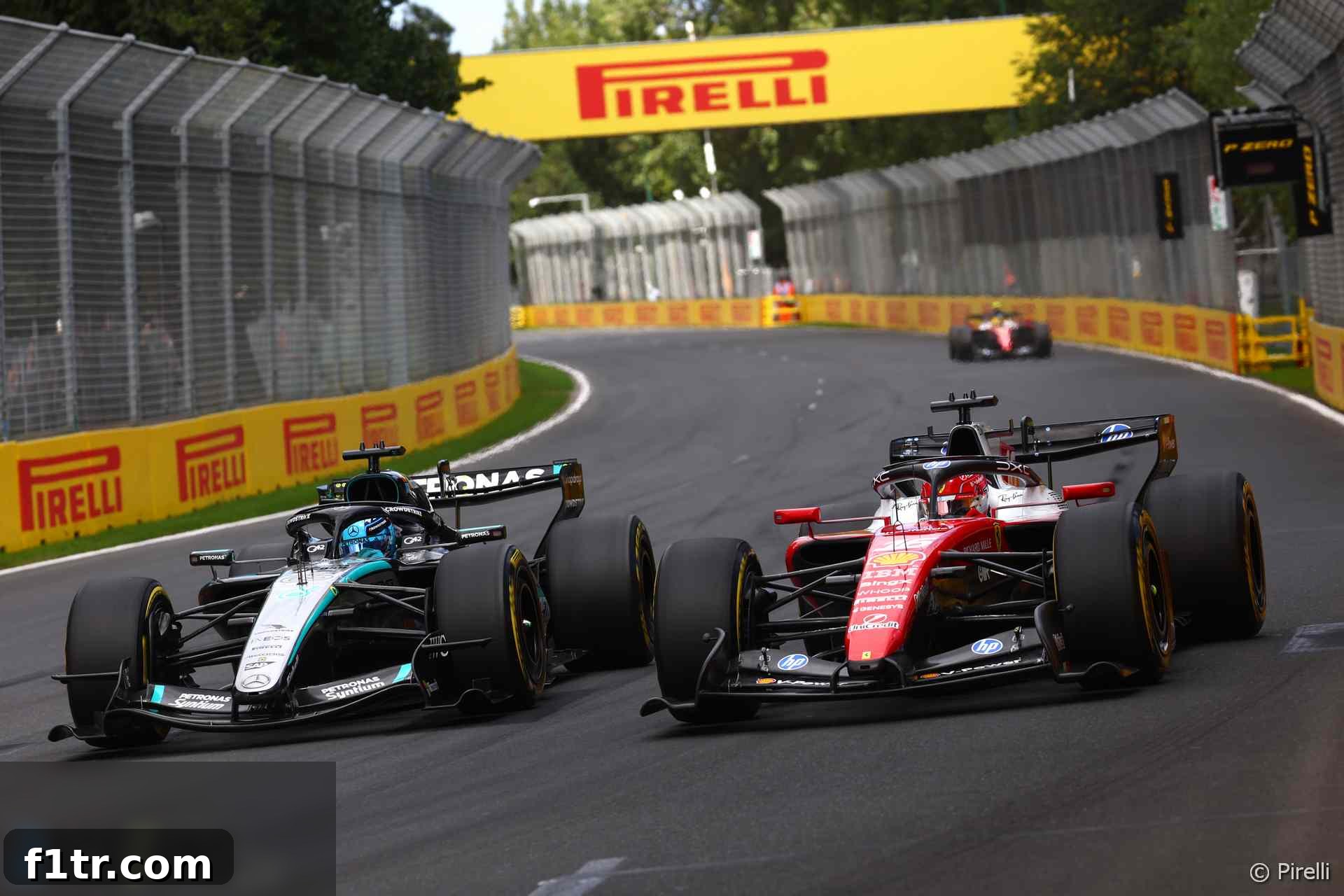
Nikolas Tombazis said the on-track racing itself is unlikely to change dramatically. “Fans have by and large been enjoying the new regulations because they’ve brought closer racing and I think first and foremost we expect that to continue,” he said in a video released by the FIA.
“We think that will be continuing and clearly as the regulations become more mature we expect some teams who are currently lagging behind to gradually catch up and have closer and closer racing as time goes by and as the months and years go by. So that we expect to stay.
“Regarding what we see at the track, these changes are not revolutionary. They’re not going to fundamentally change the picture that you see. Qualifying will be more flat-out for the drivers. Maybe you will perceive that as you see in the camera shots from within the cockpit and you hear the tone of the power unit, for example — that’s maybe one thing you’re going to see.”
Tombazis explained that the FIA prioritised the two main concerns raised by drivers: more enjoyable, competitive qualifying and improved safety. “The position of the drivers was quite uniform,” he said. “They were all pushing for some changes in qualifying in order to, let’s say, enjoy more the driving, push more, but also they were pushing for us to address certain safety concerns they had, so they were quite united and their input in this was very important.”
Because the season has already started, the FIA could only alter the technical regulations with the agreement of the teams. Tombazis noted, however, that the FIA retains the authority and responsibility to implement changes on safety grounds if necessary.
“We, of course, have a very established process whereby the FIA together with the teams or the power unit manufacturers discuss these changes in various meetings and discuss how to improve everything, how to improve the sport,” he said.
“Clearly when the regulations are new, like we have in 2026, that’s a slightly more intense process of discussion than maybe when the regulations had a few years of maturity.
“There’s a governance process to approve regulations. The FIA cannot unilaterally change regulations. They need to have a vote involving either the Formula 1 teams or the power unit manufacturers who — let’s not forget — spend millions and millions in the sport and therefore have a right to have a word.
“Safety is something we can’t compromise. Safety is something that, through the governance, the FIA has the right or even the responsibility to act even unilaterally. So any safety measures we of course discuss with everybody in order to hear the good views of very experienced people but ultimately we, FIA, can decide to take safety measures if we feel that’s important.”
Miss nothing from RaceFans
Get a daily email with all our latest stories – and nothing else. No marketing, no ads. Sign up here:
Formula 1
- Poll: Has the time finally come for Hamilton to hang up his helmet?
- Grosjean felt Renault ‘told everyone I wasn’t good enough for F1’ before return
- There’s one 2026 change Verstappen will approve of: Zero penalty points
- Which F1 drivers have made the strongest start to 2026 against their team mates?
- “Not correct” to say Ferrari should have discovered Antonelli instead of Mercedes
Browse all Formula 1 articles