Television coverage of motorsport has undergone a remarkable transformation since the turn of the millennium. What was once a relatively static broadcast has evolved into a dynamic, data-rich spectacle designed to immerse viewers deeper into the heart of the action. Technologies like live feeds in stunning 4K resolution, intimate helmet cameras, and groundbreaking augmented reality (AR) have opened up entirely new avenues to enrich the viewing experience for fans worldwide.
Beyond the raw footage, the sophistication of graphics packages has also advanced dramatically in just the last two decades. Gone are the days of infrequent, scrolling tickers at the bottom of the screen providing occasional updates on race positions. Today, it’s rare to find a major racing series that doesn’t employ a permanent, dynamic timing tower on the left side of the screen throughout the entire race. This constant display ensures fans are always informed, knowing precisely where their favorite drivers stand in the competitive order, making every lap a clearer narrative.
This article delves into some of the biggest motorsports series on the planet – Formula 1, Formula E, the World Endurance Championship (WEC), IndyCar, MotoGP, and NASCAR – to evaluate which one currently offers the most effective graphics package for keeping viewers fully informed about the state of the race. We will review each series’ approach, highlighting their unique innovations and design philosophies.
The Imperative of Innovative Motorsport TV Graphics
In an era of intense competition for viewership, motorsport broadcasts must do more than simply show cars racing. They need to tell a compelling story, explain complex strategies, and make the sport accessible to both seasoned enthusiasts and new audiences. Effective TV graphics are crucial to this mission. They translate raw data into digestible visual information, helping viewers understand overtakes, pit stop windows, championship implications, and driver performance in real-time. From the roar of a Formula 1 engine to the tactical energy management in Formula E, graphics serve as the essential bridge between the track and the armchair fan.
Formula 1: A New Era of Visual Clarity
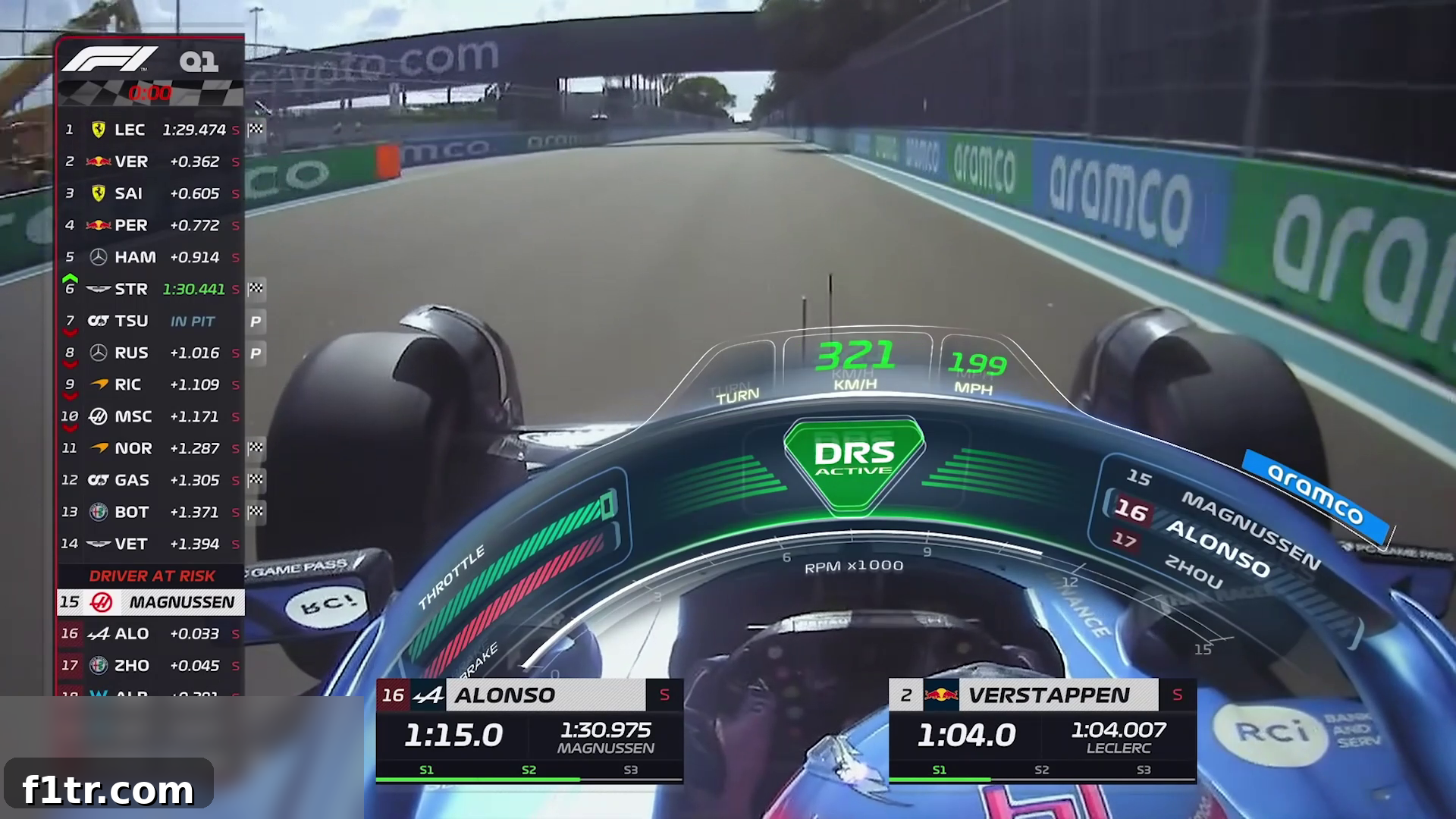
Formula 1 introduced a comprehensive refresh of its graphics package to coincide with the all-new ground effect era at the start of the 2022 season. This update aimed for a sleeker, more modern aesthetic while delivering critical information more effectively to its global audience.
A permanent timing tower now occupies the left-hand side of the screen, providing a continuous display of vital race information. This includes current race positions, driver names, prominent team logos for instant recognition, and a clear indicator of the specific tire compound each car is currently running on. The tire compound display is particularly crucial in Formula 1, as tire strategy is often a deciding factor in race outcomes, and this graphic allows viewers to quickly grasp strategic differences between drivers.
Beyond the timing tower, onboard camera feeds have become significantly more interactive. Ingeniously, Formula 1 broadcasts utilize the Halo protection system around the driver’s helmet to display live telemetry data. This innovative placement provides viewers with real-time insights into speed, gear selection, throttle input, and braking, offering an unparalleled glimpse into the immense skill required to pilot an F1 car. These graphical enhancements ensure that F1 fans, whether new or long-time followers, are always engaged and informed about the intricate details of grand prix racing.
Formula E: Dynamic Data for Electric Racing
Formula E, the world’s premier electric racing series, leverages its distinctive blue branding as a key visual element in its graphics package. This vibrant color is strategically used to highlight crucial information, such as race positions and, most notably, which drivers are currently utilizing ‘Attack Mode’. Attack Mode is a unique feature in Formula E, allowing drivers to access a temporary power boost by driving through an activation zone off the racing line.
When a driver activates this extra power period, the remaining duration of their Attack Mode is prominently displayed on the timing tower, often highlighted in the series’ signature blue. This clear visual cue is vital for viewers to understand strategic moves, overtakes, and potential changes in race dynamics. The emphasis on Attack Mode data helps fans track the ebb and flow of energy management and tactical decisions, which are fundamental to Formula E racing.
With its recent move to a new ‘duels’ format in qualifying, Formula E has also innovated with its visual presentation. The broadcast occasionally employs side-by-side onboard footage, where two driver feeds are synchronized to provide a direct, head-to-head comparison during crucial qualifying laps. A live measure graphic overlay then visually indicates which of the two drivers currently holds the advantage, making the intensity of the duel palpable for viewers. This synchronized display is a powerful tool for showcasing the fine margins and raw talent involved in competitive motorsport.
IndyCar (NBC): Clarity and Incident Management
IndyCar’s race graphics, as presented by broadcaster NBC, share a striking resemblance to Formula 1’s in terms of overall look and functional purpose. A permanent timing tower is a staple, but IndyCar places a much stronger emphasis on featuring driver numbers prominently. This design choice is coupled with background elements that often reflect the liveries of each car, significantly aiding viewers in identifying specific cars, especially if they are less familiar with the full grid of drivers and teams. This intuitive visual linking helps reduce cognitive load for the audience, keeping them engaged with the on-track battles.
One of IndyCar’s standout features is its extensive and effective use of picture-in-picture (PiP) technology. This allows the broadcast to simultaneously show replays of incidents or other crucial track action while maintaining a live view of the main race on the primary screen. This ensures that viewers never miss a moment of the live competition, even when the broadcast team is reviewing a significant event. During qualifying sessions, IndyCar also employs a clear visual cue by greying out drivers who are at risk of being eliminated from the next stage, providing instant clarity on who is under pressure and who is progressing.
MotoGP: Accessibility Through Clear Information
MotoGP’s graphics package has undergone a significant evolution over the past two decades, driven by commercial rights holders Dorna. A major emphasis has been placed on presenting information as clearly and concisely as possible, a strategy designed to make the sport more accessible to a broader audience, including those who might not be intimately familiar with motorcycle racing. This commitment to clarity is evident in several aspects of their broadcast.
During a race, when specific riders are being featured on screen, their names and positions are often highlighted on the timing tower. This simple yet effective visual cue immediately clarifies which battle or rider storyline the broadcast is currently focusing on, helping viewers follow the narrative seamlessly. MotoGP also makes regular use of informative pop-out graphics that appear on screen to provide additional context, such as rider statistics, championship standings, or key performance metrics. This proactive delivery of information ensures that viewers receive timely insights without having to actively seek them out.
Furthermore, subtle yet powerful visual cues, such as red sectors on the timing screen, quickly indicate the fastest time achieved in a particular sector of the track. These ‘simple touches’ effectively convey crucial performance information visually, making it easy for viewers to understand rider pace and areas of strength. This holistic approach ensures that MotoGP maintains its thrilling on-track action while making the intricate details of the sport understandable and enjoyable for all.
NASCAR Cup Series (Fox/NBC): Blending Tradition with Modernity
NASCAR’s broadcasting model for its top-tier Cup Series differs from many other motorsports, as coverage is shared between Fox and NBC throughout the season. While NASCAR does provide its own graphics package for international broadcasters, the vast majority of viewers in the United States experience the races through the lens of Fox’s or NBC’s distinct graphics suites. This dual-broadcaster approach means slight variations in presentation, though both aim for comprehensive viewer engagement.
Fox, which covers the first half of the season, has notably evolved its graphics, adopting a modern timing tower in recent seasons as a replacement for the older, less dynamic tickers. This change provides continuous, real-time race position updates, driver information, and crucial race data. Fox also embraces innovative technologies like augmented reality during qualifying sessions, overlaying dynamic data directly onto the track or cars to visualize speeds, trajectories, and qualifying progress in a visually engaging way. Furthermore, Fox makes extensive use of picture-in-picture, similar to IndyCar, to ensure viewers can follow multiple storylines or replays without missing live race action.
When NBC takes over broadcasting the remainder of the season’s races, they typically deploy a suite of graphics closely aligned with those used for their IndyCar coverage. This consistency across their motorsport portfolio provides a familiar and well-structured viewing experience for fans who follow both series. Both broadcasters prioritize clarity, timely updates, and engaging visual storytelling, reflecting the fast-paced and often unpredictable nature of NASCAR racing.
World Endurance Championship (WEC): Multi-Class Mastery
The TV graphics package for the World Endurance Championship (WEC) adopts a more minimalistic and highly functional design compared to many other FIA world championships. This approach is particularly critical given the unique challenge of WEC: multiple classes of cars racing against each other simultaneously on the same track. To manage this complexity for viewers, each car is designated by a specific color that represents its class – such as Hypercar, LMP2, GT Pro, or GT Amateur – rather than a color tied to its individual team livery. This class-based color coding provides immediate visual identification, allowing viewers to quickly understand the context of any on-track battle or overtake.
Beyond class identification, WEC broadcasts feature a distinct visual style for timing information. A noticeable translucent shadowing effect is often applied over the screen behind the graphics. This subtle yet effective design choice helps the timing and data overlays stand out clearly against the dynamic and varied race footage, ensuring maximum legibility without overly distracting from the action. Furthermore, WEC utilizes a unique time counter that visually shrinks in real-time as the race progresses, offering an intuitive visual representation of the elapsed duration in endurance events. Occasionally, onboard telemetry data can expand to take over a larger portion of the screen, offering deep dives into driver inputs and car performance, crucial for understanding strategy and vehicle management in endurance racing.
The Future of Motorsport Broadcasts: A Synthesis of Innovation
Reviewing these diverse approaches reveals a consistent trend: the relentless pursuit of enhancing the viewer experience through innovative TV graphics. Each series, while having its unique challenges and characteristics, is pushing the boundaries of how race data is collected, processed, and presented. Formula 1’s integrated Halo telemetry, Formula E’s dynamic Attack Mode timers and synchronized qualifying duels, IndyCar and NASCAR’s robust use of picture-in-picture for incident management, MotoGP’s focus on universal accessibility, and WEC’s masterful multi-class identification all underscore the critical role graphics play in modern motorsport broadcasting.
The common threads across these series include the widespread adoption of permanent timing towers, the intelligent use of color coding, and the increasing integration of real-time telemetry. Augmented reality is no longer a futuristic concept but a present-day tool, bringing data to life on track. These innovations ensure that fans are not just spectators but active participants in understanding the strategy, the drama, and the sheer performance that defines motorsport.
As technology continues to advance, we can anticipate even more immersive experiences. Imagine more personalized data streams, interactive graphics controlled by the viewer, or even more sophisticated AI-driven insights delivered in real-time. The goal remains constant: to make every race more engaging, more informative, and ultimately, more thrilling for everyone watching, from the seasoned analyst to the casual fan. The evolution of motorsport TV graphics is an ongoing journey, constantly striving to bring the excitement of the track closer to home.
Which Motorsport Series Excels in TV Graphics?
Which motorsport series do you believe has the most effective TV graphics package for engaging and informing viewers during races? The recent poll on this topic saw Formula 1 leading with 45% of the votes, followed by Moto GP with a significant 36%. IndyCar garnered 5%, while World Endurance Championship, NASCAR Cup Series, and Formula E each received around 4%, with ‘Other’ making up the remaining 2%. Total Voters: 110
We invite you to share your thoughts and cast your opinion in the comments section below. Your insights help shape the conversation around broadcast innovation in motorsport.
Further Debates and Polls
- What must Formula 1 fix with its new rules – and what should it leave unchanged?
- ADUO: Do F1 teams who fall behind deserve to get help to catch up?
- F1 is considering doubling its sprint races. Do you want more or fewer?
- Will this be a fight or a rout? 20 questions for the 2026 Formula 1 season
- Which Formula 1 team has the best-looking car – and the worst – for the 2026 season?
Browse all debates and polls