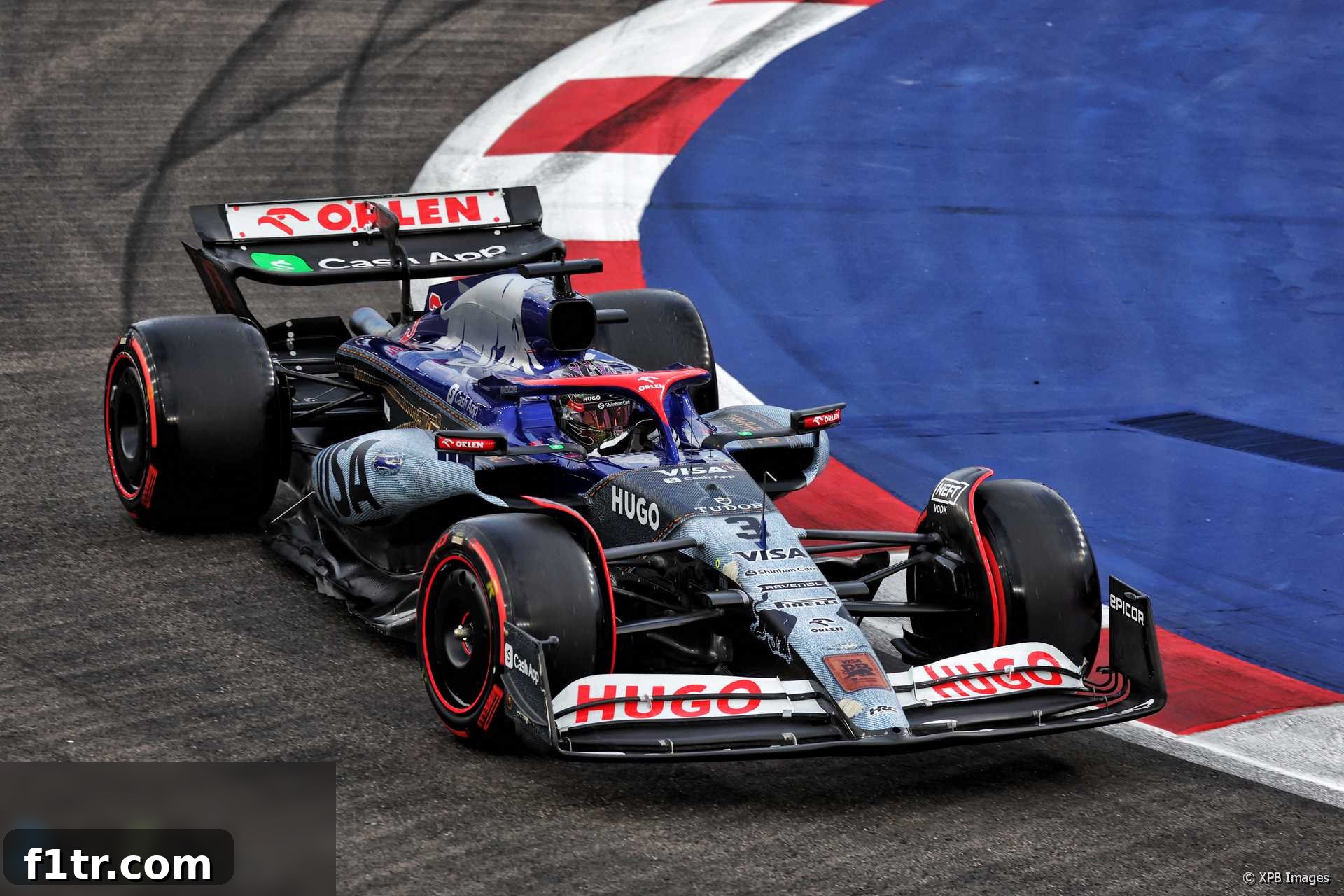
Formula 1, beş yıl önce büyük bir tantana ile yeniden tanıttığı en hızlı tur bonus puanını kaldırma kararı aldı. Bu karar, sporun stratejik dinamikleri ve şampiyonluk mücadelesinin bütünlüğü üzerindeki tartışmaların doruk noktasına ulaştığı bir dönemde geldi. F1 yönetimi, 2019’da bu puanın geri getirilmesinin “sporun bütünlüğünü korurken gösteriyi iyileştireceği” iddiasıyla yola çıkmıştı.
Advert | Become a Supporter & go ad-free
This space is reserved for an advertisement.
Formula 1 Fastest Lap Point Abolished: A Shift in Championship Dynamics
In a significant strategic overhaul, Formula 1 has confirmed the permanent removal of the bonus point awarded for the fastest lap, effective from the 2025 season. This decision, ratified by the World Motor Sport Council, marks the end of an experimental period that began in 2019 with the aim of injecting additional excitement into races. While the FIA initially suggested the change might occur this year, an FIA spokesperson clarified that the rule will remain in place for the current season before being scrapped next year. This move reflects a broader re-evaluation of how to enhance the spectacle of Formula 1 without compromising its core sporting integrity.
The Tumultuous Journey of the Fastest Lap Point: From Reintroduction to Retirement
The concept of awarding a point for the fastest lap is not entirely new to Formula 1. It existed in the sport’s nascent years during the 1950s before being phased out. Its reintroduction in 2019 was met with mixed reactions, driven by the belief that it would encourage drivers, particularly those not contending for podiums, to push harder in the closing stages of a Grand Prix. The stated objective was to “improve the show whilst maintaining the integrity of our sport,” as the FIA proclaimed at the time. Proponents argued that it added an extra layer of strategy and excitement, as teams might consider late pit stops for fresh tyres purely to snatch this single, yet potentially crucial, point. However, critics often pointed to its potential for manipulation and its impact on the purity of direct competition, arguing that it could distort race outcomes and championship battles.
The Daniel Ricciardo Incident: A Defining Moment for the Rule’s Demise
The decision to abandon the fastest lap point gained significant momentum following a contentious incident involving Daniel Ricciardo during the most recent championship round. With championship leader Max Verstappen’s closest rival, Lando Norris, holding the fastest lap and its accompanying bonus point as the race neared its conclusion, a controversial tactical play unfolded. Ricciardo, driving for RB, Red Bull’s sister team, was running 18th, well outside the points-scoring positions and thus ineligible to claim the bonus point for himself (as per the rule requiring a top-ten finish). However, he was unexpectedly called into the pits by his team for a fresh set of soft tyres in the final laps. Ricciardo, equipped with superior grip, then proceeded to set the fastest lap of the race, effectively depriving Norris of the crucial point. This manoeuvre immediately sparked widespread accusations that Red Bull had strategically deployed their second team to aid Verstappen in his championship fight. While RB defended the action by stating Ricciardo was given the opportunity to set a fastest lap in what was effectively his penultimate lap with the team, radio messages from Ricciardo indicated no prior request from the driver, fueling further speculation about the strategic intent behind the move. This incident served as a stark, real-world illustration of the very “controversial scenarios” that had been predicted by some experts, including former F1 managing director Ross Brawn.
Strategic Implications and the Debate Over Sporting Integrity
The Ricciardo incident perfectly encapsulated the fundamental tension at the heart of the fastest lap point rule: the desire for enhanced spectacle versus the preservation of sporting integrity. While the rule was designed to add an extra element of competition, it often led to situations where teams would use drivers not in contention for championship points to strategically deny rivals. This introduced a layer of complexity and, at times, perceived unfairness into the sport. Teams would frequently assess the track conditions, tyre wear, and their rivals’ positions to determine if a late-race pit stop for the fastest lap was a worthwhile gamble. In championship-deciding races, this single point could become incredibly valuable, influencing high-stakes decisions that sometimes felt detached from the pure racing spectacle. The primary goal of a race is to finish in the highest possible position, and the fastest lap point, while seemingly innocuous, often incentivized actions that prioritized a separate, singular objective over traditional racecraft and position gains. The FIA’s decision signals a clear move back towards simplifying race objectives and ensuring that championship battles are decided predominantly on overall race performance rather than ancillary strategic plays.
Fan and Expert Sentiment Pave the Way for Reversal
The controversy surrounding the fastest lap point wasn’t limited to specific incidents; it was a topic of ongoing debate among fans and pundits alike. Ross Brawn, who was instrumental in its reintroduction during his tenure as F1 managing director, had himself acknowledged the rule’s potential to create “controversial” scenarios in a championship fight. His foresight proved accurate, as the Ricciardo episode unfolded almost exactly as anticipated. Furthermore, a poll conducted by RaceFans just last month revealed that a significant majority of its readers favored the removal of the rule. This widespread sentiment underscored a growing dissatisfaction within the Formula 1 community, indicating that for many, the perceived benefits of the bonus point did not outweigh its potential for negative, integrity-questioning outcomes. The collective voice of the fans, combined with the practical challenges and controversial moments, undoubtedly played a crucial role in the FIA’s decision to re-evaluate and ultimately scrap the rule.
Looking Ahead: What the Removal Means for F1 2025
With the fastest lap point set to be removed from 2025, Formula 1 will revert to a more traditional scoring system where points are exclusively awarded for finishing positions within the top ten. This change is expected to streamline race strategies, allowing teams and drivers to focus solely on maximizing their race position without the added complication of a separate, eleventh point available to anyone within the top ten. It should simplify championship calculations and potentially reduce the incidence of late-race pit stops that, while sometimes thrilling, often served to negate a rival’s potential gain rather than enhance a driver’s own direct performance. The hope is that this will lead to clearer, more straightforward competition, where the ultimate reward is for consistent performance across the entire race distance, reinforcing the core principles of Grand Prix racing.
Boosting Young Talent: Doubling Junior Driver Practice Sessions in 2025
In another significant development for the upcoming season, Formula 1 is set to double the number of practice sessions dedicated to junior drivers. Under the current regulations, each team is required to run a junior driver in one of their two cars once during a Grand Prix weekend throughout the season, effectively mandating two junior driver appearances per team per year. From 2025, this commitment will be significantly expanded. Teams will now be required to run junior drivers in each of their two cars twice over the season, meaning a total of four such practice sessions per team. This progressive change is a massive boost for young talent aspiring to reach the pinnacle of motorsport. It provides invaluable track time, allowing up-and-coming drivers to gain crucial experience in a Formula 1 car during a competitive Grand Prix weekend. For teams, it offers more opportunities to evaluate potential future stars, gather data, and integrate new talent into their operational framework. This increased focus on developing the next generation of F1 drivers underscores the sport’s commitment to nurturing talent and ensuring a robust pipeline of skilled individuals ready to compete at the highest level.
Advert | Become a RaceFans supporter andgo ad-free
This space is reserved for an advertisement.
Never Miss a Moment: Subscribe to Our Newsletter
Get daily updates with all our latest stories – no marketing, no ads. Sign up here:
Related Articles: 2024 United States Grand Prix
- McLaren insist stewards made ‘provable error’ after losing bid for review of Norris’ penalty
- Why McLaren’s focus on Verstappen’s driving failed to overturn Norris’ penalty
- Stewards reject McLaren’s request to review Norris’ United States GP penalty
- McLaren know Norris’ penalty is likely to stand – so what do they hope to gain?
- McLaren request review of Norris’ penalty for off-track pass on Verstappen
Browse all 2024 United States Grand Prix articles