F1 Engine Wars: Mercedes Delays Upgrade, Rivals Push Ahead at Canadian GP
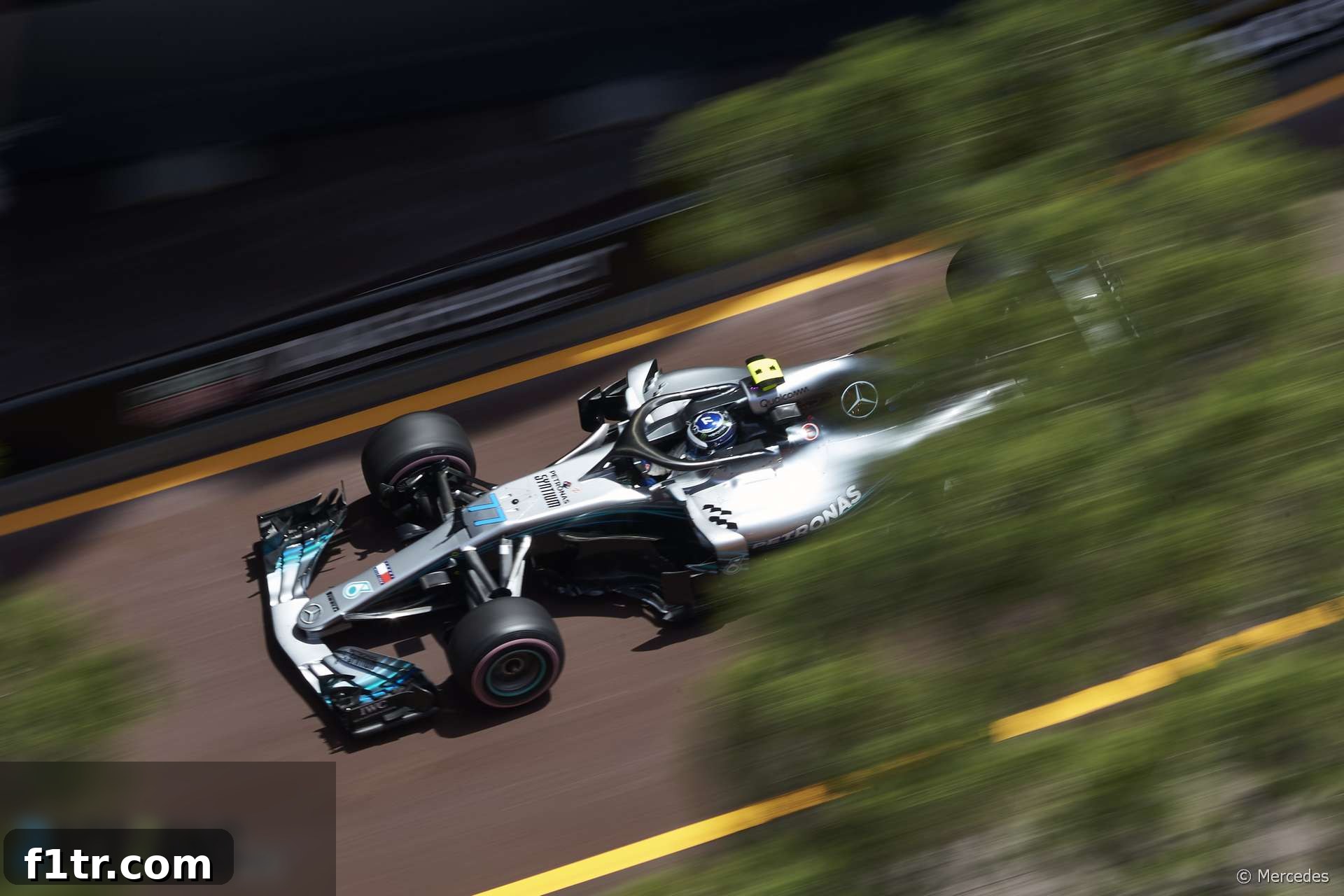
The intricate world of Formula 1 engine development has seen a significant strategic shift ahead of the Canadian Grand Prix, as reigning champions Mercedes-AMG Petronas F1 Team announced an unexpected delay in deploying their highly anticipated ‘PU2’ power unit. This eleventh-hour decision sends ripples through the paddock, especially as key rivals Renault and Honda confirm their readiness to introduce upgraded engine specifications at the power-hungry Circuit Gilles Villeneuve. This unfolding scenario highlights the relentless pursuit of performance and the critical balance between speed and reliability that defines the pinnacle of motorsport, where every horsepower gain is meticulously sought after and every component scrutinized.
Mercedes’ Strategic Setback: Quality Concerns Halt PU2 Rollout
In a surprising development just days before the crucial practice sessions in Montreal, Mercedes confirmed that its planned ‘PU2’ engine upgrade, initially earmarked for its debut at the Canadian Grand Prix, would be postponed. The team cited an unspecified “quality issue” as the primary reason for the delay, pushing the new power unit’s introduction to the French Grand Prix. This decision carries significant implications, affecting not only the works Mercedes team but also its two customer outfits, Force India and Williams. All three Mercedes-powered entries will now continue to utilize their original-specification engines for the demanding Montreal race, potentially impacting their competitive edge.
This postponement comes swiftly on the heels of statements made by Mercedes executive director Toto Wolff. Just 24 hours prior to the announcement, Wolff had conveyed the team’s firm commitment to bringing performance enhancements to their car as soon as possible, with the upgraded power unit widely expected to be deployed across all Mercedes-powered vehicles. Wolff’s earlier remarks had underscored the pressing urgency within the team to maintain their competitive advantage in what was already shaping up to be an intensely fought 2018 Formula 1 season, with formidable challenges posed by Ferrari and a resurgent Red Bull Racing.
The Far-Reaching Implications of a Delayed Upgrade
A mid-season engine upgrade in Formula 1 is more than just a minor tweak; it’s a critical component of the sport’s relentless development cycle. These upgrades are typically engineered to deliver vital horsepower gains, enhance fuel efficiency, and improve energy recovery, all of which can prove decisive over the course of a championship campaign. For Mercedes, delaying the PU2 unit represents a tangible setback, especially considering the specific characteristics of the Canadian Grand Prix circuit.
The Circuit Gilles Villeneuve, renowned for its long straights and heavy braking zones, is notoriously power-sensitive. On such a track, raw engine output plays an absolutely critical role in achieving optimal lap times and maximizing top speed. Competing with an older specification engine on this particular circuit could therefore place Mercedes and its customer teams at a discernible disadvantage against rivals who are actively pushing forward with newer, potentially more powerful hardware. The strategic impact could be felt not just in outright pace but also in areas like overtaking opportunities and tire management, as drivers might need to push harder to compensate for any power deficit.
The precise nature of the “quality issue” remains undisclosed, but any reliability concern within a newly developed power unit specification can have profound and costly consequences in Formula 1. Introducing an unproven component carries the inherent risk of failures, which can lead to significant penalties, including grid drops for exceeding the permitted number of power unit elements per season. Mercedes’ cautious approach, while seemingly a step backward in the immediate context of the Canadian Grand Prix, strongly underscores their unwavering commitment to ensuring rock-solid reliability before deploying any new technology. This strategic choice prioritizes their long-term championship aspirations over immediate, potentially fleeting gains, acknowledging that consistent race finishes and reliable points accumulation are often more valuable than raw, but potentially unreliable, speed. The decision to delay to the French Grand Prix offers the engineers additional time to thoroughly resolve any lingering issues, ensuring the PU2 is race-ready and robust.
Rivals Charge Ahead: Renault and Honda Unveil Performance Enhancements
While Mercedes opted for caution, its competitors are pressing forward with their respective development plans, intensifying the engine battle. Renault, a prominent engine supplier in Formula 1, has officially confirmed its intention to introduce the ‘spec B’ version of its power unit at the Canadian Grand Prix. This eagerly anticipated upgrade is expected to deliver a tangible performance boost, potentially reshaping the pecking order within the fiercely contested midfield and bolstering the Renault factory team’s bid for constructors’ championship points.
Renault’s ‘Spec B’: Who Benefits and What to Expect?
The introduction of Renault’s ‘spec B’ engine at Montreal is a significant moment for the French manufacturer and its customer teams. In the 2018 season, Renault supplied power units to both its own works team and to McLaren. A crucial question circulating in the paddock revolved around which of the six Renault-powered drivers—Nico Hulkenberg and Carlos Sainz Jr. for the Renault factory team, and Fernando Alonso and Stoffel Vandoorne for McLaren—would have access to the upgraded unit. It is a common practice in Formula 1 that initial batches of new, high-performance components are often limited, prompting teams to make strategic decisions about which drivers receive them first. These decisions are typically based on factors such as championship position, the need for development feedback, or simply the limited availability of the new hardware.
For McLaren, who had endured a challenging start to the 2018 season despite their switch to Renault power from Honda, any performance upgrade would be a profoundly welcome relief. Their highly publicized move to Renault had not immediately translated into the expected competitive leap, making the arrival of the ‘spec B’ engine a pivotal moment in their quest to climb the constructors’ standings and improve their overall pace. For the Renault factory team, a successful and reliable deployment of the ‘spec B’ unit could significantly solidify their position as the leading contender in the intensely competitive midfield, enabling them to consistently challenge for the coveted ‘best of the rest’ honors behind the dominant top three teams. This upgrade could provide the necessary thrust to pull away from their midfield rivals and consolidate their standing.
Honda’s Continuous Improvement with Toro Rosso
Adding another intriguing layer to the Canadian GP’s evolving engine narrative, Honda also confirmed its plans to bring an update to Montreal for its sole customer team in 2018, Scuderia Toro Rosso. The Japanese manufacturer explicitly stated that the primary objective of this particular upgrade is to significantly increase the power output from its internal combustion engine (ICE). This continuous and aggressive development push by Honda is particularly noteworthy and significant, especially considering its ambitious long-term plans within Formula 1, which prominently included a future partnership with the senior Red Bull Racing team from the 2019 season onwards.
Throughout the 2018 season, Toro Rosso served as an indispensable proving ground for Honda’s power units. This partnership allowed the Japanese manufacturer to meticulously refine its designs, rigorously test new components, and effectively address lingering reliability concerns in a competitive but less pressure-filled environment than a top-tier team. An increase in ICE power output would serve as a powerful testament to Honda’s unwavering dedication and resilience in overcoming its past challenges, while simultaneously demonstrating its escalating capability to compete effectively at the very pinnacle of motorsport. For Toro Rosso drivers Pierre Gasly and Brendon Hartley, any additional horsepower would be immensely valuable on the high-speed sections of the Circuit Gilles Villeneuve. This would translate directly into better top-end speed and improved acceleration out of corners, directly contributing to their ability to fight for crucial championship points and improve their grid positions.
The Canadian Grand Prix: A True Test of Power and Reliability
The Circuit Gilles Villeneuve, beautifully situated on Notre Dame Island in Montreal, is widely renowned for being an exceptionally power-demanding racetrack. Its unique layout features long, high-speed straights, challenging heavy braking zones, and tight, unforgiving chicanes, all interspersed with sections that demand precise acceleration and superior traction. This specific combination makes engine performance, particularly raw horsepower, efficient energy recovery (ERS), and robust reliability, absolutely critical for achieving success. Teams frequently opt to bring low-downforce aerodynamic packages to Montreal in an effort to minimize drag on the extensive straights, further emphasizing the paramount importance of engine power for achieving high top speeds and crucial lap times.
In such a power-centric context, the strategic decisions made by Mercedes, Renault, and Honda regarding their respective engine upgrades become even more salient and impactful. Mercedes’ choice to prioritize reliability for their PU2, even if it means foregoing immediate performance gains on a power-heavy track, speaks volumes about their long-term championship strategy and their meticulous approach to engineering. Conversely, Renault and Honda’s proactive eagerness to deploy new engine specifications underscores their aggressive intent to capitalize on every available opportunity for performance gains, especially in a race where engine muscle is undeniably a defining factor for competitive advantage. The Canadian Grand Prix therefore becomes not just a race of skill but also a fascinating litmus test for the ongoing engine development war.
The Ever-Evolving F1 Engine Development Landscape
Formula 1’s stringent engine regulations impose strict limitations on in-season development, yet manufacturers continuously strive to extract every possible ounce of performance within these demanding constraints. The battle for engine supremacy isn’t solely about raw horsepower; it encompasses a complex array of factors including fuel efficiency, sophisticated thermal management systems, advanced energy recovery systems (ERS), and, critically, unwavering reliability. Every single component, from the high-speed turbocharger to the intricate MGU-H and MGU-K units, is a finely tuned piece of engineering, each playing an indispensable role in the overall power unit’s output and efficiency.
The intensely competitive nature of the sport means that engine development is a relentless and continuous arms race. Manufacturers invest hundreds of millions in research and development, constantly pushing the very boundaries of what is technically possible. The “quality issue” cited by Mercedes serves as a stark and timely reminder of the immense technical challenges involved in this pursuit. Even minor imperfections or unforeseen design flaws can potentially compromise the entire power unit system, necessitating extensive testing, rigorous validation, and often significant redesigns before new components can be confidently introduced into the unforgiving race environment. The delicate balance between achieving peak performance, ensuring rock-solid reliability, and managing exorbitant costs is a constant tightrope walk, perpetually shifting throughout the demanding F1 season.
Conclusion: A Shifting Dynamic in Montreal’s Engine Battle
As the Formula 1 circus converges upon Montreal for the Canadian Grand Prix, the narrative surrounding engine performance and development has become more compelling and multifaceted than ever. Mercedes’ unexpected delay of its PU2 upgrade presents both an immediate challenge and a long-term strategic opportunity. While the reigning champions might momentarily concede ground on raw horsepower at a demanding circuit, their steadfast commitment to reliability could undoubtedly pay significant dividends over the entirety of the long and arduous season. Simultaneously, Renault and Honda’s proactive introduction of new engine specifications signals their aggressive intent to gain a competitive edge, potentially shaking up the competitive order in a race where engine muscle is absolutely paramount.
The Canadian Grand Prix will not only serve as a rigorous test of driver skill and chassis performance but also as a crucial indicator of the ongoing engine development battle between the sport’s leading manufacturers. The subtle shifts in power unit capabilities, whether through upgrades or unforeseen delays, have the potential to redefine expectations for the remainder of the 2018 season, proving once again that in the high-octane world of Formula 1, the relentless pursuit of perfection, both on and off the track, never truly stops.
Stay Connected with Formula 1 Insights
Don’t miss out on the latest news, in-depth analyses, and exclusive content from the captivating world of Formula 1. Follow us on social media and subscribe to our updates to keep your finger firmly on the pulse of the sport:
- Join RaceFans on Facebook
- Follow RaceFans on Twitter
- Get daily email updates from RaceFans
Explore More from the 2018 F1 Season
Delve deeper into the significant events and compelling storylines that shaped the thrilling 2018 Formula 1 season. From intense engine battles to intricate team strategies, revisit key moments and gain valuable insights:
- F1 feared “death knell” for Drive to Survive after Ferrari and Mercedes snub
- McLaren staff told us we were “totally crazy” to take Honda engines in 2018 – Tost
- ‘It doesn’t matter if we start last’: How Red Bull’s junior team aided Honda’s leap forward
- Honda’s jet division helped F1 engineers solve power unit problem
- McLaren Racing losses rise after Honda split
Browse all 2018 F1 season articles