The highly anticipated report from the FIA concerning the controversial conclusion of the 2021 Formula 1 World Championship eventually saw the light of day. Its publication came 97 days after the dramatic final race of the season and, perhaps strategically, just one day before the opening race of the subsequent 2022 season. This timing allowed little opportunity for detailed public scrutiny or thorough reflection on its extensive contents, which were made available barely an hour before the cars hit the track for the year’s first qualifying session.
Despite the delayed release and the timing, the mere existence of such a comprehensive report was, in itself, noteworthy. Initially, the sport’s governing body had a significant motive to downplay the widespread uproar surrounding the Abu Dhabi controversy. In the immediate aftermath of the race, this seemed to be the path they were set to take, aiming to quell discontent rather than confront it head-on.
In their initial public response, the FIA merely conceded that the handling of the contentious Abu Dhabi Grand Prix had “generated significant misunderstanding and reactions from Formula 1 teams, drivers and fans.” This carefully worded statement appeared to leave no room for an explicit admission that anything had gone fundamentally wrong. Instead, it vaguely promised an “analysis and clarification exercise,” which many observers feared would result in a largely toothless investigation.
However, to the FIA’s credit, the final report proved to be more substantial and less evasive than its initial euphemistically phrased commitment might have led readers to expect. It delved deeper than a simple clarification, offering insights into the mistakes made and outlining steps for future prevention.
Interest in the report’s findings was naturally immense. The 2021 F1 season finale in Abu Dhabi captivated a global audience of 107 million people, a staggering figure that highlighted the scale of the championship decider. Yet, what these millions witnessed ultimately cast a poor light on the management and integrity of the world championship.
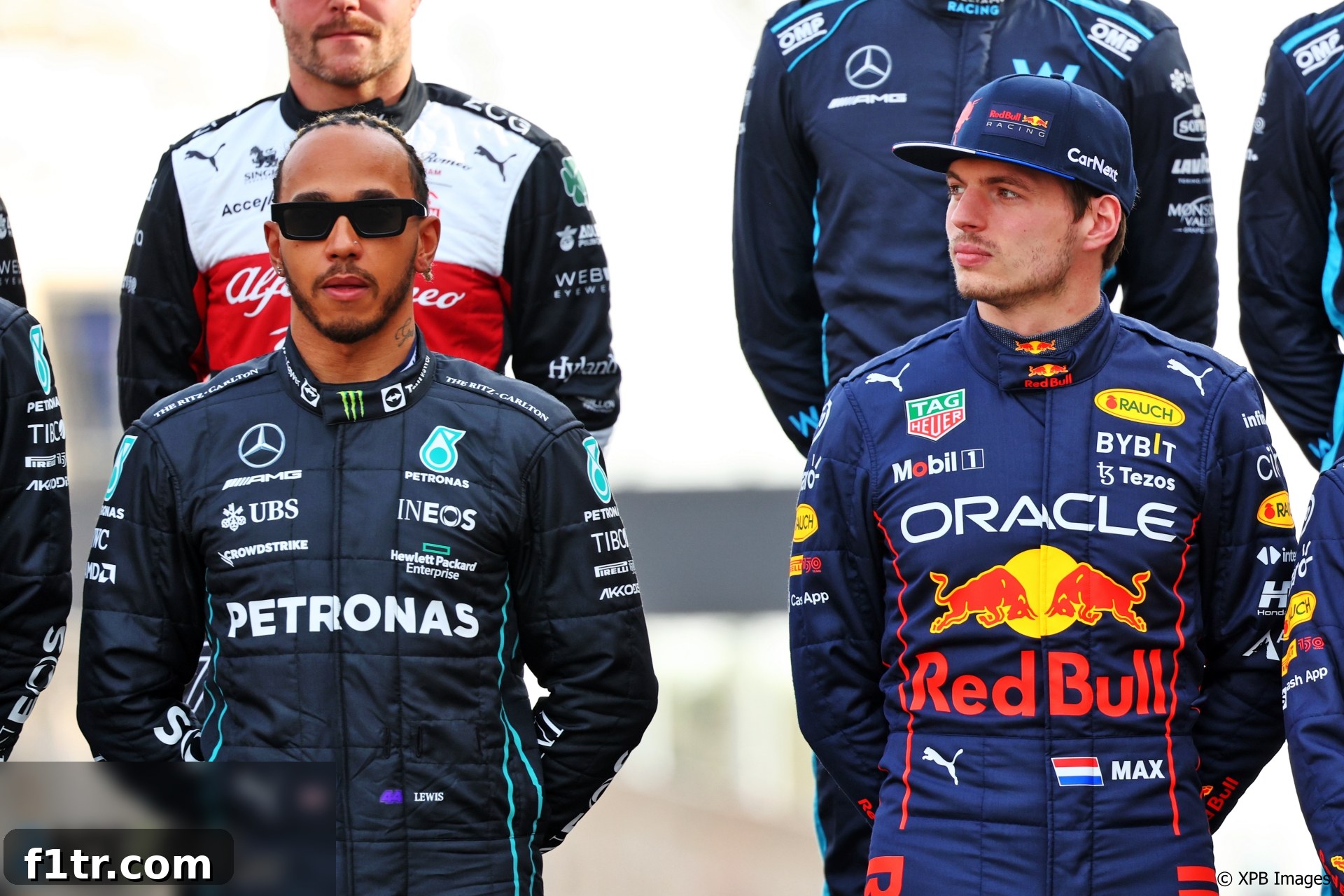
Lewis Hamilton was in a commanding position, on track to secure his record eighth world championship, successfully holding off Max Verstappen. However, a late safety car period dramatically altered the race’s trajectory. Race director Michael Masi’s sudden and unprecedented decision to deviate from established safety car procedures, made while under intense lobbying from both Mercedes and Red Bull Racing teams, provoked initial incomprehension. This quickly escalated into widespread fury as his actions directly influenced the championship outcome, allowing Verstappen to pass Hamilton on the final lap following a highly disputed restart.
Three months following that tumultuous race, the FIA delivered its official verdict on Masi’s handling of the event. The outcome was far from being a mere “clarification” of a “misunderstanding”; instead, it served as a detailed explanation of precisely what went wrong and, crucially, how the governing body intends to prevent such egregious errors from recurring in the future. This shift in tone marked a significant acknowledgement of serious procedural failures.
Accountability and Procedural Failures
Perhaps the clearest indicator of the gravity of the mistakes made was the decision regarding the individual responsible. Long before the official FIA report was even released, it was publicly confirmed that Michael Masi would not retain his position as F1 Race Director. His replacement underscored the severe consequences of the decisions made in Abu Dhabi and the FIA’s commitment to reforming its race management structure.
While the report extensively detailed the immense pressure Masi found himself under during those critical moments, it was notably less explicit about the specific errors committed. Curiously, the accompanying statement from the FIA World Motor Sport Council articulated the precise failures with greater clarity. It stated unequivocally: “The race director called the safety car back into the pit lane without it having completed an additional lap as required by the Formula 1 Sporting Regulations.” This pinpointed a direct breach of established rules.
Regarding Masi’s controversial decision to allow only the lapped cars situated between Hamilton and Verstappen to un-lap themselves, the statement added: “human error led to the fact that not all cars were allowed to un-lap themselves.” It’s an interesting detail that the phrase “human error” itself does not appear within the main body of the report, suggesting a conscious effort to focus on systemic issues rather than individual blame within the primary document.
The report dedicates numerous paragraphs to describing the extreme pressure Masi was subjected to, an aspect that is undoubtedly valid and contributes to understanding the context. However, this explanation contains an element of circular reasoning. The intense time pressure Masi experienced was, in part, a self-inflicted consequence of his initial decision to bring the Safety Car in a lap earlier than the regulations mandated. In essence, adhering strictly to the rules became a secondary consideration, overshadowed by a desire to restart the race swiftly, arguably for the perceived benefit of “the show” – a recurring theme in modern Formula 1.
Reforms and Future Safeguards
As a direct result of the findings and recommendations within the report, the FIA has implemented significant structural changes. A new, three-person race direction team has been established, designed to distribute responsibility and provide a more robust decision-making process. This team is now supported by a sophisticated Remote Operations Centre, intended to offer real-time data analysis, independent advice, and oversight, thereby reducing the likelihood of a single individual making snap decisions on a whim that reinterpret vital rules in the dying laps of a world championship-deciding race – or at any other crucial moment.
However, a critical question remains: what if these reforms are not entirely foolproof? What if, despite the new structure and technological support, a future race director makes another critical error that decides a pole position, a race victory, or, as devastatingly happened in 2021, a world championship? The systemic challenge lies not just in preventing known errors, but in creating a resilient framework against unforeseen ones.
Speaking in February, weeks before the FIA officially announced the results of its “analysis and clarification exercise,” McLaren team principal Andreas Seidl made a profoundly insightful observation. He argued that merely identifying what went wrong in a single instance and addressing it for the future was insufficient. A more fundamental mechanism for rectifying consequences was needed.
“We need to accept mistakes can happen, on the team’s side but also on the FIA’s side,” Seidl emphasized. This acknowledgement of fallibility on all sides laid the groundwork for his further suggestions regarding sporting integrity.
The Imperative for a Rectification Mechanism
“For me it’s very important as well that we also discuss a racing mechanism where you have, let’s say that we’re in a position that if mistakes happen, where should you raise your hand and admit them and have a mechanism in place in order to correct those mistakes also, or correct the consequences that such mistakes or controversies could have,” Seidl elaborated. His point was clear: while preventing errors is paramount, having a robust system to undo or mitigate the unfair consequences of an error is equally crucial for maintaining faith in the sport’s fairness.
“That is as important as trying to avoid similar controversies in the first place.” Seidl’s argument highlighted a critical gap in F1’s existing regulations. Mercedes, for instance, ultimately withdrew their appeal against the Abu Dhabi race result not because they believed it was fair, but because they realized that even if successful, the most probable outcome would be the cancellation of the race entirely. Such a scenario would not have altered Hamilton’s championship defeat, offering no real justice or restoration of his lost title.
Under the FIA’s existing rules, no mechanism existed to retroactively restore a lost title or to fully correct the impact of a race director’s erroneous decision. While there have been instances where laps have been retroactively deleted from race results due to errors with the chequered flag, the regulations currently do not provide a comparable avenue for rectification when a race director’s mistake directly influences the championship outcome. This systemic flaw underscores the need for Seidl’s proposed mechanism.
Moving Forward with Transparency and Learning
Despite these lingering concerns, Mercedes team principal Toto Wolff expressed a more positive outlook regarding the progress made by the FIA under its new president, Mohammed Ben Sulayem. Wolff particularly praised the increased transparency demonstrated by the publication of the findings, especially given that not everyone within the F1 paddock had advocated for the report’s full release. “We need to see the step change that has been made by releasing the report line-by-line,” Wolff stated in response to a question from RaceFans, acknowledging the FIA’s willingness to be open.
“I’m happy that there is more transparency. I know from my conversations with Mohammed that he’s very resolute in putting in a system that is prone to less mistakes. There’s good people, there will be a virtual race room between the FIA offices and I think this is what counts,” Wolff added. His comments reflect a pragmatic desire to move forward, focusing on the future improvements rather than dwelling endlessly on past grievances. “Dwelling about Abu Dhabi doesn’t make my or our life easier at all. It’s happened, the trophy is in somebody else’s cabinet, and that’s it. Chapter closed. And I think the FIA will have learned how things should not be handled.”
Indeed, regardless of individual opinions on how the Abu Dhabi controversy was managed, the collective desire to move on from such a contentious episode is almost universally shared within Formula 1. However, it is crucial that this push to advance does not lead to proceeding too hastily, before all lessons have been thoroughly absorbed and all necessary safeguards put in place.
The stakes are incredibly high. A failure to fully learn from the 2021 Abu Dhabi Grand Prix could have far-reaching consequences. The next team to be wronged by a similar administrative error might possess fewer championship trophies in their cabinet than Mercedes, and consequently, may be far less willing to accept a lost championship with the same degree of measured resignation. Ensuring robust, transparent, and fair governance is not just about avoiding future headlines; it is about protecting the very integrity and credibility of Formula 1 as a global sport.
2022 F1 season
- Mercedes told me “you’re wrong” about 2022 car’s problems – Hamilton
- FIA confirms all 10 F1 teams complied with 2022 cost cap
- Steiner “not ashamed” of panning “slow” Schumacher in Drive to Survive
- Albon believes year out of F1 improved him as a driver
- Hamilton sees diversity gains in F1 years on from his ‘traumatising’ experience of racism
Browse all 2022 F1 season articles