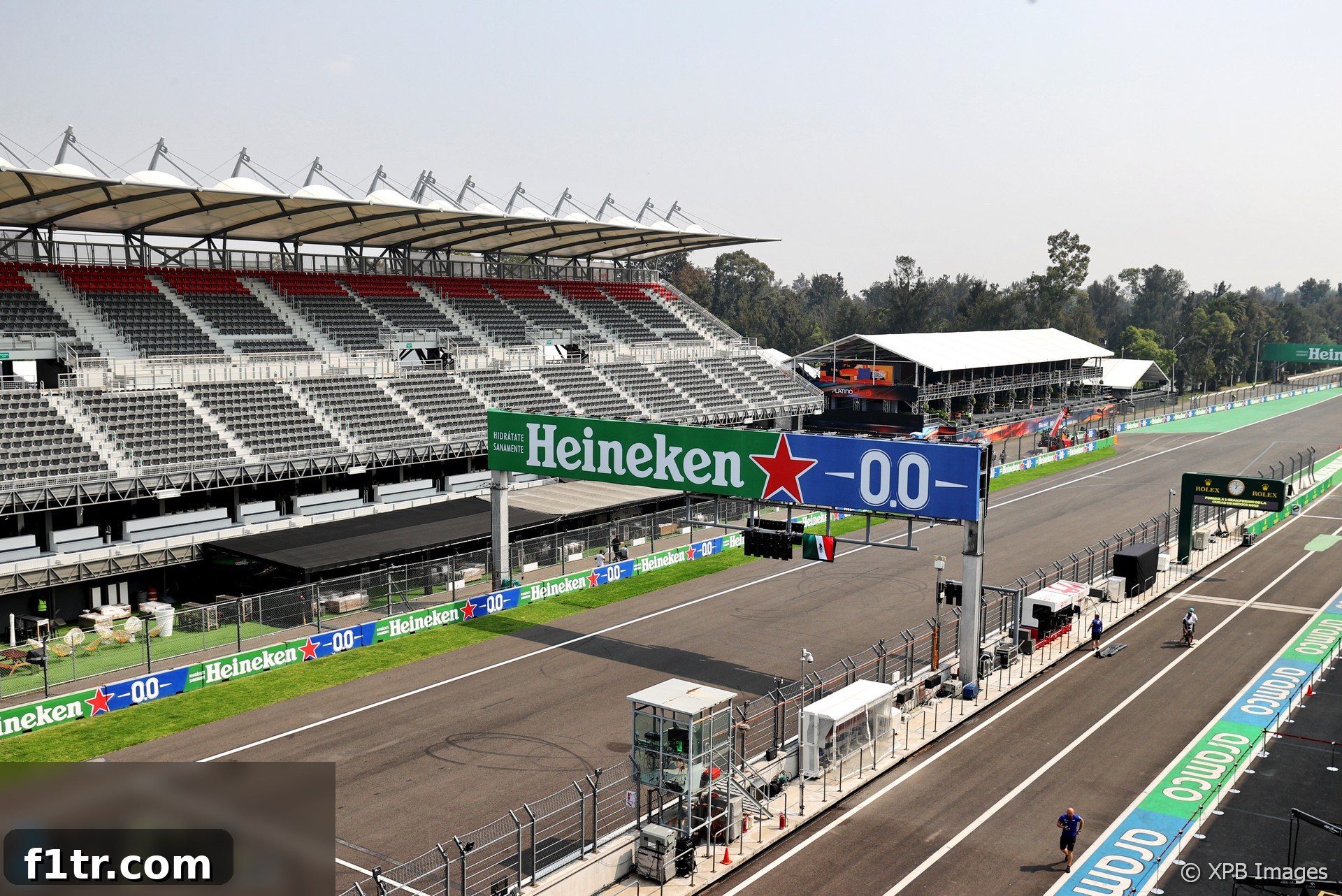
Navigating the Altitude: A Comprehensive Preview of the Mexican Grand Prix
Following the thrilling United States Grand Prix, Formula 1 embarks on the second leg of its demanding triple-header in the Americas, heading south to the vibrant capital of Mexico City. This transition from Austin, Texas, to the Autódromo Hermanos Rodríguez presents a unique set of challenges and opportunities for teams and drivers alike, setting the stage for a compelling weekend of racing.
While still geographically within North America, the Mexican Grand Prix circuit stands in stark contrast to its Texan counterpart. Situated significantly closer to the equator, the defining characteristic of Mexico City is its formidable altitude. Perched over 2,200 meters (7,200 feet) above sea level, the Autódromo Hermanos Rodríguez is by far the highest circuit on the Formula 1 calendar, creating an environment where traditional performance metrics are often turned on their head. This extreme elevation profoundly impacts every aspect of an F1 car, from engine performance and aerodynamic efficiency to cooling and brake wear, demanding intricate setups and strategic adjustments from every team.
Despite its equatorial proximity, teams can anticipate notably cooler ambient temperatures throughout the Mexican Grand Prix weekend compared to the sweltering conditions often experienced at COTA. This shift in temperature dynamics will be a critical factor, particularly in how teams approach tire management strategies across the race distance. Cooler track temperatures can lead to less thermal degradation, but also potentially a harder time getting the tires into their optimal operating window, or even induce graining, making the delicate balance of tire performance even more crucial for success.
For the second consecutive race weekend, forecasts indicate a low probability of rain impacting any of the key competitive sessions, including qualifying and the Grand Prix itself, and also during Friday’s practice sessions. This stable, dry weather will be met with considerable relief across the paddock. It’s particularly good news for young talents such as Pato O’Ward, Andrea Kimi Antonelli, and Robert Shwartzman, who are slated to make cameo appearances in the first practice session. Dry conditions are essential for these drivers to maximize their limited track time and demonstrate their capabilities without the added complexity of a wet track.
Moreover, the absence of rain provides an ideal scenario for Pirelli, Formula 1’s sole tire supplier. They will be conducting crucial tests of their proposed C6 compound for the 2025 season during the second practice session. Dry, consistent track conditions are paramount for gathering accurate and reliable data on the new compound’s performance, durability, and operating characteristics, which will inform its development and potential introduction into future F1 tire lineups. This ongoing development ensures that tire technology continues to evolve alongside the sport.
Breaking down the weekend’s weather, Friday afternoon is expected to see clear skies but with ambient temperatures reaching only around 22°C. This is a noticeable difference from the 30°C frequently recorded at COTA just a week prior. Saturday is forecast to be cooler still and cloudier, with a very low risk of light rain during the final practice session. However, qualifying is anticipated to proceed under overcast conditions, with temperatures peaking at approximately 20°C. These mild conditions could allow teams to push their cars harder and explore aggressive qualifying setups.
For Sunday’s main event, the Grand Prix itself, conditions are projected to remain typically mild, albeit with slightly more cloud cover than on Friday when many teams will have completed their long-run simulations. Temperatures are expected to hover just above 20°C, making this year’s race significantly cooler than the last two editions held in Mexico City. However, these temperatures are more in line with the majority of races at this circuit since its welcomed return to the Formula 1 calendar in 2015. Such consistency can help teams refine their strategies and setups, drawing on past data.
While rain might not be a factor, drivers will need to contend with another challenging element: wind gusts. There is an increased risk of unsettling winds on Sunday, with speeds expected to be higher during the Grand Prix than on the preceding two days. Wind can have a substantial impact on the aerodynamic stability of Formula 1 cars, affecting their balance, braking points, and overall grip, especially through high-speed corners. Drivers often describe strong crosswinds as feeling like the car is being pushed sideways, making precise control exceptionally difficult.
The potential influence of wind was highlighted recently at the United States Grand Prix, where Mercedes suggested that Lewis Hamilton’s uncharacteristic spin into retirement on Sunday in Austin might have been influenced by a recorded gust of 40 km/h as he entered Turn 19. While the forecast for Mexico City suggests winds are only expected to top out at 31 km/h this Sunday, even these speeds can be enough to significantly disrupt a car’s delicate aerodynamic platform. The Autódromo Hermanos Rodríguez features several fast sections and flowing corners where unexpected wind shifts could catch drivers out, demanding heightened concentration and adaptability throughout the race. Teams will be closely monitoring wind direction and speed, factoring it into their setup adjustments and driver briefings to mitigate potential risks.
The unique combination of high altitude, mild temperatures, and the omnipresent threat of wind gusts makes the Mexican Grand Prix one of the most unpredictable and tactically demanding races on the F1 calendar. Success here hinges not just on raw pace, but on meticulous preparation, precise engineering, and a driver’s ability to adapt to a constantly evolving environment. From managing the compromised downforce at altitude to optimizing tire performance in cooler conditions, every decision and adjustment can make a significant difference. Fans can look forward to a strategic battle where intelligence off the track is as vital as bravery on it.
Advert | Become a Supporter & go ad-free
For the latest real-time updates on track conditions, minute-by-minute session reports, and breaking news throughout each session of the Mexican Grand Prix weekend, be sure to keep a close eye on RaceFans Live and follow the official RaceFans Twitter account. These platforms provide comprehensive coverage, ensuring you don’t miss any of the critical developments as they unfold.
Miss nothing from RaceFans
Get a daily email with all our latest stories – and nothing else. No marketing, no ads. Sign up here:
2024 Mexican Grand Prix: Related Articles and Updates
- McLaren have no regrets over pitting Norris shortly before red flag came out
- Leclerc fined, avoids same penalty as Verstappen after apologising for swearing
- Leclerc not in the clear over swearing as Verstappen claims he went unpunished
- Majority of drivers wanted racing rules to change “straight away” – Russell
- Verstappen was “over the limit” with Norris but others would do same – Leclerc
Browse all 2024 Mexican Grand Prix articles