F1 Drivers Unite: Condemnation of Fan Abuse at the Austrian Grand Prix
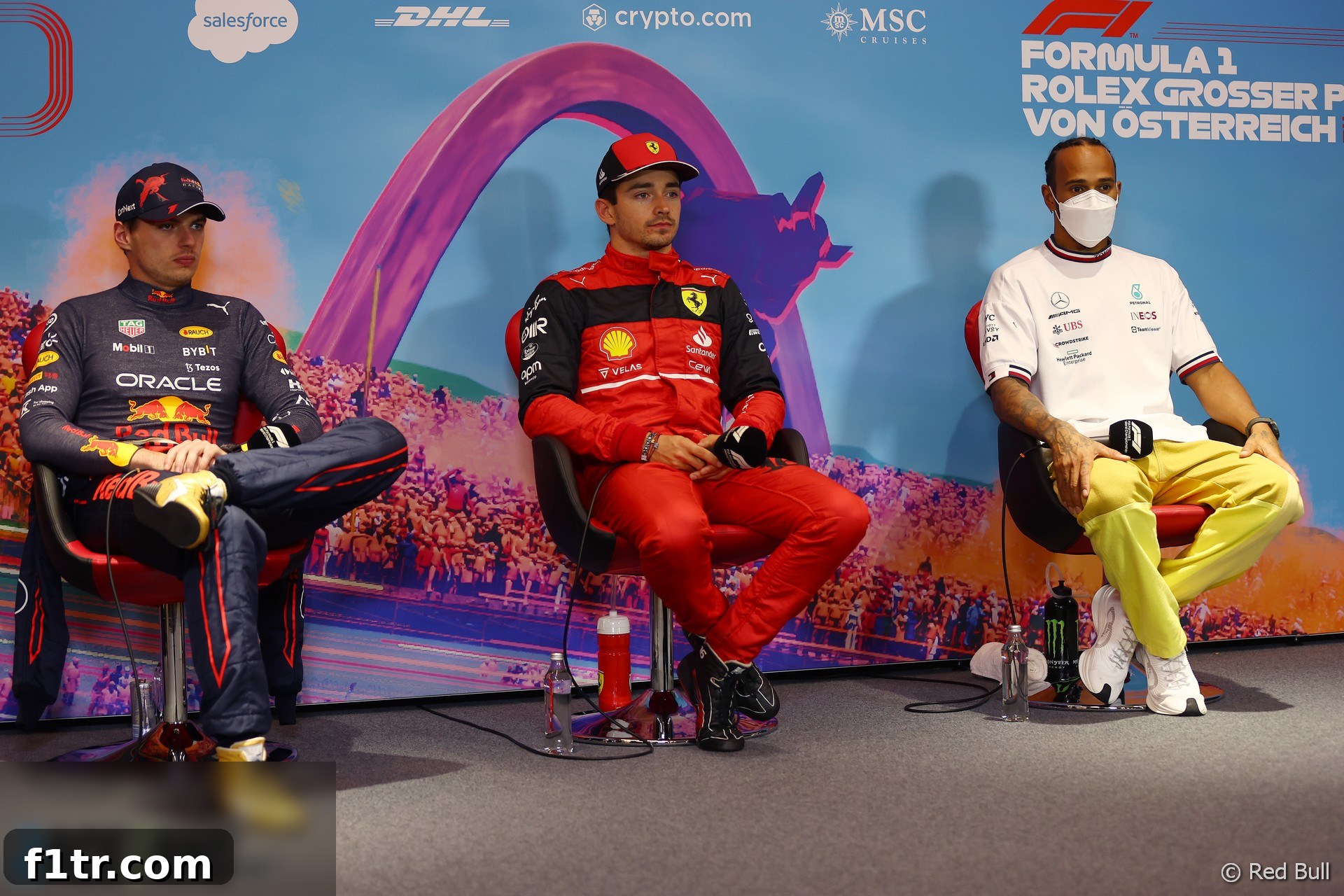
The roar of Formula 1 engines typically signifies the peak of exhilaration and competition, drawing millions of passionate fans worldwide. However, the 2022 Austrian Grand Prix at the Red Bull Ring was marred by an unwelcome and deeply concerning issue: widespread reports of abuse targeting spectators. In a unified front, the top three finishers of the race – Max Verstappen, Charles Leclerc, and Lewis Hamilton – joined a chorus of voices condemning the deplorable behavior, highlighting a stark contrast between the sport’s electrifying spectacle and the urgent need for a more inclusive and respectful environment within its fanbase.
A Disturbing Shadow Over Spielberg: Reports of Fan Discrimination
Throughout the Austrian Grand Prix weekend, social media platforms became a grim chronicle of disturbing incidents. Numerous fans reported being victims of severe abuse from fellow spectators, including sexist, racist, and homophobic slurs. These accounts painted a troubling picture of an environment where some individuals felt unsafe and unwelcome, directly contradicting the spirit of sportsmanship and unity that Formula 1 strives to embody. The sheer volume and nature of these reports quickly caught the attention of both the sport’s governing body and the teams involved.
Formula 1 promptly confirmed it had raised the matter with the Austrian Grand Prix promoters, initiating an investigation into the allegations. This swift acknowledgement underscored the seriousness with which the sport was treating these incidents, signaling a clear stance against any form of discrimination. The controversy not only overshadowed the on-track action but also sparked a crucial dialogue about fan conduct and the responsibilities of both organizers and attendees in fostering a positive race-day experience for everyone.
Max Verstappen: A Champion’s Call for Basic Decency
Advert | Become a Supporter & go ad-free
Max Verstappen, the reigning world champion and an overwhelming crowd favorite at his ‘home’ Grand Prix given the significant Dutch ‘Orange Army’ presence, was among the first to address the issue. His voice carried particular weight, representing a segment of the fanbase often associated with intense passion and loyalty.
Verstappen minced no words, stating that the reports were “of course not good.” He emphasized that such behavior is fundamentally unacceptable in any context, let alone at a global sporting event. “All the things that happen anywhere, these things shouldn’t happen,” he remarked, highlighting the universal nature of respect and decency. “I read a few things, a few shocking things and that’s clearly not okay.”
The Dutchman’s comments went beyond mere condemnation, appealing to a fundamental human understanding of right and wrong. “I shouldn’t even need to say this, I think this should be a general understanding that these things shouldn’t happen, that a normal human being should think like that and should behave like that.” His statement served as a powerful reminder that basic human decency should prevail, irrespective of rivalry or team allegiance, and that the thrill of sport should never come at the cost of another person’s dignity or safety.
Charles Leclerc: Hoping for F1’s Proactive Intervention
Race winner Charles Leclerc, whose victory was a highlight of the weekend, also expressed his profound concern regarding the incidents. He described the reports of what some fans had endured as “horrible,” echoing the sentiment of disgust shared across the paddock. For Leclerc, the issue was one that demanded immediate and effective action from the sport’s leadership.
“I’ve seen the statement of Formula 1 just before the race and I just hope that Formula 1 can do something for that,” he stated. While acknowledging the complexity of implementing solutions, Leclerc was firm on the necessity of intervention. “I don’t know how it can be tackled, but obviously it’s unacceptable to see that anywhere but obviously, if we can do something, we should and need to do something.” His call to action underscored the collective responsibility that falls upon Formula 1, its teams, promoters, and even the fans themselves, to actively combat and eradicate such negative elements from the sport. The challenge lies not just in condemning the behavior but in finding tangible ways to prevent it from recurring, ensuring that the spectacle of racing remains a joyous and inclusive experience for all.
Lewis Hamilton’s Heartfelt Plea for Inclusion and Education
Among the most vocal and passionate advocates for diversity and inclusion in Formula 1, Lewis Hamilton expressed deep sorrow and shock upon hearing the fan abuse reports. His reaction was not just that of a competitor but of a humanitarian committed to fostering a more accepting world, both within and beyond motorsport.
“I arrived with a really positive mindset this morning and then I heard of some of the things that have been said and [I’m] just in a bit of shock and just really sad,” Hamilton shared, conveying the profound impact these revelations had on him. He highlighted the core purpose of attending a Grand Prix: “People arrive on the weekend to have a great time to celebrate, to enjoy the time off and enjoy a great experience.”
Hamilton also touched upon the demographic of the fanbase, acknowledging the predominant “Orange Army” at the Austrian Grand Prix. While celebrating the passion of fans, he underscored the disturbing reality that abuse was occurring despite the festive atmosphere. “Particularly if you go to the UK, we’ve got obviously a wide range of fans that go there. Here, of course, you’ve got a lot of the orange army and so when do the parade lap you have to look quite hard to kind of see the neon caps, they stand out a little bit better, but there’s, of course, not as many as the orange here.”
The core of his message revolved around the sheer incredulity of such incidents in contemporary society. “But just to know that someone sitting in a crowd supporting someone else is receiving abuse, it’s crazy to think that we’re experiencing those things still in 2022. So we have to continue to do more.”
Hamilton passionately argued that F1 needs to go beyond mere condemnation and actively address the root causes of such prejudice. He called for greater efforts to “educate and tackle ignorance among those who perpetuate abuse.” His vision for Formula 1 is one where every individual feels secure and valued: “We all have to work together with our platforms to spread that positive word with all of our platforms to all those people that are watching. People should come here, should feel safe, should feel included, and you should be able to follow whoever it is you want to follow.”
Concluding his powerful statement, Hamilton articulated a fundamental principle that should underpin the sport: “It shouldn’t matter your gender or your sexuality or the colour of your skin, it should just be everyone here to have a great time.” His words resonated deeply, emphasizing that true sportsmanship transcends identity and demands respect for every fan who walks through the gates of a Grand Prix circuit.
F1’s Commitment: Addressing Fan Conduct and Promoting Respect
The outrage and unified condemnation from the drivers and teams (with Aston Martin and Mercedes notably inviting affected fans to their paddocks) put Formula 1 at a critical juncture. The sport, having made significant strides in recent years to enhance its global appeal and diversify its audience, now faces the imperative to ensure that its newfound inclusivity is reflected in the behavior of all its stakeholders. This means moving beyond statements to implement concrete measures.
Future actions could involve a multi-pronged approach: stronger collaboration with local promoters to enhance security and fan monitoring; clearer codes of conduct for attendees, with explicit penalties for discriminatory behavior; and educational initiatives designed to promote a culture of respect and understanding among the fanbase. Leveraging technology for easier and more effective reporting of incidents by fans themselves could also be a vital step. Ultimately, F1 has a unique platform to champion positive societal values, and the incidents in Austria serve as a stark reminder of the ongoing work required to uphold these principles.
The Road Ahead: Fostering a Culture of Respect in Formula 1
The Austrian Grand Prix incident, while regrettable, has ignited an important conversation within Formula 1. It underscored that while the sport celebrates speed, innovation, and daring, it must equally champion an environment of safety, respect, and inclusion for every single person who partakes in its magic, whether as a driver, team member, or fan. The unified voices of its champions – Verstappen, Leclerc, and Hamilton – send an unmistakable message: bigotry and discrimination have no place in Formula 1. The challenge now is for the entire F1 ecosystem to translate these powerful words into enduring action, ensuring that Grand Prix weekends are always synonymous with thrilling sport and unwavering respect, allowing every fan to enjoy the spectacle equally and without fear.
Related Articles: Deep Dive into the 2022 Austrian Grand Prix
- FIA affirms three sprint races on 2023 Formula 1 calendar
- “Oh, so unlucky!” How Alonso’s cursed Austrian Grand Prix unfolded on his radio
- Ferrari believe their performance deficit to Red Bull is now “negligible”
- Another fan’s experience of harassment last weekend – and why F1 must act
- AlphaTauri “desperately” need upgrades after “disaster” weekend, urges Gasly
Browse all 2022 Austrian Grand Prix articles