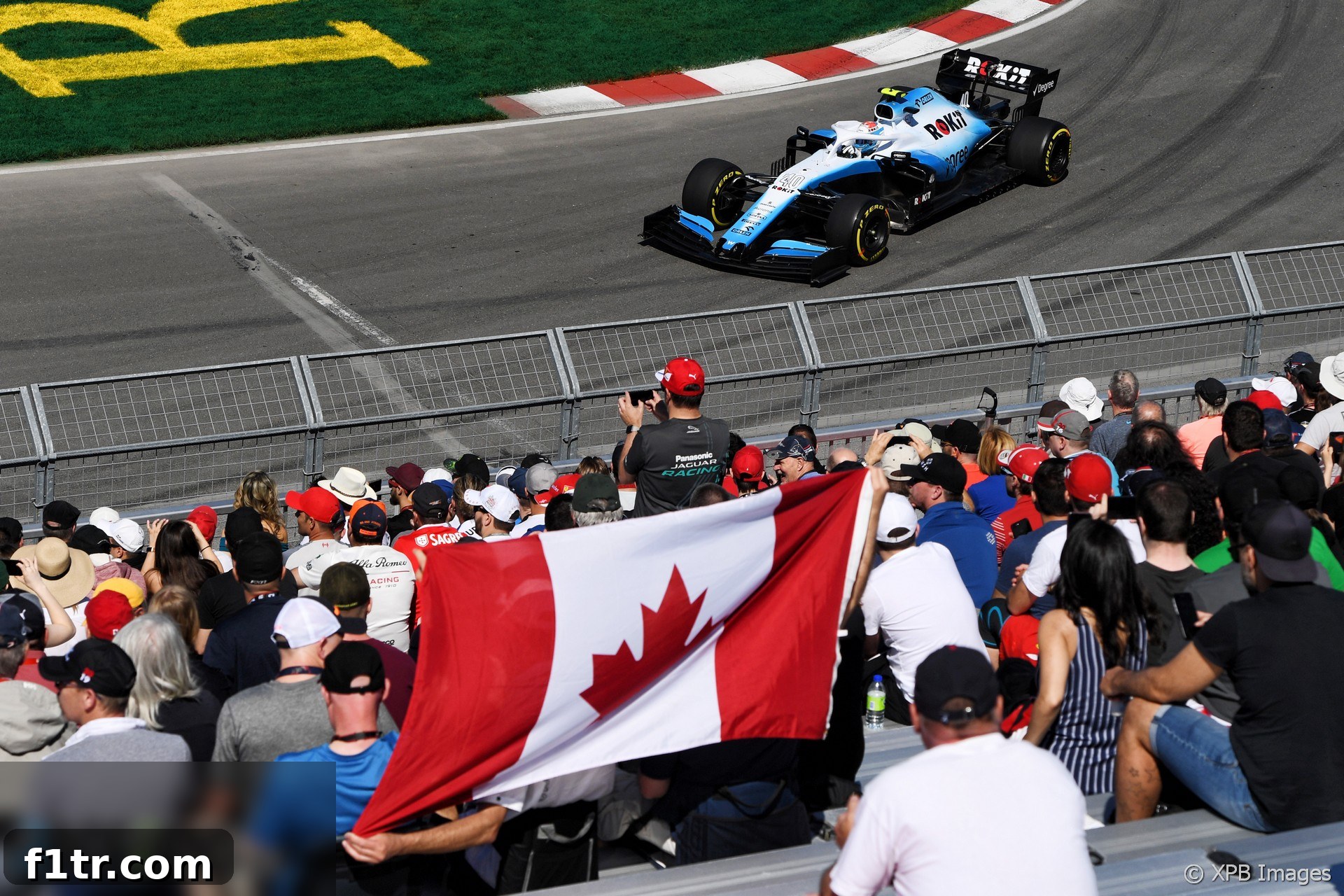
The intricate web of Formula 1’s future plans for 2021 took a clearer shape during the Canadian Grand Prix weekend, with further details emerging regarding significant cuts in pre-season testing and the mandatory inclusion of junior drivers in Friday practice sessions. From the bustling paddock of the iconic Circuit Gilles Villeneuve, this final report offers a deep dive into the political landscape, technical insights, and high-octane drama that defined the weekend.
Longueuil, 4:30 AM, Sunday: The Dawn of Race Day
The insistent chime of my alarm pierces the pre-dawn quiet, signaling the arrival of race day – a day that promises a blend of intense competition, behind-the-scenes negotiations, and unforgettable moments. Before fully immersing myself in the adrenaline-fueled world of Formula 1, I habitually download the Sunday papers, grounding myself briefly in the broader global context. Following my morning routines, I turn my attention to the overnight delivery: the comprehensive transcript of my recent interview with Andreas Seidl. As I meticulously review our conversation, reflecting on his candid insights and ambitious vision, a clear picture forms of the man tasked with the monumental mission of steering McLaren back to the apex of Formula 1. His strategies and challenges are fascinating, and I eagerly anticipate sharing the full story with readers in the coming days. This weekend, however, the focus shifts to the immediate present – the Canadian Grand Prix and the myriad developments surrounding the sport’s future.
7:30 AM: Journey to the Heart of the Action
With an early lunch appointment looming, I decide to forgo breakfast and depart for the circuit, eager to embrace the day. The journey, a mere 30 minutes, surprisingly feels no quicker than usual, despite the notably lighter traffic on the approach roads. This efficiency is offset by an apparent surge in security measures, a testament to the ever-evolving protocols governing major international events. Despite the early hour – a full six hours before the main race begins – and a relatively subdued support program, a steady stream of dedicated fans is already making its way into the Circuit Gilles Villeneuve. Their enthusiasm is palpable, and the brilliant sunny skies overhead only amplify the festive, almost carnival-like atmosphere. It’s a wonderful sight, a powerful reminder of the global passion that fuels Formula 1.
9:00 AM: The Political Gridlock of 2021 Regulations
The most pressing topic dominating discussions throughout the Canadian Grand Prix weekend is undoubtedly F1’s controversial plan to delay the ratification process for the 2021 regulations until October. My primary objective this morning is to delve deeper into this contentious issue. Unanimous written agreement is a prerequisite from all key stakeholders – the ten competing teams, the FIA, and Liberty Media – for these monumental changes to be enacted. My investigations reveal that at least four independent teams are conditionally digging in their heels, demanding stricter adherence to the proposed financial regulations. These teams, listed alphabetically, are McLaren, Renault, Sauber (now Alfa Romeo Racing), and Williams. Rumors abound that several other teams remain undecided, carefully weighing their options and strategic positions. Fundamentally, these independent outfits are insisting that the financial regulations, designed to introduce a stringent cost cap and foster greater competitive parity, must be adopted ‘as is’ and not be watered down during the postponement period. This stance seems entirely reasonable, especially considering that the regulations have already undergone several revisions, becoming considerably softer than their initial, more radical proposals. The paddock is rife with intricate horse trading and intense negotiations, a clear indication of the high stakes involved in shaping the future economic and sporting landscape of Formula 1.
10:00 AM: Hamilton’s Hydraulic Scare
A ripple of concern spreads through the paddock as news emerges of a hydraulic leak discovered on Lewis Hamilton’s Mercedes car. The immediate response from the Mercedes garage is a flurry of activity as engineers work diligently to rectify the issue. Further investigation later confirms that a similar, though not identical, replacement hydraulic unit has been fitted. This development immediately sparks speculation among some observers about potential post-race ramifications, with suggestions surfacing that Mercedes, and by extension Hamilton, could face exclusion. However, a crucial detail within the sporting regulations clarifies the situation: component changes are permitted, provided no performance advantage is gained from the replacement part. The integrity of the sport dictates that any such change must be meticulously vetted. Sure enough, the Mercedes car later sails through post-race scrutineering without any issues, laying to rest any concerns about its legality. Yet, by that point, the paddock’s attention has already irrevocably shifted to another unfolding drama, one that would overshadow much of the immediate aftermath of the race.
11:00 AM: The Shifting Sands of the F1 Calendar
My plans to meet my friend Andy, who is flying in from New York City as a guest of McLaren, are temporarily thwarted by a flight delay. I use the unexpected downtime to network and gather snippets of information from various contacts around the paddock. One particularly striking piece of news I pick up is the virtual demise of the German Grand Prix after July. Despite Germany’s profound historical connection to the automobile industry and the significant presence of Mercedes, Sebastian Vettel, and Nico Hülkenberg in the sport, it appears increasingly unlikely that the country will feature on the 2020 F1 calendar. This unfortunate development highlights the financial pressures and changing priorities faced by traditional European circuits. Additionally, I hear concrete plans regarding the spacing of the first six races of the 2020 season. These events are reportedly scheduled a fortnight apart, a strategic move designed to provide maximum lead time for the new Hanoi circuit in Vietnam, which is said to be under considerable pressure to complete construction by the end of April. The provisional calendar sees Melbourne kicking off the season on March 15th, followed by Bahrain on March 29th, and China on April 12th, with Hanoi slated for April 26th. Subsequently, Zandvoort will host its eagerly anticipated return to the calendar on May 10th, with the iconic Monaco Grand Prix taking place a fortnight later. Following this logical progression, it’s projected that next year’s Canadian Grand Prix will once again grace the calendar on June 7th, solidifying its place as a summer classic.
11:30 AM: A Culinary Interlude at Pirelli
After a brief but pleasant catch-up with Andy, I head straight to the Pirelli hospitality area for a scheduled lunch with Sandor, a respected Hungarian journalist. Pirelli, Formula 1’s sole tyre supplier, is renowned not only for its technical prowess on track but also for its exceptional hospitality, and today proves to be no exception. The fare, as always, is absolutely exquisite, setting a standard that few other F1 paddock offerings can match. I begin with a refreshing sweetcorn and tuna salad, a light yet flavorful start. This is followed by the main event: a perfectly cooked, medium-rare 61-day aged Black Angus steak, a true masterpiece of flavor and texture, served alongside crispy roast potatoes and a medley of vibrant stir-fried vegetables. To conclude this truly memorable meal, a scoop of delicate vanilla ice cream, nestled within a delicate, honeyed waffle cup, provides a perfect sweet finish. My sincere thanks go to Pirelli for yet another delightful and satisfying experience. These moments of culinary excellence offer a much-needed respite amidst the intensity of a Grand Prix weekend.
12:30 PM: The Journalist’s Exchange: Unofficial Debrief
Following lunch, I participate in a regular, informal debrief with a close-knit circle of colleagues from various non-competing publications. This unique gathering allows us to openly exchange news and insights we’ve individually gleaned during the race weekend. The beauty of this arrangement lies in its collaborative spirit: by connecting with journalists from different language and regional groups, we avoid direct conflict of interest and significantly broaden our collective understanding of the ongoing developments. Each participant brings a unique perspective and access to information, enriching everyone’s reporting. This cooperative exchange is an invaluable resource, proving that even in a highly competitive environment, collaboration can yield significant benefits for all involved, allowing us to piece together a more comprehensive picture of the complex world of Formula 1.
13:15 PM: Paddock Insights and 2021’s Technical Blueprint
As the race start draws closer, it’s the opportune moment to head to the grid. This pre-race scramble is the perfect environment to discreetly quiz team bosses, as their media gurus are often preoccupied elsewhere, managing driver commitments and pre-race formalities. The energy on the grid is electric, a powerful blend of tension and excitement. It’s here that I gather further crucial details regarding the 2021 regulations. One significant proposal is that from 2021, gearbox usage will be pooled for the entire year, moving away from the current system of ‘consecutive use for X events.’ This change aims to reduce costs and place a greater emphasis on reliability. Another key proposal mandates that all teams will be required to run rookie drivers during two Friday practice sessions throughout the season, a welcome move designed to provide invaluable experience for emerging talent and aid driver development. Furthermore, pre-season testing is set to be significantly curtailed, reduced to just two three-day sessions, forcing teams to maximize efficiency and rely more heavily on simulation tools. As I navigate the bustling grid, the inherent narrowness of the Circuit Gilles Villeneuve becomes strikingly apparent. While the number of grid passes issued remains relatively static from race to race, today’s grid feels incredibly packed, teeming with personnel and equipment. This crowded intimacy stands in stark contrast to the vast, almost lonely, expansiveness of super-stadium circuits like the Shanghai International Circuit, highlighting the unique character and challenges of Montreal’s demanding track.
4:00 PM: The Controversial Vettel Penalty and Its Aftermath
The race concludes, and predictably, the entirety of the post-race discussion revolves around the contentious penalty handed to Sebastian Vettel. The Ferrari driver received a five-second time penalty for an incident where he swerved back onto the track in front of Lewis Hamilton after an excursion onto the grass. The decision immediately sparks a fierce debate among fans, pundits, and within the paddock itself. While the penalty, to many, seems draconian in its severity and impact on the race outcome, it is ultimately in line with established tariffs designed to ensure consistency in adjudicating racing incidents. I hold the utmost respect for the three of the four race stewards whom I know personally – I’ve had no direct dealings with the local steward, but I am confident in his equal capability and professionalism. I am firmly convinced that they meticulously considered every single angle and nuance of the incident before rendering their verdict. The stewards’ role is to uphold the integrity and safety of the sport, making difficult decisions under immense pressure. Ultimately, seasoned drivers like Vettel should be acutely aware that the surest way to avoid such penalties, and the controversy that inevitably follows, is to consistently keep the car on the designated racing surface and minimize errors. This incident once again underscores the fine margins and unforgiving nature of Formula 1 racing.
6:00 PM: Post-Race Pressures and Ferrari’s Appeal Intent
The frenetic pace of post-race interviews is gradually winding down. Only Toto Wolff and the Mercedes drivers, along with Ferrari’s joint media debrief, remain on my schedule. During the highly anticipated Italian team’s session, a significant revelation is made: they let slip their intention to appeal the Sebastian Vettel penalty. It’s crucial to note that this is merely an ‘intention’ to appeal, the initial step in a multi-stage process, which has been formally lodged. Now, the real question looms: will Ferrari proceed with lodging the actual appeal, for which a substantial fee is payable? Or will they, as has often been the case in such situations, eventually withdraw it, perhaps citing a desire ‘to enable the team to focus on the future’ and avoid further prolonged legal battles? The decision will have strategic implications for the team and could prolong the shadow of this weekend’s controversy.
7:00 PM: Wrapping Up and Looking Ahead
With the final results officially issued and the last interviews concluded, the demanding work of the Canadian Grand Prix weekend draws to a close for me. I efficiently pack up my equipment and make my way to the car park. The drive back to my apartment is noticeably lighter in traffic, offering a calmer end to an intense day. Upon arrival, I dedicate time to meticulously complete this diary, capturing all the observations and insights from a packed weekend. Following this, I begin the preparatory packing for tomorrow’s early check-out. Monday promises to be another busy day, filled with extensive writing and analysis, before I head to the airport for my 7:50 PM flight to Brussels. The Formula 1 circus, and my journey with it, continues. I look forward to connecting with you again from Paul Ricard in a fortnight, where the next chapter of the F1 season will unfold.
Further Reading: 2019 Canadian Grand Prix Highlights
- Ferrari lose bid to have Vettel’s Canadian GP penalty reviewed
- Ferrari confirm no appeal on Vettel penalty
- 2019 Canadian Grand Prix Star Performers
- “I believe in the project”: Verstappen responds to Marko’s fears he could leave
- Top ten pictures from the 2019 Canadian Grand Prix
Browse all 2019 Canadian Grand Prix articles