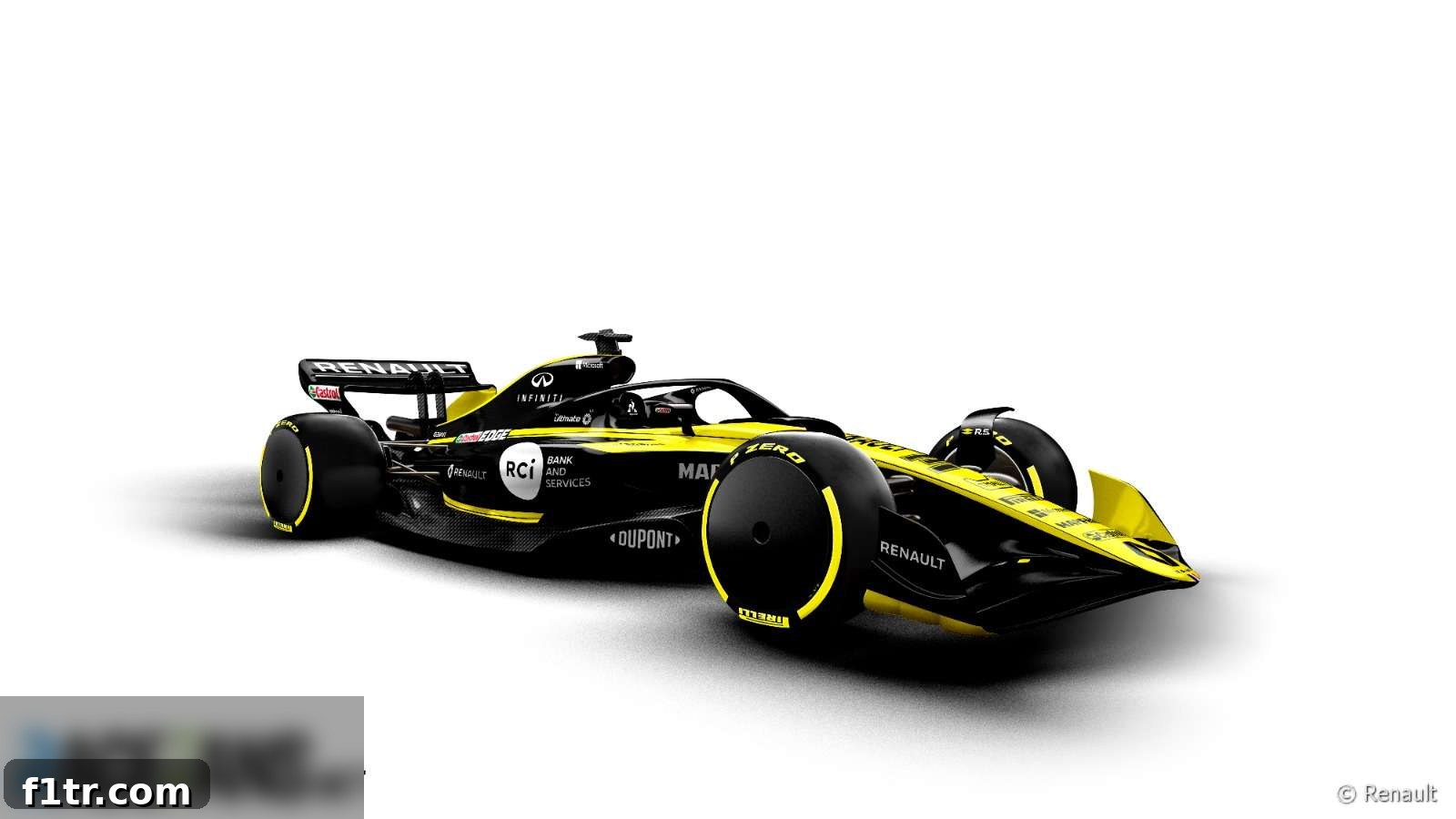
Renault has enthusiastically welcomed the comprehensive new rules package for the 2021 F1 season, which the sport’s governing bodies officially unveiled recently. This landmark set of regulations, designed to usher in a new era of competitive and sustainable racing, has been met with significant optimism from the French constructor.
Following the presentation of the updated regulations at the United States Grand Prix, Cyril Abiteboul, Team Principal of Renault F1, issued a statement highlighting the profound impact these changes are expected to have. Abiteboul underscored that the new framework offers “significant opportunities for a team like ours,” signaling a renewed sense of ambition and strategic alignment within the Renault camp.
Abiteboul expressed a strong belief that the newly approved regulations will fundamentally enhance the sport, fostering a more equitable playing field for all competitors without compromising the core essence and thrilling spectacle of Formula 1. The vision behind these changes is to create a championship where talent and efficiency are rewarded, rather than purely financial might.
“The formal approval of the 2021 financial, technical, and sporting regulations by the FIA World Motor Sport Council signifies the culmination of an immense and collaborative effort,” Abiteboul stated. “This extensive work involved dedicated contributions from Formula One management, the FIA, and all participating teams, demonstrating a unified commitment to the sport’s future trajectory.”
He further elaborated that these regulations are a clear affirmation of the strategic vision championed by Formula One’s new ownership. Their aim is to sculpt a sport that is inherently more equitable, more entertaining for a global audience, and ultimately more sustainable in the long run. Crucially, Abiteboul emphasized that these transformative measures achieve their goals “without betraying the DNA that made us love this complex sport, and to which Renault has been loyal for 42 years.” This sentiment underscores Renault’s deep historical connection to Formula 1 and its desire to see the sport thrive while retaining its core values of innovation and competition.
Acknowledging the complexities of reaching such widespread agreement, Abiteboul pointed out that “despite some compromises made to bring together the diversity of models created by the current Concorde Agreement and its unsustainable discrepancies, these measures represent significant opportunities for a team like ours.” The Concorde Agreement, a confidential commercial contract between the FIA, F1, and the participating teams, dictates the terms by which teams compete and how commercial revenues are distributed. Its previous iterations had often led to vast disparities in resources and performance, making it increasingly challenging for independent teams or those with more modest budgets to consistently compete at the sharp end.
The 2021 regulations, therefore, are seen as a vital step towards leveling the playing field. For Renault, this translates into tangible benefits: “increasing our prospects to reduce the gap to the front and challenge for wins and titles in a reasonable time frame,” Abiteboul confidently added. This statement signals a clear intent from Renault to leverage the new regulations to climb up the pecking order and vie for motorsport’s most coveted prizes. The introduction of a budget cap, standardized parts, and revised aerodynamic rules are all designed to curb runaway spending and encourage more design convergence, making it harder for top teams to maintain a perpetual performance advantage solely through sheer financial investment.
The F1 budget cap, set at $145 million for 2021 and decreasing further in subsequent years, is a cornerstone of these reforms. For a works team like Renault, which has invested heavily but struggled to consistently break into the top three, this cap represents a golden opportunity. It forces all teams, including the giants, to operate within similar financial constraints, compelling them to be more efficient, innovative, and strategic with their resources. This shift is particularly advantageous for teams like Renault, who possess a robust infrastructure and technical expertise but may not have matched the spending power of rival manufacturer teams in recent years.
Furthermore, the technical regulations for 2021 focus on simpler aerodynamics and standardized components, aimed at reducing development costs and promoting closer racing. This move is expected to make the cars less sensitive to turbulence, allowing drivers to follow each other more closely and create more overtaking opportunities, thereby enhancing the entertainment factor of the sport. For Renault, this means a redirection of engineering efforts towards more impactful areas within the new constraints, rather than engaging in an arms race of incremental aerodynamic gains.
Abiteboul concluded his remarks by emphasizing the ongoing commitment to refinement: “We will continue to work together to fine tune these regulations, but the fact the fundamentals are now secured will allow us to plan the developments required between now and the first race of 2021.” This collaborative approach underscores the sport’s collective desire to ensure the new rules are implemented effectively, adapting where necessary to achieve the desired outcomes of a fairer, more exciting, and more economically viable Formula 1.
This positive outlook from Renault comes at a particularly pertinent time. Just a week prior, Renault’s interim CEO, Clotilde Delbos, had revealed that the group was actively reviewing its commitment to Formula 1 as part of a wider assessment of its ‘Drive the Future’ strategy. This strategic review highlighted potential concerns regarding the return on investment for their F1 program, especially in light of the significant financial commitments required to compete at the highest level. Delbos’ comments had understandably raised questions about Renault’s long-term presence in the sport, leading to speculation about their future involvement as a full factory team and engine supplier.
The unveiling of the 2021 regulations, with their promise of a more financially sustainable and competitive landscape, is therefore critically important for Renault. The positive reception from Cyril Abiteboul suggests that these new rules could play a pivotal role in solidifying Renault’s long-term commitment to Formula 1. By offering a clearer path to competitiveness and making the sport a more attractive and manageable investment, the regulations align more closely with Renault’s broader corporate strategy and financial objectives. For a global automotive manufacturer, Formula 1 serves not only as a proving ground for technological innovation but also as a powerful marketing platform, enhancing brand visibility and fostering a high-performance image. A more competitive F1, where Renault has a realistic chance of success, significantly increases the value proposition of their continued participation.
The ‘Drive the Future’ strategy itself focuses on driving growth and efficiency across all of Renault’s operations. Aligning the F1 program with these overarching corporate goals is essential. A Formula 1 that is more economically rational and provides a clearer return on investment through enhanced competitiveness and brand exposure would undoubtedly strengthen the case for Renault’s continued presence. The confidence articulated by Abiteboul following the rule changes indicates a strong belief that the sport is moving in a direction that supports Renault’s strategic ambitions, potentially mitigating the concerns raised during the earlier review.
Ultimately, the 2021 regulations are poised to be a game-changer for Formula 1, and for teams like Renault, they represent a renewed opportunity to redefine their trajectory within the pinnacle of motorsport. The focus now shifts to the intricate development work and strategic planning required to maximize the potential offered by these new rules, with the aim of translating optimism into tangible on-track success and bringing Renault back to championship contention.
Related F1 Content
- Crying in the Melbourne car park at 2019 grand prix was my career low – Ocon
- McLaren Racing reports reduced £71 million loss in 2019
- Kvyat: Hockenheim podium last year was “my biggest achievement” so far
- How the FIA’s new encrypted fuel flow meter targets Ferrari’s suspected ‘aliasing’ trick
- “He smashed my office door”: 23 must-see moments from ‘Drive to Survive’ season two
Browse all 2019 F1 season articles