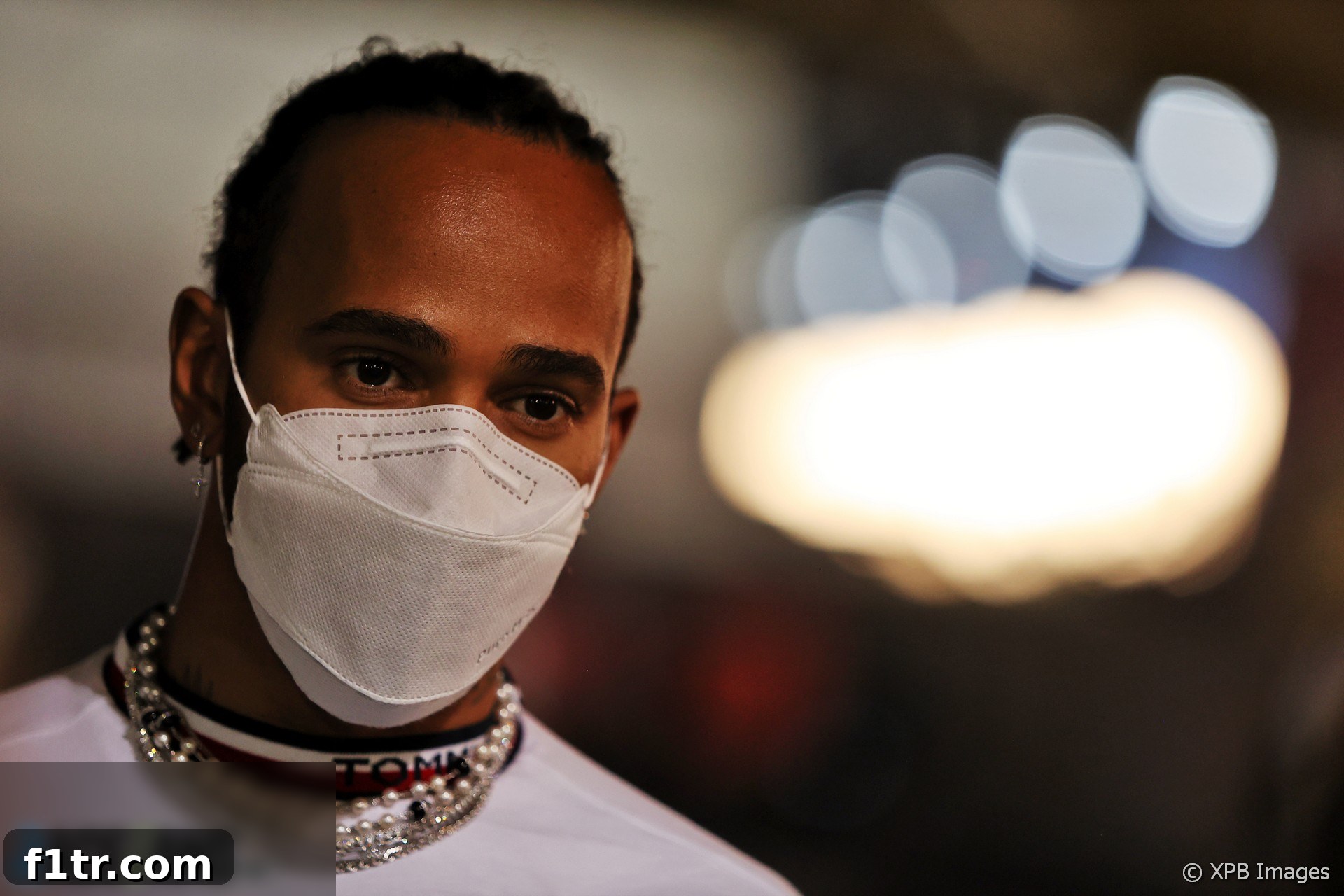
Lewis Hamilton Leads Call for Formula 1 to Uphold Human Rights in Host Nations
As Formula 1 expands its global footprint, venturing into new territories such as Qatar and Saudi Arabia, critical questions surrounding human rights in these host nations have been brought sharply into focus. Leading this crucial discourse is seven-time world champion Lewis Hamilton, who has passionately asserted that the sport has a fundamental duty to acknowledge, address, and actively raise awareness about human rights failings in the countries it visits. His outspoken advocacy marks a pivotal moment for F1, pushing it towards a more socially conscious future.
Hamilton’s Evolution: From Ignorance to Outspoken Advocate
Speaking candidly in an FIA press conference at the Losail International Circuit ahead of the inaugural Qatar Grand Prix, Lewis Hamilton admitted a past “ignorance” regarding the severe human rights concerns prevalent in some host countries. This acknowledgement reflects a significant personal evolution for the Mercedes driver, who has become an increasingly vocal proponent for social justice and human rights issues since 2020. Hamilton’s journey highlights a broader shift, challenging the traditional apolitical stance often adopted by sports figures and organizations.
Hamilton firmly believes that while individual efforts can create a “small difference,” collective action holds the power for far greater impact. He openly expressed his desire for more athletes, both sportsmen and sportswomen, to use their influential platforms to speak out on these critical issues. This call to action underscores the immense potential for global sports figures to amplify voices and shed light on injustices that might otherwise remain unseen by a wider international audience, thereby fostering a global conversation and promoting greater accountability.
The Shadow of ‘Sportswashing’ and Human Rights Allegations
The decision by Formula 1 to race in countries like Qatar and Saudi Arabia has ignited widespread criticism from human rights organizations worldwide. These groups accuse such nations of engaging in ‘sportswashing’ – a calculated strategy to invest vast sums in hosting prestigious global sporting events, including Formula 1, in an attempt to deflect attention from their human rights records and enhance their international image. While significant infrastructural developments accompany these events, the ethical costs frequently draw serious concern, raising questions about the moral implications of global sports partnerships.
Qatar, for instance, has embarked on an unprecedented construction boom in preparation for the 2022 FIFA World Cup, a project that has tragically been linked to the deaths of over 6,500 migrant workers over the past decade. These staggering figures, reported by reputable international media such as The Guardian, highlight the dire conditions and systemic exploitation faced by those building the infrastructure for these mega-events. The notorious ‘kafala’ system, a sponsorship-based employment system prevalent in the region, has been widely blamed for creating an environment ripe for worker abuse, restricting workers’ ability to change jobs or leave the country without employer permission, effectively binding them to their employers and making them vulnerable to exploitation, withheld wages, and hazardous working conditions.
Similarly, Saudi Arabia, another new addition to the F1 calendar, faces its own extensive list of human rights criticisms, including restrictions on freedom of expression, women’s rights, and the treatment of dissidents. The kingdom’s substantial investment in sports and entertainment is seen by many as part of a broader strategy to modernize its image while sidestepping scrutiny of its internal affairs. The presence of Formula 1 in these nations, therefore, places the sport directly at the intersection of high-octane racing and profound ethical dilemmas, demanding a robust and principled response from all stakeholders.
Navigating Complexity: The Imperative for Education and Sustained Awareness
Lewis Hamilton acknowledges the profound complexity of human rights issues in the regions F1 visits. He points out that for those not from these areas, understanding the intricate cultural, religious, and socio-political landscapes can be incredibly challenging. “We’re not from these areas, it’s incredibly complex on the ground in these places with religion,” Hamilton explained, emphasizing the multi-faceted nature of the problems. He stressed that acquiring true understanding requires time, dedicated effort, and a commitment to genuine education about these foreign regions, moving beyond superficial impressions to a deeper comprehension.
However, this acknowledgment of complexity does not, in Hamilton’s view, diminish the sport’s responsibility to act. On the contrary, he believes it elevates the importance of continuous efforts to bring awareness to these problems. While some positive changes have been implemented over time, such as reforms to the kafala system in Qatar which were introduced a few years ago, Hamilton unequivocally states that “it’s never enough. More needs to be done.” This perspective highlights a crucial balance: recognizing cultural nuances while steadfastly advocating for universal human rights principles. The global stage of Formula 1 offers a unique platform to shine a light on these issues, fostering dialogue and encouraging progress even in the most challenging environments, acting as a catalyst for change rather than merely an observer.
Formula 1’s Moral Compass: Holding the Sport Accountable
Hamilton’s advocacy extends beyond individual athletes to the very core of Formula 1 as a global institution. He openly critiques the sport’s historical approach, admitting that both he and F1 had often been “ignorant” or “unconscious” of the significant human rights problems in many of the countries they visited. This candid reflection calls for a fundamental shift in how Formula 1 operates, urging it to move beyond passive acceptance and towards proactive accountability. It suggests a need for a re-evaluation of the criteria used for selecting race venues, placing ethical considerations alongside commercial viability.
For Hamilton, the onus is on individuals within the sport to educate themselves, but also on the organization itself to ensure concrete actions are taken when races are staged in such locations. “It’s down to whether you decide to educate yourself and hold the sport more accountable and make sure the sport is actually doing something about it when they go to those places,” he articulated. This push for greater transparency and ethical engagement is why he has chosen to raise his voice, believing that even from afar, the sport can generate the “scrutiny and that pressure that could hopefully create change.” He recognizes that while “far brighter people” are fighting these issues in the background, the spotlight brought by global sports can be a powerful catalyst, drawing international attention and moral pressure to effect tangible improvements.
A Collective Voice: Drivers Unite on Human Rights
Lewis Hamilton is not alone in his conviction that Formula 1 has a responsibility to address human rights. Several other prominent drivers have echoed his sentiments, indicating a growing awareness and willingness within the paddock to engage with these complex issues. This emerging consensus suggests a potential for a stronger, united front from the sport’s protagonists, signaling a maturation in the drivers’ roles beyond just competitors.
Lando Norris: The Power of Community
Lando Norris, the McLaren driver, articulated the need for a community-wide approach. He stated that speaking out on human rights is “something we have to do as a community, as Formula 1,” rather than expecting just a “small bunch of people” to bear the burden. Norris believes that while individual efforts can initiate change, the collective power of the entire Formula 1 ecosystem—drivers, teams, organizers, and fans—is essential for creating substantial and lasting impact. This collaborative spirit, he suggests, is the most effective way to tackle deeply entrenched issues.
Sebastian Vettel: Universal Responsibility
Four-time world champion Sebastian Vettel, renowned for his growing activism, has consistently championed social causes, notably calling attention to discrimination against the LGBT community during the Hungarian Grand Prix weekend. Vettel views human rights issues as “a responsibility that every big sport, big event has to face.” He contextualized this within F1’s global schedule: “We love driving cars and we drive those cars everywhere around the world. There’s some places that we are very familiar with and others we’re not, some cultures we maybe agree with, others we don’t.” For Vettel, the question of engagement with differing cultures and values is not just for individual drivers but for Formula 1 as a unified entity, highlighting its shared global accountability.
George Russell: Trust in Leadership
While acknowledging the human rights concerns, Hamilton’s future teammate, George Russell, offered a slightly different perspective, expressing trust in the sport’s governing bodies. Russell stated, “All of us drivers and everybody are aware of the human rights issues, but ultimately, for me personally, I trust in Formula 1 and the FIA to take us where they deem suitable and for the rest we’re just fully focussed on the driving.” Russell’s view highlights the inherent tension between individual moral conviction and the hierarchical structure of a global sport, where ultimate decisions about race venues rest with the FIA and F1 management. This perspective underscores the challenge drivers face in influencing organizational choices while maintaining their focus on competition, yet still contributing to the broader awareness.
The Path Forward: Scrutiny, Media, and Sustained Pressure
While acknowledging that drivers don’t have a direct say in where races are held, Lewis Hamilton remains steadfast that F1’s presence in regions with human rights concerns must be accompanied by an unwavering commitment to increased scrutiny. “Ultimately, as drivers, it’s not our choice where we get to go and race,” he conceded, but immediately followed this by asserting that “as these sports go to these places, they are duty bound to raise awareness for these issues and these places need scrutiny.” This stance firmly positions the sport as an active participant in global human rights dialogue, not just a passive spectator.
Hamilton specifically called for the media to play a vital role, emphasizing the importance of open discussion about these topics. “It needs the media to speak about these things. Equal rights is a serious issue,” he stressed. His advocacy is rooted in the belief that sustained public and media attention can exert significant pressure, ultimately compelling host nations and sporting bodies to enact meaningful change. While recognizing that reforms cannot happen “overnight,” such as the new reforms with the kafala system implemented in Qatar a couple of years prior, he asserts that “still there’s a long way to go.” Hamilton’s message is clear: if Formula 1 chooses to race in these territories, it must proactively use its platform to highlight ongoing challenges and advocate for continuous improvement in human rights conditions, making its global presence a force for positive evolution.
The collective voice of drivers, led by Hamilton, alongside the scrutiny from global media and human rights organizations, creates a powerful dynamic. This pressure not only pushes host countries towards greater transparency and reform but also challenges Formula 1 itself to embed ethical considerations more deeply into its decision-making processes, ensuring that the thrill of racing does not overshadow the fundamental principles of human dignity and justice. The sport’s journey into these new frontiers is, therefore, not just about speed and competition, but increasingly about responsibility and impact on a global scale.
Further Reading: 2021 Qatar Grand Prix
- Pirelli’s investigation into Qatar tyre failures indicates kerbs caused punctures
- Horner rejects talk of title fight pressure after criticism over marshal comment
- “I don’t know how much slower I can go”: Inside Ricciardo’s unnecessary economy run
- ‘No regulator in the world will be popular’ with a title fight this intense – Masi
- Why drivers backed Hamilton’s call for clarity after meeting over Verstappen incident
Browse all 2021 Qatar Grand Prix articles