In the dynamic world of Formula 1, the competition is fierce, not only among teams but often within them. The Mercedes-AMG Petronas Formula 1 Team, a dominant force in recent seasons, has once again found itself navigating the delicate balance of an intense driver rivalry. Team Principal Toto Wolff has openly addressed the burgeoning contest between star drivers Lewis Hamilton and Valtteri Bottas, emphasizing the team’s commitment to managing this internal battle while safeguarding their championship aspirations. As the season unfolds, the internal dynamics at Mercedes will undoubtedly play a crucial role in shaping the championship narrative, with both drivers pushing the limits to secure the coveted title.
Navigating Internal Competition: Toto Wolff’s Perspective on Mercedes’ Driver Dynamics
Mercedes Team Principal Toto Wolff recently shared his insights on the evolving competition within his squad, drawing parallels to their illustrious past while emphasizing a forward-looking approach. When questioned about whether the team’s stellar start to the season evoked memories of their profoundly dominant campaigns from 2014 to 2016, Wolff offered a nuanced response that highlighted the complex challenges of managing top-tier talent.
“It undeniably reminds me of the situation we consistently face when we have two incredibly ambitious drivers, both possessing the undeniable ability to clinch a Formula 1 World Championship,” Wolff explained. “The responsibility rests squarely on our shoulders, collectively with them, to maintain a keen awareness of the current landscape. We must not, for a moment, allow ourselves to be complacent or carried away by the initial four strong results. There is a vast number of races still ahead, and the championship is far from decided.”
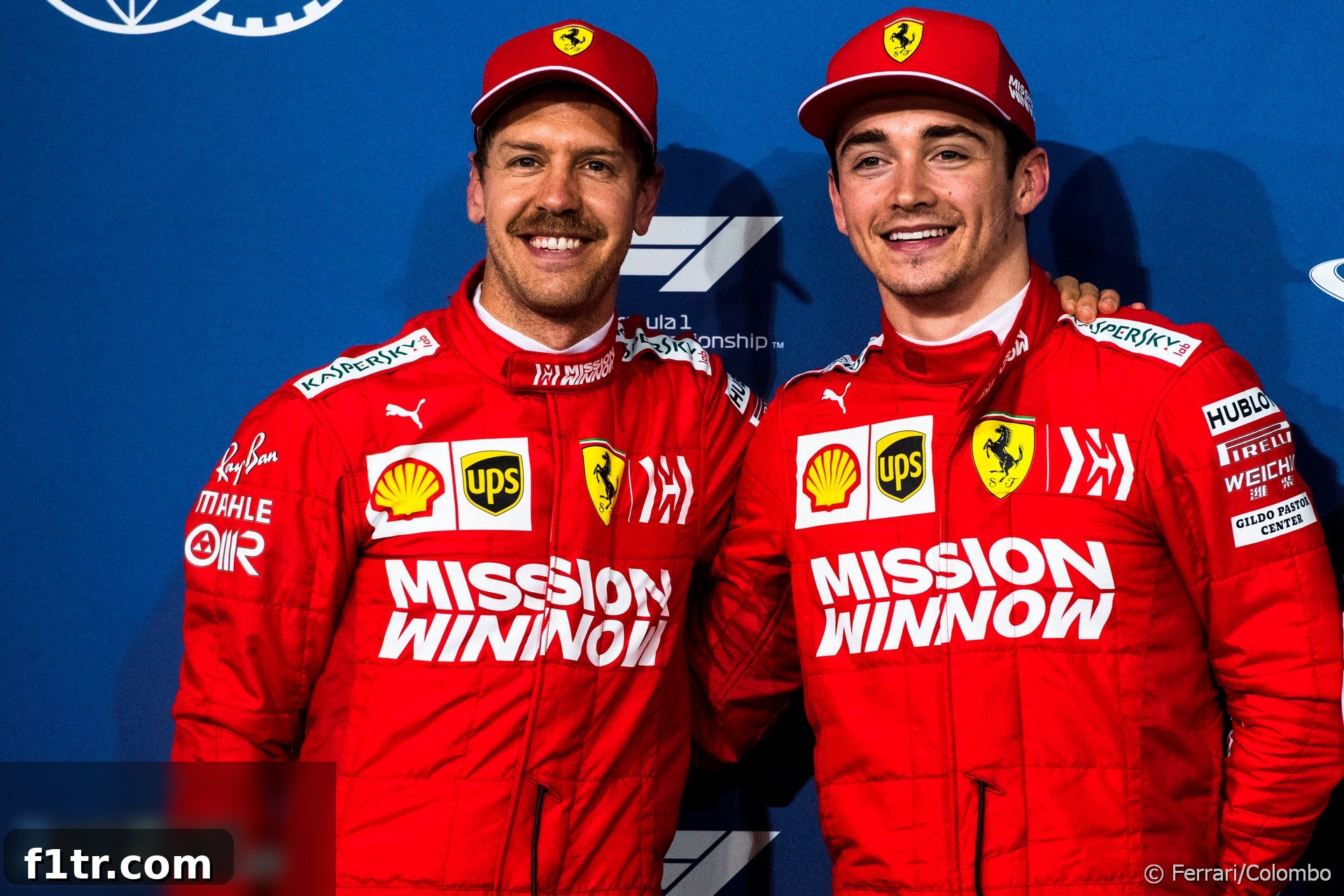
Wolff continued, underscoring the relentless nature of Formula 1, “It’s vital to remember that competitors like Sebastian Vettel or Charles Leclerc from Ferrari could very quickly re-enter the thick of the championship fight. Our vigilance must remain absolute.” He then elaborated on a critical aspect of team management that Mercedes has learned through experience: “Crucially, the relationship and mutual respect between our drivers are paramount. This is a lesson we learned from the intense period we navigated with Nico Rosberg and Lewis. We are absolutely determined to avoid a repeat of that particular dynamic, prioritizing a healthy and productive working environment that ultimately benefits the entire team’s objectives.”
Wolff’s remarks underscore the delicate balance Mercedes seeks to strike: fostering healthy competition to extract maximum performance from its drivers, while simultaneously ensuring team cohesion and preventing internal rivalries from derailing their overall championship ambitions. The lessons from the Hamilton-Rosberg era serve as a powerful reminder of the fine line between competitive spirit and destructive animosity, and Mercedes appears committed to applying those lessons to the current Bottas-Hamilton dynamic.
Quotes courtesy of Dieter Rencken
Advert | Become a RaceFans supporter today andenjoy an ad-free browsing experience
Engaging with the Fans: Social Media in Formula 1
Social media has become an indispensable platform for Formula 1 teams, drivers, and fans alike, offering unprecedented access and interaction. From behind-the-scenes glimpses to real-time updates and candid personal reflections, platforms like Twitter, Instagram, and others provide a direct conduit between the sport’s biggest names and its passionate global audience. These channels are not just for news; they’re for celebrating victories, sharing frustrations, and building a stronger community around the pinnacle of motorsport.
Thanks to everyone who came out to support the @DanWheldonFdtn #DWProAm! @Hinchtown & @Ericsson_Marcus were joined by engineers Will & Robert, Team Manager Billy, Spotter Bobby and Managing Director @taylorkiel 👏🏼 pic.twitter.com/JKvCHnZOLH
— Arrow McLaren IndyCar Team (@ArrowMcLaren) May 5, 2019
While the above tweet highlights a notable event from the wider motorsport community, involving drivers and personnel from the Arrow McLaren IndyCar Team, it also serves as a reminder of the interconnectedness of racing disciplines and the shared camaraderie among those who dedicate their lives to speed. F1 drivers and teams often engage with their counterparts in other series, demonstrating a broad appreciation for motorsport excellence.
- For comprehensive coverage and to stay connected with all the official Formula 1 accounts, explore our dedicated F1 Twitter Directory.
Essential Motorsport Links and News Updates
Stay informed with the latest developments from the world of motorsport, encompassing Formula 1, Formula 2, and other leading racing series. Our curated selection of links brings you key stories, interviews, and analyses that shape the racing landscape.
Advert | Become a Supporter & go ad-free
Mick Schumacher on his F1 ambitions and early F2 experiences (Sky)
The motorsport world keenly follows the career trajectory of Mick Schumacher, son of seven-time Formula 1 world champion Michael Schumacher. In this insightful interview, Mick discusses his journey through the junior categories and his clear aspirations for a future in F1. “It is very important to do one step after the other. We have done that up until now and F2 should now be the final step before F1,” he states, highlighting his methodical approach to career progression. His performances in Formula 2 are under intense scrutiny, as he aims to prove his talent and earn a spot on the elite F1 grid, carrying the legacy of his iconic surname with both pride and pressure.
Authorities: Billionaire’s son was driver in fatal Palm Beach International Speedway crash (The Palm Beach Post)
This tragic report from The Palm Beach Post details a fatal incident at Palm Beach International Raceway. The article confirms that the 18-year-old son of a Mexican billionaire was the driver involved in a crash that led to the death of his instructor. Such incidents serve as a sobering reminder of the inherent dangers in motorsport, even during training or recreational track days. They prompt crucial discussions about safety protocols, driver experience, and the responsibilities associated with high-performance vehicles, topics that are continually evaluated across all levels of racing, including Formula 1.
Martin Truex Jnr wins third race at Dover (NASCAR via YouTube)
Beyond the circuits of Formula 1, the world of motorsport thrives with diverse forms of racing. This YouTube link showcases highlights from NASCAR, where Martin Truex Jr. secured his third victory at Dover. NASCAR, with its unique oval racing and close-quarters competition, captivates millions of fans, offering a stark contrast to the technological finesse of F1. The clip demonstrates the raw excitement and strategic depth required to succeed in American stock car racing, reminding us of the broad appeal and varied challenges across different motorsport disciplines.
Abt: Switch to Another Team ‘Not Impossible’ (e-racing365)
The electric racing series, Formula E, presents its own set of challenges and opportunities for drivers. Daniel Abt, a prominent figure in Formula E, discusses the fluidity of team affiliations in an interview with e-racing365. His comments touch upon the realities of a driver’s career, where performance and opportunity often outweigh legacy. “I don’t think BMW or Mercedes-Benz will look at me and say: ‘Oh, it’s amazing to have you with your last name’. I think it’s quite clear, it’s always been the case in my career,” Abt remarks. This statement highlights the meritocratic nature of top-tier motorsport, where even those with famous racing surnames must continually prove their worth to secure their seats, a sentiment that resonates across Formula 1 and other competitive series.
Sustainable Mobility to attend the Formula 1 Gran Premio de Espana 2019 (Circuit de Catalunya)
As Formula 1 embraces a more environmentally conscious future, efforts towards sustainable event management are becoming increasingly important. This article from Circuit de Catalunya outlines the initiatives taken for the Formula 1 Emirates Gran Premio de España 2019 to promote sustainable mobility for attendees. “All those attending the F1 Grand Prix have specially scheduled public transport services available, thanks to the reinforcement of the RENFE Commuter Train service (Cercanías) and to the special services offered by Sagalés to get to the Circuit by bus,” the report details. Such measures are crucial for reducing the carbon footprint of major sporting events, improving traffic flow, and enhancing the overall fan experience, demonstrating F1’s commitment to broader environmental responsibility.
We always endeavour to credit original sources and provide diverse insights from the motorsport world. If you have a compelling tip for a link to feature in an upcoming RaceFans round-up, please send it in via our contact form. Your contributions help us keep the community informed and engaged.
Advert | Become a RaceFans supporter andgo ad-free
Debating F1 Regulations: The Pros and Cons of Part Standardization
The ongoing debate surrounding the standardization of parts in Formula 1, aimed at cost-saving and potentially leveling the playing field, often sparks fervent discussion among fans and experts. One RaceFans reader, @Rekibsn, shared a thought-provoking perspective on the potential downsides and implications of such a philosophy:
“One truly wonders if this philosophy of widespread part standardization had been rigorously enforced in the early sixties, would we, in the current era, still find ourselves driving around with antiquated drum brakes?” muses @Rekibsn, highlighting a concern for stifled innovation.
“It’s likely that the primary money-saving aspect for the teams will manifest in a reduced need for extensive design and testing resources – essentially, fewer highly skilled personnel – for critical components like wheels, brakes, ERS control systems, and so forth. I find this approach quite unsettling, frankly.”
Addressing specific aesthetic changes, the commenter adds, “The introduction of wheel covers is certainly going to take some getting used to visually. However, one could also view them as potential, untapped advertising space, offering a commercial silver lining.”
The critical concern, however, remains with performance integrity and the purity of competition: “All these considerations are well and good,” the comment concludes, “until someone in authority decides to instruct the brake supplier, ‘You know what? We need you to specifically engineer temperature-sensitive, high-degradation brakes to intentionally ‘spice up the show’.”
NS Biker (@Rekibsn)
This insightful commentary from @Rekibsn encapsulates the core tension in F1’s standardization efforts. While cost reduction is a valid and necessary goal for the sport’s sustainability, there’s a tangible fear that excessive standardization could inadvertently stifle the very innovation that has defined Formula 1 for decades. The argument questions whether limiting technological freedom on crucial components might lead to less advanced, and potentially less exciting, machinery. Furthermore, the concern about performance manipulation for entertainment’s sake touches on the fundamental integrity of F1 as a pinnacle of engineering and driving excellence. The discussion around standardized parts – from basic components like wheel covers to complex systems like brakes – will continue to be a hot topic as F1 strives to balance financial prudence with its identity as a cutting-edge technological spectacle.
Forum Debate: Should F1 Award a Bonus Point for Reliability?
The introduction of a bonus point for the fastest lap in Formula 1 has added a new strategic dimension to races, encouraging drivers to push for ultimate pace even if they are not contending for a podium. This change has sparked wider discussions among fans about other potential bonus points that could be implemented to further enhance the sport’s appeal and reward different aspects of performance.
- A lively debate on our forum asks a provocative question: “We’ve got a bonus point for fastest lap – should there be one for reliability too?” This topic explores whether consistency and mechanical robustness, often overlooked in the pursuit of raw speed, deserve similar recognition in the championship standings. Proponents might argue that rewarding reliability encourages engineering excellence and strategic race management, while opponents might counter that it could detract from the drama of overtakes and pure pace. Join the conversation and share your thoughts on this intriguing proposal!
Celebrating Our Community: Happy Birthday to Racing Enthusiasts!
At RaceFans, we love celebrating our incredible community members and contributors. We’d like to extend our warmest wishes and a very Happy Birthday to Peter Dixon and Jonny705! Your passion for Formula 1 and motorsport helps make this community vibrant and engaging.
If you’d like to receive a special birthday shout-out on our platform, or if you know someone who deserves one, please don’t hesitate to tell us when your birthday is via our dedicated contact form. Alternatively, you can add your special day to our growing list here. We cherish every member of the RaceFans family!
On This Day in F1 History: Senna’s Dominance at Monaco
Formula 1 history is rich with iconic moments and legendary performances, none more so than those delivered by the great Ayrton Senna, especially on the challenging streets of Monaco.
- Precisely 30 years ago today, the incomparable Ayrton Senna cemented his legacy with a truly dominant victory at the Monaco Grand Prix. Demonstrating unparalleled skill and precision, Senna crossed the finish line an astounding 52 seconds ahead of his nearest competitor. This commanding performance was further aided by a dramatic incident involving Andrea de Cesaris and Nelson Piquet, who caused a significant blockage at the notoriously tight Loews hairpin, creating a chaotic bottleneck that worked to Senna’s advantage as he effortlessly navigated the chaos. Senna’s mastery of the Monaco circuit, where he achieved a record six victories, remains one of the most celebrated feats in Formula 1, underscoring his genius in extracting maximum performance under immense pressure on the sport’s most demanding street circuit.