Lance Stroll’s F1 Ascent: Talent, Wealth, and the Modern Motorsport Landscape
The announcement of Lance Stroll’s promotion to the Williams Formula 1 team for the 2017 season sent ripples through the motorsport community. For many, it reignited a familiar concern: is Formula 1 increasingly becoming a sport exclusively for the extraordinarily wealthy? This sentiment is not unfounded, echoing a sentiment even shared by Stroll himself.
“It’s a bit ridiculous that a sport should be the way F1 is, where you should have to put in so much money to get to the top,” a young Stroll remarked earlier in his career. “I think it should be the opposite.” These are remarkably sensible words, especially coming from someone whose path to the pinnacle of motorsport has been undeniably smoothed by immense financial support. Stroll also demonstrated a mature perspective beyond racing, wisely adapting his high school curriculum to qualify for university – a practical backup plan for a young man who understood, “there’s more to life than racing.”
Indeed, it is easy to articulate the ideal scenario where money plays no part when one is in a position of privilege. However, it would be unfair to suggest that Stroll is oblivious to the struggles his rivals face, many of whom navigate far more arduous and financially challenging routes to reach the upper echelons of racing.
The Enduring Debate: Money’s Role in Formula 1
The concept of a “pay driver” is far from new in Formula 1. Throughout its history, talented individuals often needed more than just raw speed; securing a seat frequently depended on attracting sponsorship or bringing personal wealth to a team. In the modern era, with escalating costs and the immense financial pressures on independent teams, the presence of well-funded drivers has become an unavoidable reality for many. Teams like Williams, without the deep pockets of manufacturer-backed giants, often rely on the financial contributions of drivers to remain competitive and solvent. This creates a complex dynamic, blurring the lines between pure meritocracy and economic necessity, leading to constant scrutiny and debate whenever a driver with significant backing secures a coveted F1 spot.
Lance Stroll’s Journey: A Path Paved with Investment
Lance Stroll’s ascent through the motorsport ranks has been notably accelerated by the significant resources and strategic vision of his billionaire father, Lawrence Stroll. His involvement began exceptionally early; Lance was just 11 years old when he joined the prestigious Ferrari Driver Academy, a testament to his nascent talent and his father’s connections at the highest level of the sport. This early entry provided him with unparalleled access to top-tier training and facilities.
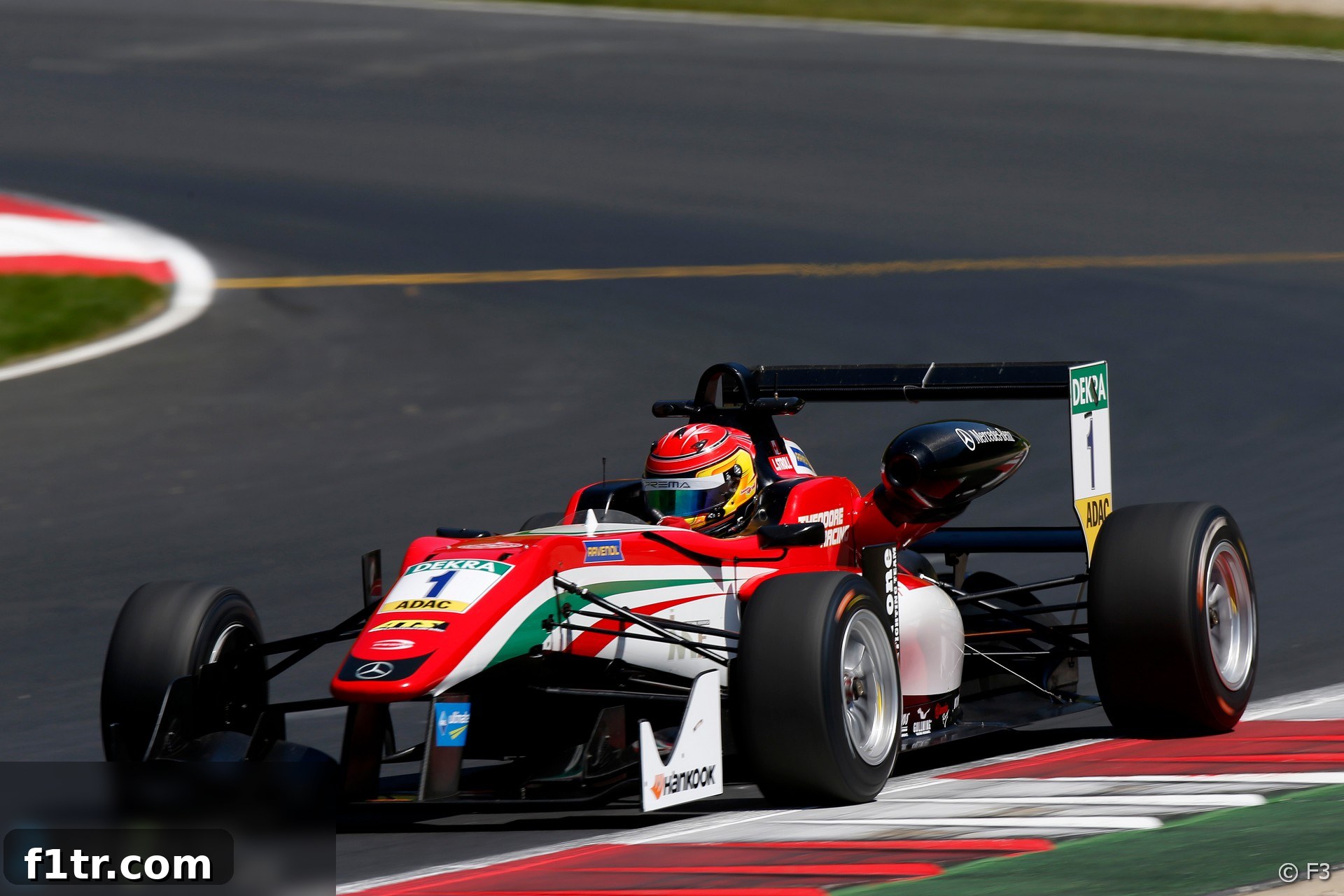
To further his burgeoning karting career and later his single-seater ambitions, Lance relocated from Canada to Europe, immersing himself in the heartland of motorsport. As he transitioned into car racing, Lawrence Stroll made substantial investments, notably in the Prema Powerteam. This strategic move ensured Lance raced with one of the most successful and well-resourced teams in junior formulae, including Formula Four and Formula Three. Furthermore, his father ensured that Lance was paired with top-tier teammates and mentors, providing an invaluable learning environment designed to hone his skills against strong competition and accelerate his development.
Dominance in Junior Categories: A Double-Edged Sword
While Lance Stroll successfully delivered the required championship titles in Formula Four and Formula Three, the lavish spending that underpinned his career had a noticeable, and at times detrimental, impact on these junior championships. The European F3 Championship stands as a particularly striking example.
The series had enjoyed a golden era in 2014, featuring a grid of almost three dozen highly competitive cars. That year saw future F1 stars like Max Verstappen, Esteban Ocon, and Antonio Giovinazzi engage in fierce battles for the title, showcasing exceptional talent and depth. However, by the time Stroll contested and won the championship in 2016, the number of cars on the grid had dwindled to less than half that size. This significant reduction was largely attributed to the overwhelming financial backing and dominance of Prema, effectively funded by Lawrence Stroll. Rivals, facing an insurmountable financial and competitive advantage, found little value in attempting to challenge the Prema juggernaut, leading several teams to withdraw or significantly scale back their participation. The competitive landscape was arguably skewed, casting a shadow over what should have been a clear demonstration of Stroll’s talent.
Overcoming Controversy: From Rookie Mistakes to Championship Form
Before his F1 promotion, some of the most prominent headlines surrounding Lance Stroll were unfortunately linked to his family’s wealth and a few highly questionable driving incidents early in his single-seater career. Eyebrows were raised when Ferrari announced in 2010 that the son of prominent Ferrari collector Lawrence Stroll had been signed as the youngest-ever member of their young driver programme at just 11 years old, immediately sparking discussions about nepotism.
Five years later, Stroll found himself in the spotlight for the wrong reasons again. During the 2015 European Formula Three season, a series of aggressive and debatable maneuvers led to him being disqualified twice. These incidents, occurring in high-profile races, drew considerable criticism from rivals, commentators, and fans alike.
Stroll undoubtedly deserved the scrutiny he received for those incidents. Yet, critically, he also deserves commendation for his response and the maturity he displayed in the aftermath. Reflecting on his mistakes, Stroll admitted: ” I got my expectations too high too quickly and those were the weekends that I was running at the front and I did make mistakes. They were big ones, for sure, they cost me a lot. They were completely my fault. But I learned from them. I’m a rookie, I’m 16 years old. I deserved the penalty. My mistake and I have to learn from it and I have to learn from it the hard way.”
And learn he did. Stroll consciously reined in his aggressive tendencies and showcased a significantly more composed and improved driving style throughout the second half of 2015. This marked a turning point, culminating in a far more mature and dominant performance in 2016. That season, Stroll secured the European F3 crown with a commanding display, winning 14 out of 30 races. This turnaround demonstrated not just raw pace, but also a crucial ability to self-critique, adapt, and grow under pressure – essential qualities for any aspiring Formula 1 driver.
The F3 Title: A Champion’s Crown with Asterisks?
While Stroll’s 2016 European F3 championship victory, with its impressive tally of 14 wins, undeniably demonstrated speed and consistency, doubts inevitably persisted regarding the true depth of his achievement. As previously noted, the 2016 F3 field was significantly less competitive than previous seasons. This stood in stark contrast to 2014, where Esteban Ocon clinched the title against a stronger grid that included Tom Blomqvist and a burgeoning Max Verstappen.
The colossal sums Lawrence Stroll invested in his son’s campaign with Prema led many within the paddock to believe that Stroll’s success was almost a foregone conclusion, prompting several rival teams and drivers to seek opportunities elsewhere. The grid size effectively halved, with six teams opting out of the 2016 season entirely, and another prominent team, Carlin, temporarily withdrawing mid-season. Furthermore, accusations surfaced regarding Stroll benefiting from team orders in the season-opener and reportedly using special parts developed exclusively for him by Williams (with whom he had already joined their junior driver programme), leading to two separate disqualifications. While these accusations were vigorously denied, they unfortunately fuelled innuendo and skepticism surrounding the legitimacy of his dominant performance.
Williams’ Strategic Bet: Financial Stability Meets Emerging Talent
Given the circumstances of his F3 title and his relatively young age, many observers felt a year or two more in a feeder series like GP2 (now F2) would have been a more logical step for Stroll. This would have allowed him to further hone his race craft against a deeper, more experienced field before making the monumental leap to Formula 1. However, the decision was made for him to join the F1 grid at Melbourne the following year.
This swift promotion, though controversial, was undoubtedly a strategic decision for Williams. As a privateer team, Williams does not enjoy the immense financial injections provided to manufacturer-backed outfits like Ferrari and Red Bull. The team has, for several years, navigated a challenging financial landscape, making a driver who is not only quick but also substantially financed—much in the mould of successful ‘pay drivers’ like Sergio Perez—a double blessing. Stroll’s arrival brought with it a much-needed financial injection, helping to stabilize the team’s budget and fund development. While talent is paramount, the harsh economic realities of F1 mean that the ability to bring significant sponsorship can often be a decisive factor in securing a seat, especially for teams lower down the grid.
A Boost for Canada and a New Chapter for Williams
Beyond the financial considerations for Williams, Stroll’s promotion carried significant positive implications. For his homeland, Canada, it was truly great news. It had been 20 years since a Canadian driver last made his debut for Williams (Jacques Villeneuve) and a decade since Jacques Villeneuve’s F1 career ended rather ingloriously at BMW Sauber. The arrival of a new Canadian talent was a source of national pride and excitement. Furthermore, the promoters of the Canadian Grand Prix, who at times faced doubts about the long-term future of their race, would undoubtedly be encouraged by having a home-grown driver on the grid, potentially boosting attendance and local interest.
For Williams, the benefits extend beyond just finance. While critics might focus on the “pay driver” aspect, the team secured a young driver with undeniable raw speed and championship-winning experience, albeit in a controversial season. The hope was that Stroll’s inherent talent, combined with the financial backing, would provide the team with both a competitive driver and the resources to improve their car, creating a virtuous cycle for future success.
Proving Ground: Stroll Deserves His Chance
“You need to put in a certain amount like any sport – if you play tennis you need to buy a racquet – but to pay to drive for a team, that’s wrong,” Stroll once said, acknowledging the fundamental truth of the financial barrier while also expressing a purist’s view on merit. He continued, “It’s also the world we live in.” This candid admission encapsulates the paradox of his situation and the broader reality of modern Formula 1.
Ultimately, while the financial circumstances of his career will always be a part of his narrative, Lance Stroll, like any other F1 driver, deserves the opportunity to prove his worth on the track. He has shown resilience, learned from his mistakes, and achieved significant success in junior categories. The ultimate test of his talent will be his performance in Formula 1 itself. Only by observing his driving, his development, and his results against the very best drivers in the world can a fair and objective assessment be made. It is time to let the racing speak for itself.
Explore More from the 2017 F1 Season
- Sepang pays Haas compensation for Grosjean’s 2017 crash
- Williams revenues rose in 2017 after Bottas deal with Mercedes
- Australian Grand Prix cost government £56 million last year
- “Grand Prix Driver” takes you inside McLaren’s nightmare final year with Honda
- Undisputed champion: 10 titles name Hamilton top driver of 2017
Browse all 2017 F1 season articles