Formula 1 Set to Eclipse Porsche’s Blistering Spa Lap Record, Says Hulkenberg
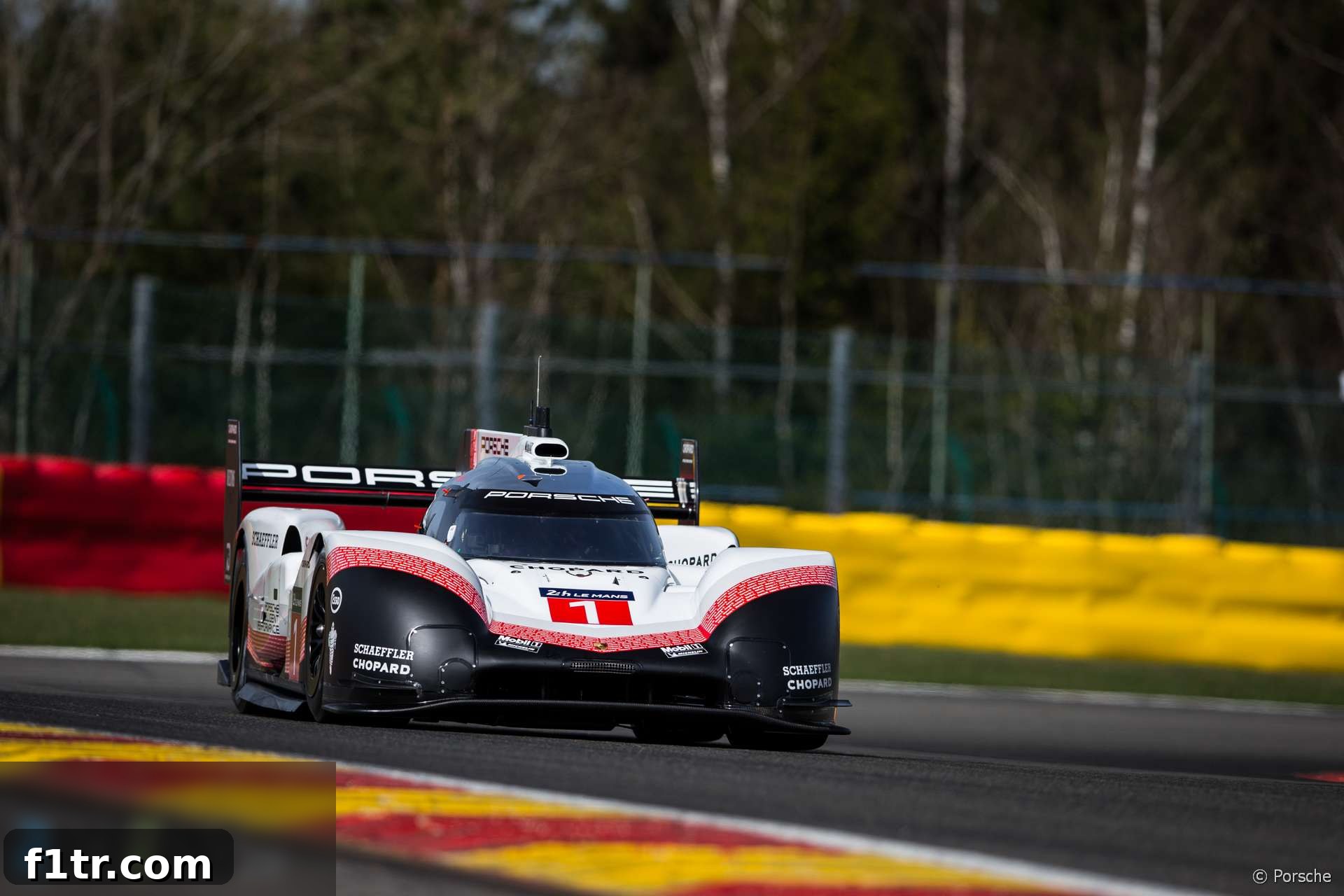
The legendary Spa-Francorchamps circuit recently witnessed a breathtaking display of raw speed when Porsche’s 919 Hybrid Evo, an unrestricted version of its dominant LMP1 prototype, obliterated the track’s outright lap record. This remarkable feat, however, has ignited a fervent debate within the motorsport community: can Formula 1, with its cutting-edge technology and relentless pursuit of performance, reclaim the top spot?
According to Nico Hulkenberg, a seasoned Formula 1 driver with past experience in the World Endurance Championship (WEC), the answer is an emphatic yes. He boldly predicted that Formula 1 cars will “smash” the lap time Porsche set with its 919 Hybrid Evo when the pinnacle of motorsport returns to the iconic Belgian circuit for the Grand Prix later this year.
The Unrestricted Beast: Porsche 919 Hybrid Evo’s Remarkable Feat
Porsche, a name synonymous with motorsport excellence, decided to celebrate its unprecedented success in the WEC – including three consecutive Le Mans 24 Hours victories and multiple world championships – with a “Tribute Tour” for its 919 Hybrid. The star of this tour was the 919 Hybrid Evo, a modified version of its championship-winning LMP1 car, unshackled from the stringent regulations of endurance racing.
The modifications made to the 919 Hybrid Evo were extensive and purely aimed at maximizing performance. Engineers pushed the boundaries in every conceivable area: aerodynamics were significantly enhanced, generating approximately 53% more downforce than the WEC-regulated version, coupled with an active Drag Reduction System (DRS). The hybrid powertrain, which combined a 2.0-litre V4 turbocharged engine with advanced energy recovery systems, was allowed to operate at its full potential, shedding the fuel flow and energy deployment limits imposed by WEC rules. Furthermore, the car’s weight was reduced by 39 kilograms. These radical changes transformed an already formidable machine into an absolute rocket on wheels.
It was with this engineering marvel that Neel Jani, a former Porsche LMP1 driver and Le Mans winner, took to Spa-Francorchamps. His record-setting lap of 1 minute 41.770 seconds was not just fast; it was historic. It not only surpassed the previous track record held by an F1 car but also highlighted the immense untapped potential that often lies dormant within regulated racing machines. The sheer speed displayed by the 919 Hybrid Evo served as a potent reminder of Porsche’s engineering prowess and their commitment to pushing the boundaries of what’s possible in motorsport.
F1’s Confidence: Nico Hulkenberg’s Bold Prediction
Nico Hulkenberg, who drove for Porsche’s LMP1 team at Spa in 2015 and famously won the Le Mans 24 Hours with them that year, offered a unique perspective on the 919 Hybrid Evo’s achievement. He admitted he hadn’t been aware of Porsche’s plan to develop the unrestricted version of the 919 Hybrid, calling it “just a fun project.” However, his admiration for the car was clear, as he expressed a keen desire to drive it himself, albeit acknowledging that it “would be difficult” given his Renault F1 contract at the time.
Despite his respect for Porsche’s engineering feat, Hulkenberg’s loyalty and confidence firmly lay with Formula 1. He predicted that Jani’s impressive 1’41.770 lap time will only stand until F1 visits the track for that year’s Belgian Grand Prix. “I think when we come around this year we’re going to smash that record, or someone will,” he stated with conviction. This bold claim isn’t just bravado; it’s rooted in the fundamental differences and continuous evolution of Formula 1 technology.
Formula 1 cars, particularly since the 2017 regulation changes, have become significantly faster, boasting wider tires and vastly increased aerodynamic downforce. The relentless development cycle, the sheer financial investment, and the constant pursuit of marginal gains mean that F1 cars are always evolving. Their lightweight construction, sophisticated hybrid power units, and advanced aerodynamics are designed for ultimate single-lap pace and agility, characteristics that are paramount on a demanding circuit like Spa. Hulkenberg’s prediction underscores the belief within the F1 paddock that their machinery, optimized for the highest echelons of sprint racing, would ultimately prevail on a level playing field.
Inside the Machine: Brendon Hartley on Unfettered Performance
Another voice of authority on the subject came from Brendon Hartley, a Toro Rosso Formula 1 driver who had previously raced for Porsche until the end of the previous WEC season. Hartley, having intimately experienced the capabilities of the 919 Hybrid under WEC regulations, lauded the unrestricted lap time as “a big achievement.” His insights provided critical context, revealing just how much potential was being held back by the WEC rulebook.
Hartley elaborated on the restrictive nature of WEC regulations, designed to balance performance and ensure competition, but inevitably limiting outright speed. He noted, “I know how restrictive the rules were in the WEC to keep the car slower. So in a way we always expected that there was so much more performance especially if you had more fuel.” He further explained that the 919 Hybrid possessed a “big electric engine that was also restricted on power.” These restrictions included limits on fuel flow, energy recovery system (ERS) deployment per lap, and overall aerodynamic freedom. The WEC prioritizes efficiency and endurance, not raw, unrestricted lap times.
The Evo project allowed Porsche to demonstrate what the 919 Hybrid was truly capable of when these constraints were removed. Hartley highlighted the critical modifications: “I know they’ve increased the downforce and DRS and all these things. It’s very impressive the lap time they’ve done.” The ability to deploy full ERS power, unrestricted fuel consumption, and aggressive aerodynamic configurations, including a manually activated DRS, transformed the car into a single-minded record hunter. Hartley’s comments underscore the incredible engineering efforts that went into designing the 919 Hybrid, confirming that its potential far exceeded what was allowed on race weekends.
A Battle of Giants: Comparing Lap Times and Technologies
The direct comparison of lap times served as the most compelling evidence of the 919 Hybrid Evo’s prowess. Neel Jani’s 1’41.770 was a staggering 0.783 seconds faster than Lewis Hamilton’s pole position time for the 2017 Belgian Grand Prix, which stood at 1’42.553. This margin, though seemingly small, is immense in the high-stakes world of motorsport. Even more dramatically, Jani’s lap was a colossal 12.327 seconds faster than the pole time for the 2017 WEC round at Spa, also set by Porsche, demonstrating the profound impact of removing regulations.
This comparison set the stage for the highly anticipated F1 return to Spa. While the 919 Hybrid Evo was a purpose-built, unrestricted machine for a single lap, F1 cars are designed for a full race weekend, incorporating elements like tire management, fuel economy, and reliability. However, F1’s rapid developmental pace means cars are constantly evolving. Each year, new aerodynamic packages, engine upgrades, and tire compounds push the limits further. The 2018 F1 season, in particular, saw cars that were already significantly faster than their predecessors, with teams continually extracting more performance from their chassis and power units.
The debate between the F1 and LMP1 machines boiled down to a fascinating technological rivalry. F1 cars benefit from bespoke chassis, highly sophisticated active suspension (within limits), cutting-edge tire technology developed uniquely for the series, and powerful 1.6-litre V6 turbo-hybrid engines that are among the most efficient and powerful racing engines ever conceived. The LMP1 Evo, on the other hand, showcased the potential of a prototype born from endurance racing but liberated from its constraints, emphasizing raw downforce and pure hybrid power deployment.
The Spa-Francorchamps Gauntlet: A Track for Records
Spa-Francorchamps is not just any circuit; it’s a legendary proving ground for the fastest cars and bravest drivers. Nestled in the Ardennes forest, its 7.004-kilometer (4.352-mile) layout is renowned for its high-speed straights, sweeping curves, and dramatic elevation changes. Corners like Eau Rouge and Raidillon, Pouhon, and Blanchimont are iconic, demanding absolute commitment and precision. The track’s natural flow and the sheer length of its full throttle sections make it an ideal venue for record-breaking attempts, allowing cars to fully exploit their top-end speed and aerodynamic efficiency.
Historically, Spa has been a battleground for lap records, with its character pushing machines to their absolute limits. The circuit’s combination of high-speed sections and challenging technical corners requires a perfect balance of downforce and drag. It is a track where the true performance of a car, both in a straight line and through fast corners, is laid bare. The conditions at Spa, often unpredictable with its microclimates, add another layer of challenge and excitement, making any record attempt or race victory all the more impressive.
The Broader Implications: Record Runs and Motorsport’s Future
The Porsche 919 Hybrid Evo’s record run at Spa, and indeed its entire Tribute Tour, carried significant implications beyond mere lap times. It served as a powerful demonstration of what unrestricted motorsport technology can achieve. In an era where regulations often dictate performance parameters for safety, cost control, or competitive balance, seeing a machine unleashed from these constraints provides a thrilling glimpse into the future potential of racing car design.
Such record attempts generate immense interest, drawing new fans to motorsport and engaging existing ones in technological debates. They highlight the incredible talent of engineers and designers who push the boundaries of physics and materials science. Furthermore, these tours offer a platform for manufacturers to showcase their innovation, reinforcing their brand image and technical leadership. While F1 remains the pinnacle of single-seater racing, these one-off record challenges from other categories remind everyone of the diverse and exciting landscape of global motorsport and the constant quest for ultimate speed.
Anticipation for the Belgian Grand Prix 2018
As the 2018 Formula 1 season approached its Belgian Grand Prix, the atmosphere was charged with anticipation. Nico Hulkenberg’s confident prediction had set a clear challenge: could the current generation of F1 cars truly surpass the benchmark set by Porsche’s unrestricted prototype? All eyes would be on qualifying, where drivers, pushing their cars to the absolute limit for a single flying lap, would aim to etch their names into the Spa record books. Factors such as track conditions, ambient temperature, and the specific car setups for each team would all play a crucial role in determining whether F1 could indeed reclaim the outright lap record.
The Spa-Francorchamps circuit, with its rich history and demanding layout, was once again poised to deliver drama and excitement. The prospect of seeing the fastest cars in the world, piloted by the best drivers, attempting to outpace an engineering marvel like the Porsche 919 Hybrid Evo, promised an unforgettable spectacle for motorsport enthusiasts globally. The stage was set for a thrilling battle against the clock, with the ultimate bragging rights hanging in the balance.
Ultimately, the challenge laid down by the Porsche 919 Hybrid Evo at Spa-Francorchamps created a captivating narrative, pitting engineering ingenuity against the relentless march of Formula 1 development. Nico Hulkenberg’s prediction encapsulated the inherent confidence and competitive spirit that defines F1, setting the scene for an electrifying return to one of motorsport’s most iconic venues.
2018 F1 season
- F1 feared “death knell” for Drive to Survive after Ferrari and Mercedes snub
- McLaren staff told us we were “totally crazy” to take Honda engines in 2018 – Tost
- ‘It doesn’t matter if we start last’: How Red Bull’s junior team aided Honda’s leap forward
- Honda’s jet division helped F1 engineers solve power unit problem
- McLaren Racing losses rise after Honda split
Browse all 2018 F1 season articles