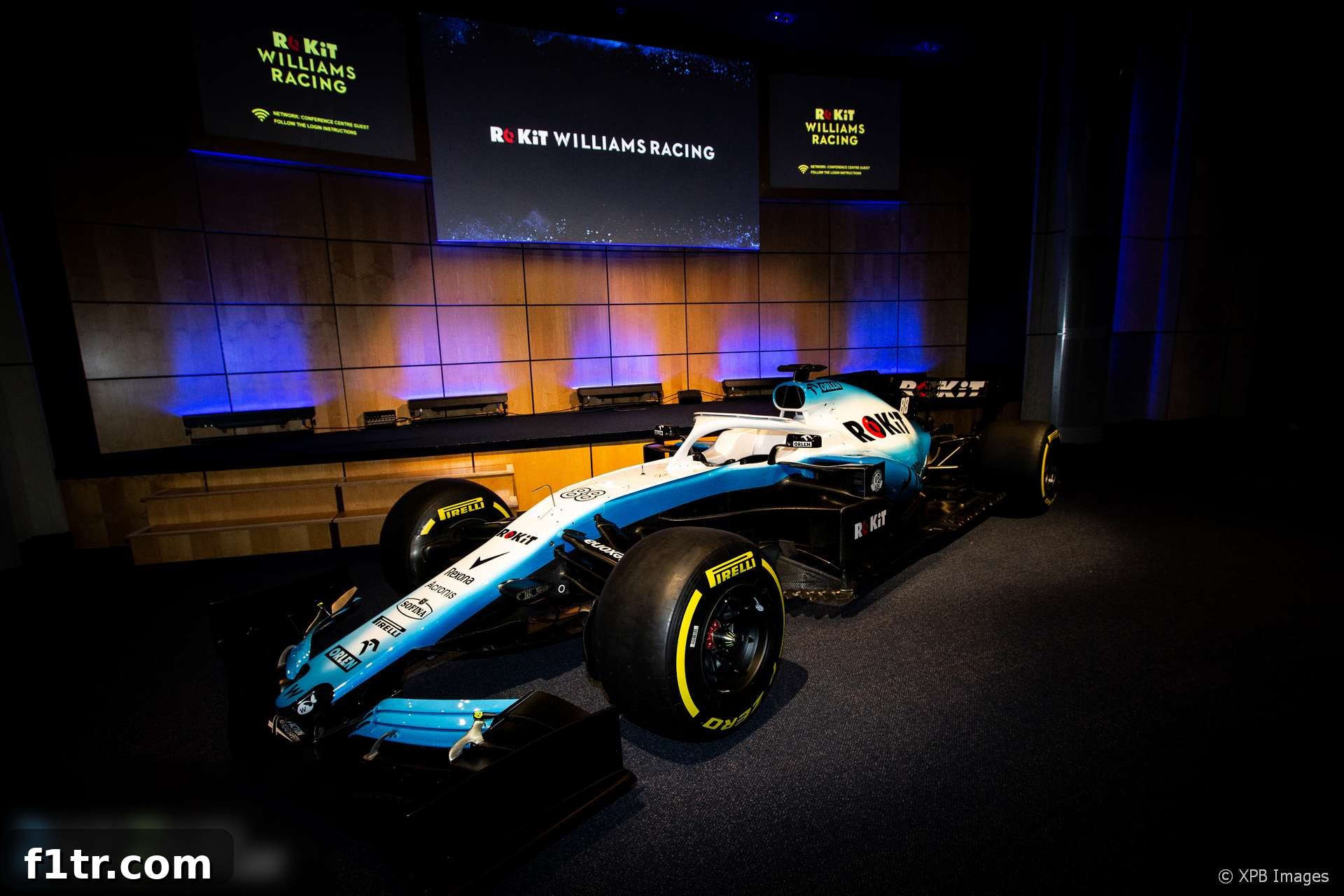
Williams FW43 Launch Confirmed: A Pivotal Moment for the Iconic F1 Team in 2020
Williams Racing, one of Formula 1’s most revered and historically significant teams, has officially confirmed the online launch date for its 2020 challenger, the FW43. Fans and pundits alike will get their first glimpse of the new car on Monday, February 17th, at 8 AM GMT, as the team seeks to turn a new page after a dismal 2019 campaign. This highly anticipated unveiling, set to take place across the team’s social media platforms, marks a crucial step in Williams’ ambitious bid to regain competitiveness and restore its storied legacy within the sport.
The announcement, which followed earlier reports, sets the stage for what promises to be a transformative year for the Grove-based outfit. For a team that has endured significant struggles in recent seasons, the FW43 is more than just a new car; it represents hope, a fresh start, and the culmination of extensive efforts to address the fundamental issues that plagued their performance. After finishing last in the constructors’ championship for two consecutive years, with an unprecedented low of just one point in 2019, the pressure on the FW43 and the team behind it is immense. The upcoming season is not merely about incremental improvements but about a fundamental shift in direction and performance.
A Fresh Start After a Challenging 2019 Season
The 2019 season was, by all accounts, a calamitous period for Williams. Their FW42 car was notoriously late in reaching pre-season testing, a critical setback that severely hampered their development schedule and left them playing catch-up from the very beginning. This delay, coupled with fundamental design flaws and a lack of overall pace, saw the team consistently languish at the back of the grid. Drivers George Russell, despite demonstrating flashes of brilliance, and Robert Kubica struggled immensely, with the solitary point coming from a chaotic German Grand Prix. The visual disparity between the FW42 and its competitors was stark, underscoring a significant technical deficit that left fans and the team’s dedicated personnel deeply frustrated and questioning the future.
This period of struggle was a stark contrast to Williams’ glorious past, which includes nine Constructors’ Championships and seven Drivers’ Championships. The fall from grace has been painful to watch for any Formula 1 enthusiast, highlighting the brutal nature of the sport where even giants can falter without sustained investment, innovation, and stability. Historically, Williams was a pioneer in engineering and a fierce competitor. However, a combination of evolving regulations, financial pressures, and internal reorganizations has seen the team gradually slip down the pecking order. The financial implications of poor performance, including reduced prize money and difficulty in attracting top-tier sponsors, only exacerbate the problem, creating a challenging cycle for any team trying to claw its way back up the grid. For Williams, breaking this cycle in 2020 is not just desirable; it’s essential for their long-term viability and to avoid becoming a permanent backmarker in F1.
Strategic Technical Overhaul: Reinforcing the Leadership
Recognizing the urgent need for change, Williams has undertaken a significant restructuring of its technical department. A pivotal moment in this overhaul was the departure of former Chief Technical Officer Paddy Lowe in March 2019. Lowe’s exit, following an extended period of absence and the widely publicized FW42 launch issues, signaled a clear intention from the team to redefine its technical direction and leadership. The vacuum created by his departure was significant, and the subsequent appointments reflect a concerted effort to inject new talent and proven expertise into critical design and engineering roles, aiming to prevent a recurrence of the problems that plagued the previous season.
Earlier this week, Williams made headlines with the announcement of two key appointments: David Worner as Chief Designer and Jonathan Carter as Deputy Chief Technical Officer. These hires are particularly noteworthy given their impressive pedigrees. Worner arrives from Red Bull Racing, a team renowned for its innovative chassis design and aerodynamic prowess that has challenged for championships. His experience within such a high-performance, championship-winning environment is invaluable, bringing fresh perspectives and a deep understanding of what it takes to produce a competitive Formula 1 car from a design standpoint. Carter, on the other hand, joins from Renault, where he held the position of Head of Design. His extensive background across various F1 teams further strengthens Williams’ technical bench, providing crucial experience in managing complex design projects and optimizing overall vehicle performance.
These strategic recruitments underscore Williams’ commitment to rebuilding its engineering capabilities from the ground up. The challenges faced with the FW42 highlighted deficiencies in planning, design, and execution that needed immediate attention. By bringing in highly experienced individuals like Worner and Carter, Williams aims to instill a more robust technical culture, streamline design processes, and ensure that the FW43 and future cars are developed on a solid, competitive foundation. The hope is that their combined expertise will translate into tangible improvements on track, allowing Williams to not only avoid the back of the grid but also to consistently close the gap to the midfield and beyond. This new leadership is tasked with cultivating an environment of innovation and precision, crucial for any F1 team aiming for success.
The 2020 F1 Pre-Season: Setting the Stage
Williams’ FW43 launch is one of the final pieces of the puzzle in the 2020 Formula 1 pre-season calendar. The team is the ninth to officially confirm its car unveiling plans, leaving only Red Bull Racing yet to announce when their RB16 will be revealed. Speculation suggests that Red Bull’s new car might make its first run on February 12th, placing it just a day after Ferrari, who is set to kick off the reveals with their new contender on February 11th. This flurry of activity sets the tone for an exciting build-up to the 2020 F1 season, with teams eager to demonstrate their progress and potential amidst a largely stable regulatory environment.
The pre-season period is a critical phase, not just for car launches but also for the crucial testing sessions that follow in Barcelona. For Williams, a smooth and efficient testing program is paramount. Unlike 2019, where delays meant they missed valuable track time and started the season severely disadvantaged, the team absolutely must ensure the FW43 is ready, reliable, and capable of completing its intended mileage during the Barcelona tests. Every lap is an opportunity to gather vital data, fine-tune setups, and understand the car’s behavior across different conditions. A successful pre-season can build significant momentum, foster confidence within the team, and provide a much-needed foundation for the demanding race calendar ahead. Conversely, any repeat of last year’s issues could quickly deflate morale and severely compromise their entire season before it even begins, setting them back even further.
Hopes and Hurdles: The Road Ahead for Williams
The 2020 season represents a pivotal juncture for Williams. While a return to championship contention might be a long-term aspiration, the immediate goal will be to demonstrate significant progress. Competing regularly with the likes of Haas and Alfa Romeo, and potentially even challenging Renault and AlphaTauri (formerly Toro Rosso), would be considered a major success. The team fields an exciting driver lineup with the highly-rated George Russell, entering his second year and widely considered a future star, and rookie Nicholas Latifi, who brings valuable financial backing and a proven track record in junior categories. Their combined feedback will be crucial for the FW43’s development and optimization throughout the year.
Beyond on-track performance, Williams faces ongoing commercial and operational hurdles. As one of the last remaining truly independent teams, they navigate the highly competitive and financially demanding world of F1 with fewer resources than manufacturer-backed or larger independent outfits. Sustained improvement is vital not only for attracting new sponsors and commercial partners but also for retaining existing ones and ensuring the long-term financial health of the team. The upcoming regulatory changes for 2021 also cast a long shadow, requiring teams to manage resources efficiently between current development for the 2020 car and future car concepts under the new rules. For Williams, finding this balance while simultaneously trying to climb off the bottom of the grid will be a testament to their resilience and strategic acumen, making 2020 a truly defining year.
The unveiling of the FW43 on February 17th is therefore much more than a routine car launch. It is a declaration of intent, a public display of the significant changes and tireless work undertaken behind the scenes at Grove. For a team synonymous with Formula 1 history, the 2020 season is not just about points; it’s about rebuilding, reclaiming pride, and setting a course for a more competitive future. All eyes will be on Williams as they present their new challenger, hoping it marks the beginning of a genuine turnaround for this beloved British racing institution and a step towards their former glory.
Related F1 Articles:
- 2020 pre-season launches and testing calendar
Explore More from the 2020 F1 Season
- Grosjean to make F1 test return tomorrow for first time since Bahrain horror crash
- Pictures: Wrecked chassis from Grosjean’s Bahrain fireball crash to go on display
- Bottas vs Rosberg: Hamilton’s Mercedes team mates compared after 78 races each
- F1 revenues fell by $877 million in Covid-struck 2020 season
- Hamilton and Mercedes finally announce new deal for 2021 season
Browse all 2020 F1 season articles