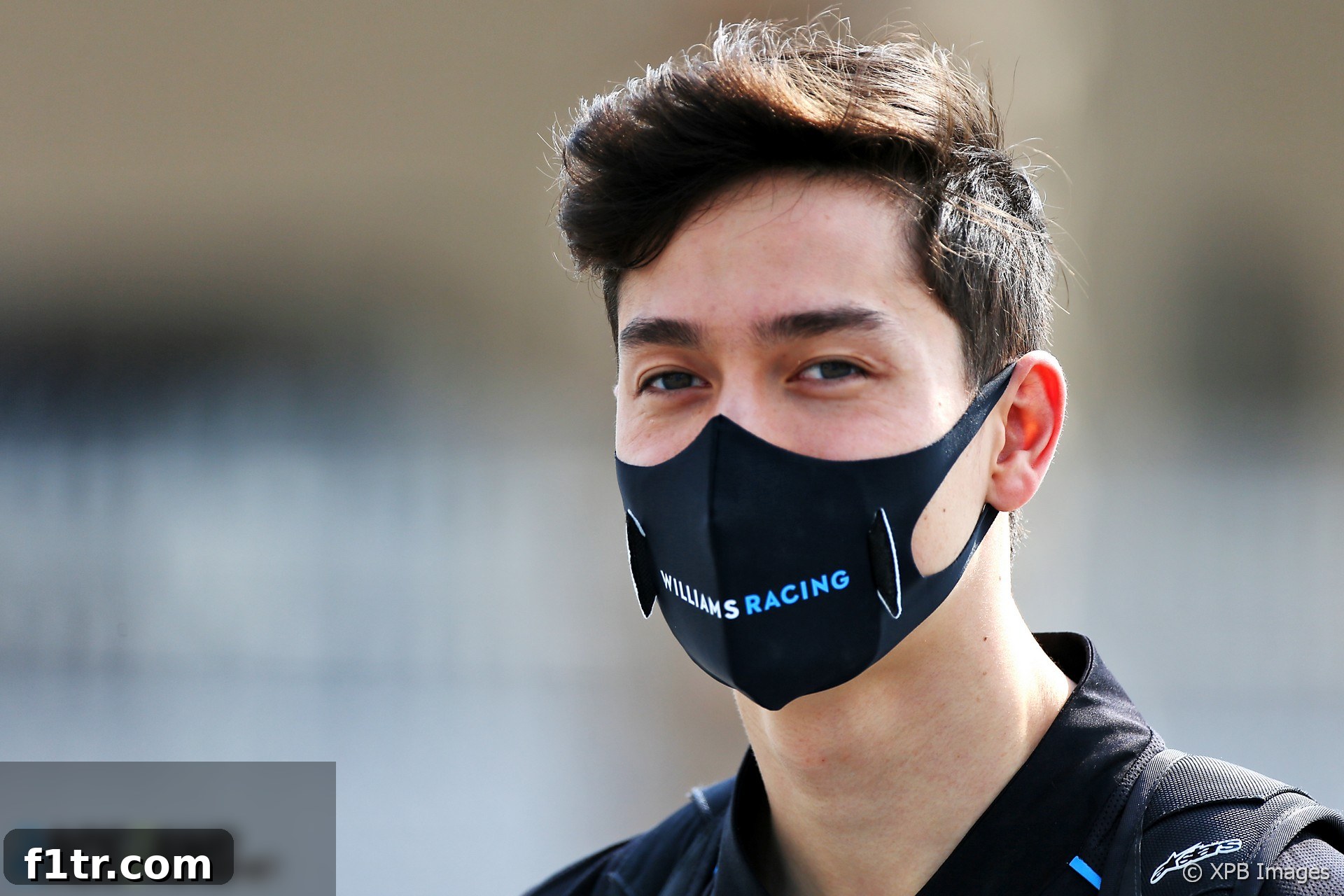
In a dramatic turn of events that sent shockwaves through the motorsport community, Williams Formula 1 reserve driver Jack Aitken was involved in a severe multi-car crash during the prestigious 24 Hours of Spa endurance race. The incident, which occurred at the notorious Raidillon corner, left Aitken with significant injuries, alongside other prominent drivers, highlighting the inherent dangers that persist even in the pinnacle of GT racing.
The Ferocious Raidillon Corner Claims Another Victim at Spa-Francorchamps
The 24 Hours of Spa, a jewel in the crown of endurance racing, attracts top talent and fierce competition to the legendary Spa-Francorchamps circuit in Belgium. However, it was at one of the circuit’s most iconic yet perilous sections, Raidillon, where yesterday’s harrowing accident unfolded. Raidillon, immediately following the equally famous Eau Rouge, is a high-speed, uphill left-right-left sequence that demands absolute precision and courage from drivers. Its blind crest and the immense G-forces experienced make it a breathtaking spectacle but also a unforgiving stage for error or misfortune.
Jack Aitken, driving a powerful Lamborghini Huracan GT3 car for Emil Frey Racing, found himself at the heart of the four-car pile-up. The collision involved not only Aitken but also his team mate Franck Perera, Kevin Estre in a Porsche, and Davide Rigon piloting a Ferrari. The sheer velocity at which these incidents occur at Raidillon often amplifies the consequences, transforming a minor contact into a catastrophic chain reaction.
Immediate Aftermath and Medical Response
The gravity of the crash was immediately apparent, prompting a swift response from marshals and medical teams. All four drivers involved were promptly transported to the on-site medical centre at Spa for initial assessment. While Kevin Estre and Franck Perera were fortunate enough to be released after precautionary checks, the situation for Jack Aitken and Davide Rigon was more severe, necessitating their transfer to a nearby hospital for comprehensive further investigations into their injuries.
Jack Aitken’s Injuries and Path to Recovery
The motorsport world held its breath awaiting news on Aitken’s condition. This morning, his team provided an update, confirming that the young Briton had sustained a broken collarbone, a fractured vertebra, and a very small lung contusion. Crucially, the team emphasized that the vertebra injury was “stable,” a piece of news that offered a significant sense of relief amidst the concern. Aitken, who famously made his Formula 1 debut for Williams at the Sakhir Grand Prix last season and has been competing in Formula 2 this year, quickly shared his own perspective on the incident and his remarkable resilience.
“Thank you to everyone who has supported me in the last 16 hours or so,” Aitken expressed, extending his gratitude to “the marshals, medical staff trackside and at the hospital, my wonderful team, fellow drivers and all of you sending messages.” His words painted a picture of a driver who, despite facing a life-threatening incident, maintained a pragmatic and grateful outlook. “All things considered I feel fine, and quite lucky,” he admitted, acknowledging the severity of the crash at one of the circuit’s fastest points.
Detailing his injuries, Aitken confirmed, “I’ve broken my collarbone, and fractured a vertebra but it’s stable fortunately.” His immediate focus has shifted from the racetrack to recovery. “The aim now is to get back to the UK and start to recover as best as possible, and be back in the car soon,” he stated with characteristic determination. “I’m sure with the people around me I’ll manage it just fine! Finally, a thank you to Lamborghini for building a damn strong chassis.” This testament to the structural integrity of his race car underscores the advancements in motorsport safety, which undoubtedly played a critical role in mitigating even more severe outcomes.
In a poignant addition to his statement, Aitken also extended his condolences, saying, “My thoughts also go out to the marshal that lost their life yesterday at Brands Hatch.” This gesture served as a somber reminder of the broader risks inherent in motorsport, affecting not just drivers but also the dedicated personnel who make races possible.
Davide Rigon’s Account and Hope for Return
Italian driver Davide Rigon, a seasoned endurance racer, also shared his experience following his discharge from the hospital, albeit wearing a spinal brace. Rigon recounted the sudden and unavoidable nature of the collision from his perspective. “I was hit from the back and was a passenger in the car,” he explained, emphasizing his helplessness in the unfolding chaos. “It was a big one but I am already out from the hospital.” Despite the significant impact and the necessity of a spinal brace, Rigon’s spirit remained undimmed. “I hope to be back on track soon,” he added, reflecting the innate desire of racing drivers to return to their passion.
Renewed Calls for Safety at the Iconic Raidillon
The multi-car incident at Raidillon has reignited urgent discussions about safety at the challenging corner. Former Formula 2 racer Callum Ilott, who shared the track with Aitken in F2 during 2019 and 2020, and who was slated to be Rigon’s teammate for the upcoming 24 Hours of Le Mans, publicly called for the Raidillon corner to be made safer. Ilott’s plea resonates with a long history of safety concerns at this particular section of Spa-Francorchamps.
The debate surrounding Raidillon’s safety is not new. Its high-speed, blind crest has been the scene of numerous significant accidents over the decades, tragically including the fatal crash of Formula 2 driver Anthoine Hubert in 2019, which left an indelible mark on the motorsport world. While extensive safety improvements have been implemented across circuits worldwide, the unique topography and characteristics of Raidillon continue to pose a formidable challenge. The immense speeds, the compressed nature of the track in that section, and the lack of substantial run-off areas at the top of the hill mean that any loss of control or incident often results in cars rebounding into the path of oncoming traffic, precisely as happened in this latest crash.
Motorsport governing bodies and circuit operators constantly strive to balance the preservation of a track’s historic character and challenge with the imperative of driver safety. The incident involving Aitken and Rigon serves as a stark reminder that even with advanced car designs and stringent safety protocols, certain sections of legendary circuits demand continuous re-evaluation and potential modifications to enhance protection for competitors without diluting the essence of the racing experience. Discussions will undoubtedly continue regarding potential solutions, such as further expanding gravel traps, re-profiling the run-off areas, or even exploring more radical changes, though the latter often meets with resistance from traditionalists.
Implications for Jack Aitken’s Career and the Future of Endurance Racing Safety
For Jack Aitken, this incident comes at a crucial juncture in his career. A driver with diverse experience in Formula 1, Formula 2, and now endurance racing, his talent and versatility are undeniable. The immediate focus will be on a full and effective recovery, but the timeline for his return to competitive driving will inevitably impact his commitments, including any potential Formula 1 reserve duties or future F2 appearances. His resilience and stated determination to return to the cockpit “soon” are testaments to the mindset of top-tier athletes, yet the physical healing process requires time and careful rehabilitation.
Beyond Aitken’s personal recovery, the Spa 24 Hours crash also casts a spotlight on the broader safety considerations in multi-class endurance racing. These events, characterized by vast speed differentials between different categories of cars and the sheer volume of vehicles on track, present unique challenges. The incident underscores the critical need for constant vigilance, not just from individual drivers, but also from race control and organizers to ensure that protocols and track configurations are optimized for the highest levels of safety across all competing classes. The motorsport community remains united in its hope for a swift and complete recovery for all drivers involved in this terrifying incident, while also reaffirming its commitment to learning from such events to make racing safer for generations to come.